10.08.2026
3Q 2026 Market Insights
This video is a recording of a live webinar held October 22 by Marquette’s research team analyzing the third quarter…


Domestic equity returns have surprised investors to the upside this year. The S&P 500 is up ~24% and the S&P has posted 26 new highs in 2019. Over the past 10 years, the S&P has recorded 233 new highs and a 481% cumulative return. The chart shows that many of the market highs were backloaded into the second half of the current recovery as economic growth and investor confidence increased. The S&P 500 did not reach its post-recession peak until 2013: four years after the financial crisis. During those four years, market volatility was elevated, but steadily decreasing.
2019’s market environment has been very different from 2009. The first contrast is valuations. In March 2009, the S&P 500 traded at 11.2 times forward earnings and today it trades at 19.2 times forward earnings, higher than its 10-year average of 16 times. Second, while market volatility on average has decreased by 50% since 2009, volatility (measured by the VIX index) — as shown by the orange diamond — remains elevated since 2017’s lows. Lastly, geopolitical risk has predominantly shifted from Europe and its sovereign debt crisis to the U.S.-China trade war, the latter of which is still not resolved. Luckily, U.S. businesses and especially U.S. consumers have proved resilient through these stressors. If the status quo continues into 2020, we can only hope for more of the same: positive equity returns albeit with higher market volatility and geopolitical risks.
Print PDF > Will the Good News Continue for U.S. Equities?
The opinions expressed herein are those of Marquette Associates, Inc. (“Marquette”), and are subject to change without notice. This material is not financial advice or an offer to purchase or sell any product. Marquette reserves the right to modify its current investment strategies and techniques based on changing market dynamics or client needs.

10.08.2026
This video is a recording of a live webinar held October 22 by Marquette’s research team analyzing the third quarter…

10.22.2026
Anyone who has run a marathon knows the last six miles are brutal — no matter how well the first…
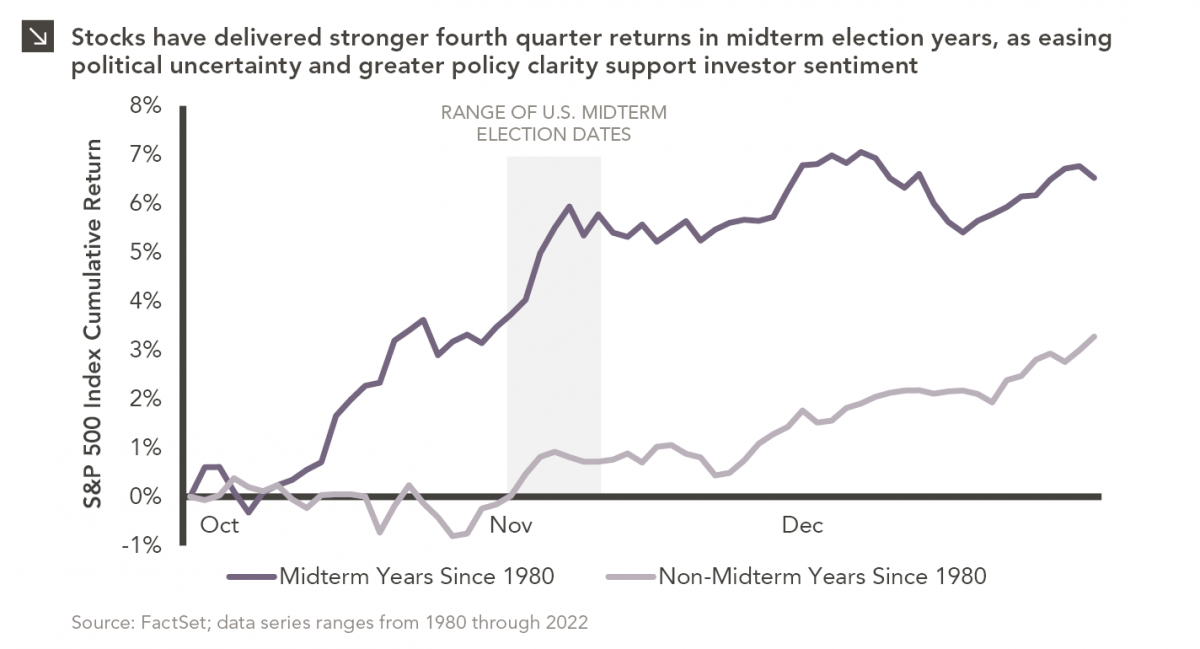
10.19.2026
Since 1980, the S&P 500 Index has generally performed well in the weeks surrounding U.S. midterm elections. Specifically, the index…
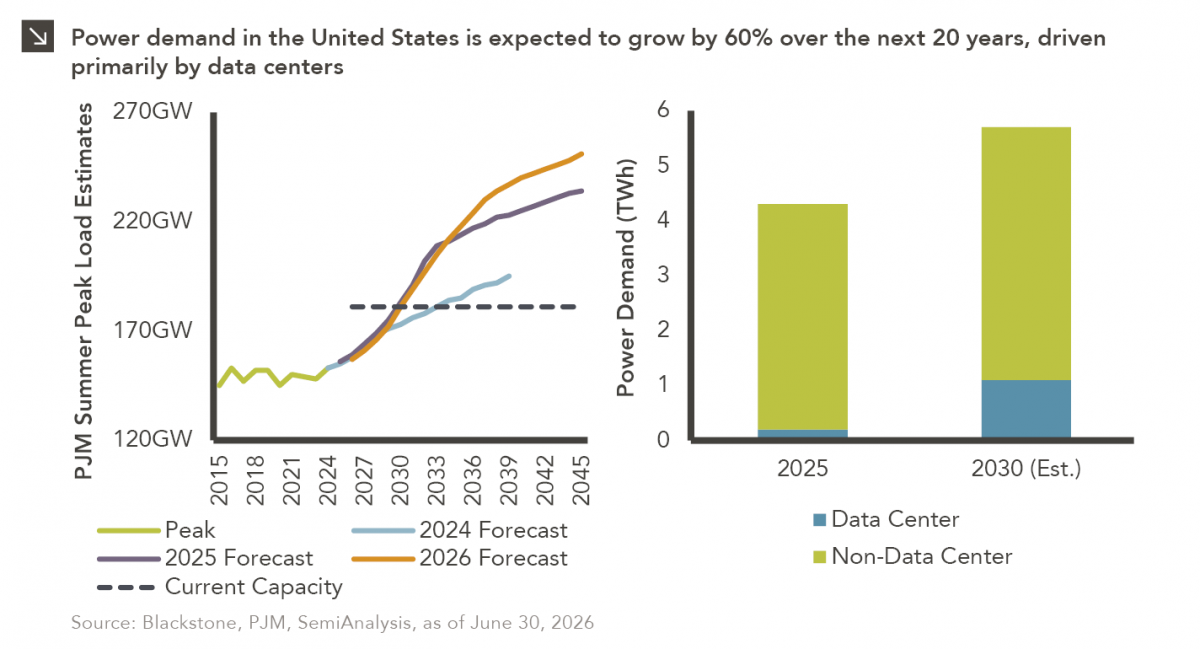
10.12.2026
This week’s chart highlights the accelerating growth of electricity demand in the U.S., which has been driven primarily by the…
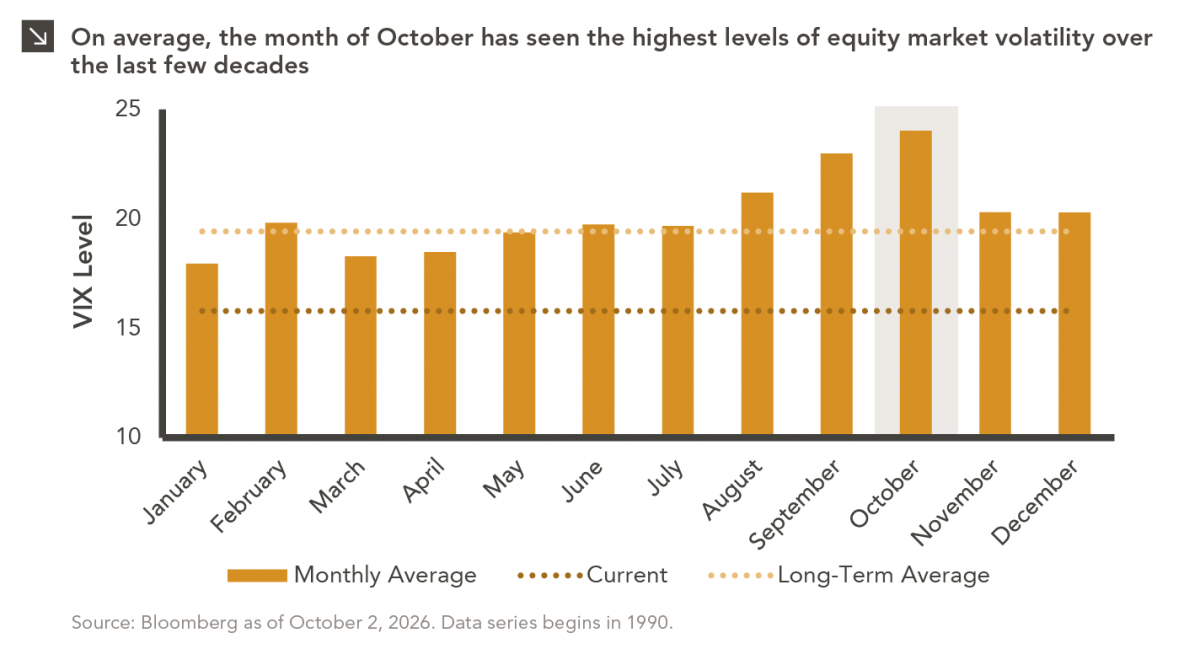
10.05.2026
For investors, the spookiest thing about October might not be the ghosts and monsters that are bound to show up…
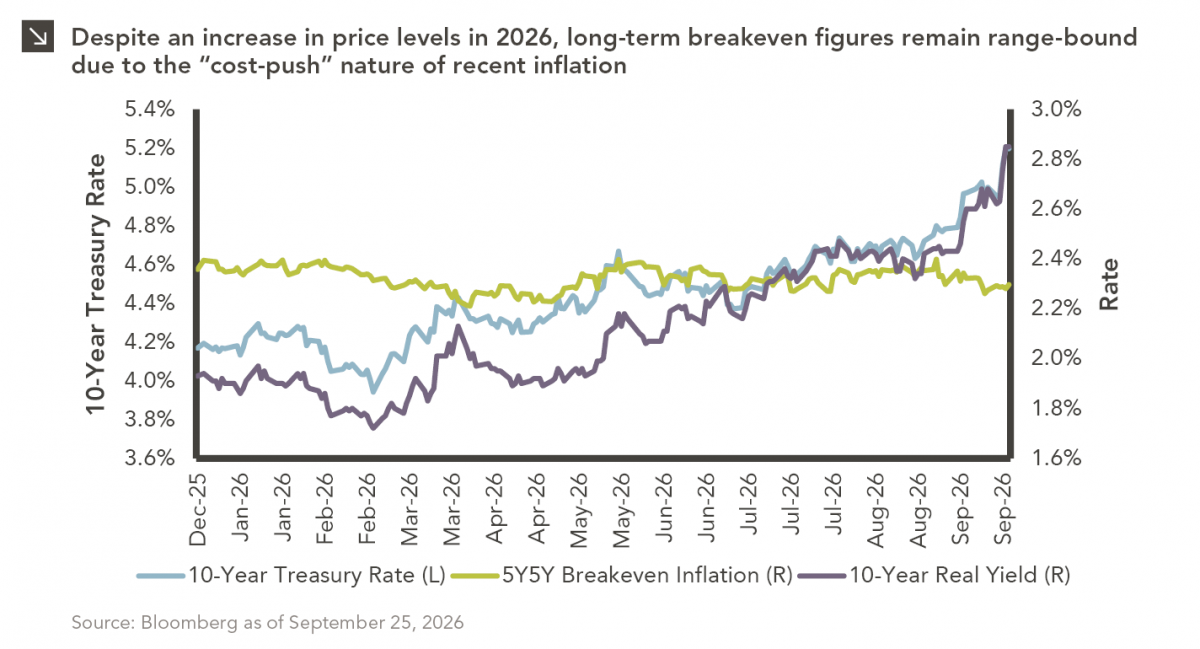
09.28.2026
The phrase “expectations of higher inflation” has become a staple in financial news to explain the increase in nominal U.S….
Research alerts keep you updated on our latest research publications. Simply enter your contact information, choose the research alerts you would like to receive and click Subscribe. Alerts will be sent as research is published.
We respect your privacy. We will never share or sell your information.
If you have questions or need further information, please contact us directly and we will respond to your inquiry within 24 hours.
Contact Us >