James Torgerson
Senior Research Analyst


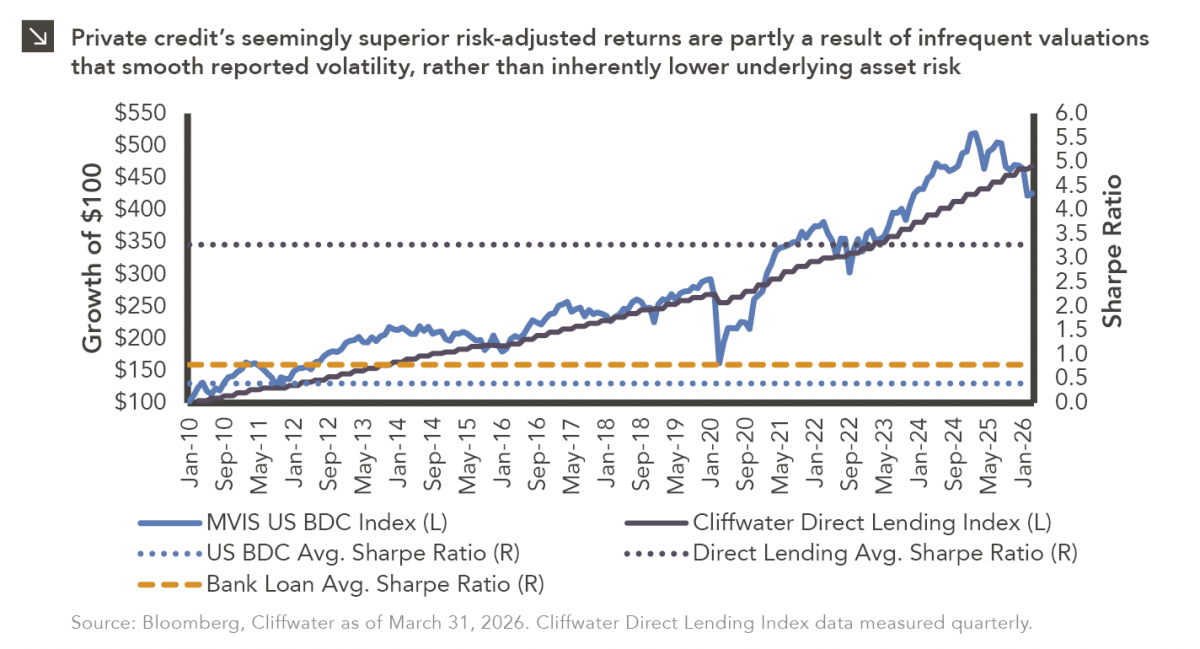
Hi, James Torgerson here! Volatility can be an unsightly blemish on portfolios and lead to inferior risk-adjusted returns. Private credit is just the thing investors need to launder away the pesky volatility that drags down Sharpe ratios! Those looking for an easy way to remove the stains of volatility from their portfolios should look no further! Call the number at the bottom of your screen now! Smoother portfolio returns await!
While the above may sound like a cheesy infomercial, an allocation to private credit can indeed provide numerous benefits, including an income premium, stricter covenants, and attractive long-term returns. Additionally, the frequency with which private credit portfolios are marked (primarily monthly or quarterly) can lead to smoother headline volatility and higher risk-adjusted returns when compared to public credit.
While there is no publicly traded private credit index, listed Business Development Companies (BDCs) can be used as a proxy for the asset class. Listed BDCs are exchange-traded investment vehicles that hold private loans to small-to-mid-sized companies and can offer insights into the differences between the stated volatility of public and private credit portfolios. The chart above shows the cumulative returns for both the publicly listed MVIS US BDC (which is valued on a daily basis) and the Cliffwater Direct Lending (which is valued on a quarterly basis) indices. Additionally, the chart shows the Sharpe ratios (i.e., risk-adjusted returns) for these indices, as well as that of bank loans, which are often used as another proxy for direct lending. While the cumulative returns for the BDC and direct lending indices are directionally similar, the publicly traded BDC index exhibits significantly more volatility than the private index (even though the underlying assets are relatively similar in terms of credit risk). Further, when measured from the beginning of 2010 through the end of March, the Sharpe ratio of the direct lending index is 3.3, while the publicly traded BDC and leveraged loan indices show Sharpe ratios of 0.4 and 0.8, respectively, for that time period. Clearly, by listing privately and employing a valuation lag, private credit is able to launder away a significant percentage of a portfolio’s volatility.
To be clear, private credit likely has a place in many institutional portfolios, and it is important to remember that the asset class is comprised of much more than just direct lending. However, as the asset class continues to grow and retail investor participation increases, readers should be aware that lower private credit fund-level volatility does not necessarily mean lower volatility of underlying assets.
Print PDF
The opinions expressed herein are those of Marquette Associates, Inc. (“Marquette”), and are subject to change without notice. This material is not financial advice or an offer to purchase or sell any product. Marquette reserves the right to modify its current investment strategies and techniques based on changing market dynamics or client needs.
10.19.2026
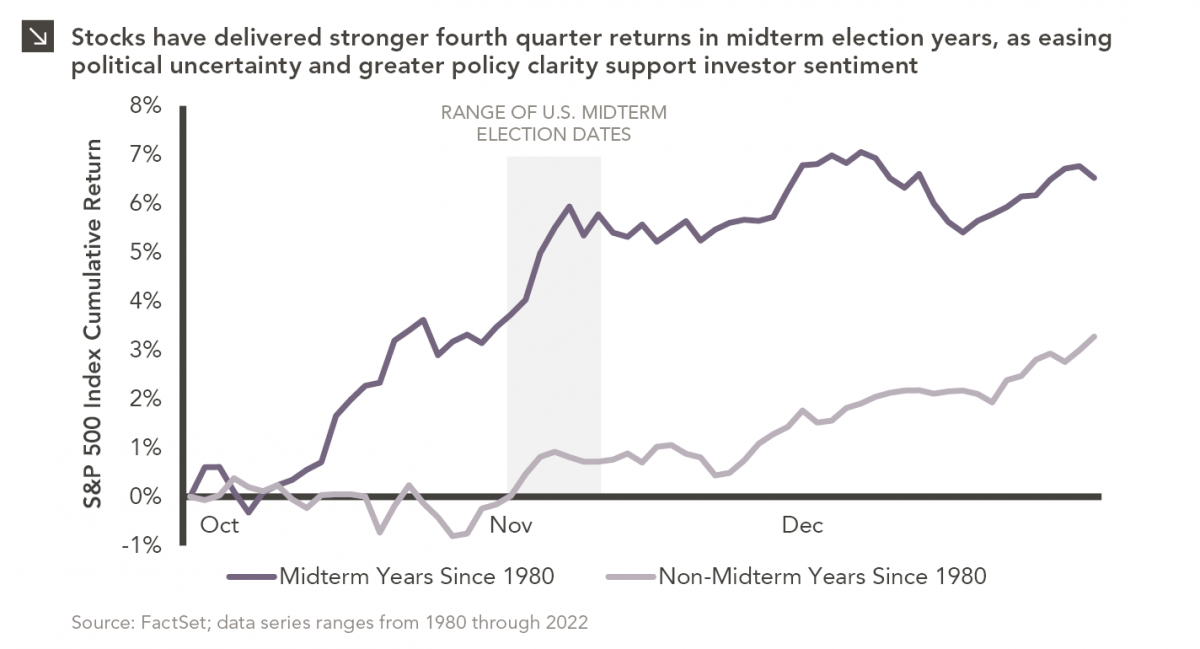
Since 1980, the S&P 500 Index has generally performed well in the weeks surrounding U.S. midterm elections. Specifically, the index…
10.12.2026
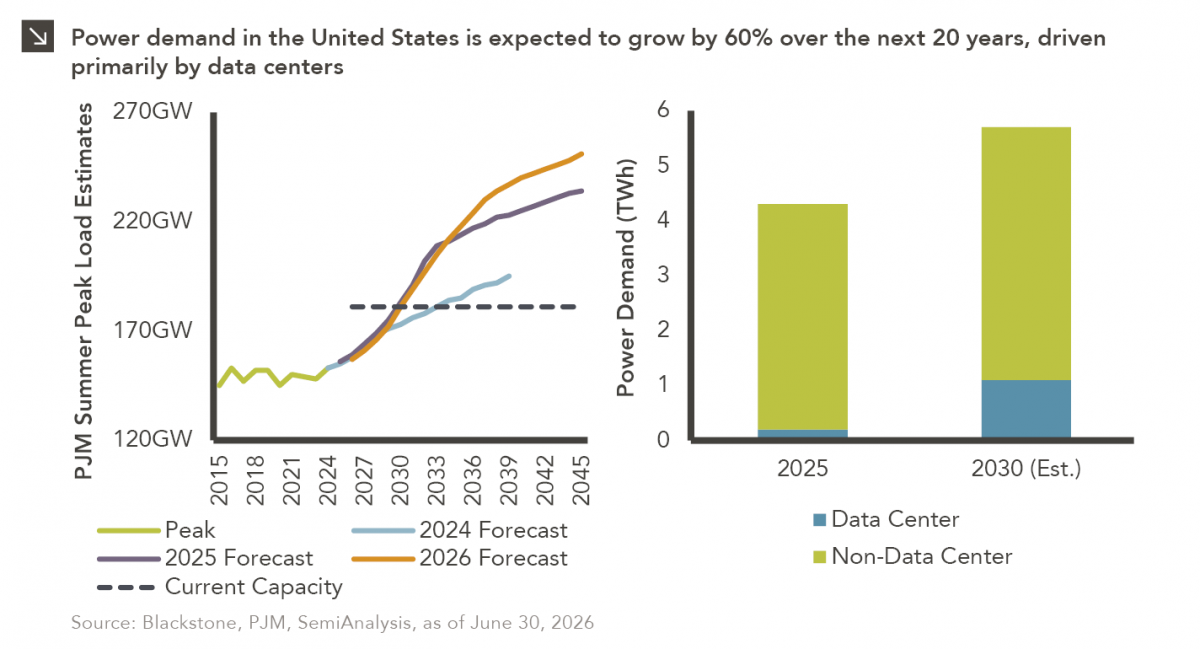
This week’s chart highlights the accelerating growth of electricity demand in the U.S., which has been driven primarily by the…

10.08.2026
LIVE WEBINAR — OCTOBER 22 Please join Marquette’s research team for our 3Q 2026 Market Insights Webinar…
10.05.2026
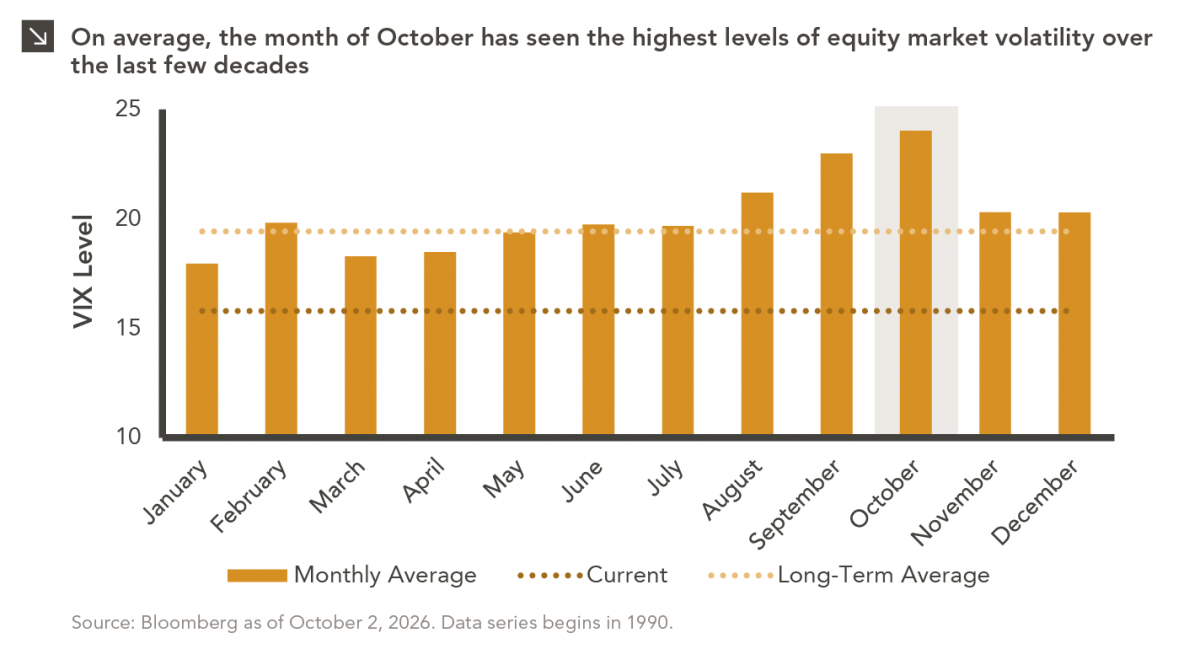
For investors, the spookiest thing about October might not be the ghosts and monsters that are bound to show up…
09.28.2026
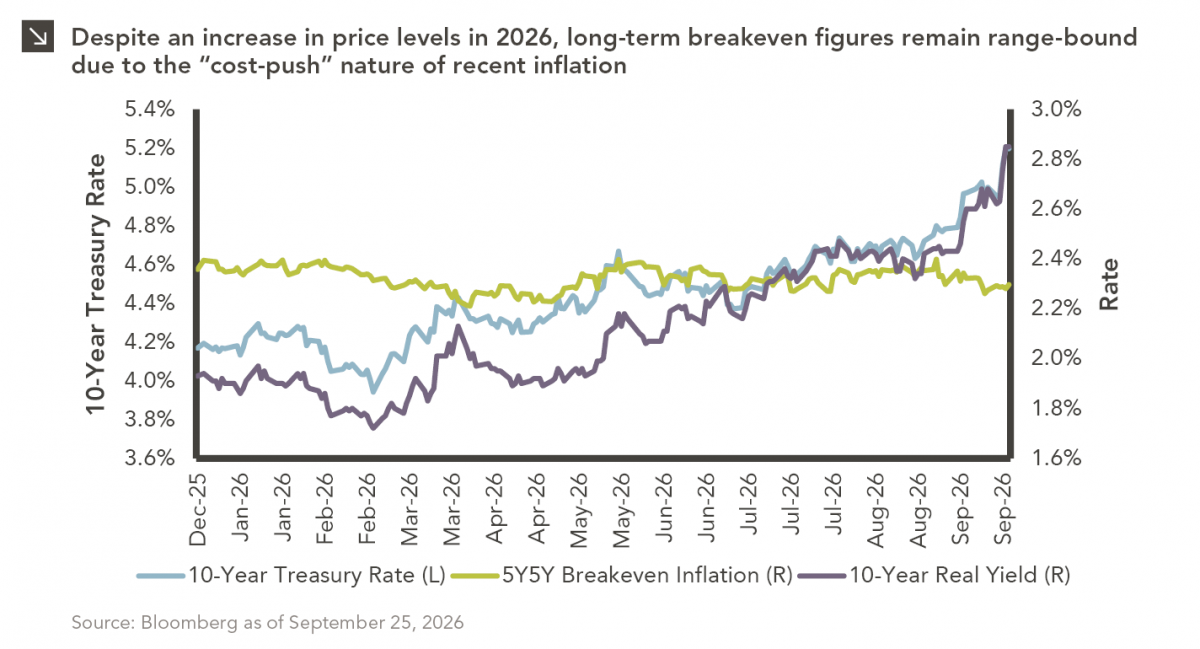
The phrase “expectations of higher inflation” has become a staple in financial news to explain the increase in nominal U.S….
09.21.2026
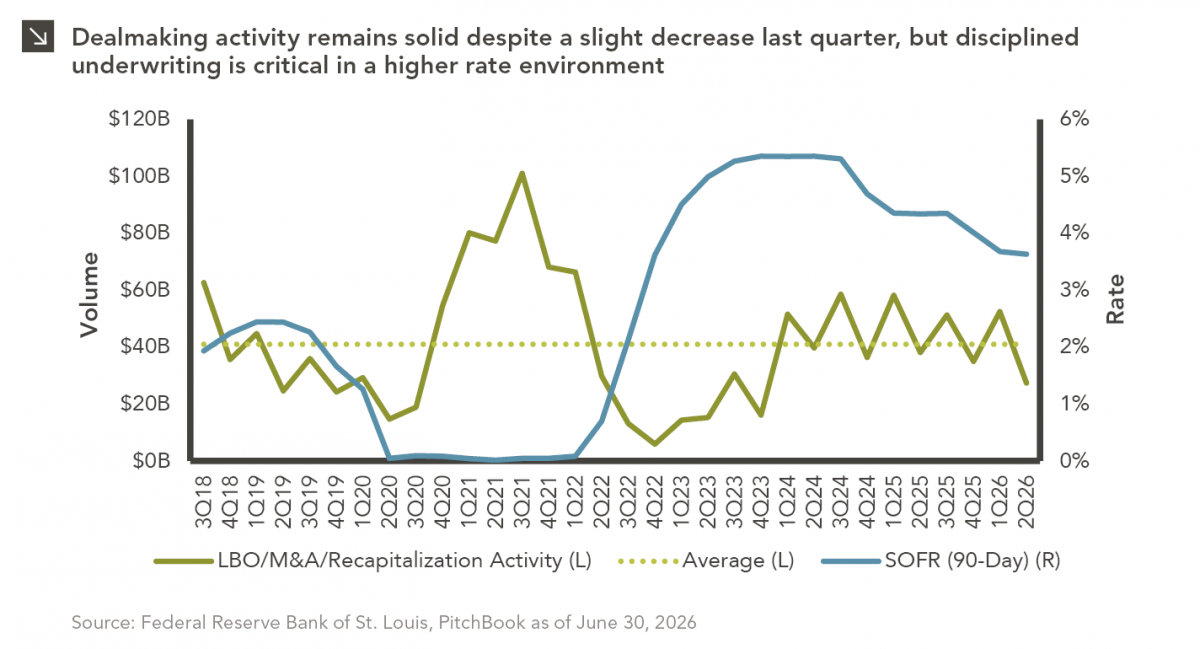
For much of the past several years, the conventional view has been that higher interest rates and stretched valuations would…
Research alerts keep you updated on our latest research publications. Simply enter your contact information, choose the research alerts you would like to receive and click Subscribe. Alerts will be sent as research is published.
We respect your privacy. We will never share or sell your information.
If you have questions or need further information, please contact us directly and we will respond to your inquiry within 24 hours.
Contact Us >