Evan Frazier, CFA, CAIA
Senior Research Analyst


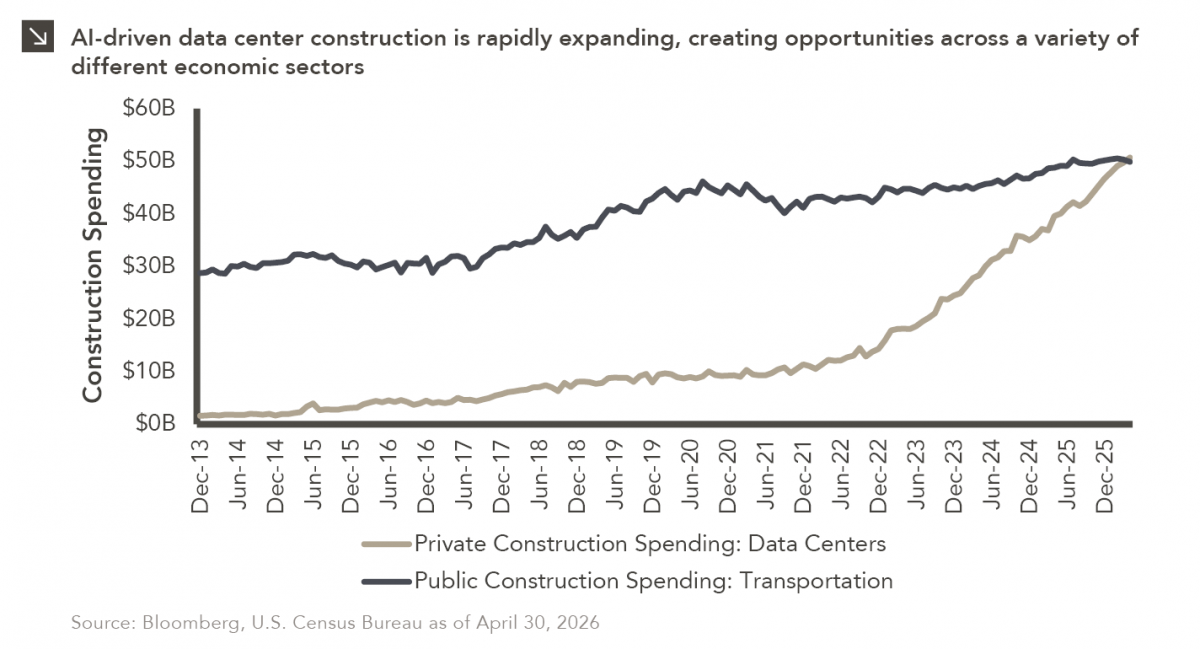
The rapid buildout of artificial intelligence infrastructure is reshaping the U.S. investment landscape. According to recent Census Bureau data, spending on data center construction surpassed $50 billion in April for the first time, rising more than 28% from a year earlier and reaching a level that now exceeds public spending on transportation-related initiatives. The scale of this growth is striking, as monthly spending on data center construction is roughly sixteen times higher than it was a decade ago and has nearly tripled since the emergence of generative AI in late 2022. What began as a niche segment of the commercial real estate space has evolved into one of the largest and fastest-growing categories of nonresidential construction, driven by hyperscale cloud providers and technology companies racing to expand computing capacity for AI workloads.
The implications of this trend extend far beyond the technology sector. Data center development is becoming a significant source of demand for construction labor, electrical equipment, power generation, semiconductors, cooling systems, and industrial commodities such as copper. At the same time, the unprecedented power requirements of AI infrastructure are creating new constraints around electricity generation, transmission capacity, and permitting. These dynamics have prompted policymakers and utility services companies to rethink long-term infrastructure planning. While some projects face delays due to power availability and construction bottlenecks, broader trends suggest that AI-related capital expenditures will remain a powerful driver of economic activity for years to come. For investors, the beneficiaries of these developments are likely to extend well beyond the large technology firms, encompassing a wide range of “picks-and-shovels” providers across the industrials, energy, and digital infrastructure sectors.
Print PDF
The opinions expressed herein are those of Marquette Associates, Inc. (“Marquette”), and are subject to change without notice. This material is not financial advice or an offer to purchase or sell any product. Marquette reserves the right to modify its current investment strategies and techniques based on changing market dynamics or client needs.
10.12.2026
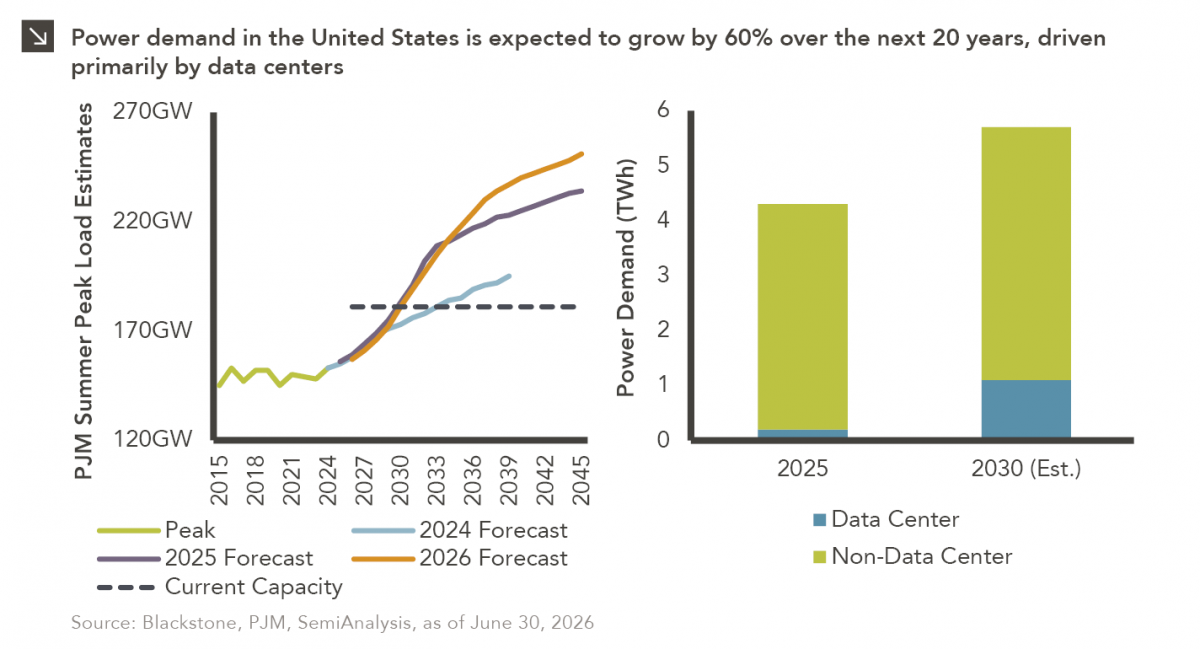
This week’s chart highlights the accelerating growth of electricity demand in the U.S., which has been driven primarily by the…

10.08.2026
LIVE WEBINAR — OCTOBER 22 Please join Marquette’s research team for our 3Q 2026 Market Insights Webinar…
10.05.2026
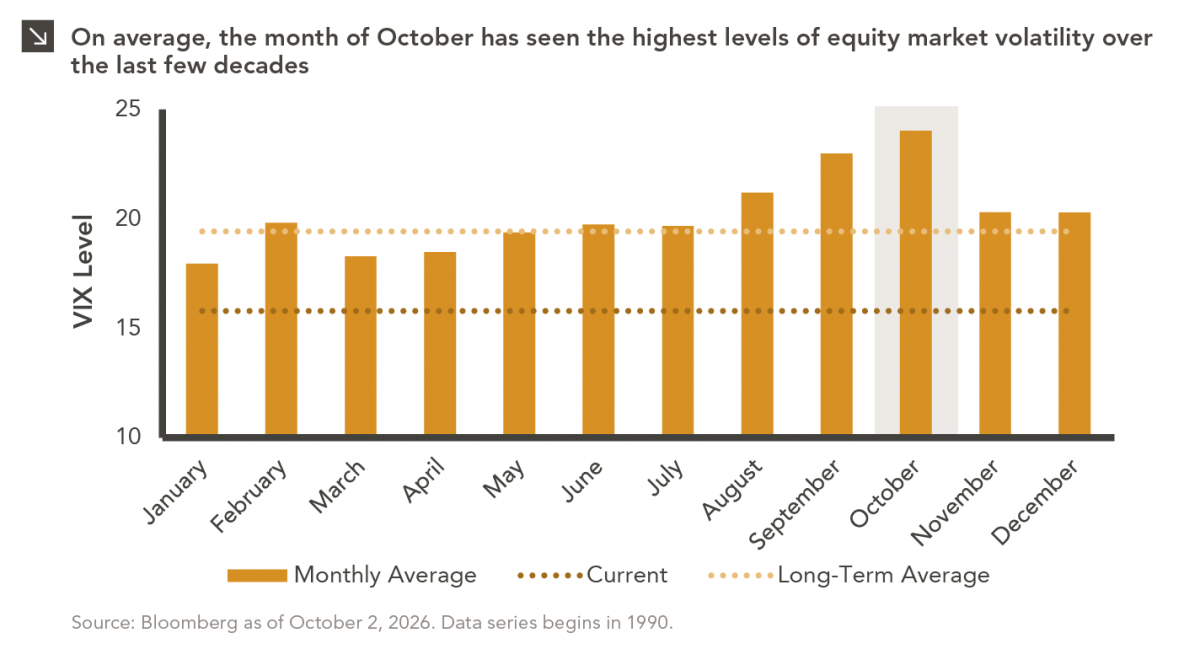
For investors, the spookiest thing about October might not be the ghosts and monsters that are bound to show up…
09.28.2026
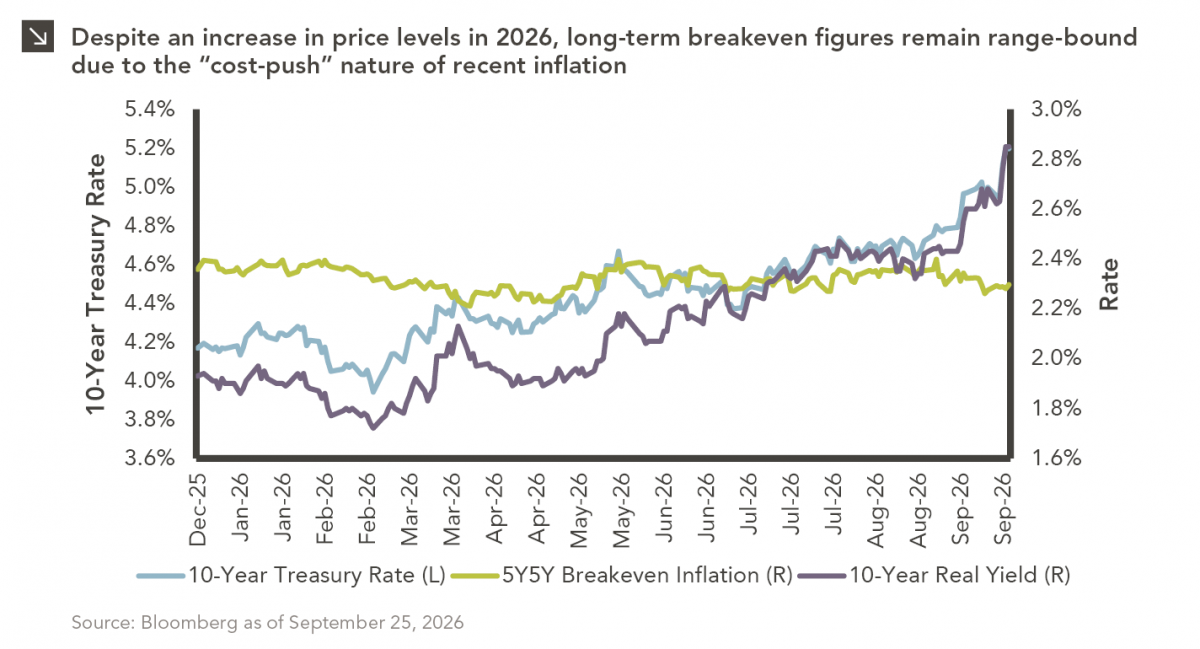
The phrase “expectations of higher inflation” has become a staple in financial news to explain the increase in nominal U.S….
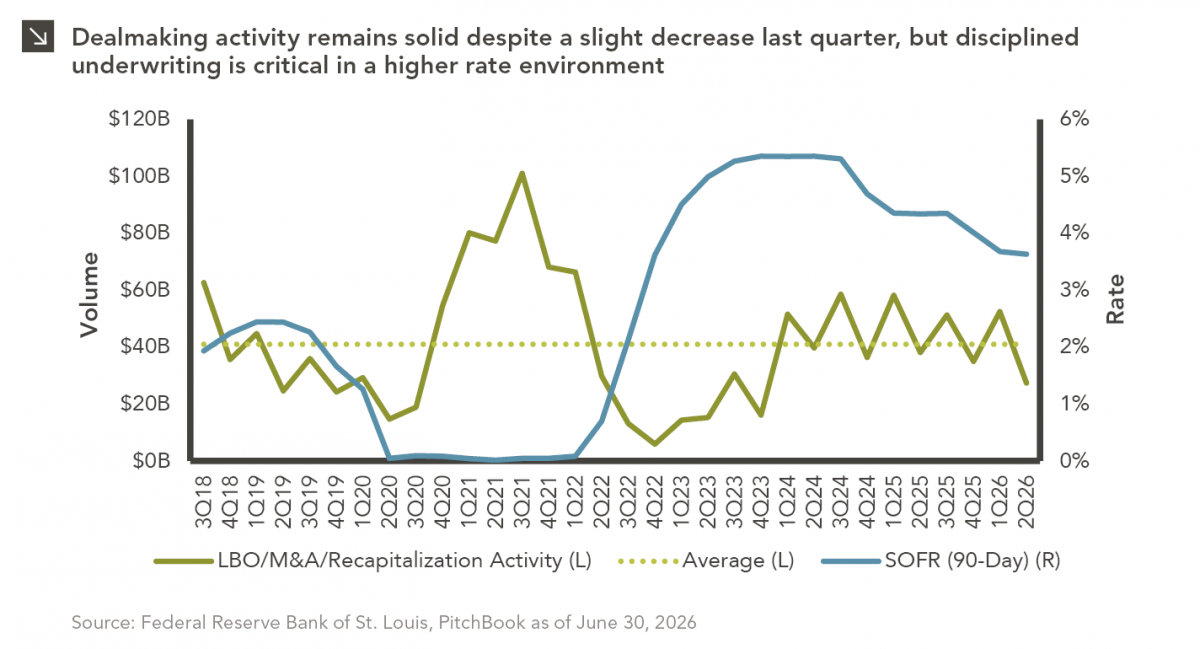
09.21.2026
For much of the past several years, the conventional view has been that higher interest rates and stretched valuations would…
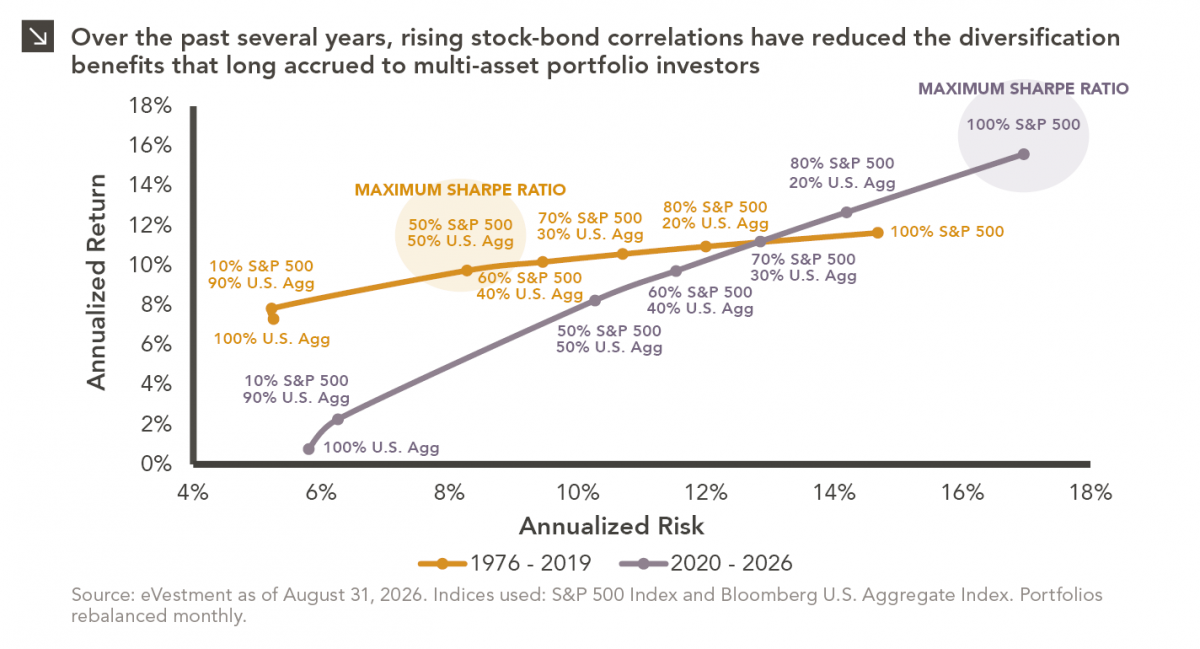
09.14.2026
There are many great things about working at Marquette Associates, but “Free Lunch Tuesday” is right at the top of…
Research alerts keep you updated on our latest research publications. Simply enter your contact information, choose the research alerts you would like to receive and click Subscribe. Alerts will be sent as research is published.
We respect your privacy. We will never share or sell your information.
If you have questions or need further information, please contact us directly and we will respond to your inquiry within 24 hours.
Contact Us >