10.08.2026
3Q 2026 Market Insights
This video is a recording of a live webinar held October 22 by Marquette’s research team analyzing the third quarter…


Recently, the California Public Employees’ Retirement System (CalPERS) announced its decision to completely shutter its hedge fund program. As a result of this news, investors have been asking whether hedge funds still deserve a spot in their portfolios. In this week’s Chart of the Week, we examine the efficacy of hedge funds compared to equity markets over the last 25 years. To do this, we compare the rolling 3-year Sharpe ratios of hedge funds (using the HFRI Fund Weighted Composite as a proxy) and equity markets (using the S&P 500 as a proxy). As a reminder, Sharpe ratios are a measure of risk-adjusted return, so a higher score represents a more attractive risk profile.
A comparison of the two indices suggests that recent hedge fund performance has been disappointing as the S&P 500 has delivered higher risk-adjusted returns over the last few years. However, most investors who have added hedge funds to their portfolios have done so to add diversification and new sources of alpha to their portfolios, so a comparison based on returns may not be entirely fair when comparing the equity market to hedge funds. Moreover, it is critical to note that the last five years have featured an impressive bull market that will naturally outpace hedge funds, which endeavor to create more attractive risk-adjusted returns by utilizing various strategies designed to limit downside risk, but also limit upside potential in times of bull markets.
So while hedge funds may surrender some return in times of significant market rallies, they can be expected to offer protection from market corrections, which are a part of every market cycle. Over the long term, the graph shows that hedge funds have indeed delivered higher risk-adjusted returns, in spite of the recent dip. Given the long-term cyclical nature of the market, when equities exhibit a correction, hedge funds should see a shift in relative performance, and once again demonstrate their utility to investors.
The opinions expressed herein are those of Marquette Associates, Inc. (“Marquette”), and are subject to change without notice. This material is not financial advice or an offer to purchase or sell any product. Marquette reserves the right to modify its current investment strategies and techniques based on changing market dynamics or client needs.

10.08.2026
This video is a recording of a live webinar held October 22 by Marquette’s research team analyzing the third quarter…

10.22.2026
Anyone who has run a marathon knows the last six miles are brutal — no matter how well the first…
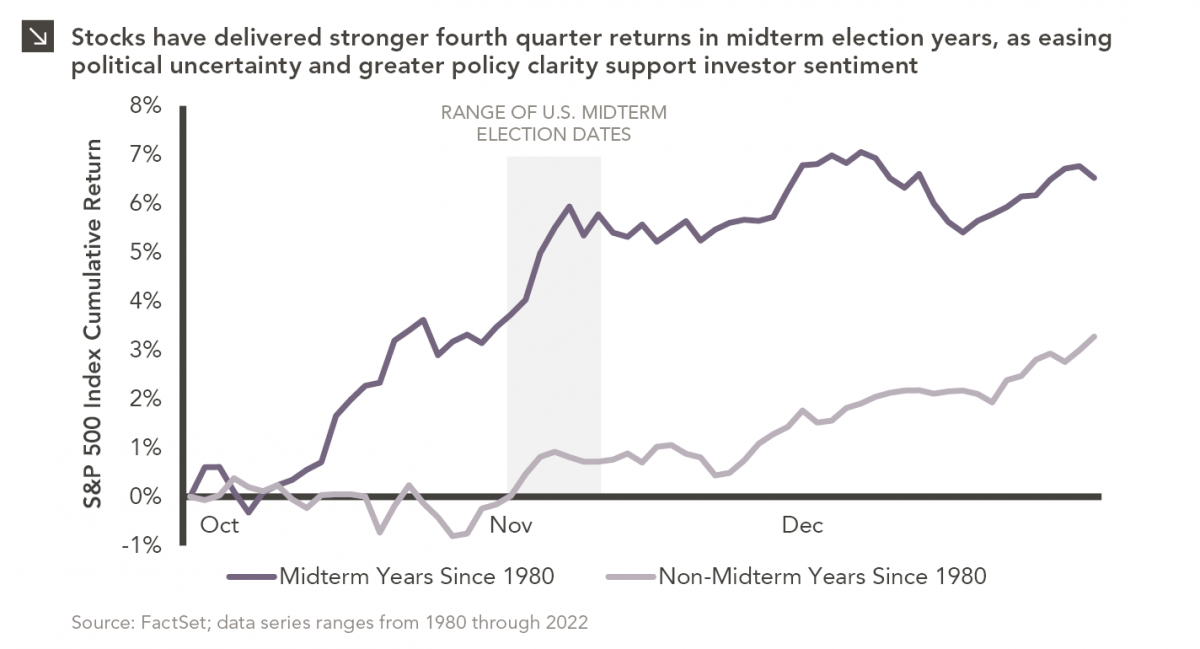
10.19.2026
Since 1980, the S&P 500 Index has generally performed well in the weeks surrounding U.S. midterm elections. Specifically, the index…
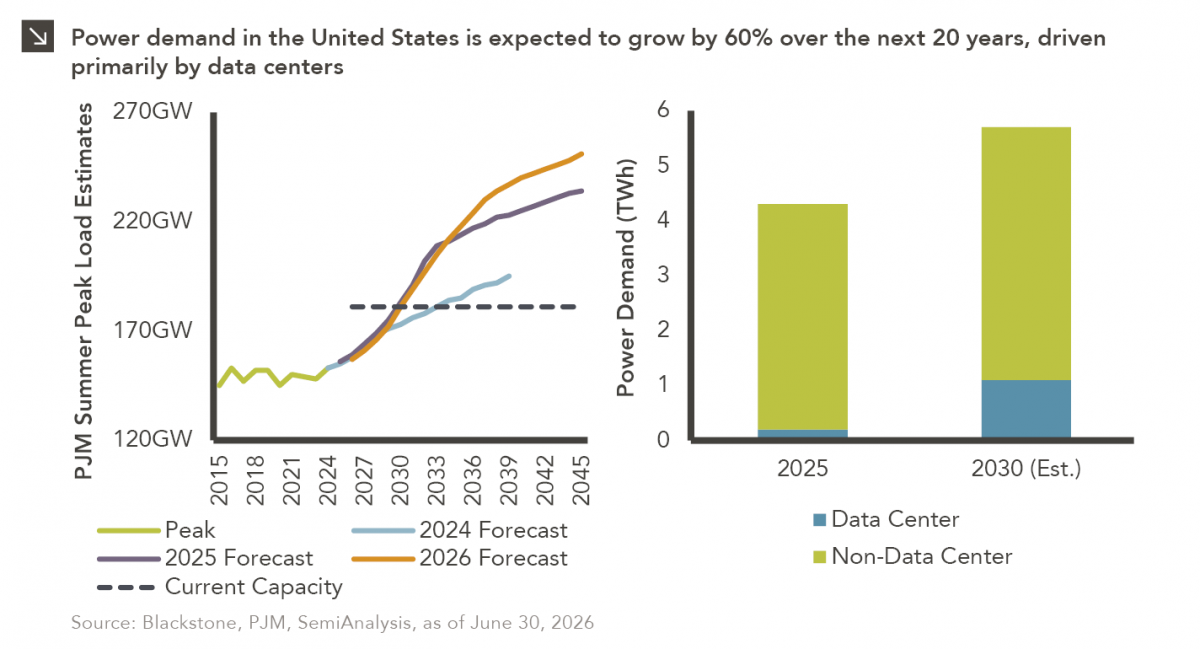
10.12.2026
This week’s chart highlights the accelerating growth of electricity demand in the U.S., which has been driven primarily by the…
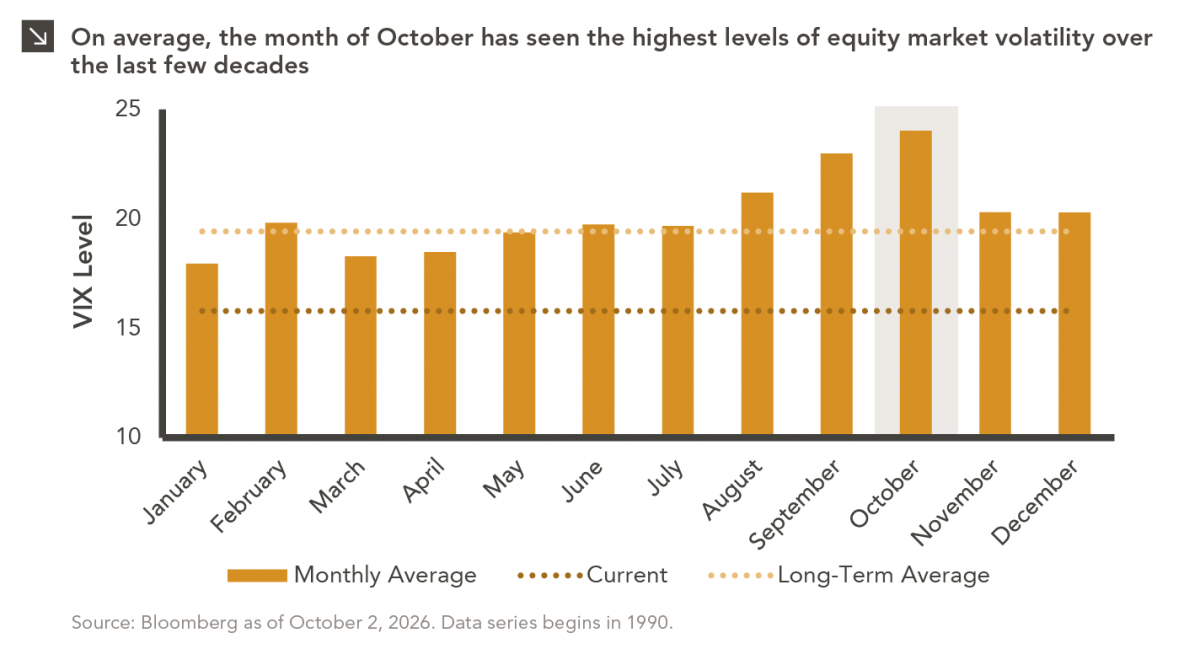
10.05.2026
For investors, the spookiest thing about October might not be the ghosts and monsters that are bound to show up…
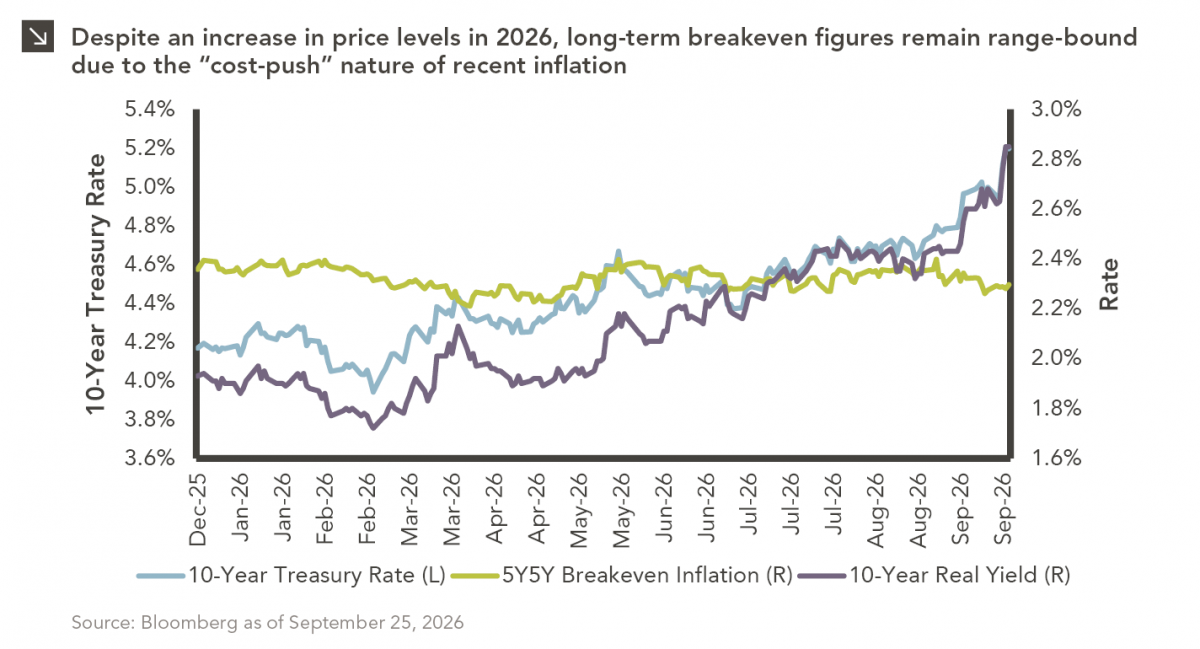
09.28.2026
The phrase “expectations of higher inflation” has become a staple in financial news to explain the increase in nominal U.S….
Research alerts keep you updated on our latest research publications. Simply enter your contact information, choose the research alerts you would like to receive and click Subscribe. Alerts will be sent as research is published.
We respect your privacy. We will never share or sell your information.
If you have questions or need further information, please contact us directly and we will respond to your inquiry within 24 hours.
Contact Us >