10.08.2026
3Q 2026 Market Insights
This video is a recording of a live webinar held October 22 by Marquette’s research team analyzing the third quarter…


As of January 2015, the headline unemployment rate (U-3) stood at 5.7%. Since hitting a recession high of 10% in October 2009, this headline rate has steadily fallen to pre-financial crisis levels. However, headline unemployment is but one of many measures used by the Bureau of Labor Statistics to gauge the health of the labor market since one single measure can’t possibly tell the whole story.
While the percentage of those officially counted as unemployed has fallen, that decrease also accounts for changes in the amount of those classified as marginally attached to the labor force (those who have stopped looking for work but still want a job) as well as workers employed part-time for economic reasons (those working part-time and unable to find full-time employment). The broadest measure of unemployment (U-6), which includes these two categories, was 11.3% in January.
Part-time workers as a percentage of the labor force have improved slightly over this time period, but not nearly as much as the headline rate has. There is a multitude of possible reasons for the increase and slower decline in part-time workers for economic reasons. Possible reasons include job-seekers lacking the skill sets that employers require, employers being more selective and/or hesitant to add new staff following the Financial Crisis, and the effect of the Affordable Care Act’s 30-hour threshold rule to be considered a full-time employee and receive health coverage. The trend of higher part-time workers as a percentage of the labor force bears watching as this may be part of a secular trend in the labor market.
The opinions expressed herein are those of Marquette Associates, Inc. (“Marquette”), and are subject to change without notice. This material is not financial advice or an offer to purchase or sell any product. Marquette reserves the right to modify its current investment strategies and techniques based on changing market dynamics or client needs.

10.08.2026
This video is a recording of a live webinar held October 22 by Marquette’s research team analyzing the third quarter…

10.22.2026
Anyone who has run a marathon knows the last six miles are brutal — no matter how well the first…
10.19.2026
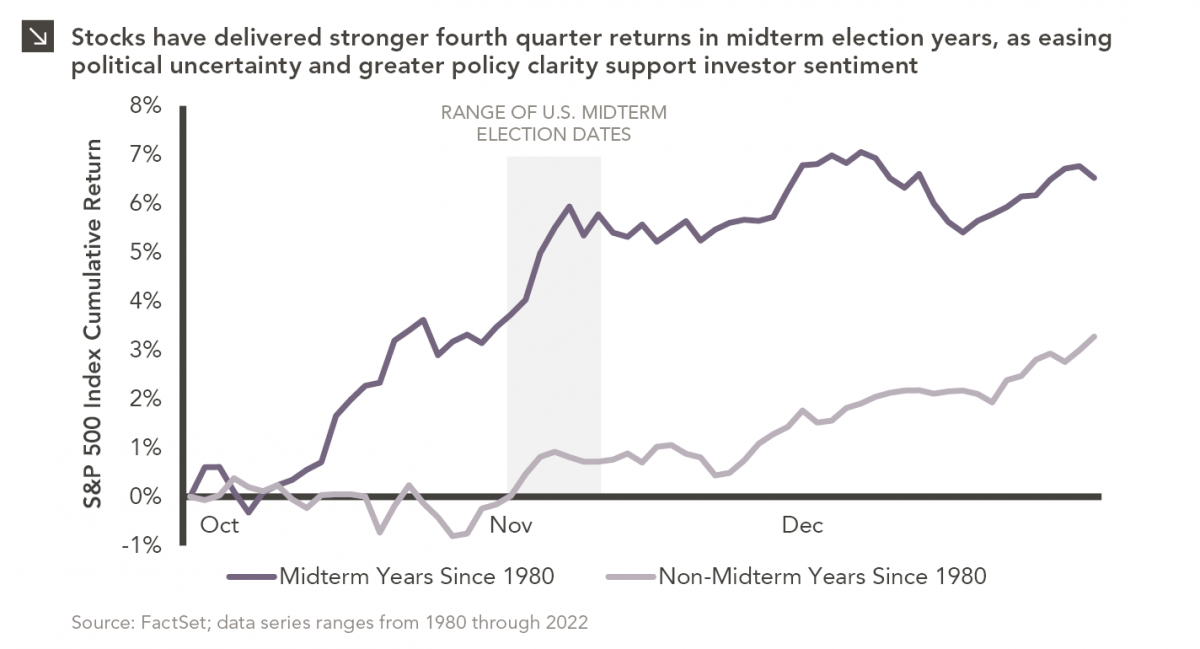
Since 1980, the S&P 500 Index has generally performed well in the weeks surrounding U.S. midterm elections. Specifically, the index…
10.12.2026
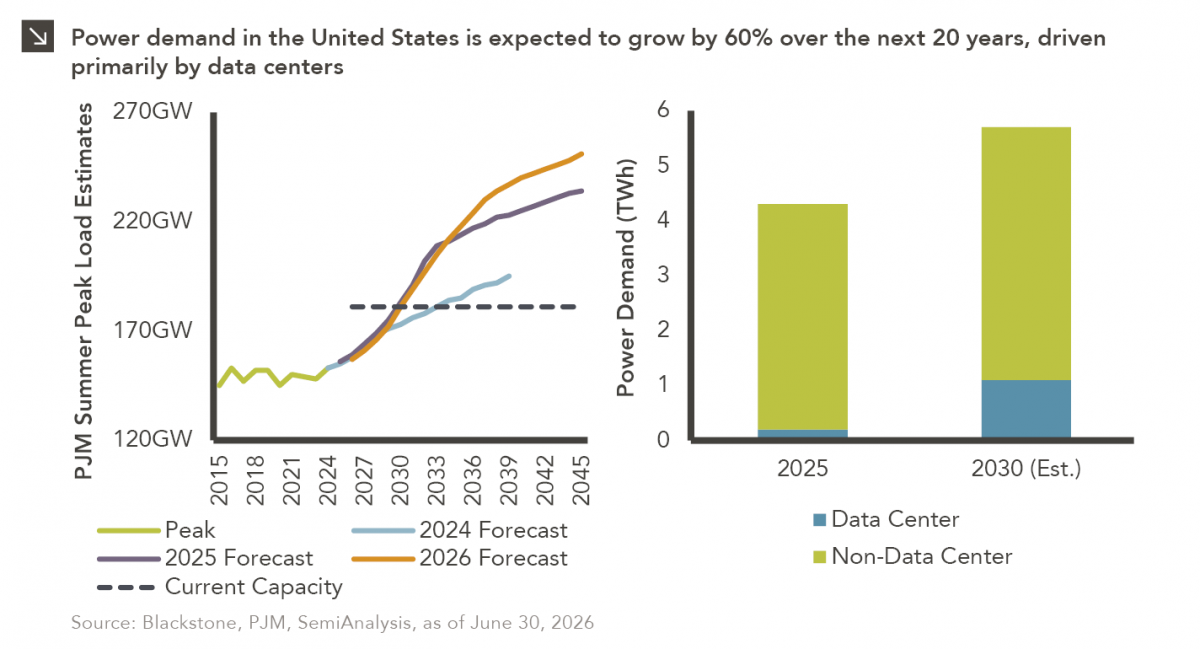
This week’s chart highlights the accelerating growth of electricity demand in the U.S., which has been driven primarily by the…
10.05.2026
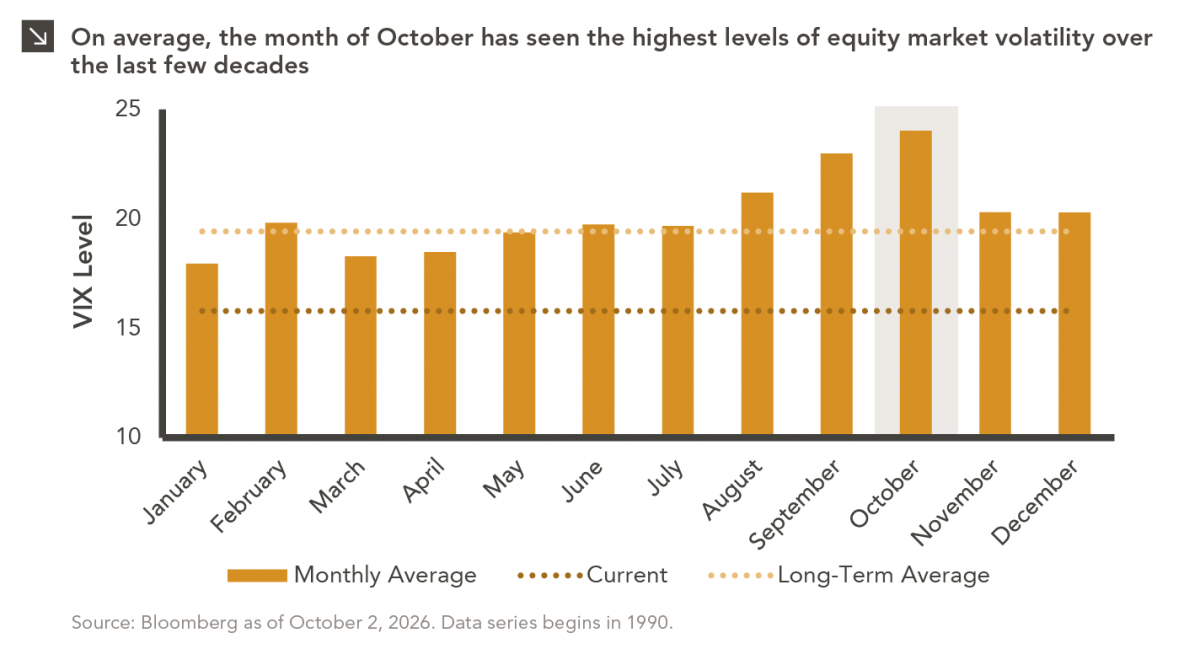
For investors, the spookiest thing about October might not be the ghosts and monsters that are bound to show up…
09.28.2026
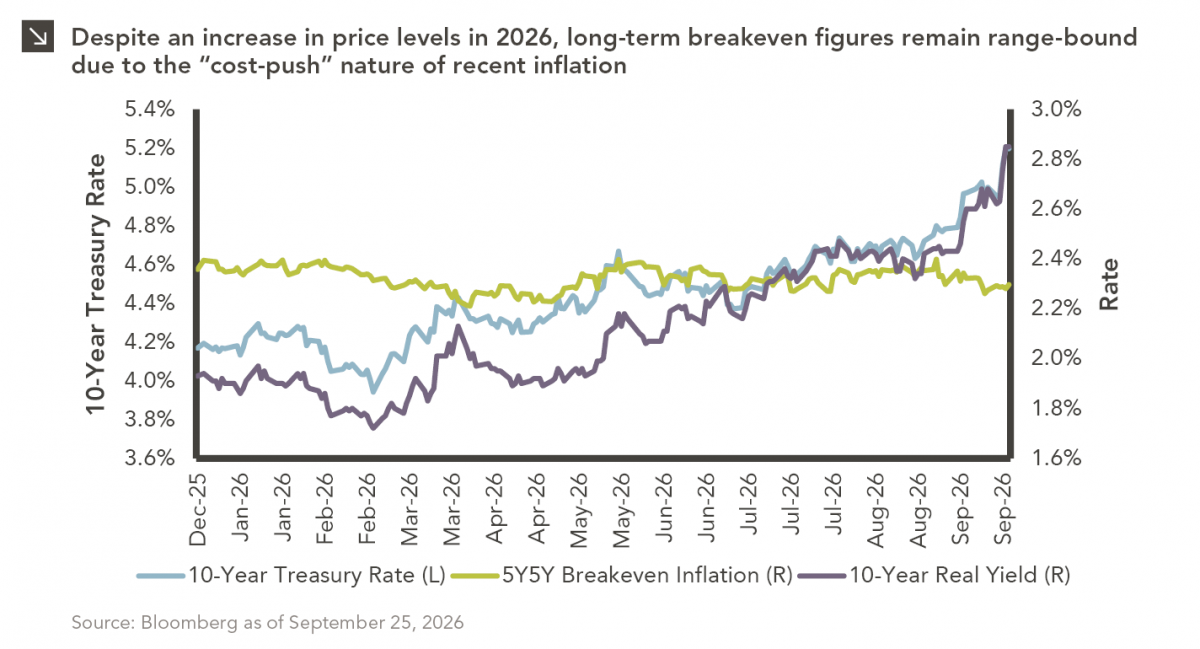
The phrase “expectations of higher inflation” has become a staple in financial news to explain the increase in nominal U.S….
Research alerts keep you updated on our latest research publications. Simply enter your contact information, choose the research alerts you would like to receive and click Subscribe. Alerts will be sent as research is published.
We respect your privacy. We will never share or sell your information.
If you have questions or need further information, please contact us directly and we will respond to your inquiry within 24 hours.
Contact Us >