10.08.2026
3Q 2026 Market Insights
This video is a recording of a live webinar held October 22 by Marquette’s research team analyzing the third quarter…


As the market and world-at-large were elated by Pfizer’s announcement of positive trial results for its COVID-19 vaccine this week, we all brace for a winter run of global lockdowns and extensive virus spread mitigation measures. In the last three weeks, a number of European countries have reimposed nationwide limitations. Notably, starting October 30th, France reinstituted its spring lockdown rules which restrict residents to their homes except for trips to buy essential goods, medical appointments, and one hour of physical activity. Germany’s “lockdown light” began on November 2nd, closing all bars, restaurants, and theaters and limiting access to retail shops, though schools remain open. And within the U.S., we have seen several states roll out pandemic constraints as well, including Illinois, Maryland, and Washington.
This chart provides a quick snapshot of COVID-19 case tallies as of November 12th. Soberingly, these figures are rising at a pace much faster than the initial wave. We have seen how the spring cases and restrictions hampered productivity and brought a few nations into recessionary territory. In October, the IMF released revised global GDP growth estimates that were mildly positive, reducing the estimate from -4.9% to -4.4% on the back of eased summer restrictions and an influx of fiscal stimulus. While it is expected that fiscal stimulus measures will continue and could dampen the economic blow, global growth will remain depressed for 2020 and into 2021 as we work through this second wave.
Print PDF > Welcome to Lockdown 2.0
The opinions expressed herein are those of Marquette Associates, Inc. (“Marquette”), and are subject to change without notice. This material is not financial advice or an offer to purchase or sell any product. Marquette reserves the right to modify its current investment strategies and techniques based on changing market dynamics or client needs.

10.08.2026
This video is a recording of a live webinar held October 22 by Marquette’s research team analyzing the third quarter…

10.22.2026
Anyone who has run a marathon knows the last six miles are brutal — no matter how well the first…
10.19.2026
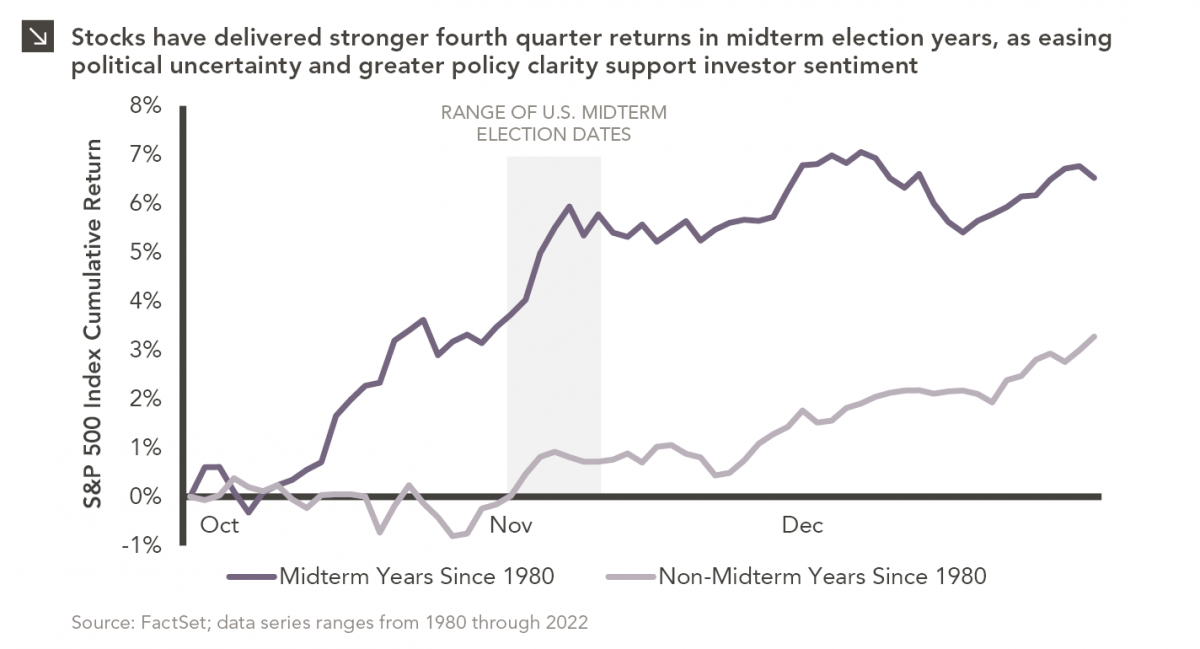
Since 1980, the S&P 500 Index has generally performed well in the weeks surrounding U.S. midterm elections. Specifically, the index…
10.12.2026
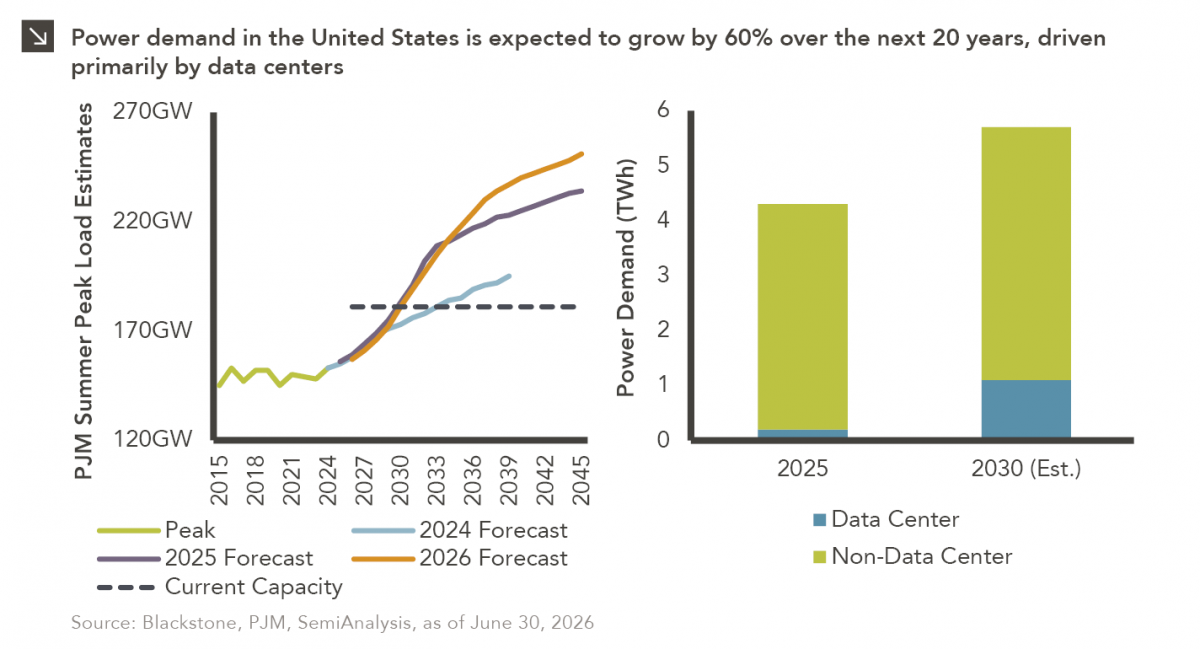
This week’s chart highlights the accelerating growth of electricity demand in the U.S., which has been driven primarily by the…
10.05.2026
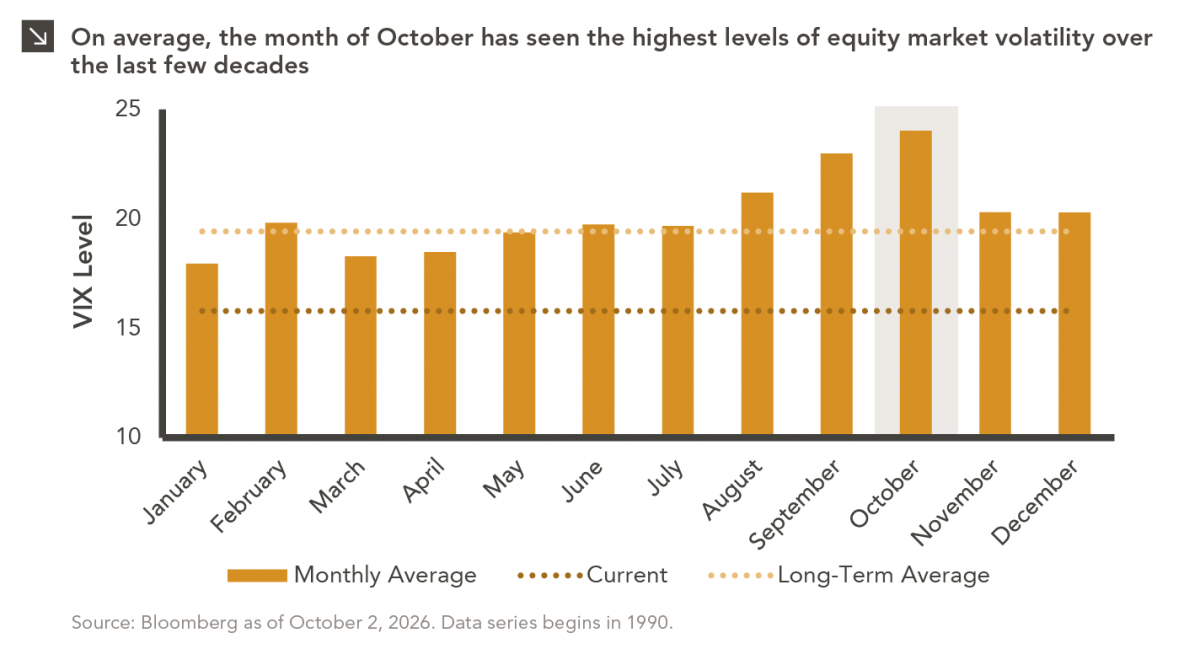
For investors, the spookiest thing about October might not be the ghosts and monsters that are bound to show up…
09.28.2026
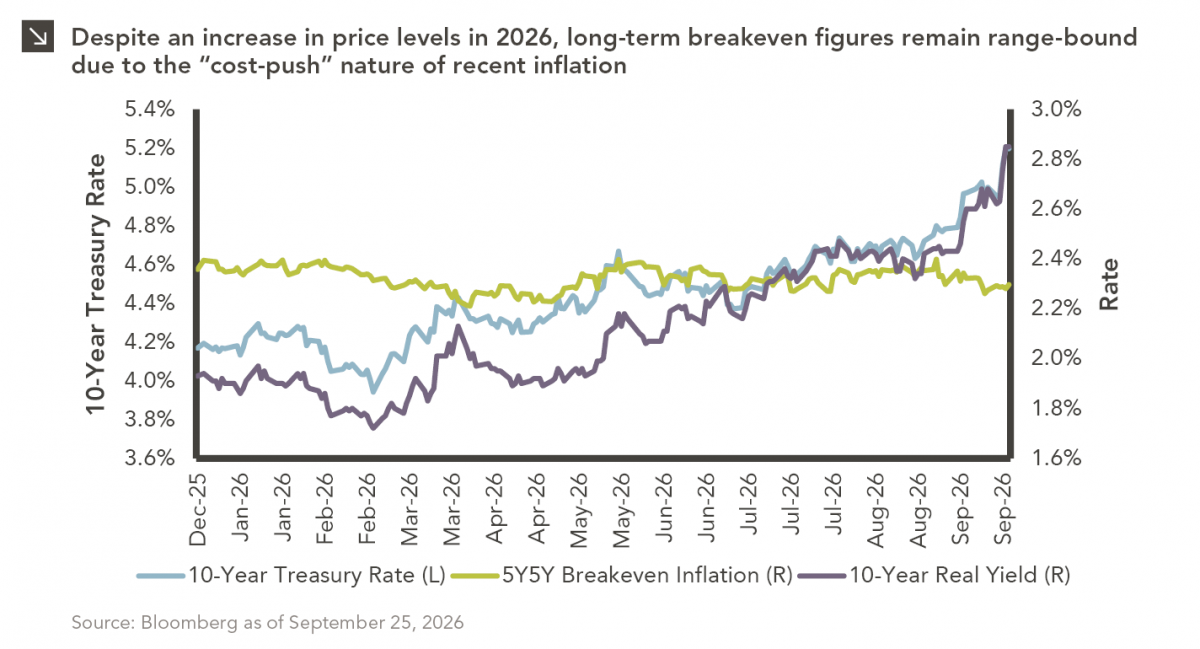
The phrase “expectations of higher inflation” has become a staple in financial news to explain the increase in nominal U.S….
Research alerts keep you updated on our latest research publications. Simply enter your contact information, choose the research alerts you would like to receive and click Subscribe. Alerts will be sent as research is published.
We respect your privacy. We will never share or sell your information.
If you have questions or need further information, please contact us directly and we will respond to your inquiry within 24 hours.
Contact Us >