The Divided States of ESG

September 29, 2025 | David Lewandowski, Research Analyst, Sustainable Investing

Map showing ESG legislation by state and status as of September 2025.

Trifecta status for a state exists when a single political party holds the governor’s seat and a majority in both chambers of the state legislature. In terms of Environmental, Social, and Governance (ESG) investing, most Republican trifectas and states with divided governments have enacted legislation opposing ESG measures in recent years, while Democratic trifectas have passed bills in favor of ESG. Specifically, 36 states have passed a total of 127 bills either supporting or opposing ESG initiatives since 2020. At the time of their enactment:

  • 60% of the bills were in opposition to ESG and from a Republican trifecta state
  • 25% of the bills were in support of ESG and from a Democratic trifecta state
  • 12% of the bills were in opposition to ESG and from states with a divided government

While the darkest shades of blue and red in this week’s chart represent the states with the highest number of enacted ESG bills, it is interesting to note that the states represented by the lightest shade of blue (CT, NJ, NM, NY, WA) are Democratic trifecta states that have not passed any ESG bills to date. Readers should also note that ESG investing is federally regulated by the Department of Labor and the Securities and Exchange Commission, with strict disclosure requirements for investment managers to substantiate any ESG-related claims.

Future ESG legislation will likely vary on a state-by-state basis based on political leadership, making upcoming elections particularly relevant. Election outcomes in politically divided states that have yet to adopt any ESG bills will be especially noteworthy when it comes to gauging sentiment. Upcoming gubernatorial races with potential ESG implications include New Jersey and Virginia later this year, as well as Alaska, Arizona, Michigan, Nevada, Vermont and Wisconsin in 2026.

Print PDF

David Lewandowski
Research Analyst, Sustainable Investing

Get to Know David

The opinions expressed herein are those of Marquette Associates, Inc. (“Marquette”), and are subject to change without notice. This material is not financial advice or an offer to purchase or sell any product. Marquette reserves the right to modify its current investment strategies and techniques based on changing market dynamics or client needs.
Related Content

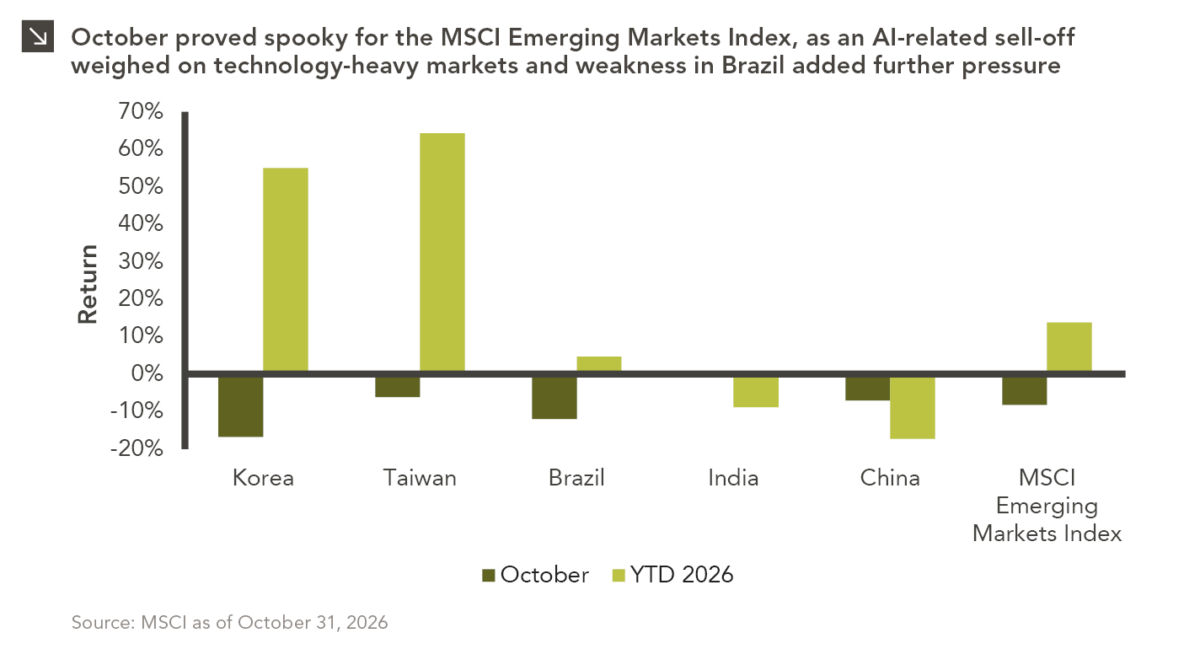
Bar chart comparing October and year-to-date 2026 returns for Korea, Taiwan, Brazil, India, China, and the MSCI Emerging Markets Index. October returns are below zero for most markets, while year-to-date returns range from negative to positive. For full dataset, please contact marquettemarketing@marquetteassociates.com.

11.02.2026

The Haunting of Emerging Markets

Emerging markets faced a challenging October, with the space declining by around 8.3% amid renewed concerns over the sustainability of…
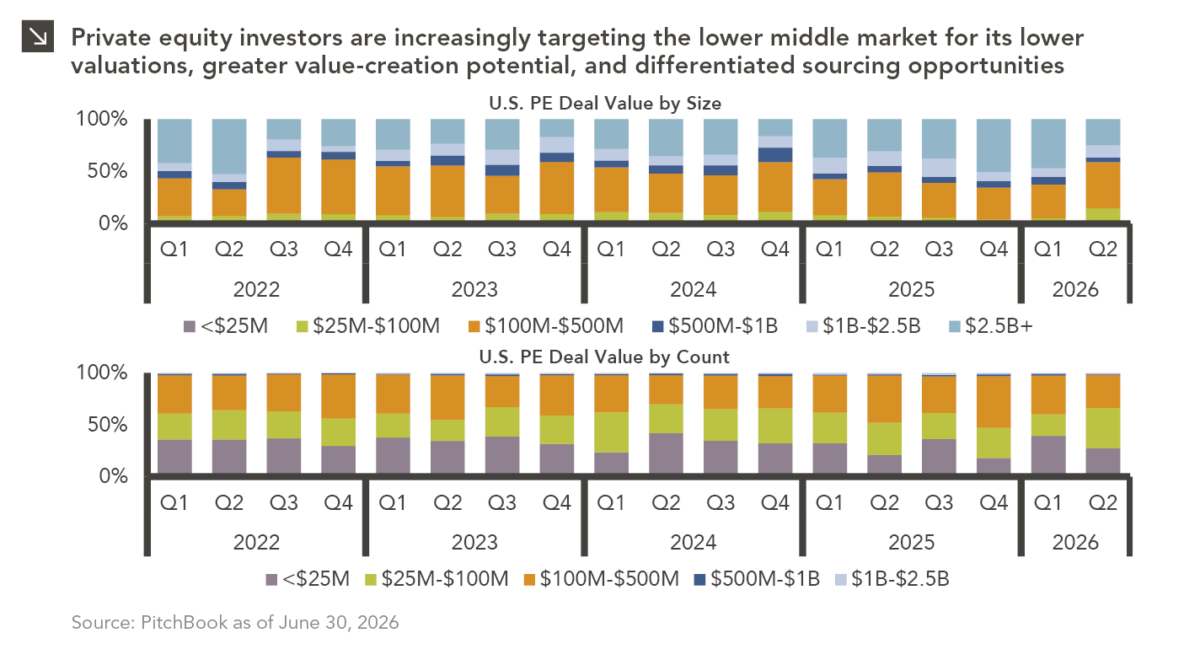
Stacked bar chart showing U.S. private equity deal value by deal size from Q1 2022 through Q2 2026. The y-axis shows percentage of total deal value from 0% to 100%, and the x-axis shows quarters by year. Stacked bar chart showing the percentage of U.S. private equity deal count by deal size from Q1 2022 through Q2 2026. The y-axis ranges from 0% to 100%, and the x-axis shows quarters by year. For full dataset, please contact marquettemarketing@marquetteassociates.com.

10.26.2026

Smaller Deals, Larger Appeal

Private equity activity is increasingly shifting toward smaller transactions, with total deal value for transactions of $100 million or less…
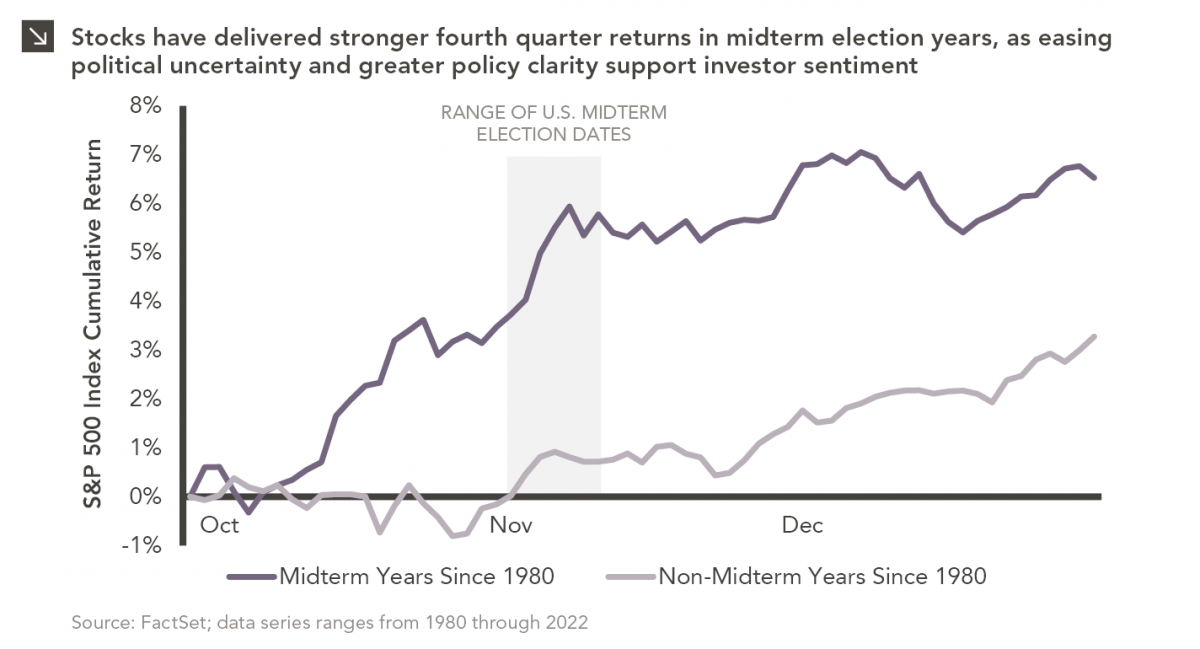
Line chart comparing S&P 500 Index cumulative returns for midterm and non-midterm election years since 1980. The x-axis shows October through December, and the y-axis shows S&P 500 Index cumulative return, ranging from -1% to 8%. For full dataset, please contact marquettemarketing@marquetteassociates.com.

10.19.2026

Divided We Rise?

Since 1980, the S&P 500 Index has generally performed well in the weeks surrounding U.S. midterm elections. Specifically, the index…
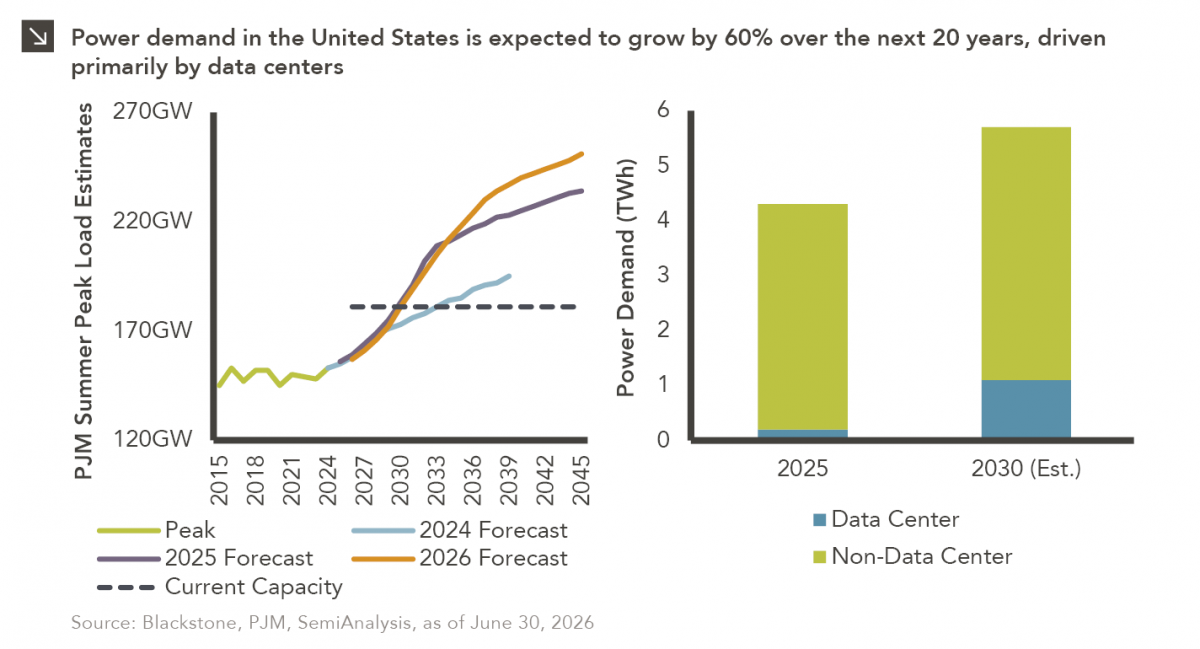
Chart #1 - Line chart showing PJM summer peak load estimates in gigawatts (GW) from 2015 to 2045. The chart compares historical peak load, current capacity, and forecasts from 2024, 2025, and 2026, showing projected demand rising above current capacity over time. Chart #2 - Stacked bar chart showing U.S. power demand in terawatt-hours (TWh) for 2025 and estimated demand in 2030. The chart compares data center and non-data center demand, showing total power demand increasing over the period.

10.12.2026

The Power Demand Supercycle

This week’s chart highlights the accelerating growth of electricity demand in the U.S., which has been driven primarily by the…
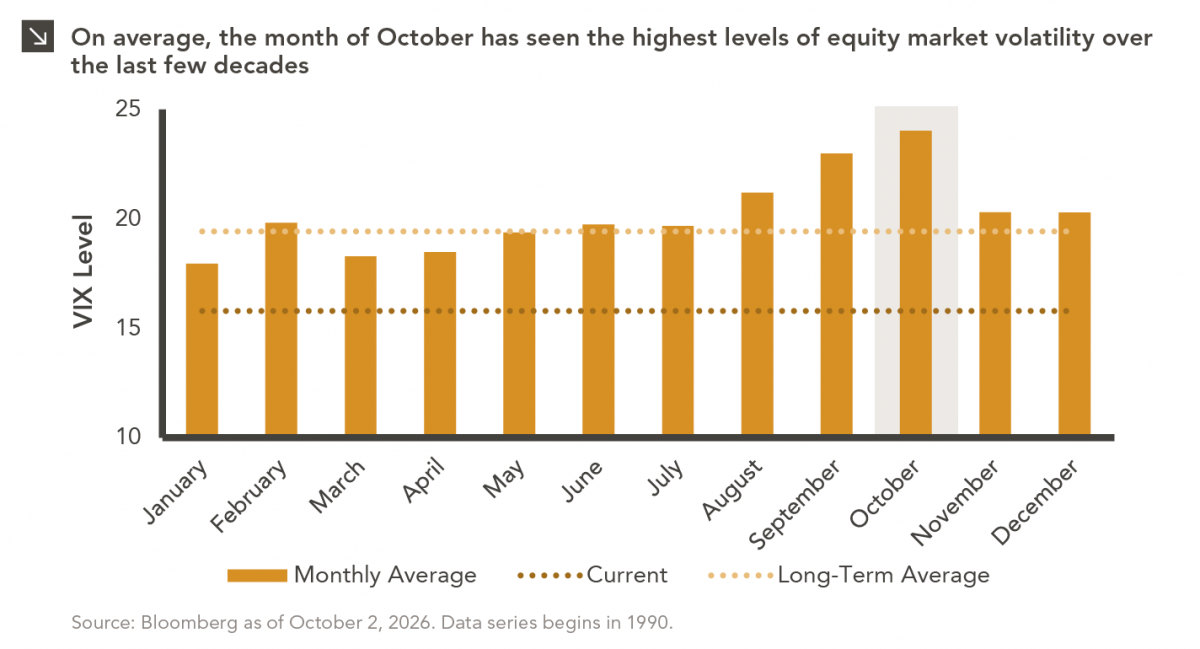
Bar chart showing average monthly VIX levels from 1990 through October 2026. The x-axis displays months of the year from January through December, and the y-axis displays VIX level. October has the highest average VIX level among all months, while April has the lowest. The chart also includes a current VIX level and a long-term average VIX level for comparison. Source: Bloomberg as of October 2, 2026. Data series begins in 1990. For full dataset, please contact marquettemarketing@marquetteassociates.com.

10.05.2026

Spooky Season

For investors, the spookiest thing about October might not be the ghosts and monsters that are bound to show up…
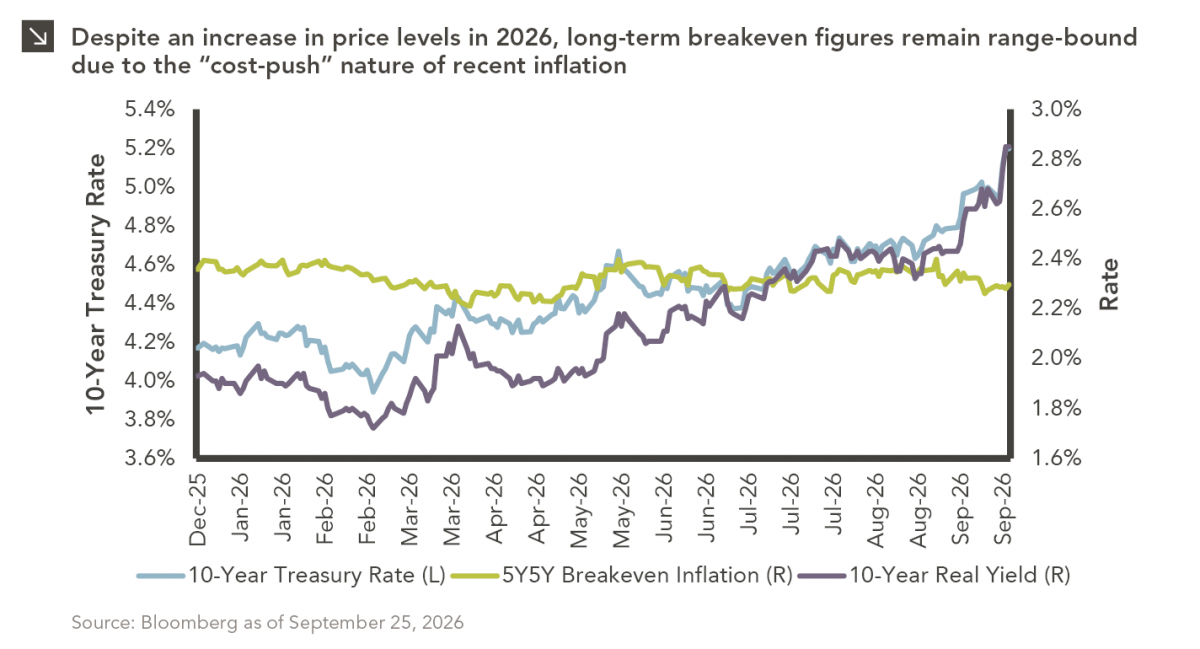
Line chart showing 10-year U.S. Treasury rate, 5-year/5-year breakeven inflation rate, and 10-year real yield from December 2025 through September 2026. The left axis shows rates from 3.6% to 5.4%, and the right axis from 1.6% to 3.0%. The Treasury rate and real yield rise notably in late 2026, while the breakeven inflation rate remains relatively range-bound around 2.3%–2.4%. For full dataset, please contact marquettemarketing@marquetteassociates.com.

09.28.2026

Getting Real on Inflation

The phrase “expectations of higher inflation” has become a staple in financial news to explain the increase in nominal U.S….

More articles

Subscribe to Research Email Alerts

Research Email Alert Subscription

Research alerts keep you updated on our latest research publications. Simply enter your contact information, choose the research alerts you would like to receive and click Subscribe. Alerts will be sent as research is published.

We respect your privacy. We will never share or sell your information.

Thank You

We appreciate your interest in Marquette Associates.

If you have questions or need further information, please contact us directly and we will respond to your inquiry within 24 hours.

Contact Us >