Evan Frazier, CFA, CAIA
Senior Research Analyst


Loyal readers of Marquette research publications are likely aware that a small handful of U.S. large-cap technology-oriented stocks, dubbed the “Magnificent 7,” has comprised an outsized portion of performance of the overall domestic equity market over the last several quarters. Specifically, Apple, Microsoft, Amazon, Alphabet, Nvidia, Meta, and Tesla have accounted for roughly 55% of the total cumulative return of the S&P 500 Index since the beginning of last year. Much of this performance has been fueled by the remarkable earnings growth exhibited by these companies since early 2023, which can be observed in this week’s chart. Readers will note the striking periods of 3Q23, 4Q23, and 1Q24, during each of which the Magnificent 7 posted year-over-year earnings growth of more than 50%. This is in stark contrast to the growth notched by the S&P 500 Index during those periods, which was never more than 8%. As a result of these dynamics, the Magnificent 7 stocks have surged to a combined weight of roughly 32% of the S&P 500 Index as of the time of this writing.
Many of the Magnificent 7 companies are set to report third quarter results later this week, and this basket of stocks is expected to post year-over-year earnings growth of more than 18% for the period (compared to roughly 4% for the S&P 500 Index as a whole). While outsized results like these are expected to continue into the fourth quarter, analysts expect a moderation of earnings growth for these high-flyers in 2025. Specifically, by the end of next year, consensus forecasts call for only a 3% differential between Magnificent 7 earnings growth and that of the S&P 500 Index. Investors may have already started to take note of these moderating expectations. To that point, since July 10, which represented the culmination of a 22% rally to begin 2024, the Bloomberg Magnificent 7 Index has fallen by roughly 2%. This performance figure lags that of every major S&P 500 Index sector during that time.
While the healthy forecasted earnings growth by the Magnificent 7 over the coming quarters should reassure investors that these businesses remain fundamentally sound, it is fair to question the extent to which these stocks will drive S&P 500 Index performance going forward. Investors should certainly expect more moderate returns, both on an absolute basis and relative to the broad market, from this cohort in the years ahead. Remaining broadly diversified across sectors, industries, and geographies, as well as thoughtful exposure to products (i.e., equal-weighted indices) that help mitigate market concentration risks where appropriate, are some tactics equity investors can use to navigate an environment of slowing earnings growth for the Magnificent 7.
Print PDF
The opinions expressed herein are those of Marquette Associates, Inc. (“Marquette”), and are subject to change without notice. This material is not financial advice or an offer to purchase or sell any product. Marquette reserves the right to modify its current investment strategies and techniques based on changing market dynamics or client needs.
10.12.2026
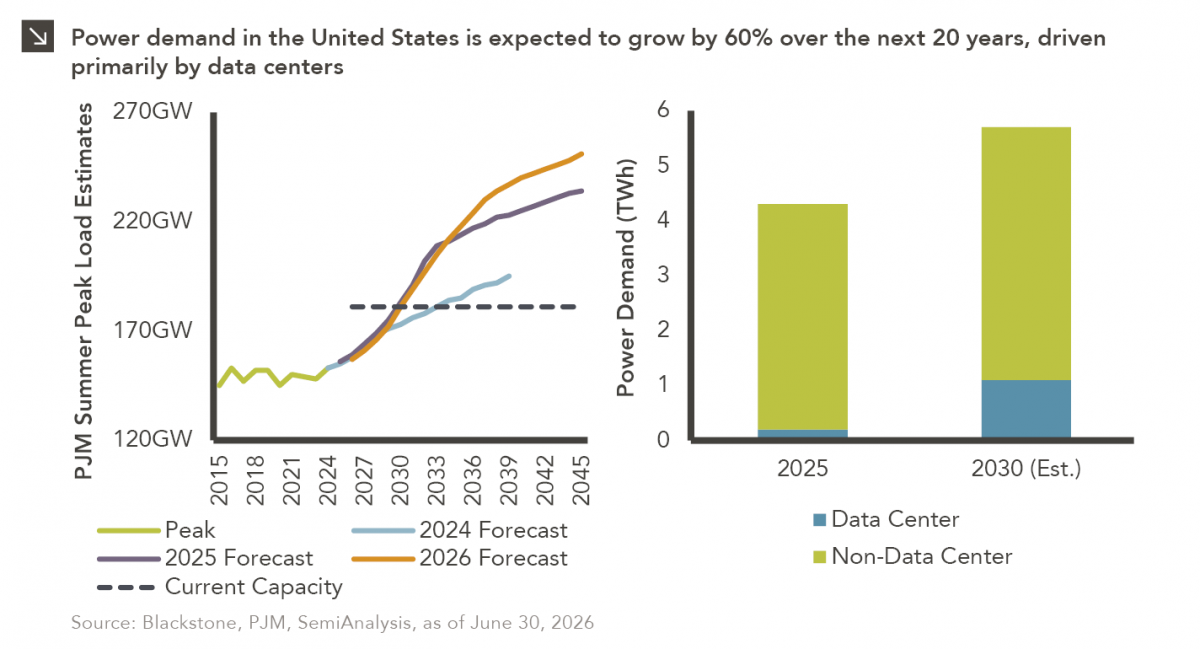
This week’s chart highlights the accelerating growth of electricity demand in the U.S., which has been driven primarily by the…

10.08.2026
LIVE WEBINAR — OCTOBER 22 Please join Marquette’s research team for our 3Q 2026 Market Insights Webinar…
10.05.2026
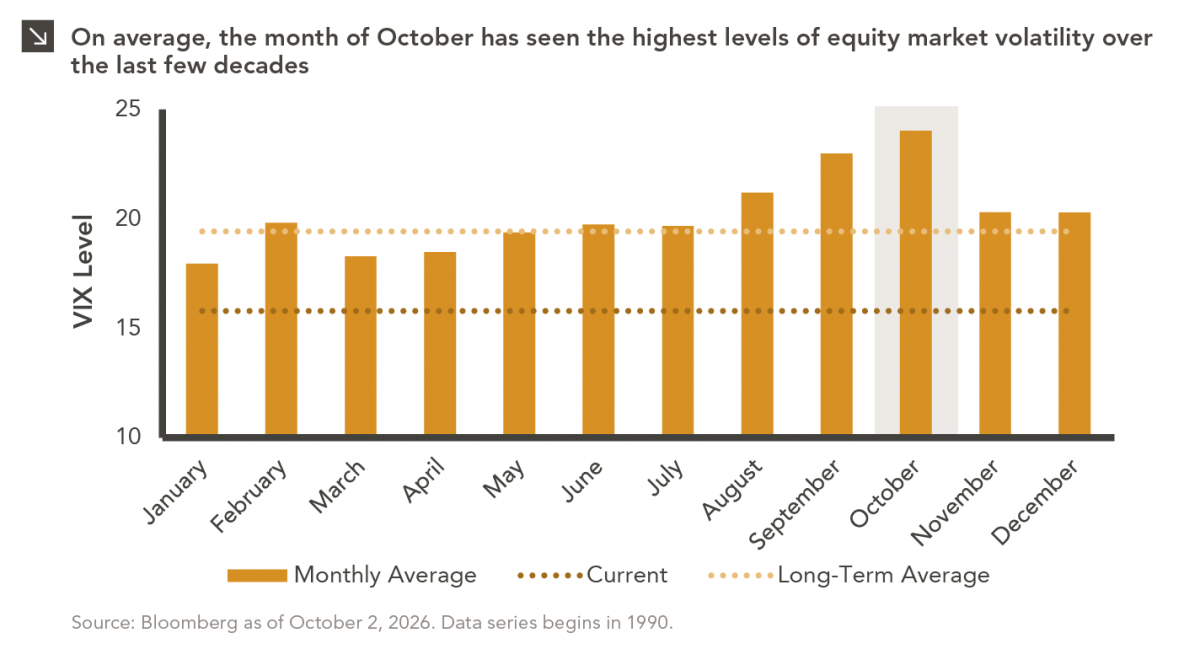
For investors, the spookiest thing about October might not be the ghosts and monsters that are bound to show up…
09.28.2026
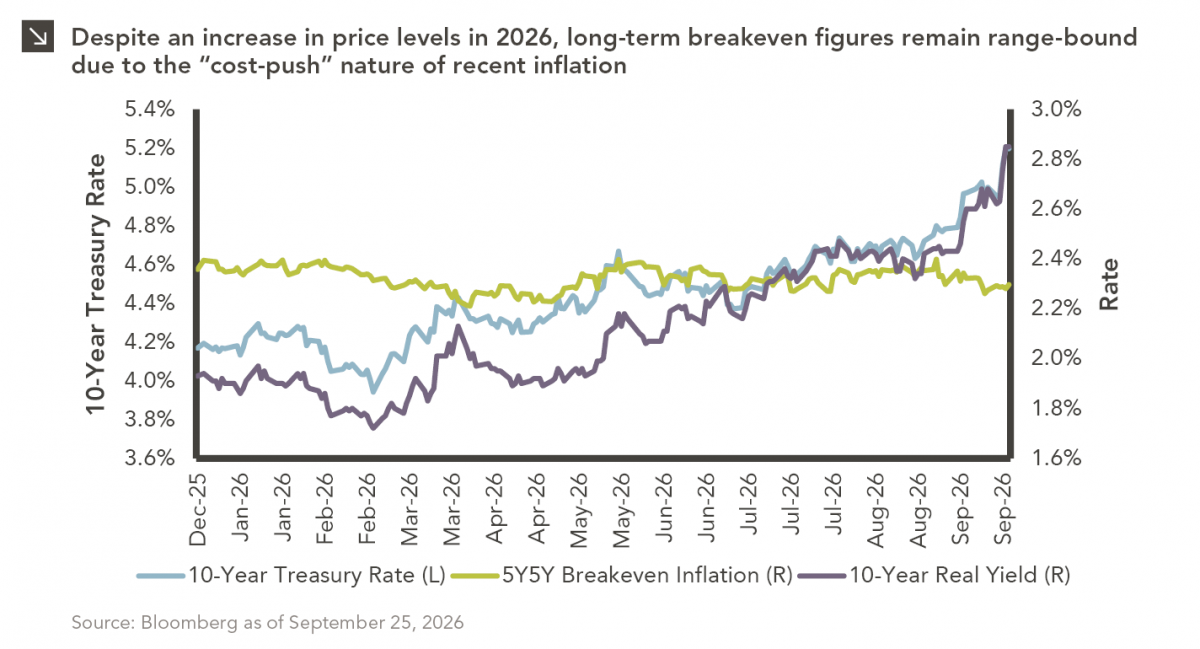
The phrase “expectations of higher inflation” has become a staple in financial news to explain the increase in nominal U.S….
09.21.2026
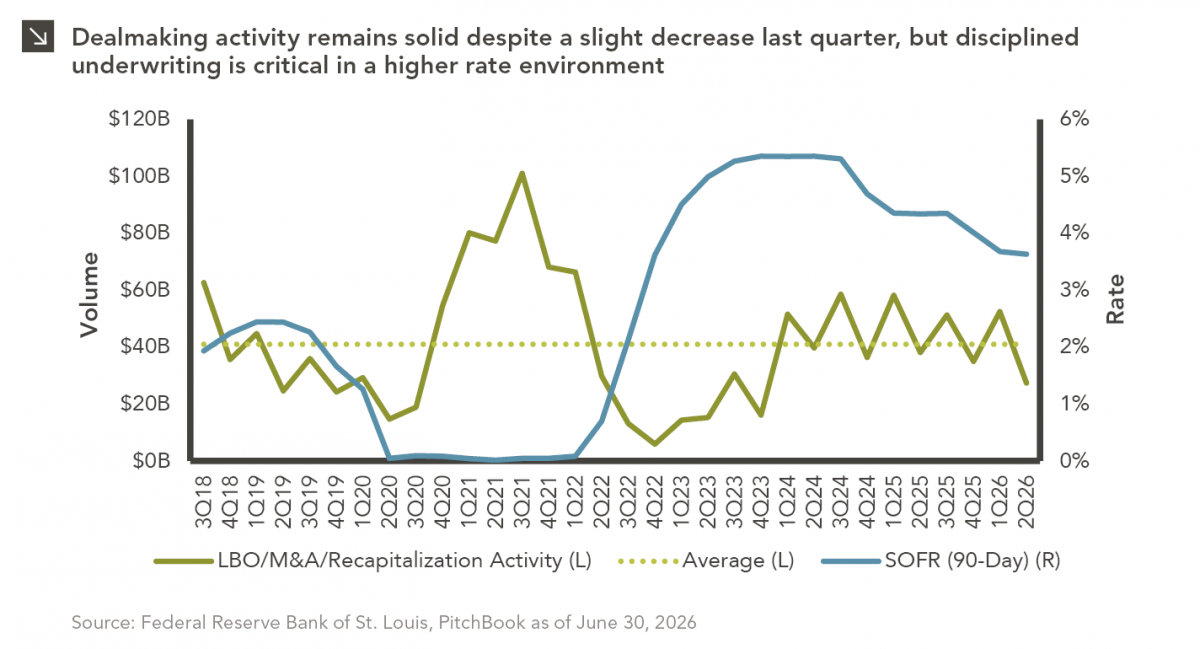
For much of the past several years, the conventional view has been that higher interest rates and stretched valuations would…
09.14.2026
There are many great things about working at Marquette Associates, but “Free Lunch Tuesday” is right at the top of…
Research alerts keep you updated on our latest research publications. Simply enter your contact information, choose the research alerts you would like to receive and click Subscribe. Alerts will be sent as research is published.
We respect your privacy. We will never share or sell your information.
If you have questions or need further information, please contact us directly and we will respond to your inquiry within 24 hours.
Contact Us >