Nic Solecki, CBDA
Research Analyst


Fiduciaries, trustees, and institutional investors may be understandably puzzled by recent developments and shifts in tone from U.S. regulators and policymakers regarding digital assets. For those not following the space closely, in recent months:
These developments may seem at odds with the long-standing perception that digital assets — particularly Bitcoin — are categorically too volatile and immature for institutional portfolios. While the immaturity label is fair and simply a function of time, the volatility story — while true on an absolute basis — loses a bit of its bite when compared to individual stocks.
The chart above illustrates this point using securities from the S&P 500 (blue) and Russell 2000 (light blue) — benchmarks that underpin equity exposures across many investment portfolios. Since 2020, more than 1,000 individual stocks (purple) included in core S&P 500 and Russell 2000 indices have, on average, exhibited annualized volatility comparable to or exceeding that of Bitcoin — including well-known names such as Tesla, Nvidia, Carvana, Hims & Hers, and JPMorgan Chase.¹ While this is not to suggest Bitcoin’s price should be expected to follow the same price movements of a traditional stock, it does start to address the long-held stereotype of its outsized volatility across market cycles. That said, the relative immaturity of Bitcoin (and all digital assets for that matter) should be considered when assessing the relative volatility versus stocks.
Ultimately, the intent here is not to advocate adoption — this is not an endorsement of digital assets. Rather, the goal is to better understand that recent regulatory, policy, and institutional shifts appear to reflect a more empirically grounded understanding of risk.
It is important to underscore that many of these developments remain provisional. Absent more binding legislation, recent guidance and positions could shift under future administrations. Accordingly, Marquette maintains a cautious approach to digital assets. Fiduciary prudence requires a holistic, portfolio-based risk assessment that considers formal legislation and regulatory frameworks, governance standards, plan-specific objectives, and long-term suitability. Fiduciaries require a durable foundation for evaluating potential portfolio inclusion of asset classes. Given the inherent uncertainty of a transient regulatory landscape — and the varied facts and circumstances across retirement plans — a measured, wait-and-see approach seems reasonable.
1 Bloomberg 260-day volatility as of May 30, 2025; 260-day historical volatility for all assets, respectively.
2 U.S. Department of Labor, Employee Benefits Security Administration. Compliance Assistance Release No. 2025-01: 401(k) Plan Investments in “Cryptocurrencies”. May 28, 2025.
3 Board of Governors of the Federal Reserve System. Federal Reserve Board Announces Withdrawal of Guidance for Banks Related to Crypto-Asset and Dollar Token Activities. Press release, April 24, 2025.
4 Federal Deposit Insurance Corporation. FDIC Clarifies Process for Banks to Engage in Crypto-Related Activities. Press release, March 28, 2025.
5 Office of the Comptroller of the Currency. OCC Clarifies Bank Authority to Engage in Crypto-Asset Custody and Execution Services. Interpretive Letter #1184, May 7, 2025.
6 U.S. Securities and Exchange Commission. Order Granting Accelerated Approval of a Proposed Rule Change, as Modified by Amendment No. 1 Thereto, to Amend NYSE Arca Rule 8.500-E (Trust Units) and to List and Trade Shares of the Grayscale Digital Large Cap Fund LLC under Amended NYSE Arca Rule 8.500-E (Trust Units). Release No. 34-103364, July 1, 2025.
7 Reuters. U.S. Senate Passes Stablecoin Bill in Milestone for Crypto Industry. June 17, 2025.
8 Bloomberg Government. Texas Gov. Abbott Signs Bill to Create State Bitcoin Reserve. July 1, 2025.
9 New Hampshire General Court. House Bill 302: An Act Relative to Enabling the State Treasury to Invest in Precious Metals and DigitalAssets. Signed May 6, 2025. Effective May 7, 2025.

The opinions expressed herein are those of Marquette Associates, Inc. (“Marquette”), and are subject to change without notice. This material is not financial advice or an offer to purchase or sell any product. Marquette reserves the right to modify its current investment strategies and techniques based on changing market dynamics or client needs.
10.12.2026
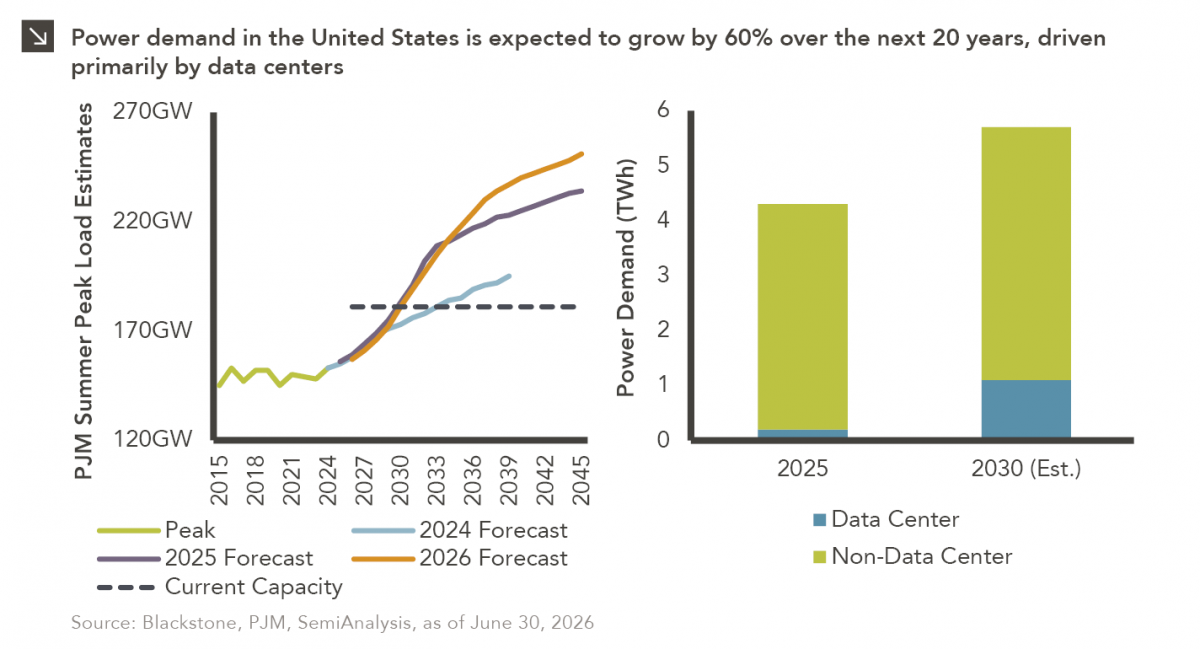
This week’s chart highlights the accelerating growth of electricity demand in the U.S., which has been driven primarily by the…
10.05.2026
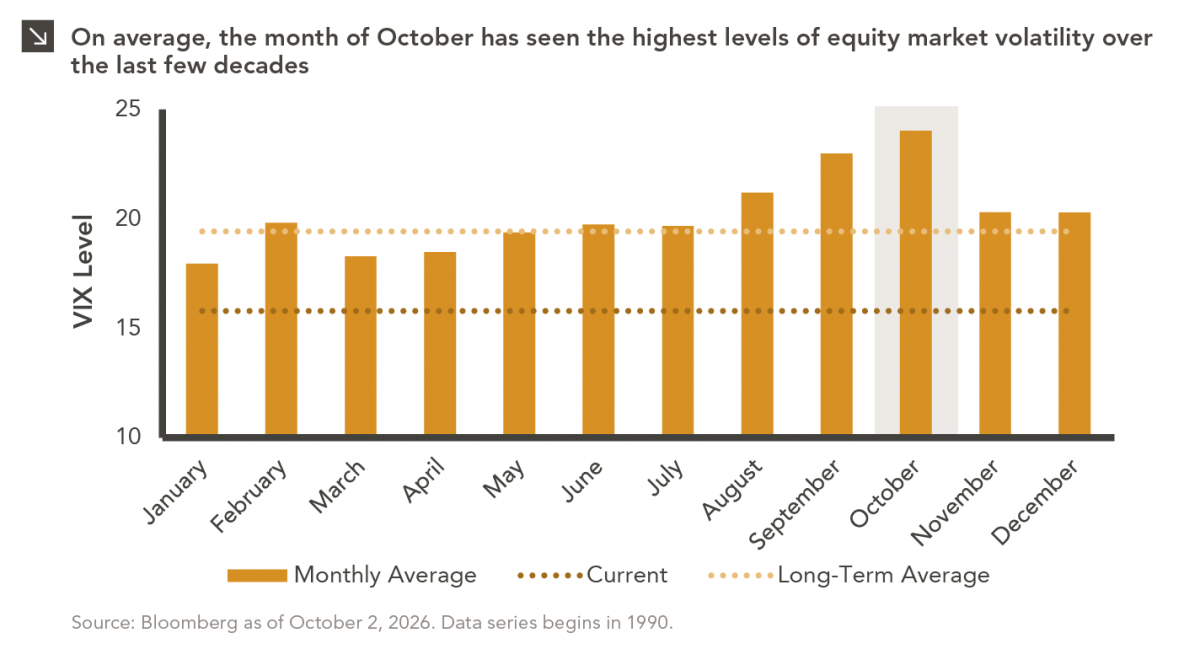
For investors, the spookiest thing about October might not be the ghosts and monsters that are bound to show up…
09.28.2026
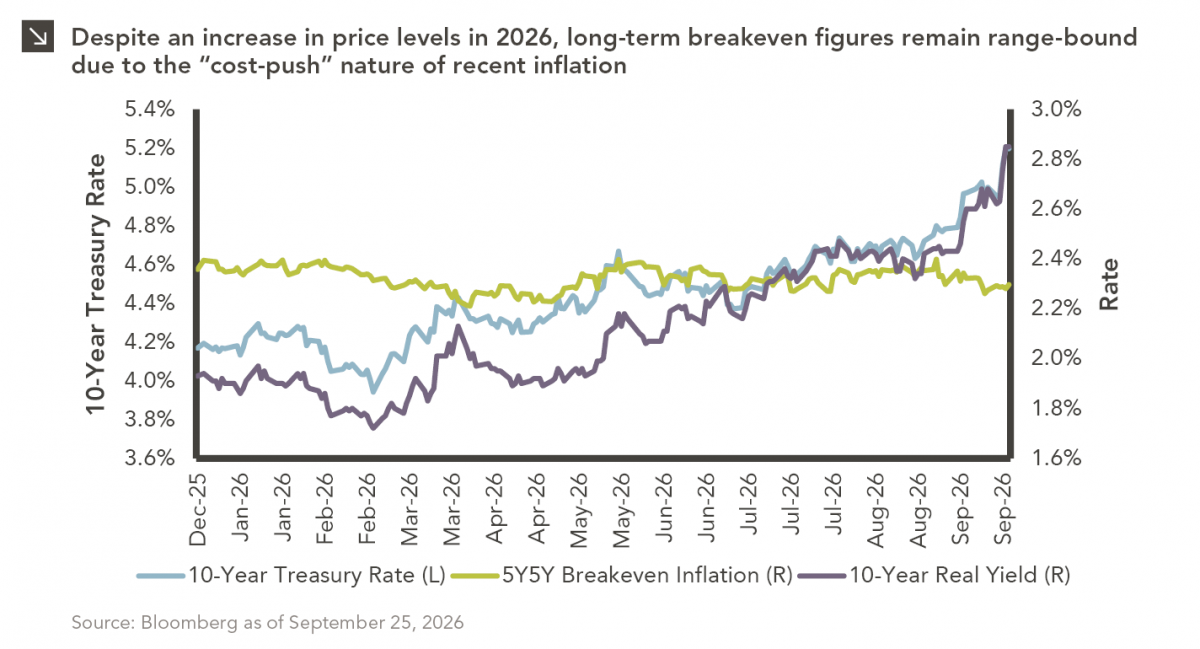
The phrase “expectations of higher inflation” has become a staple in financial news to explain the increase in nominal U.S….
09.21.2026
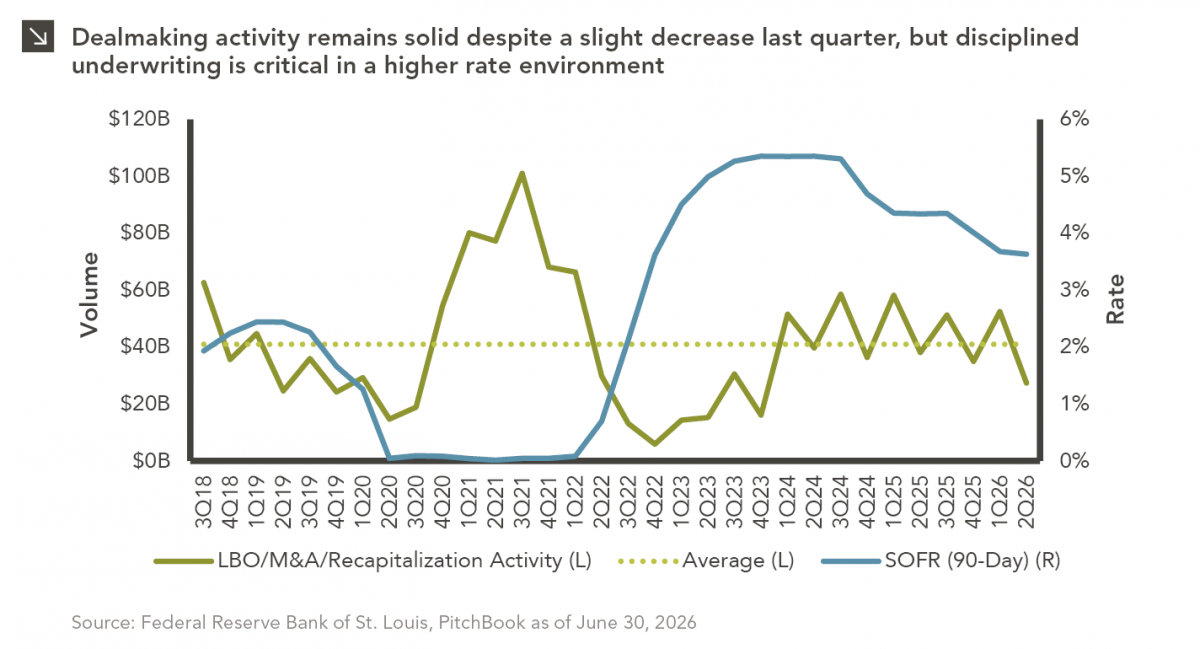
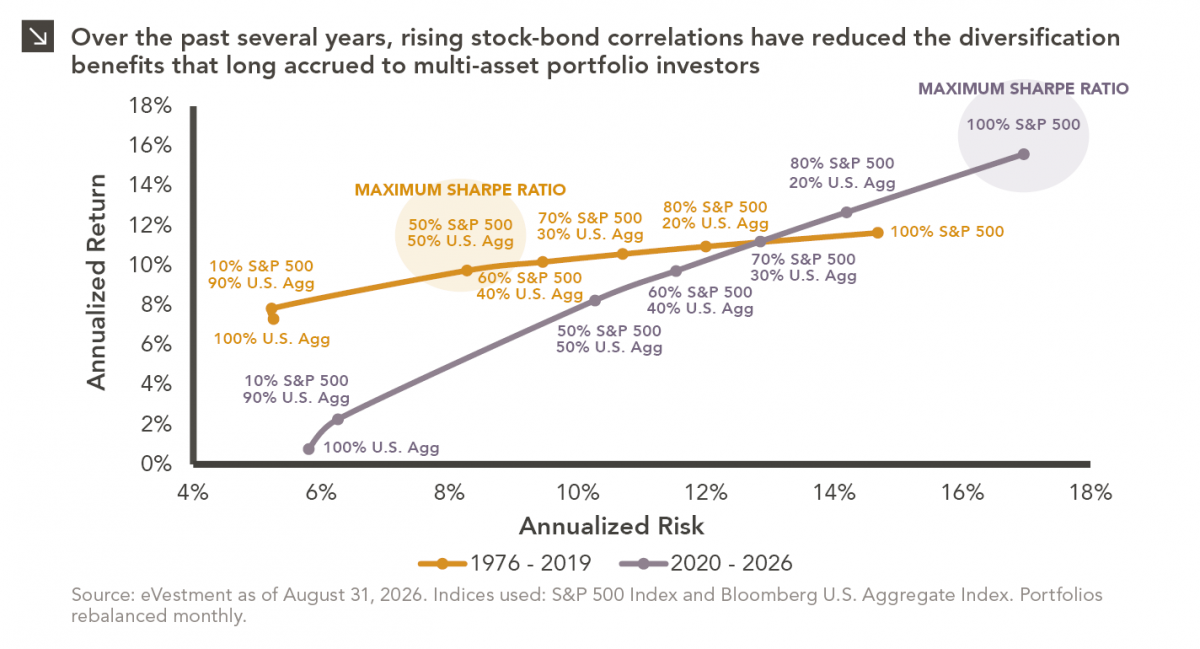
For much of the past several years, the conventional view has been that higher interest rates and stretched valuations would…
09.14.2026
There are many great things about working at Marquette Associates, but “Free Lunch Tuesday” is right at the top of…
09.08.2026
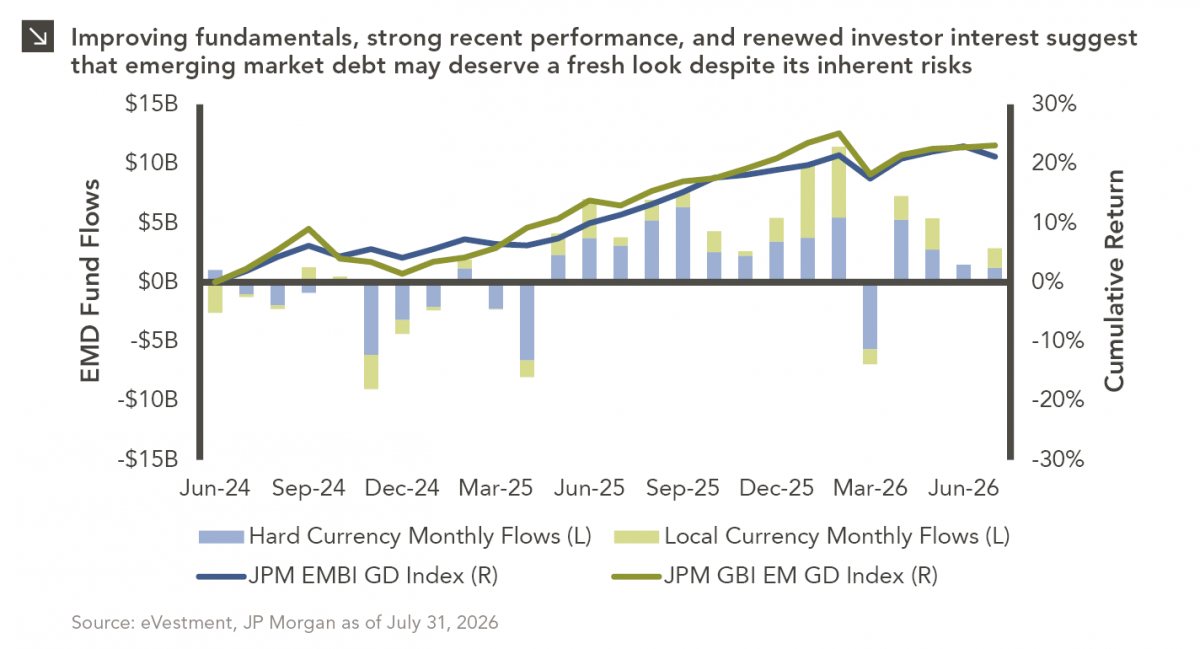
Over the last several years, emerging market debt (EMD) has faced several headwinds, with rising yields across other fixed income…
Research alerts keep you updated on our latest research publications. Simply enter your contact information, choose the research alerts you would like to receive and click Subscribe. Alerts will be sent as research is published.
We respect your privacy. We will never share or sell your information.
If you have questions or need further information, please contact us directly and we will respond to your inquiry within 24 hours.
Contact Us >