10.22.2026
Will Higher Rates Cramp the Markets?
Anyone who has run a marathon knows the last six miles are brutal — no matter how well the first…


While this year’s political election has featured much discussion about jobs going overseas, a larger impact on manufacturing employment has come from technology advances. Over the years, manufacturing companies have replaced jobs with computerized equipment to reduce production costs. However, the considerably more complex equipment demands workers with new skill sets to operate these machines. So while such technological advances helped the manufacturing industry reduce the number of required workers yet increase production, many factories are finding it difficult to find employees with the necessary skills to operate and maintain the advanced machinery. This week’s chart takes a look at the number of manufacturing jobs that are going unfilled even with improving employment rates and the steady addition of jobs.
The chart above compares the number of people hired for manufacturing jobs versus the number of job openings. Any ratio above 1 indicates that more people are hired in a month than the number of jobs available in the market; this is explained by elevated hiring levels as well as turnover in the industry. Critically, a ratio above 1 also suggests minimal mismatch between worker qualifications and desired skill sets for the open manufacturing jobs. This ratio peaked in late 2009, as companies were aggressively hiring as they emerged from the trough of the recession. Since then, the ratio has steadily decreased and now sits below 1, therefore suggesting a growth in the divide between qualified workers and the required skill sets to fill these new open manufacturing jobs. Broadly speaking, this mismatch poses problems for the economy as these unfilled positions slow production and weigh on growth. While there are no easy solutions, further training and education for potential workers will help fill these roles vital for production output and stronger economic growth.
The opinions expressed herein are those of Marquette Associates, Inc. (“Marquette”), and are subject to change without notice. This material is not financial advice or an offer to purchase or sell any product. Marquette reserves the right to modify its current investment strategies and techniques based on changing market dynamics or client needs.

10.22.2026
Anyone who has run a marathon knows the last six miles are brutal — no matter how well the first…
10.19.2026
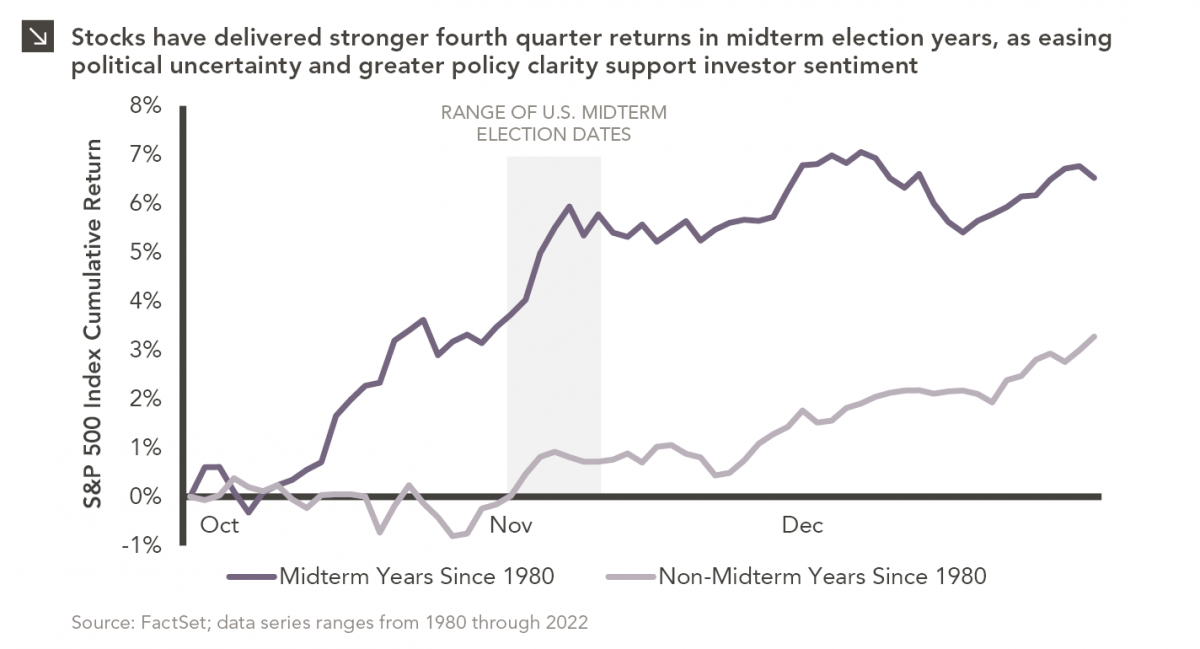
Since 1980, the S&P 500 Index has generally performed well in the weeks surrounding U.S. midterm elections. Specifically, the index…
10.12.2026
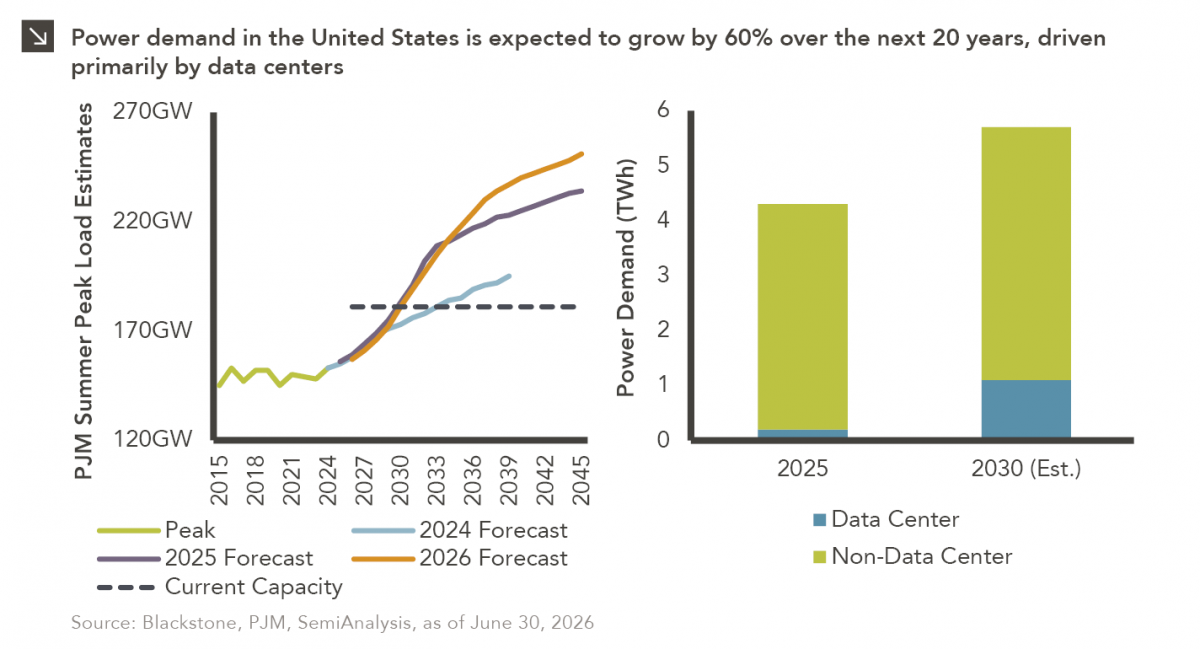
This week’s chart highlights the accelerating growth of electricity demand in the U.S., which has been driven primarily by the…

10.08.2026
LIVE WEBINAR — OCTOBER 22 Please join Marquette’s research team for our 3Q 2026 Market Insights Webinar…
10.05.2026
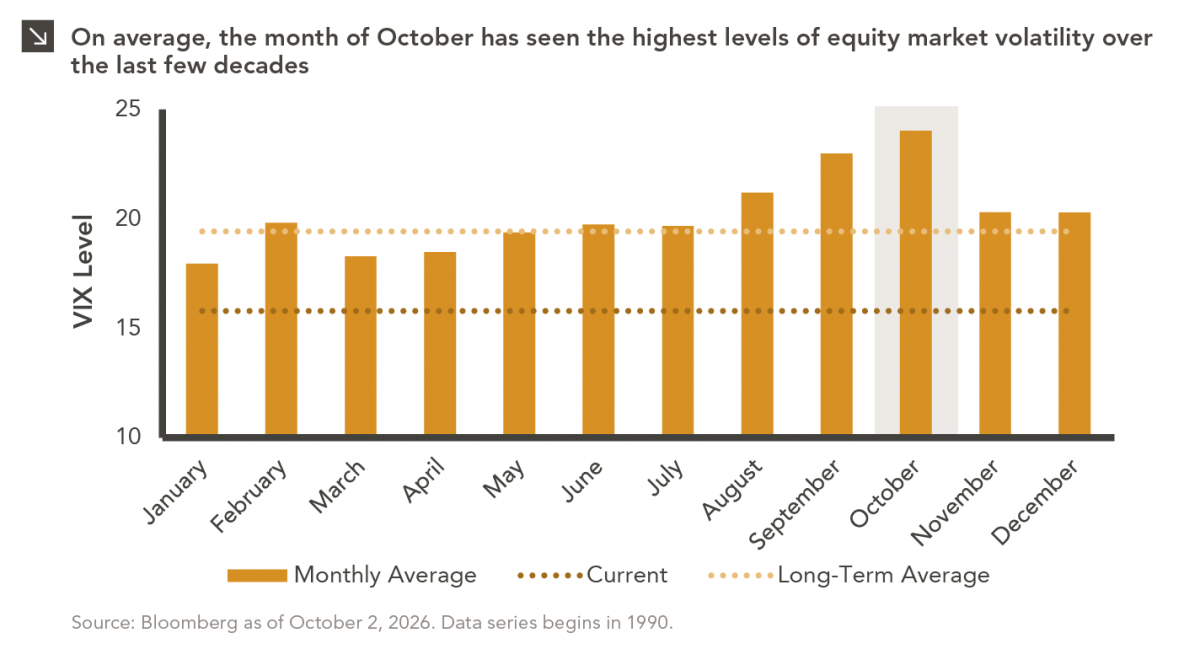
For investors, the spookiest thing about October might not be the ghosts and monsters that are bound to show up…
09.28.2026
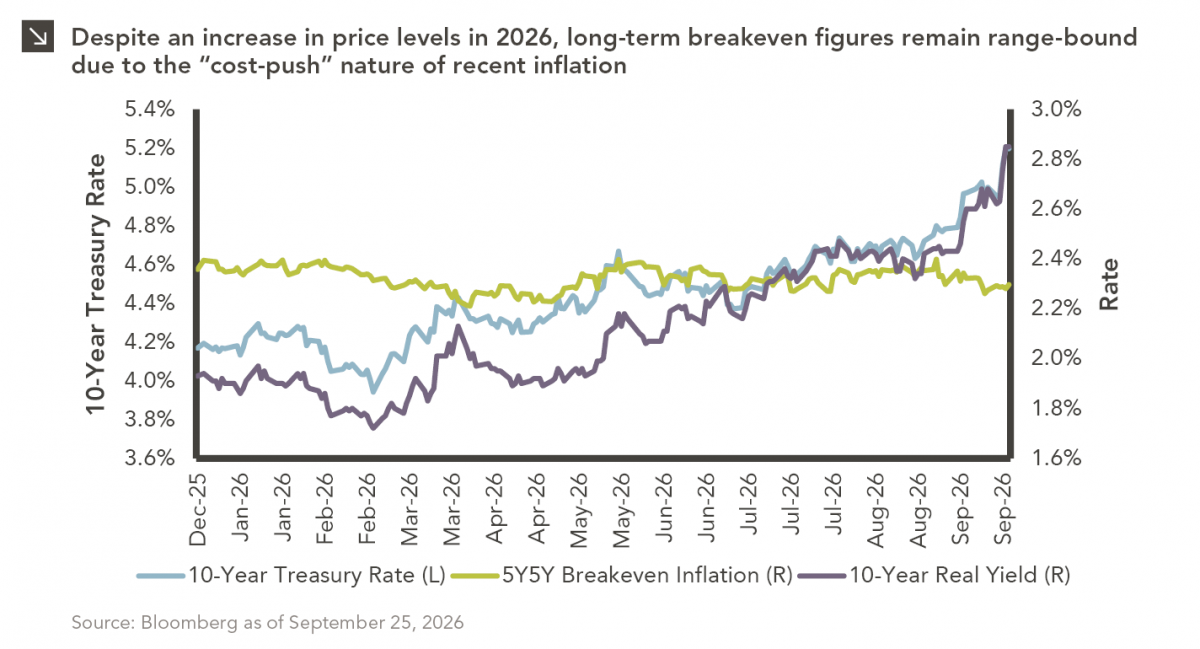
The phrase “expectations of higher inflation” has become a staple in financial news to explain the increase in nominal U.S….
Research alerts keep you updated on our latest research publications. Simply enter your contact information, choose the research alerts you would like to receive and click Subscribe. Alerts will be sent as research is published.
We respect your privacy. We will never share or sell your information.
If you have questions or need further information, please contact us directly and we will respond to your inquiry within 24 hours.
Contact Us >