Catherine Hillier
Senior Research Analyst


By now, readers likely know that large-cap equities propelled the U.S. equity market higher in 2023 and 2024, as the S&P 500 Index advanced over 20% in each of those years. Although positive performance continued for U.S. stocks to begin 2025, the often-overlooked mid-cap space ultimately led the way, with the Russell Midcap Index gaining 4.3% in January. This figure was higher than both the 3.2% and 2.6% returns notched by the Russell 1000 Index and Russell 2000 Index, respectively, during the month. Commonly underrepresented in investor portfolios, mid-cap indices provide exposure to more established business models than small-cap benchmarks but also offer potential exposure to companies growing at a faster rate than those within the large-cap universe.
As it relates to recent performance drivers, mid-cap equities were buoyed by the January CPI print, which led to a broadening out of markets. The space also benefited on a relative basis as mega-cap technology stalwarts sold off due to rhetoric surrounding trade restrictions and AI competition from China. While market concentration issues related to these mega-cap companies are a belabored topic, the theme of concentration is not isolated to the large-cap space. To that point, just two companies in the Russell Midcap Growth Index (Palantir and AppLovin) accounted for nearly 30% of the return of that benchmark last year. As of the end of last month, these two companies comprise more than 8% of the index and, with market capitalizations above $100 billion, are now outside of the typical range used to delineate the mid-cap space. Since these and similar dynamics have plagued indices across the equity spectrum, Russell will implement a second rebalance in November based on market capitalization beginning next year. This rebalance will help ensure the Russell indices provide an accurate representation of their respective asset classes and have the potential to combat historic levels of concentration. As index construction evolves, it is prudent for investors to construct diversified equity portfolios to balance the risks and rewards of each asset class.
Print PDF
The opinions expressed herein are those of Marquette Associates, Inc. (“Marquette”), and are subject to change without notice. This material is not financial advice or an offer to purchase or sell any product. Marquette reserves the right to modify its current investment strategies and techniques based on changing market dynamics or client needs.
10.19.2026
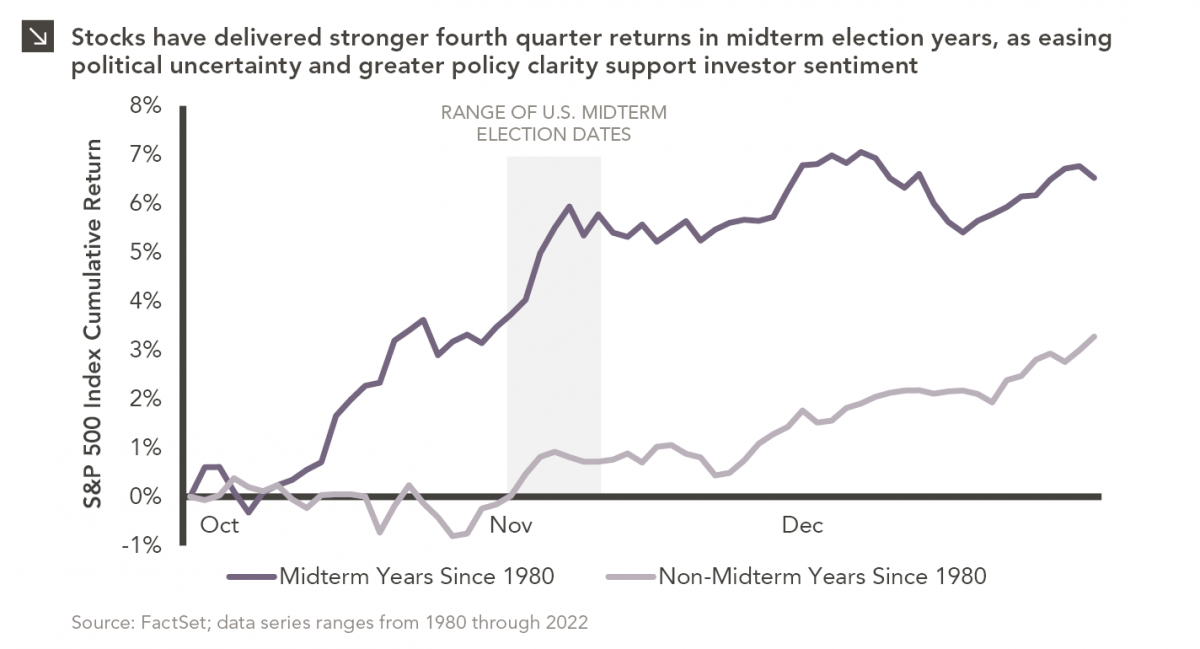
Since 1980, the S&P 500 Index has generally performed well in the weeks surrounding U.S. midterm elections. Specifically, the index…
10.12.2026
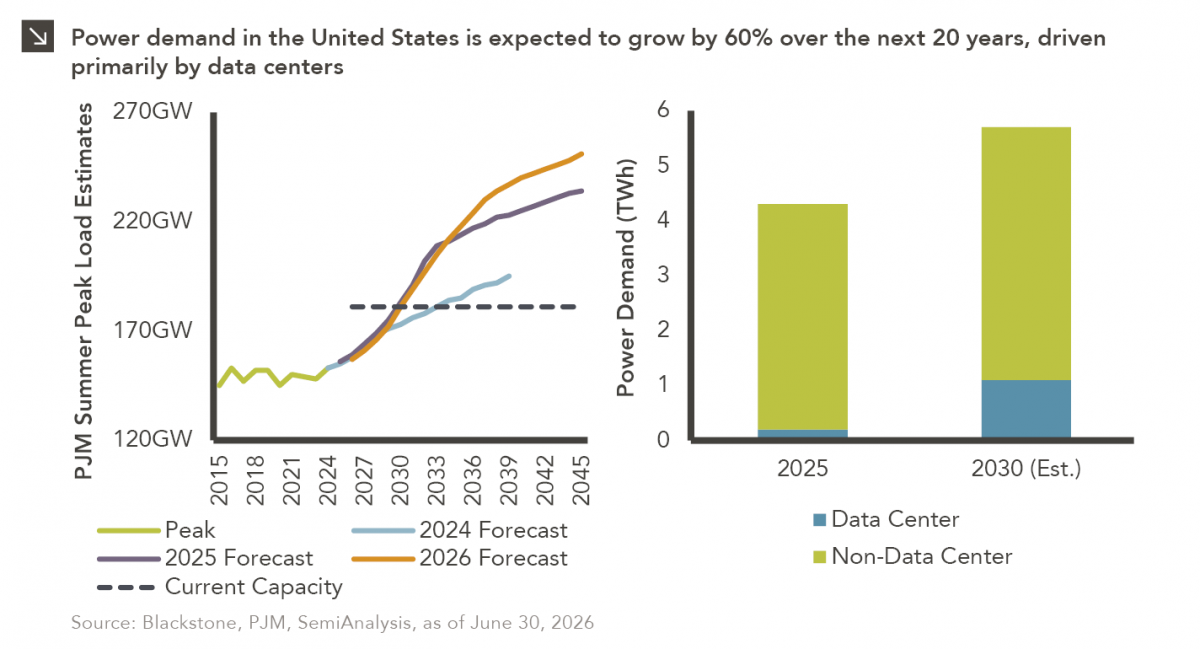
This week’s chart highlights the accelerating growth of electricity demand in the U.S., which has been driven primarily by the…

10.08.2026
LIVE WEBINAR — OCTOBER 22 Please join Marquette’s research team for our 3Q 2026 Market Insights Webinar…
10.05.2026
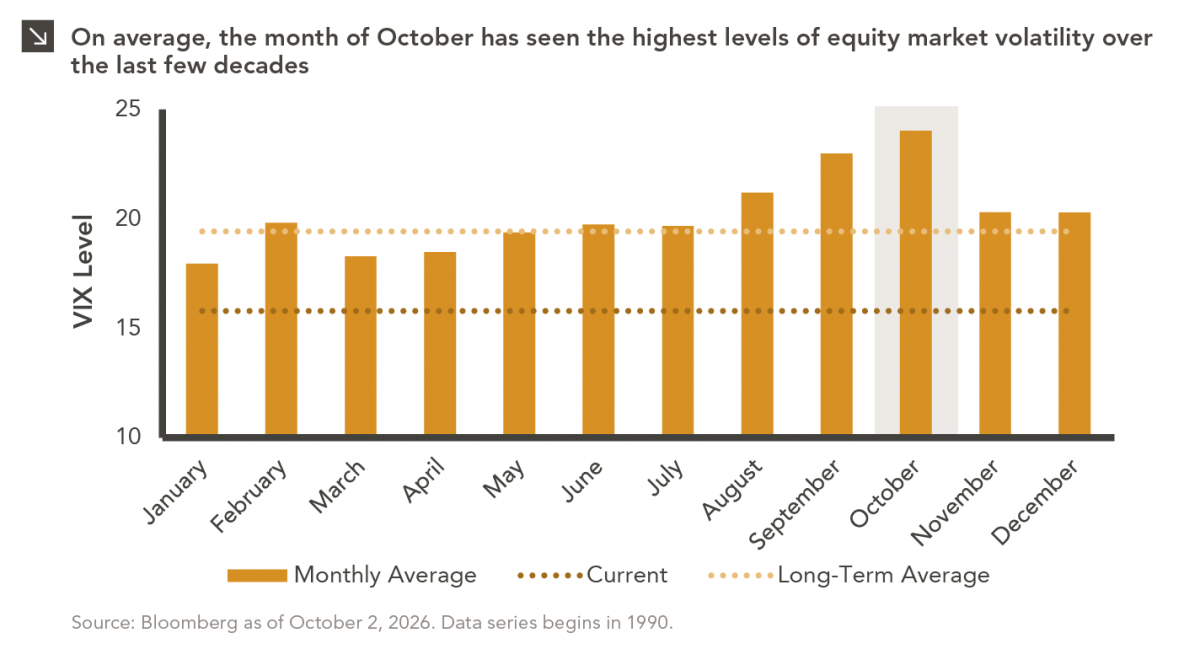
For investors, the spookiest thing about October might not be the ghosts and monsters that are bound to show up…
09.28.2026
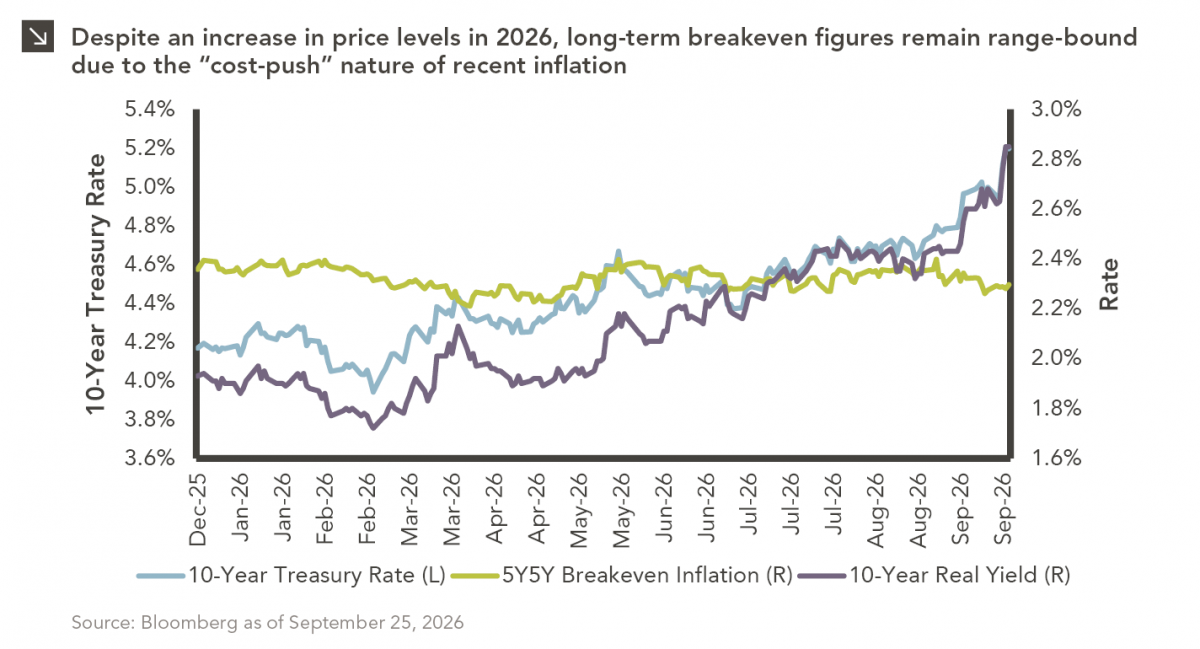
The phrase “expectations of higher inflation” has become a staple in financial news to explain the increase in nominal U.S….
09.21.2026
For much of the past several years, the conventional view has been that higher interest rates and stretched valuations would…
Research alerts keep you updated on our latest research publications. Simply enter your contact information, choose the research alerts you would like to receive and click Subscribe. Alerts will be sent as research is published.
We respect your privacy. We will never share or sell your information.
If you have questions or need further information, please contact us directly and we will respond to your inquiry within 24 hours.
Contact Us >