10.19.2026
Divided We Rise?
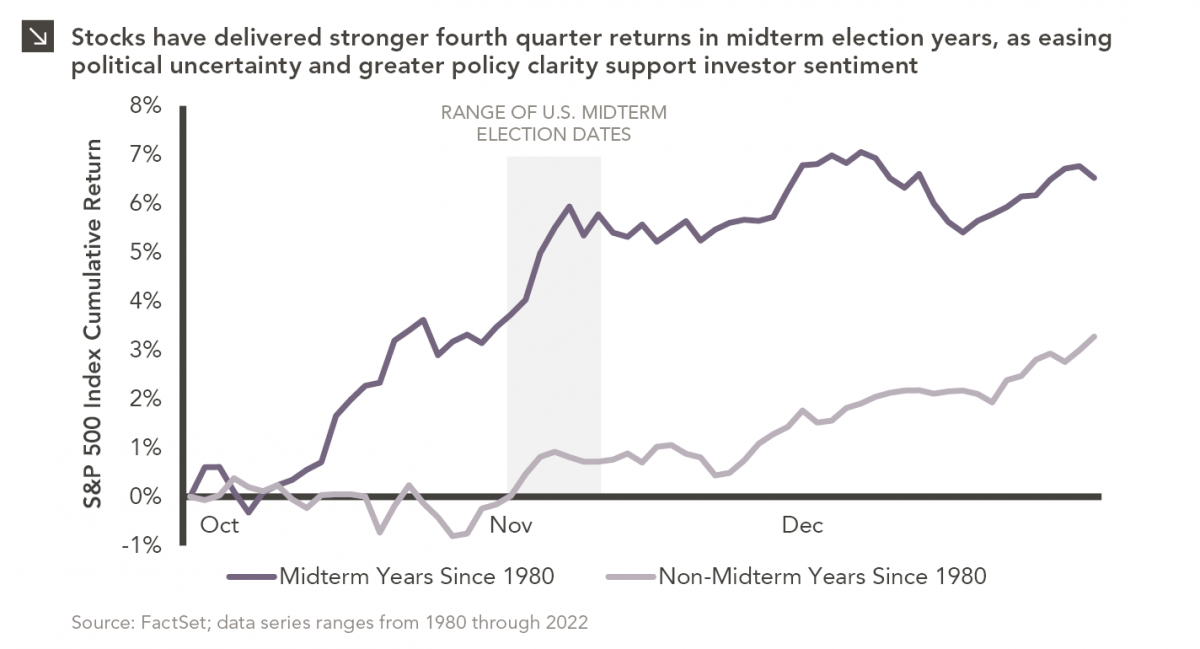
Since 1980, the S&P 500 Index has generally performed well in the weeks surrounding U.S. midterm elections. Specifically, the index…


This week’s Chart of the Week examines a recent phenomenon seen in valuations for both bonds and equities. U.S. stock prices rose quickly over the last year and a half with the S&P 500’s P/E ratio climbing to 21.8, surpassing its 20 year average. Meanwhile the Bloomberg Barclays Aggregate Index saw its option adjusted spread (OAS) fall below its 20 year average to .43%. OAS is a primary metric for valuating bond prices and this tightening suggests that bond prices are relatively expensive.
This is a rare situation as it is counterintuitive for both indices to be valued highly at the same time. Highlighted in the gray bars on the chart are the months when this occurred. During the late 90s equity valuations hit historic highs with the tech bubble. Treasury rates during this time were as high as 7%, so even though spreads were low the total yield on the Agg was still relatively high. Today’s environment is much different with Treasury yields around 2%. Excluding a transitory period in 2003 this was the only other time when this happened.
What makes this so unusual is bond and equity prices typically move in opposite directions of each other. Stock valuations increase when investors are confident in the markets and want to take advantage of a strong economy. Bond prices typically rise during “risk off” periods when investors look to be more defensive. The fact that both are rising seems to suggest there is increasing polarization of opinions in the financial markets. Since there is so little precedence for this situation it is difficult to know what to expect, but something almost certainly will have to give. Only time will tell who will win: the bulls or the bears.
The opinions expressed herein are those of Marquette Associates, Inc. (“Marquette”), and are subject to change without notice. This material is not financial advice or an offer to purchase or sell any product. Marquette reserves the right to modify its current investment strategies and techniques based on changing market dynamics or client needs.
10.19.2026
Since 1980, the S&P 500 Index has generally performed well in the weeks surrounding U.S. midterm elections. Specifically, the index…
10.12.2026
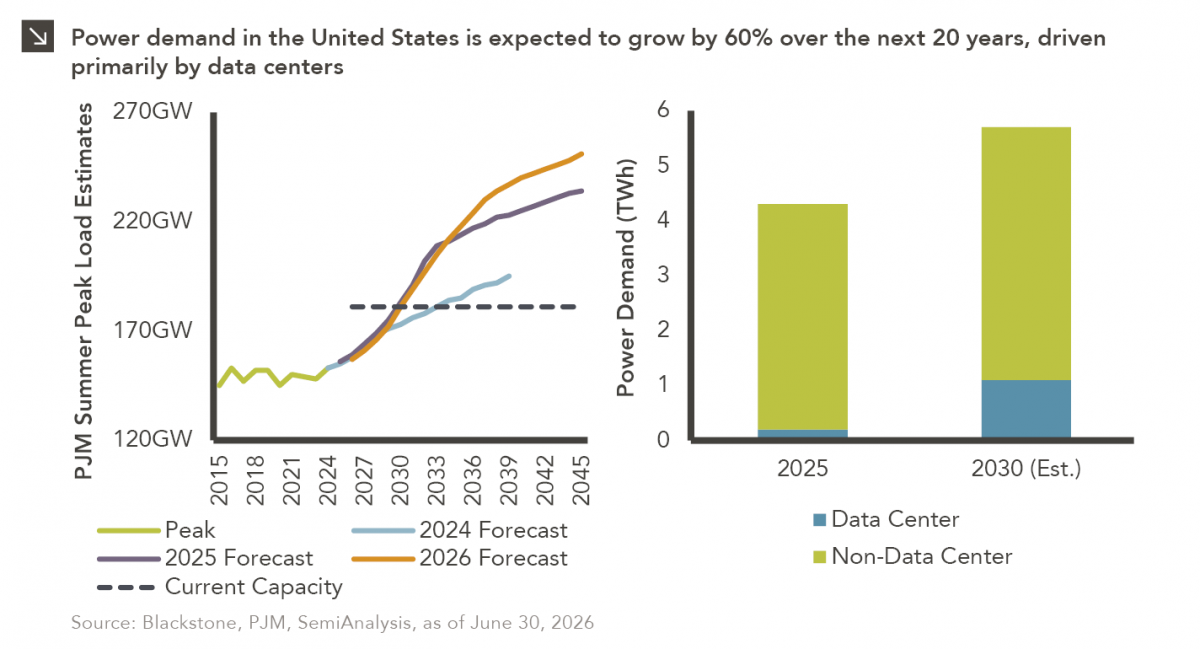
This week’s chart highlights the accelerating growth of electricity demand in the U.S., which has been driven primarily by the…

10.08.2026
LIVE WEBINAR — OCTOBER 22 Please join Marquette’s research team for our 3Q 2026 Market Insights Webinar…
10.05.2026
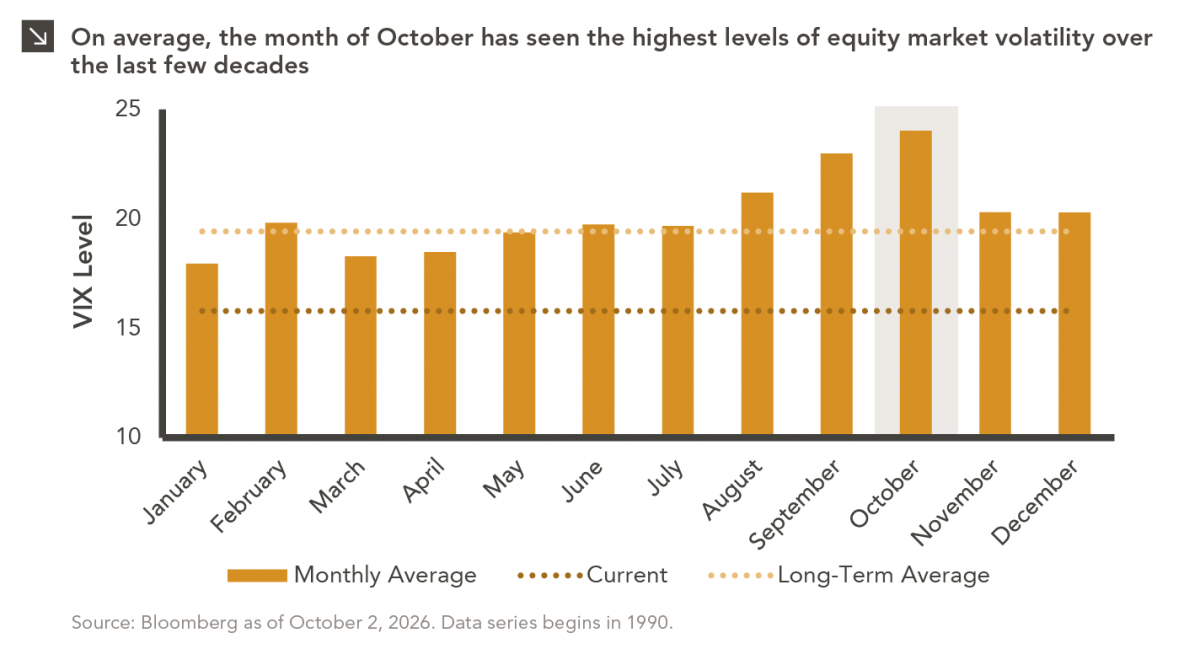
For investors, the spookiest thing about October might not be the ghosts and monsters that are bound to show up…
09.28.2026
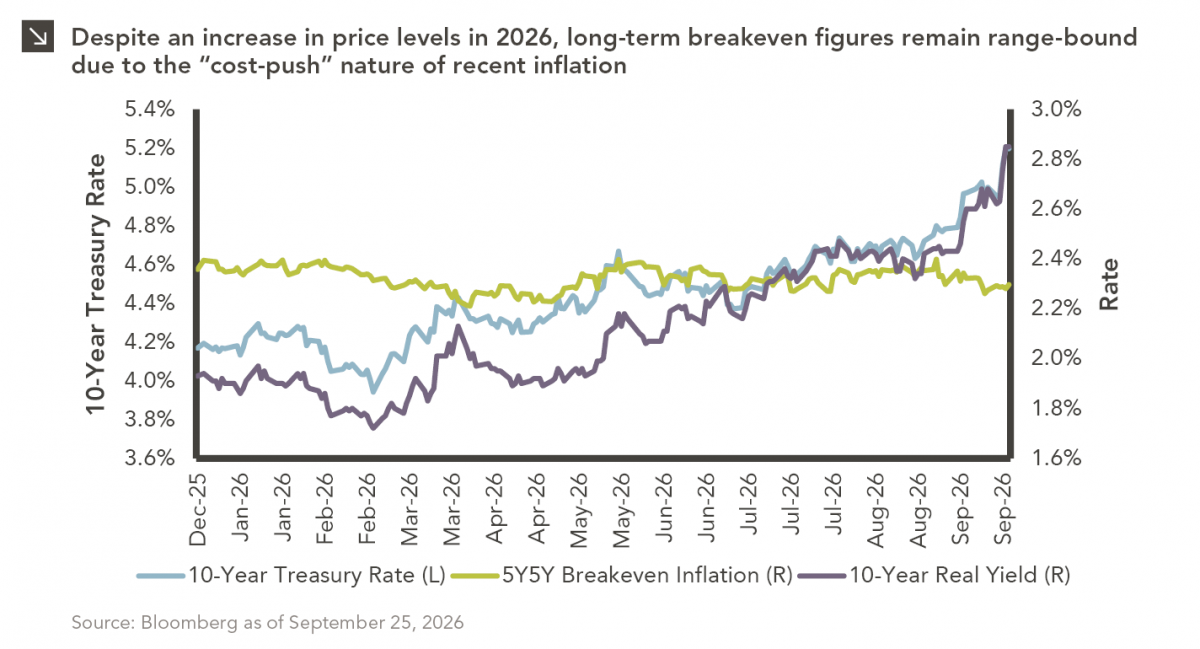
The phrase “expectations of higher inflation” has become a staple in financial news to explain the increase in nominal U.S….
09.21.2026
For much of the past several years, the conventional view has been that higher interest rates and stretched valuations would…
Research alerts keep you updated on our latest research publications. Simply enter your contact information, choose the research alerts you would like to receive and click Subscribe. Alerts will be sent as research is published.
We respect your privacy. We will never share or sell your information.
If you have questions or need further information, please contact us directly and we will respond to your inquiry within 24 hours.
Contact Us >