Evan Frazier, CFA, CAIA
Senior Research Analyst


Late last week, President Trump signed a sweeping tax and spending package, branded by the White House as the “One Big Beautiful Bill,” aimed at enacting major elements of his domestic agenda. Specifically, the legislation cements the substantial tax reductions introduced during the first Trump term, which were slated to sunset at the end of this year. The package also includes an increase to the cap on the state and local tax deduction, raising it from $10,000 to $40,000. Changes to the child tax credit and estate and gift tax exemption were also included in the legislation. A portion of the bill’s funding comes via reductions to programs including Medicaid and the Supplemental Nutrition Assistance Program.
Forecasts from various organizations suggest the immediate effect of these new policies on U.S. GDP growth is indeterminate. For instance, recent reports from the Tax Policy Center and Yale Budget Lab indicate that the domestic economy may see growth increase by less than 1.0% in the years ahead due to the legislation. These estimates are in stark contrast to those of the White House Council of Economic Advisers, which optimistically predicts a 4.8% boon to U.S. GDP by 2028 thanks to the package. Among the provisions contributing to the legislation’s prospects to boost growth are temporary deductions for tip income and higher defense spending. On the cost side, the legislation may increase federal deficits by $3.4 trillion over the next decade and result in millions losing health coverage according to projections by the nonpartisan Congressional Budget Office. These projections have been challenged by both Republican lawmakers and the White House. While the full economic consequences of the “One Big Beautiful Bill” will be revealed over time, the heated debate surrounding the legislation and the size of the package indicate its overall impact could be meaningful in the years ahead.
Print PDF
The opinions expressed herein are those of Marquette Associates, Inc. (“Marquette”), and are subject to change without notice. This material is not financial advice or an offer to purchase or sell any product. Marquette reserves the right to modify its current investment strategies and techniques based on changing market dynamics or client needs.
10.12.2026
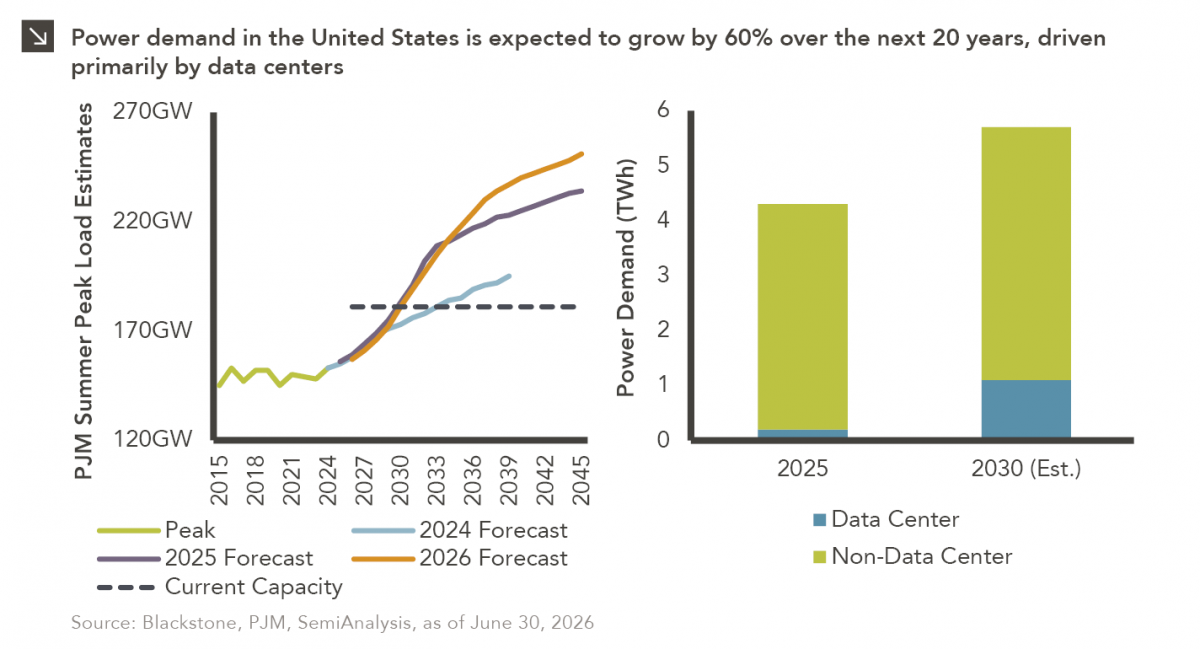
This week’s chart highlights the accelerating growth of electricity demand in the U.S., which has been driven primarily by the…

10.08.2026
LIVE WEBINAR — OCTOBER 22 Please join Marquette’s research team for our 3Q 2026 Market Insights Webinar…
10.05.2026
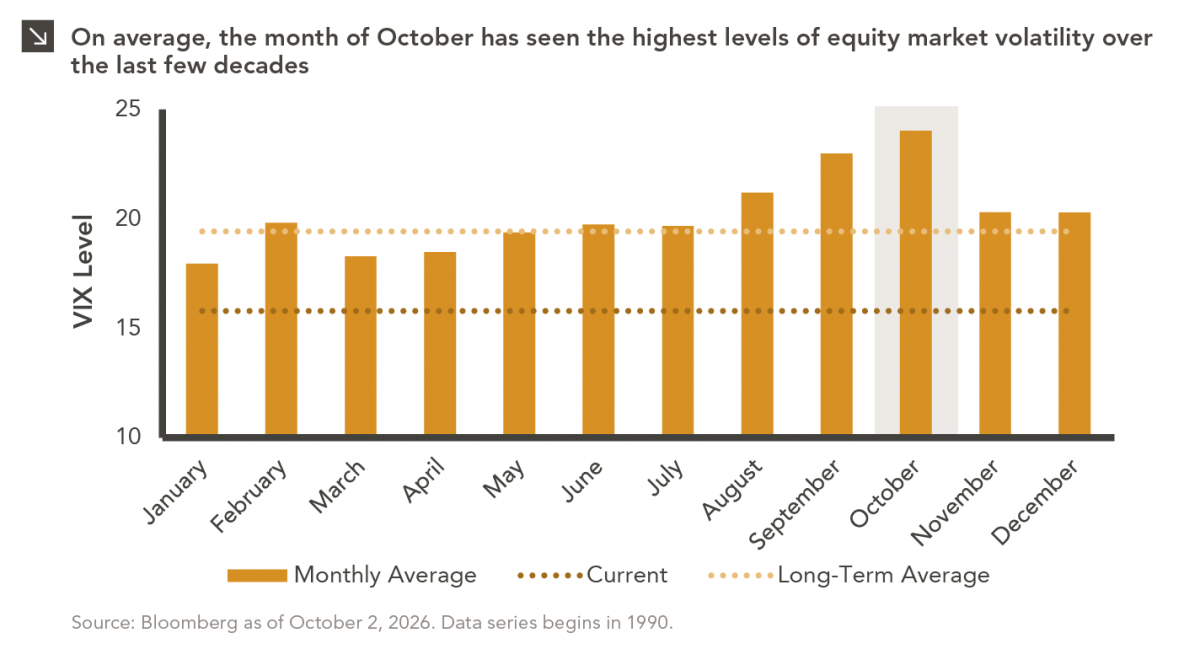
For investors, the spookiest thing about October might not be the ghosts and monsters that are bound to show up…
09.28.2026
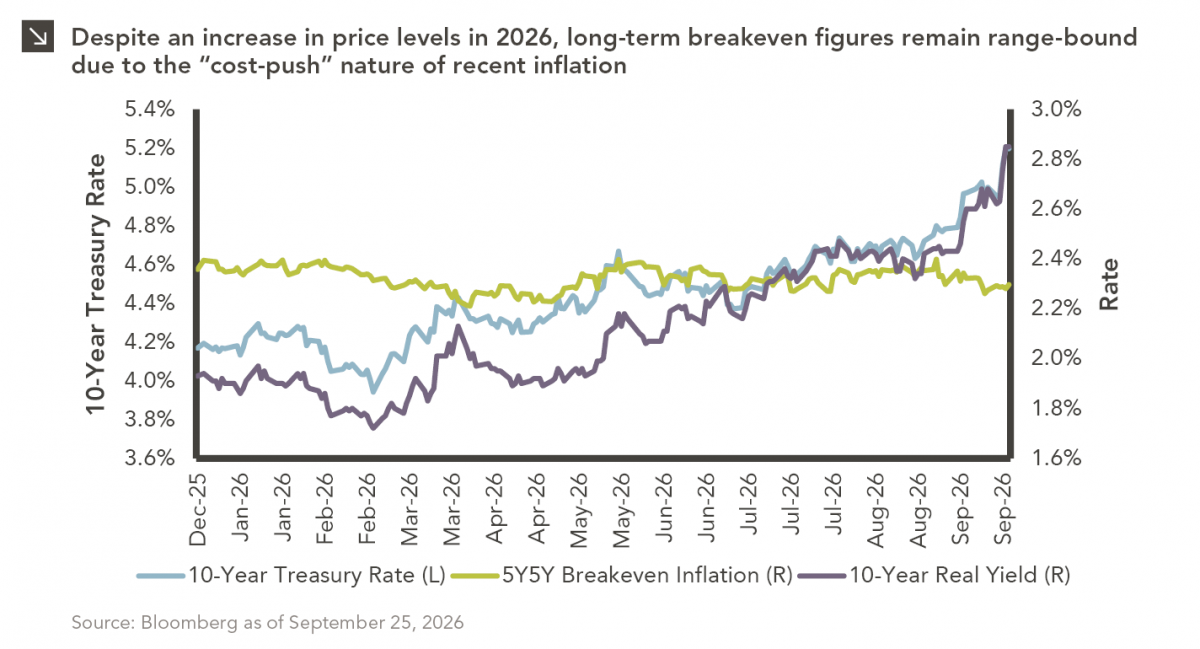
The phrase “expectations of higher inflation” has become a staple in financial news to explain the increase in nominal U.S….
09.21.2026
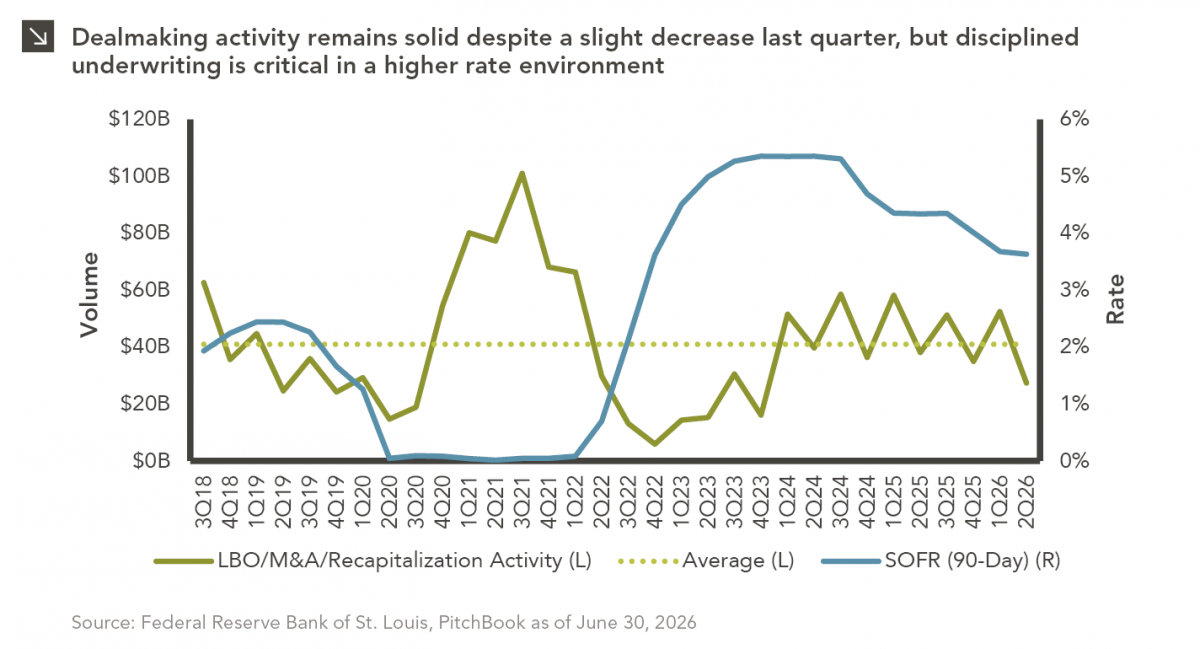
For much of the past several years, the conventional view has been that higher interest rates and stretched valuations would…
09.14.2026
There are many great things about working at Marquette Associates, but “Free Lunch Tuesday” is right at the top of…
Research alerts keep you updated on our latest research publications. Simply enter your contact information, choose the research alerts you would like to receive and click Subscribe. Alerts will be sent as research is published.
We respect your privacy. We will never share or sell your information.
If you have questions or need further information, please contact us directly and we will respond to your inquiry within 24 hours.
Contact Us >