02.23.2026
The Seller Becomes the Buyer
Most have traditionally viewed a successful exit for a venture-backed start-up as either an IPO or an acquisition by a…


October proved tumultuous for investors as all major U.S. equity indices were negative and the CBOE VIX Index, which serves as a measure of expected near-term market volatility and is often referred to as the “Wall Street Fear Gauge,” spiked above long-term average levels. November has seen a reversal of these trends, given a rebound in equity markets and a decline of VIX measures back to below long-term average levels. The Federal Open Market Committee (FOMC) meeting earlier this month may have served as a turning point for investor sentiment, as a cautious but less hawkish tone was set by policymakers and the federal funds rate remained at a constant level (5.25% – 5.50%). Additionally, yields fell as the U.S. Treasury announced a slower pace of increases in sales of 10- and 30-year securities, which may have further contributed to increased investor optimism. Finally, the most recent consumer price index reading of 3.2%, which came in below consensus expectations, has further bolstered equity markets over the last few days and has led to the VIX retreating to its lowest level since September.
The data points outlined above may suggest that a “soft landing” for the U.S. economy may be increasingly likely, however the full economic picture is still somewhat mixed. Indeed, while wage increases are beginning to soften and hiring has slowed, the labor market remains tight and job openings abound. Additionally, the “higher for longer” interest rate environment means that borrowing costs for both businesses and consumers will remain elevated into the future, while credit card and other loan delinquencies (e.g., auto loans, mortgages, etc.) continue to climb. These factors could pose challenges to the health of the American consumer and equity markets over the coming months. So, while the Fed appears to have been effective at bringing inflation levels down to this point, there are still several potential landmines of which policymakers and investors should be cognizant. Marquette will be closely monitoring macroeconomic dynamics, as well as the final FOMC meeting of the year in December, in order to assess the outlook for equity market performance and volatility into 2024 and beyond.
Print PDFThe opinions expressed herein are those of Marquette Associates, Inc. (“Marquette”), and are subject to change without notice. This material is not financial advice or an offer to purchase or sell any product. Marquette reserves the right to modify its current investment strategies and techniques based on changing market dynamics or client needs.

02.23.2026
Most have traditionally viewed a successful exit for a venture-backed start-up as either an IPO or an acquisition by a…
02.17.2026
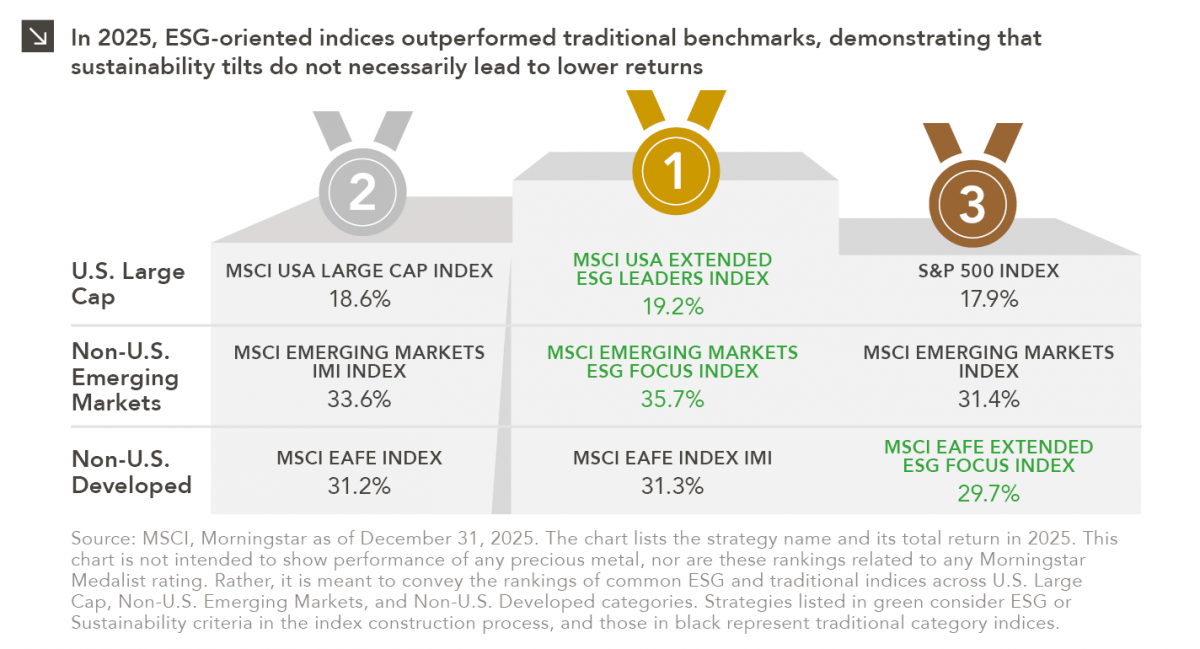
Performance is a key attribute of any investment strategy with a values-based or sustainability focus. As such, analyzing the 2025…

02.09.2026
Precious metals have been going on a magnificent run in recent years. Specifically, gold moved from $1,898/ounce at the end…
02.02.2026
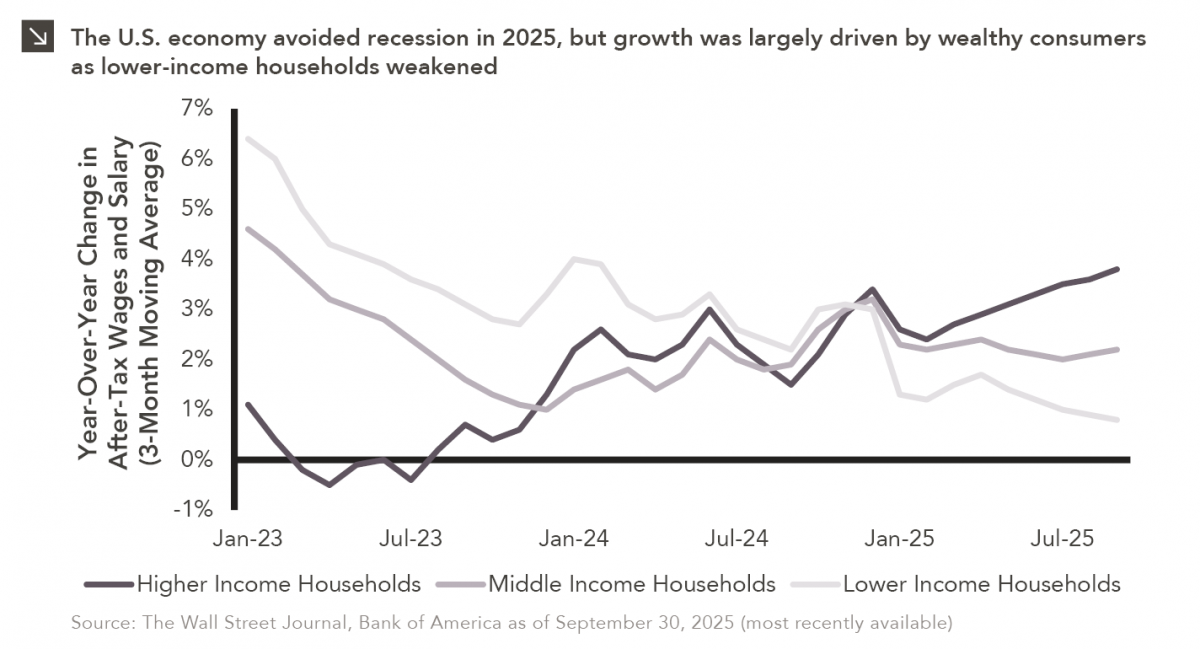
Macroeconomic forecasting is challenging in the best of times and proved downright impossible in 2025, which saw high levels of…
01.26.2026
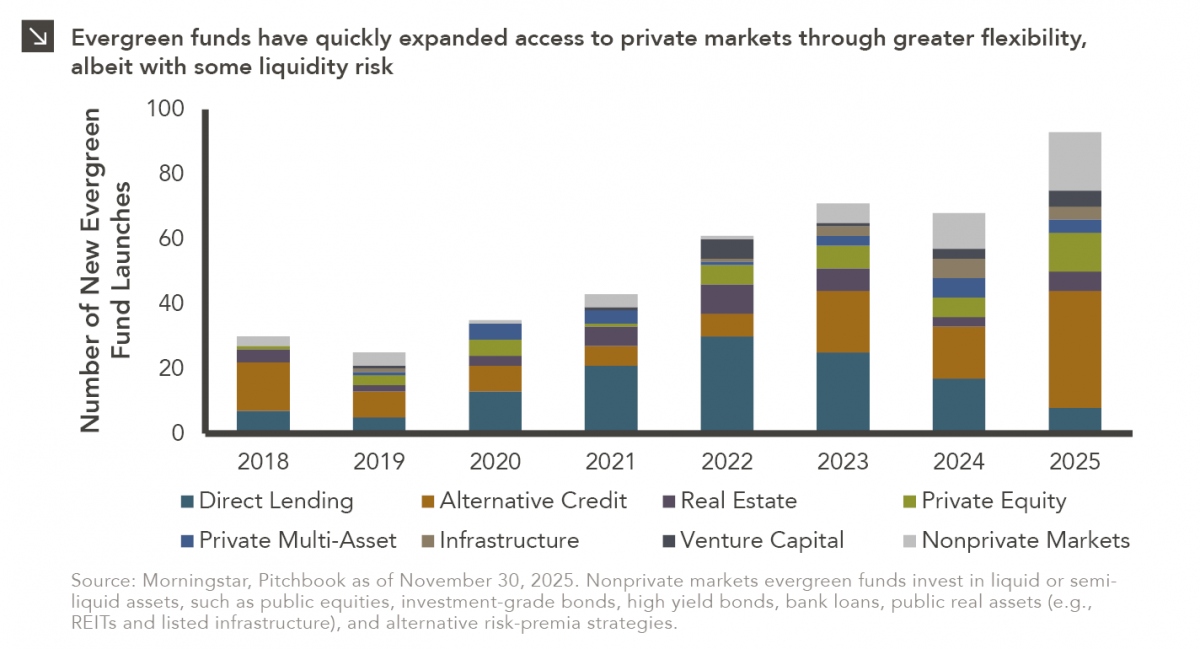
In recent years, access to traditionally illiquid private markets has expanded through the rapid growth of evergreen funds, which provide…

01.22.2026
Anyone who has gone snowmobiling knows it can be simultaneously exhilarating and terrifying. Throttling across snow and through a forest…
Research alerts keep you updated on our latest research publications. Simply enter your contact information, choose the research alerts you would like to receive and click Subscribe. Alerts will be sent as research is published.
We respect your privacy. We will never share or sell your information.
If you have questions or need further information, please contact us directly and we will respond to your inquiry within 24 hours.
Contact Us >