Matt Anderson, CFA
Vice President, Client Service
Get to Know Matt


Over the past year, many bonds from energy and metal/minerals issuers which previously held investment grade ratings were reduced to junk bond status, commonly known as fallen angels. These include Freeport-McMoRan, the largest copper producer in the world and Chesapeake Energy, the second-largest gas producer in the U.S. This week’s chart examines this unprecedented phenomenon. Fallen angels now account for a mind-boggling 42% of the energy and metal/minerals constituents in the Credit Suisse High Yield Index. With this influx of fallen angels, energy and metal/minerals now make up about 21% of the high yield index, up from 15% in February.
Many investment grade strategies, as well as their institutional investors, have been forced to sell these fallen angels because of investment policy guidelines, temporarily depressing prices and thus presenting cheaper than normal buying opportunities. Furthermore, the shift of bonds from investment grade to high yield has created a unique challenge for the team dynamics of investment managers. Investment grade research analysts are losing issuers to cover since many of them have been downgraded while high yield research analysts are now responsible for covering more issuers. Some investment managers are even transferring investment grade analysts to high yield positions because they are already familiar with the bonds that have become fallen angels.
Marquette recommends that investors maintain their high yield bond allocations. Because of these temporarily depressed prices and the change in name coverage within investment management teams, inefficiencies and opportunities have been created in this cross-over section of the bond market. However, there are risks. We should continue to see an increase in the default rate for high yield energy and metals/minerals issuers. Given lower commodity prices across the globe, while costs have been reduced for pumping oil or mining for metals, the energy and metal/minerals industries have yet to make any significant improvements. Many companies are still filing for bankruptcy, even though oil prices are beginning to slightly rebound. Ultimately, the current opportunities should outweigh these risks, but volatility in the high yield market will likely remain elevated for the foreseeable future.

The opinions expressed herein are those of Marquette Associates, Inc. (“Marquette”), and are subject to change without notice. This material is not financial advice or an offer to purchase or sell any product. Marquette reserves the right to modify its current investment strategies and techniques based on changing market dynamics or client needs.
11.02.2026
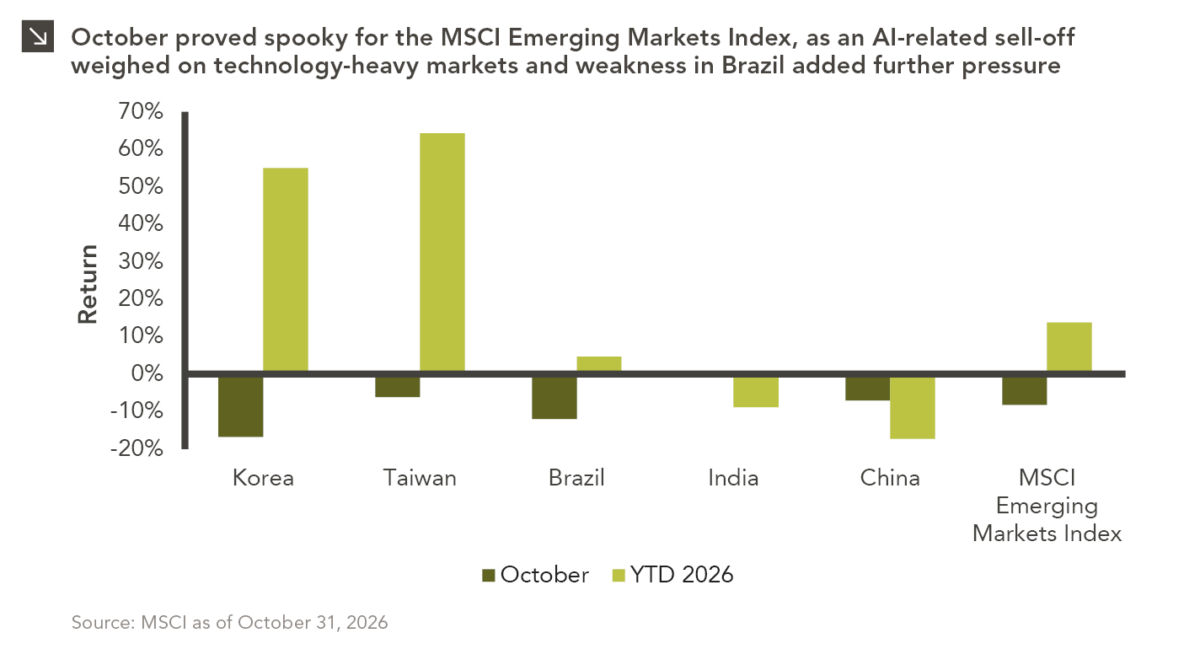
Emerging markets faced a challenging October, with the space declining by around 8.3% amid renewed concerns over the sustainability of…
10.26.2026
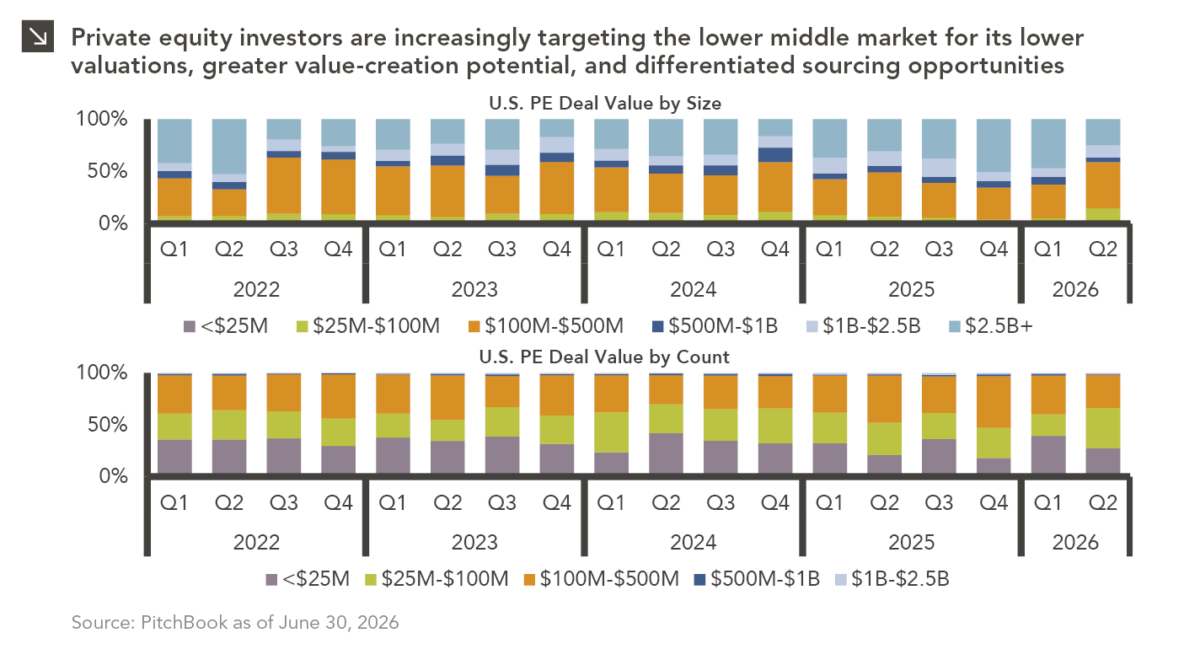
Private equity activity is increasingly shifting toward smaller transactions, with total deal value for transactions of $100 million or less…

10.08.2026
This video is a recording of a live webinar held October 22 by Marquette’s research team analyzing the third quarter…

10.22.2026
Anyone who has run a marathon knows the last six miles are brutal — no matter how well the first…
10.19.2026
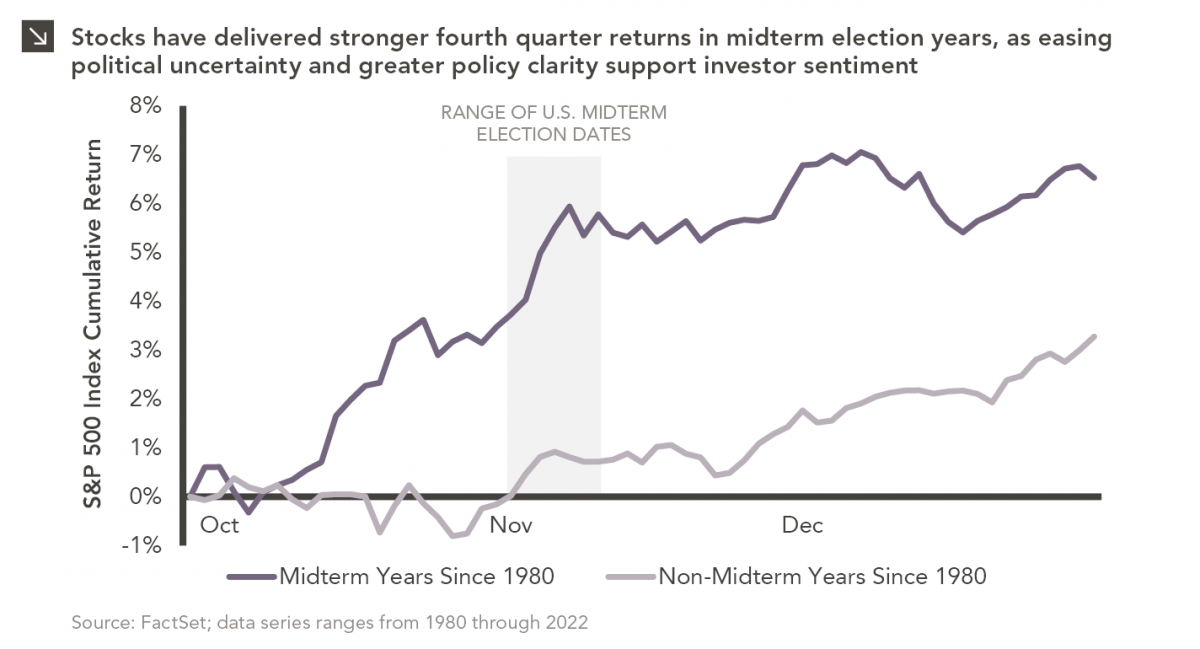
Since 1980, the S&P 500 Index has generally performed well in the weeks surrounding U.S. midterm elections. Specifically, the index…
10.12.2026
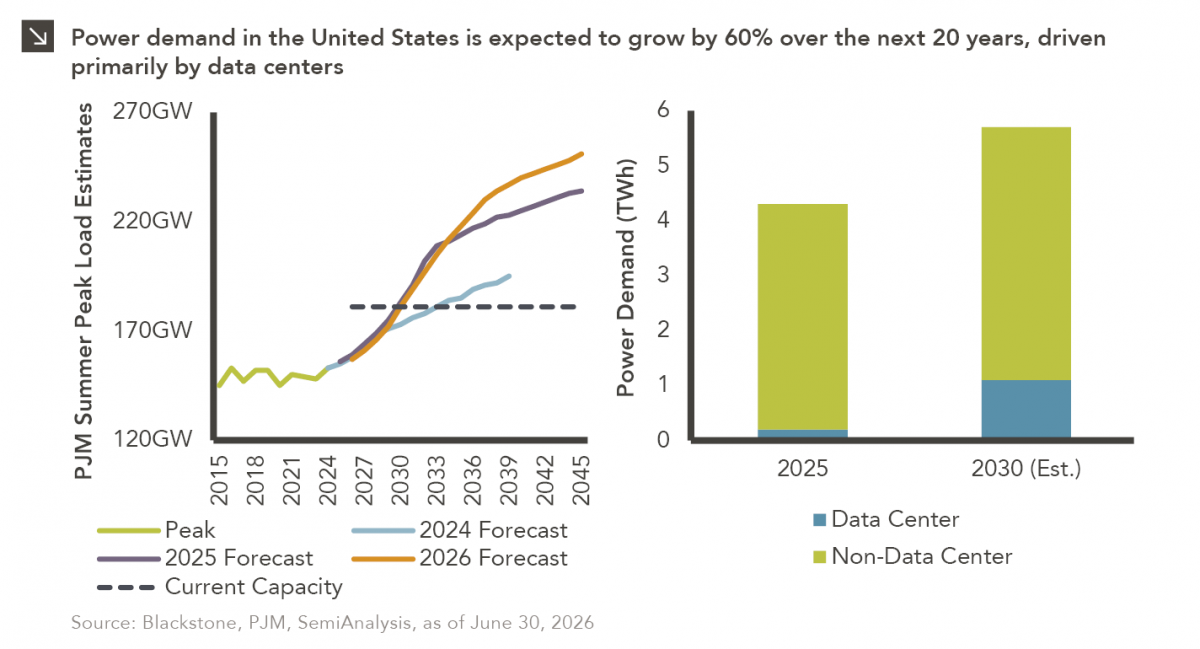
This week’s chart highlights the accelerating growth of electricity demand in the U.S., which has been driven primarily by the…
Research alerts keep you updated on our latest research publications. Simply enter your contact information, choose the research alerts you would like to receive and click Subscribe. Alerts will be sent as research is published.
We respect your privacy. We will never share or sell your information.
If you have questions or need further information, please contact us directly and we will respond to your inquiry within 24 hours.
Contact Us >