10.08.2026
3Q 2026 Market Insights
This video is a recording of a live webinar held October 22 by Marquette’s research team analyzing the third quarter…


A typical real estate cycle has four phases: recovery, expansion, hypersupply, and recession. Typically, the recession phase is marked by rising cap rates (a real estate valuation measure, calculated as the ratio of net operating income to market value), which then compress over the growth phases of the cycle as property values rise. However, the current cycle, which began shortly after the onset of the COVID-19 pandemic, has been atypical. Although we experienced a period of economic contraction, cap rates did not rise as they have in previous recessions. Two contributing factors may have been lower interest rate expectations in 2020 and the impact of government stimulus measures that helped occupiers navigate weaker market conditions. Now with cap rates at historic lows and interest rates expected to rise through 2021, real estate investors are asking whether a “blowout” (an increase in cap rates) is on the horizon.
Historically, cap rates have been driven by the interaction of (1) changes in U.S. government bond yields, (2) the real estate risk premium (the cap rate spread above U.S. treasuries), and (3) the expected-long term growth of rental income (net operating income (NOI)). In previous cycles, cap rate compression was in part driven by favorable liquidity conditions and falling treasury yields. Today, yields are rising, with 10-year rates already up meaningfully off the mid-2020 bottom. With NPI cap rates essentially flat, this means the real estate risk premium has compressed. Accordingly, rent growth is becoming a bigger driver of capital appreciation and more important to investors. Over the short term, we expect investors will favor properties with the highest rent or NOI growth potential and rotate out of properties where growth is more limited. This should benefit industrial warehouse and apartment properties in select markets to the detriment of more challenged retail and potentially office properties. As a result of this asset rotation, the cap rates of properties in high demand may continue to compress, while cap rates of more challenged properties may see the “blowout” the broader real estate market has so far avoided.
Print PDF > Where’s the Blowout?
Sources utilized: Cornerstone Real Estate Advisors, “Cap rates and RE cycles,” and Principal Real Estate Investors, “Interest rates are rising, should real estate be concerned?”
The opinions expressed herein are those of Marquette Associates, Inc. (“Marquette”), and are subject to change without notice. This material is not financial advice or an offer to purchase or sell any product. Marquette reserves the right to modify its current investment strategies and techniques based on changing market dynamics or client needs.

10.08.2026
This video is a recording of a live webinar held October 22 by Marquette’s research team analyzing the third quarter…

10.22.2026
Anyone who has run a marathon knows the last six miles are brutal — no matter how well the first…
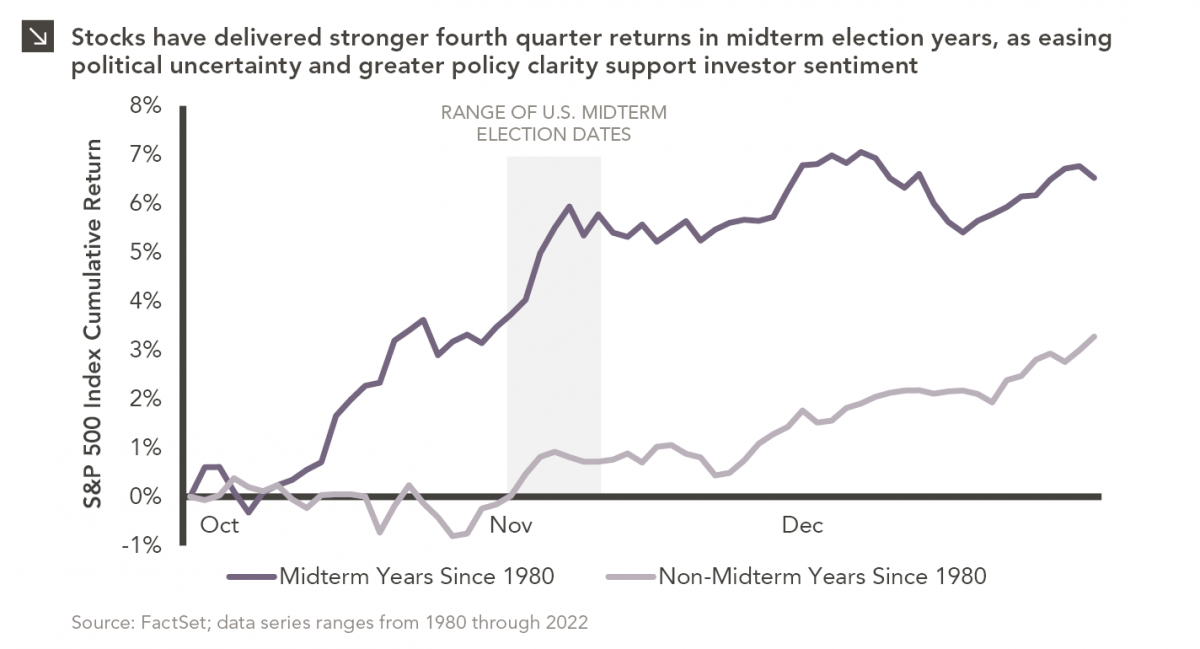
10.19.2026
Since 1980, the S&P 500 Index has generally performed well in the weeks surrounding U.S. midterm elections. Specifically, the index…
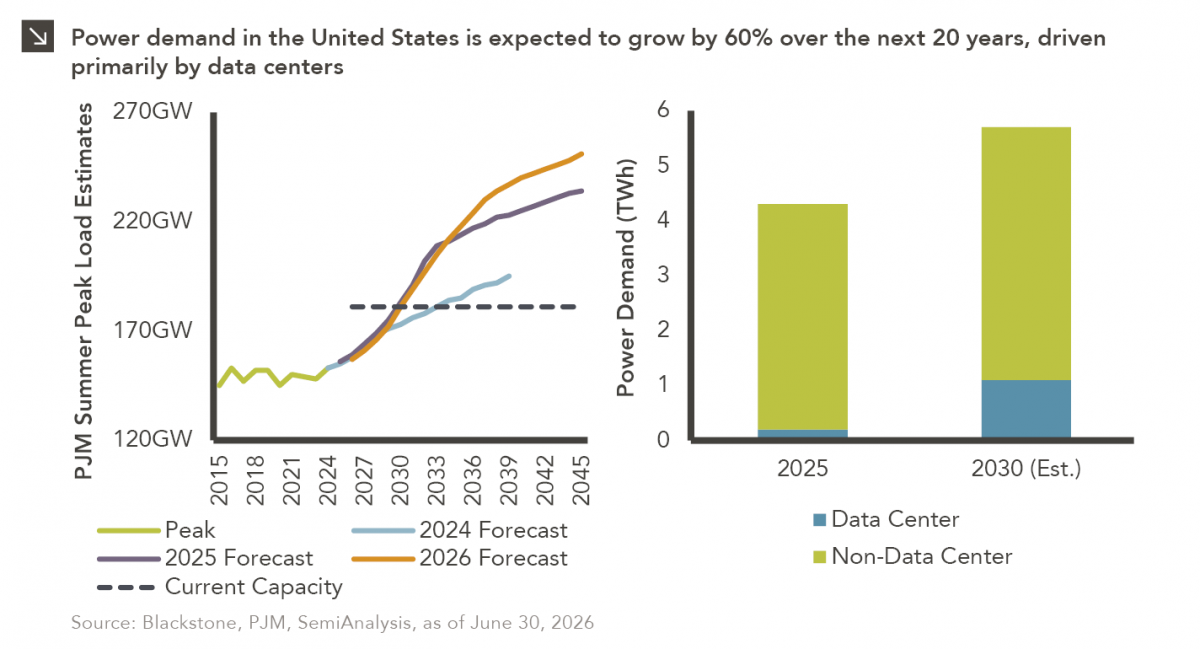
10.12.2026
This week’s chart highlights the accelerating growth of electricity demand in the U.S., which has been driven primarily by the…
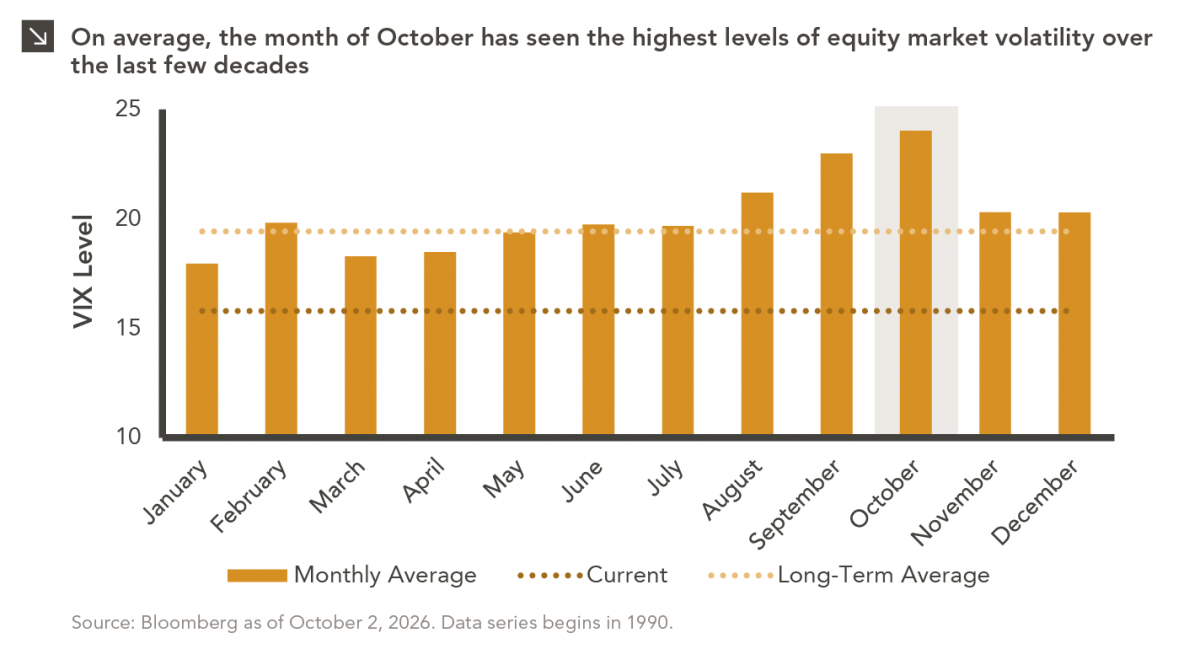
10.05.2026
For investors, the spookiest thing about October might not be the ghosts and monsters that are bound to show up…
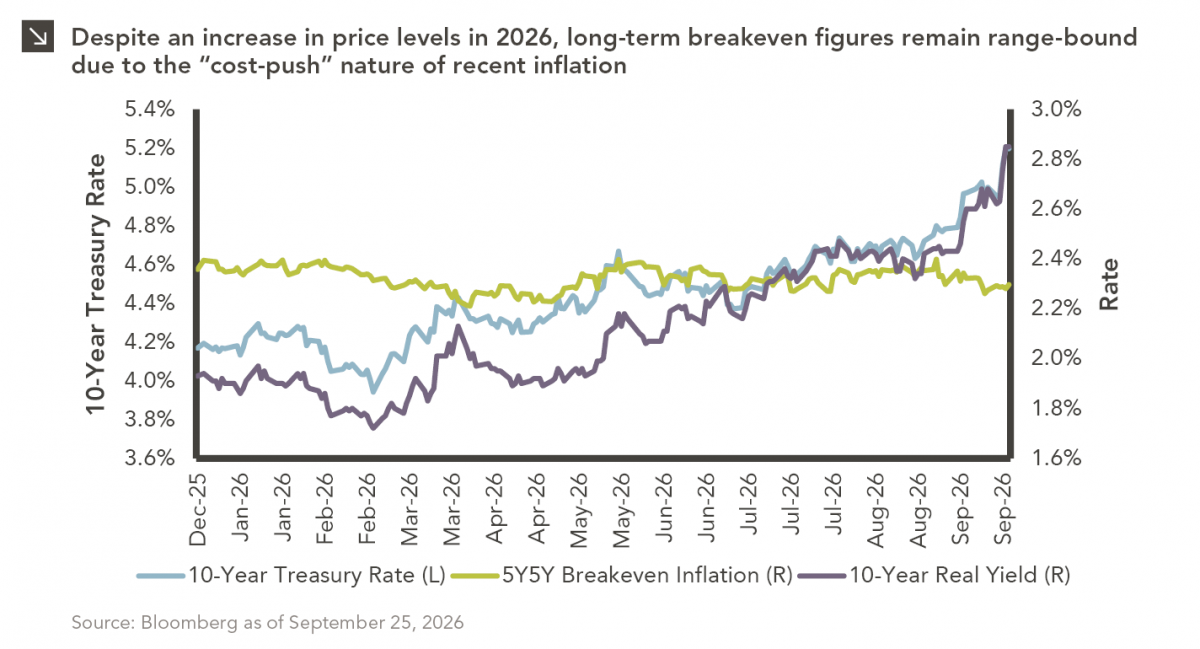
09.28.2026
The phrase “expectations of higher inflation” has become a staple in financial news to explain the increase in nominal U.S….
Research alerts keep you updated on our latest research publications. Simply enter your contact information, choose the research alerts you would like to receive and click Subscribe. Alerts will be sent as research is published.
We respect your privacy. We will never share or sell your information.
If you have questions or need further information, please contact us directly and we will respond to your inquiry within 24 hours.
Contact Us >