10.08.2026
3Q 2026 Market Insights
This video is a recording of a live webinar held October 22 by Marquette’s research team analyzing the third quarter…


Spreads for industries that were beat-up during the early 2020 COVID panic — energy, retail, and transportation — as well as for industries that proved more stable — financials, technology, and utilities — are now generally tighter than pre-pandemic levels in the bank loan and high yield markets. From here, spreads could tighten further as issuer fundamentals continue to improve, widen in a correction, or be volatile, blowing out and tightening back in throughout the economic recovery.
While a lot of progress has been made on the vaccination front, there is still more work to do. The fully vaccinated rate in the U.S. is currently 39%, not yet at 70% herd immunity. Globally, the fully vaccinated rate is only 5%, not even close to 70% herd immunity. While this leaves the economic recovery vulnerable, markets are forward-looking. In the bank loan and high yield markets, maturities have been pushed off, which is a positive, thanks to the large volume of issuance over the past year. Leverage levels of bank loan and high yield issuers are currently high, but due to decline, another positive, as earnings rise in the economic recovery. Use of proceeds from bank loan and high yield issuances¹ and aggressive issuance² are at benign levels, and defaults have been declining — more positive indicators. On the negative side, equity valuations are already at all-time highs and continuing to rise.
In summary, fundamentals are attractive, but valuations are not. We could potentially see spreads tighten further, but uncertainty is high, and we could also see a correction given the high valuations and frothy sentiment. While further spread tightening will be accretive to returns, it will limit short-term future price appreciation for fixed income strategies. Overall, this is a dynamic that bears watching, particularly as economic growth accelerates and the pandemic continues to fade.
Print PDF > Spreads Largely Pricing in a Full Recovery
¹ Such as towards refinancings (a sign of conservativism) versus acquisitions and LBOs (a sign of frothiness).
² Such as CCC bank loan and high yield issuance and 2nd lien bank loan issuance.
The opinions expressed herein are those of Marquette Associates, Inc. (“Marquette”), and are subject to change without notice. This material is not financial advice or an offer to purchase or sell any product. Marquette reserves the right to modify its current investment strategies and techniques based on changing market dynamics or client needs.

10.08.2026
This video is a recording of a live webinar held October 22 by Marquette’s research team analyzing the third quarter…

10.22.2026
Anyone who has run a marathon knows the last six miles are brutal — no matter how well the first…
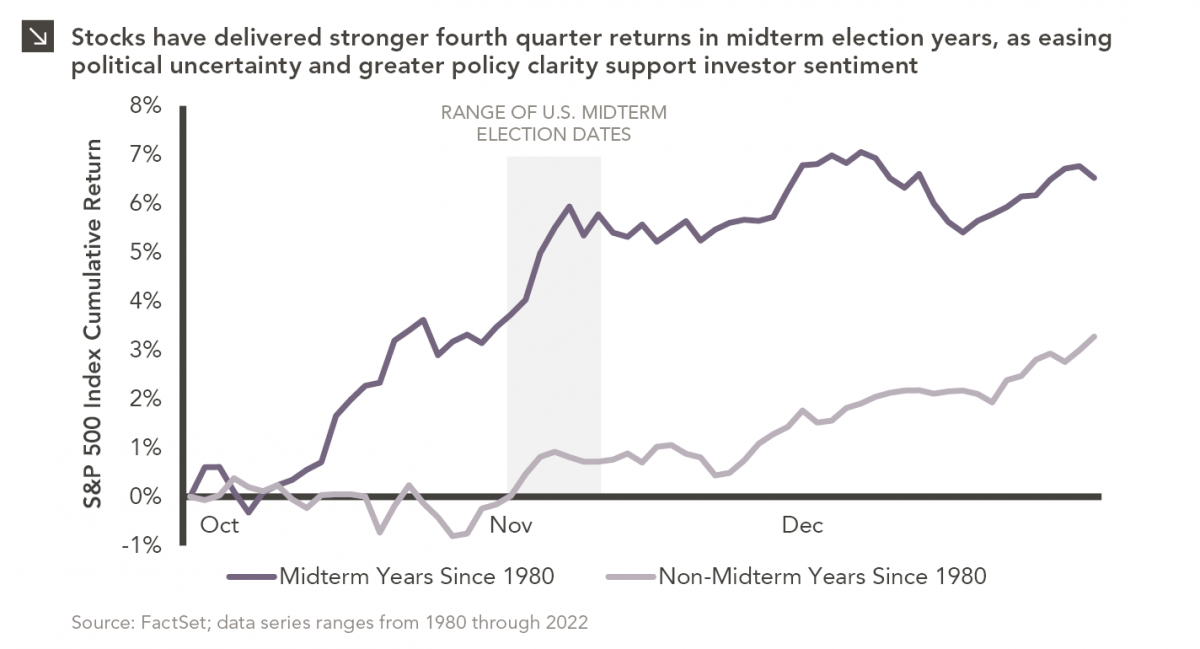
10.19.2026
Since 1980, the S&P 500 Index has generally performed well in the weeks surrounding U.S. midterm elections. Specifically, the index…
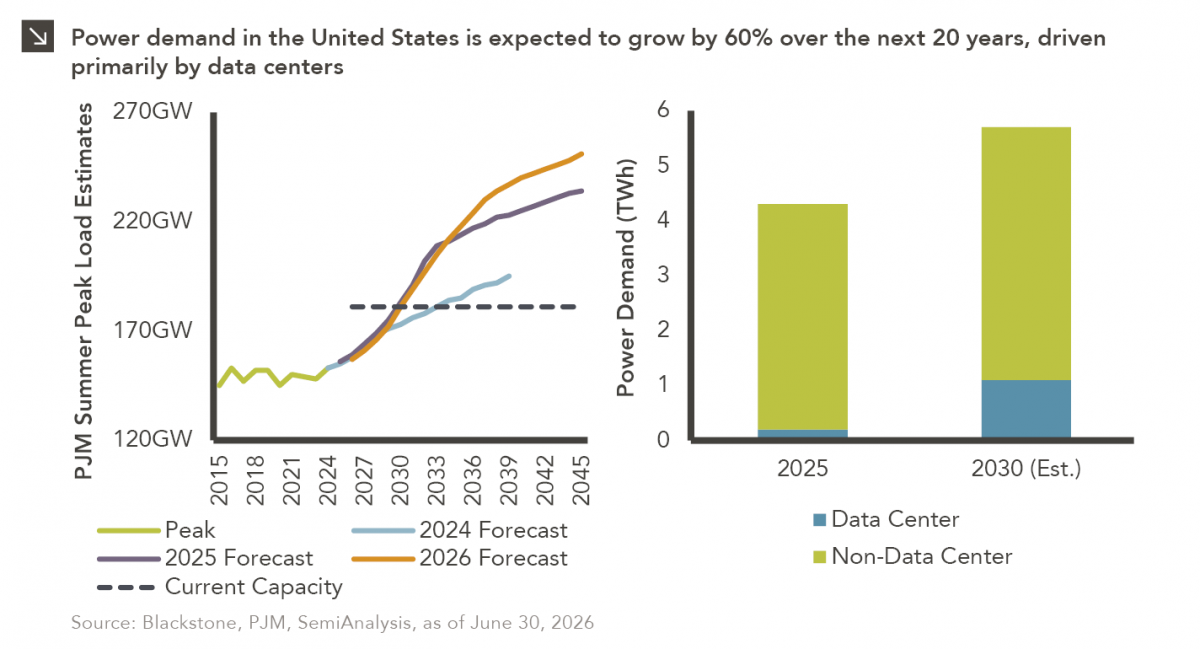
10.12.2026
This week’s chart highlights the accelerating growth of electricity demand in the U.S., which has been driven primarily by the…
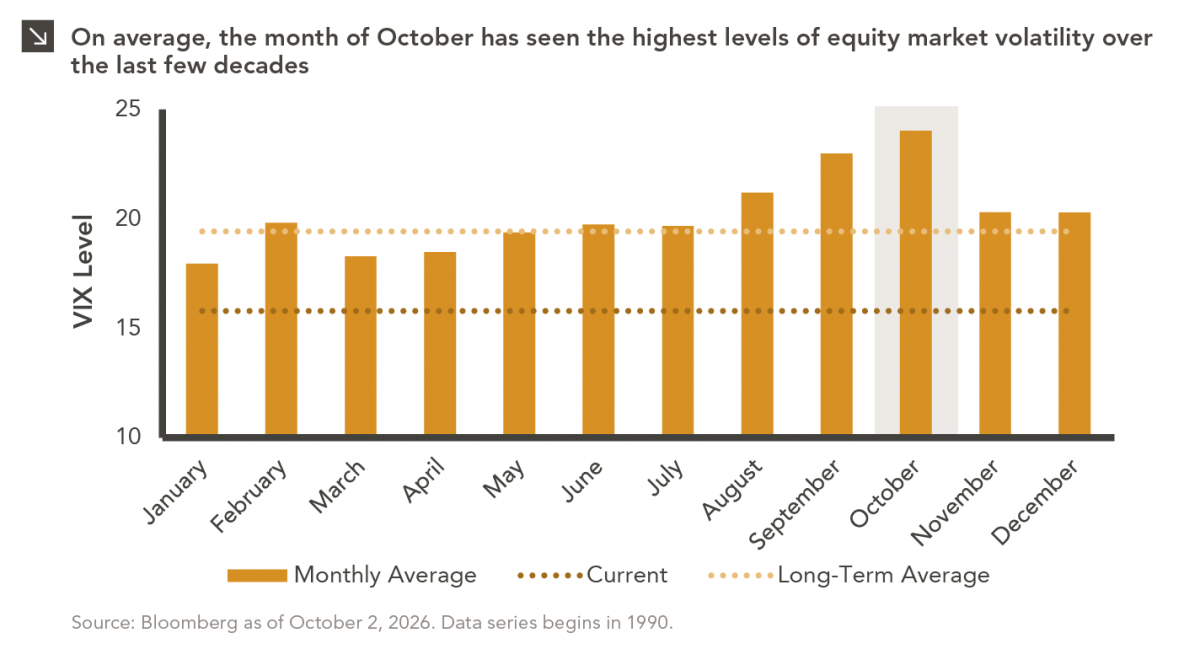
10.05.2026
For investors, the spookiest thing about October might not be the ghosts and monsters that are bound to show up…
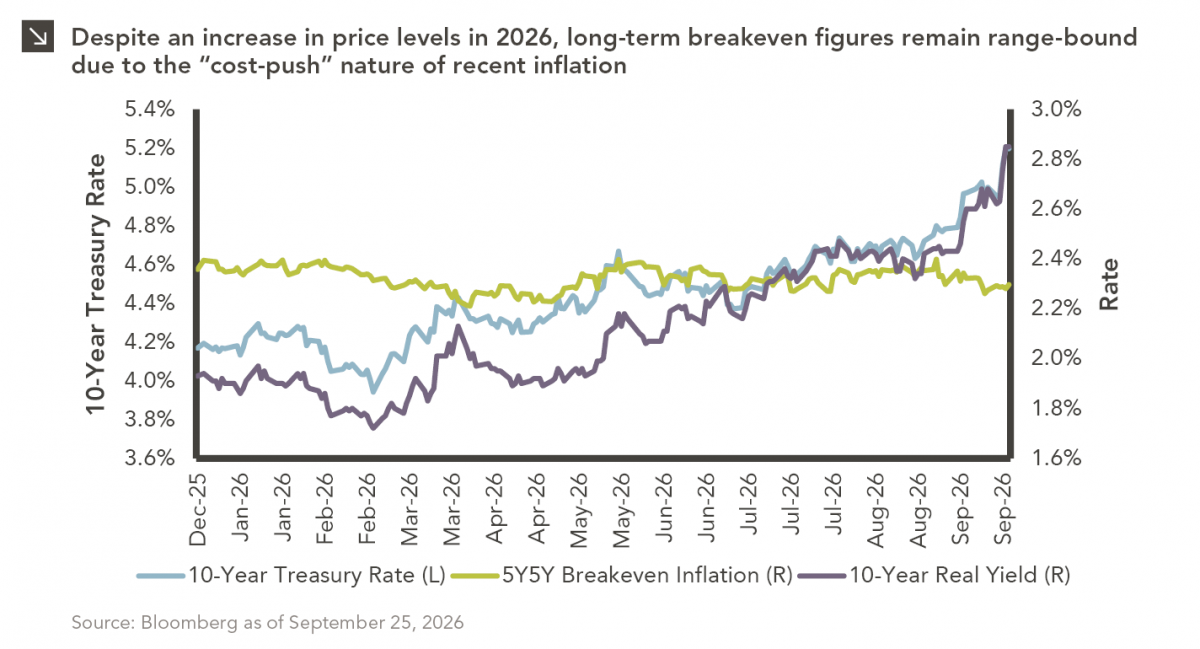
09.28.2026
The phrase “expectations of higher inflation” has become a staple in financial news to explain the increase in nominal U.S….
Research alerts keep you updated on our latest research publications. Simply enter your contact information, choose the research alerts you would like to receive and click Subscribe. Alerts will be sent as research is published.
We respect your privacy. We will never share or sell your information.
If you have questions or need further information, please contact us directly and we will respond to your inquiry within 24 hours.
Contact Us >