10.08.2026
3Q 2026 Market Insights
This video is a recording of a live webinar held October 22 by Marquette’s research team analyzing the third quarter…


Thanks to a rollout of effective vaccines at the beginning of 2021, daily new cases of COVID-19 in the United States steadily declined from roughly 250,000 in January to 12,000 in July. That said, daily new infections then quickly reverted to over 80,000 in about one month. This uptick was mostly due to the outbreak of the Delta variant, a more contagious form of SARS-CoV-2 which now accounts for nearly all new cases in the U.S. With the nation now better prepared to combat the strain using both vaccinations and regulations including mask mandates, new daily cases of the Delta variant have since declined to around 54,000 in recent days. This week’s chart assesses the impact of the Delta variant on the domestic economic reopening by examining travel and dining trends using datasets from OpenTable — an online/mobile restaurant reservation service — and the Transportation Security Administration. To measure the scale of the economic slowdown caused by the coronavirus pandemic, the chart shows the percentage change in the number of restaurant diners and air travelers compared to pre-pandemic levels in 2019 (e.g., 10/10/21 vs. 10/10/19). Seated diners are individuals who dined at a sample of restaurants in the United States using OpenTable via online reservations, phone reservations, and walk-ins. Air travelers are those individuals who were screened by TSA agents at security checkpoints within airports in the U.S.
As can be inferred from the chart, both datasets clearly indicate a complete economic shutdown in March of 2020 following the onset of the pandemic. This was followed by an economic reopening several months later, represented by consistent upward trends in both data series leading up to June of 2021. When the Delta variant started circulating in July, seated diners and air travelers decreased by 20% and 30% in the following periods, respectively (compared to 2019 levels), marking a shift in the trends that had been exhibited in previous months. That said, both series picked back up shortly thereafter, reaching -4.8% and -18.4% in October, respectively (again, when compared to levels recorded in 2019), as daily new cases of the Delta variant have subsided. All of this is to say that the impact of the Delta variant on the U.S. economy pales in comparison to that of the original COVID-19 outbreak, as individuals and businesses alike seem better equipped to balance protection against the virus with economic activity. If daily new cases of the Delta variant continue to decline and the vaccination rate in the United States improves, the data indicate that a full economic reopening could take place in the foreseeable future.
Print PDF > The Impact of the Delta Variant on the U.S. Economic Reopening
The opinions expressed herein are those of Marquette Associates, Inc. (“Marquette”), and are subject to change without notice. This material is not financial advice or an offer to purchase or sell any product. Marquette reserves the right to modify its current investment strategies and techniques based on changing market dynamics or client needs.

10.08.2026
This video is a recording of a live webinar held October 22 by Marquette’s research team analyzing the third quarter…

10.22.2026
Anyone who has run a marathon knows the last six miles are brutal — no matter how well the first…
10.19.2026
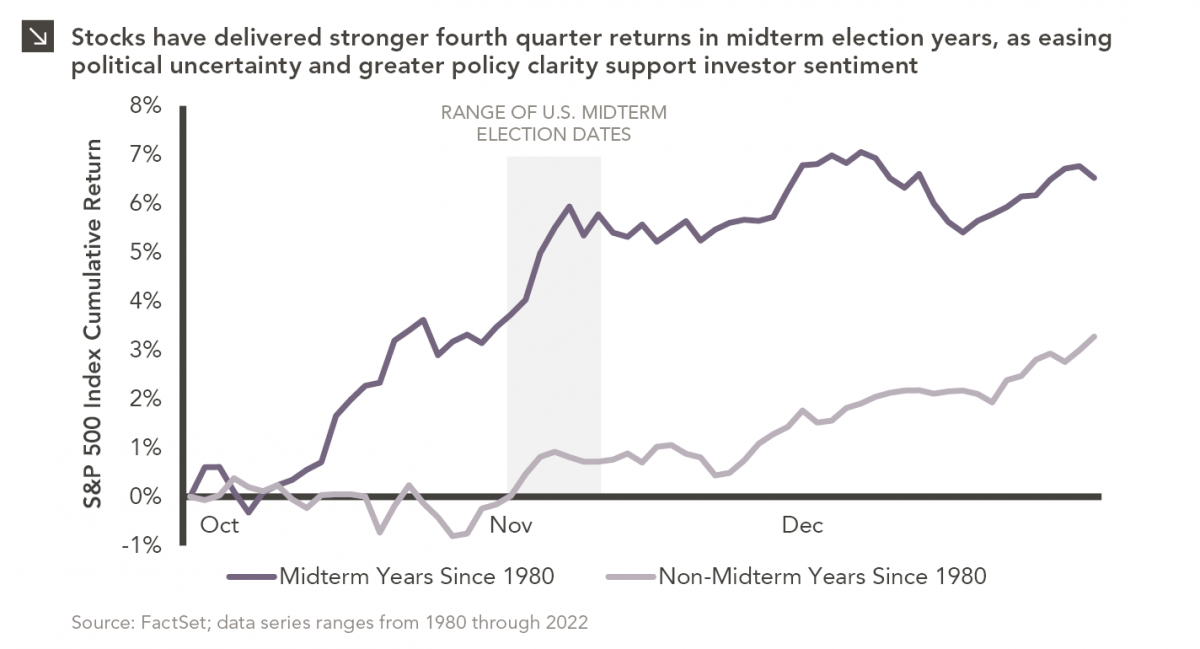
Since 1980, the S&P 500 Index has generally performed well in the weeks surrounding U.S. midterm elections. Specifically, the index…
10.12.2026
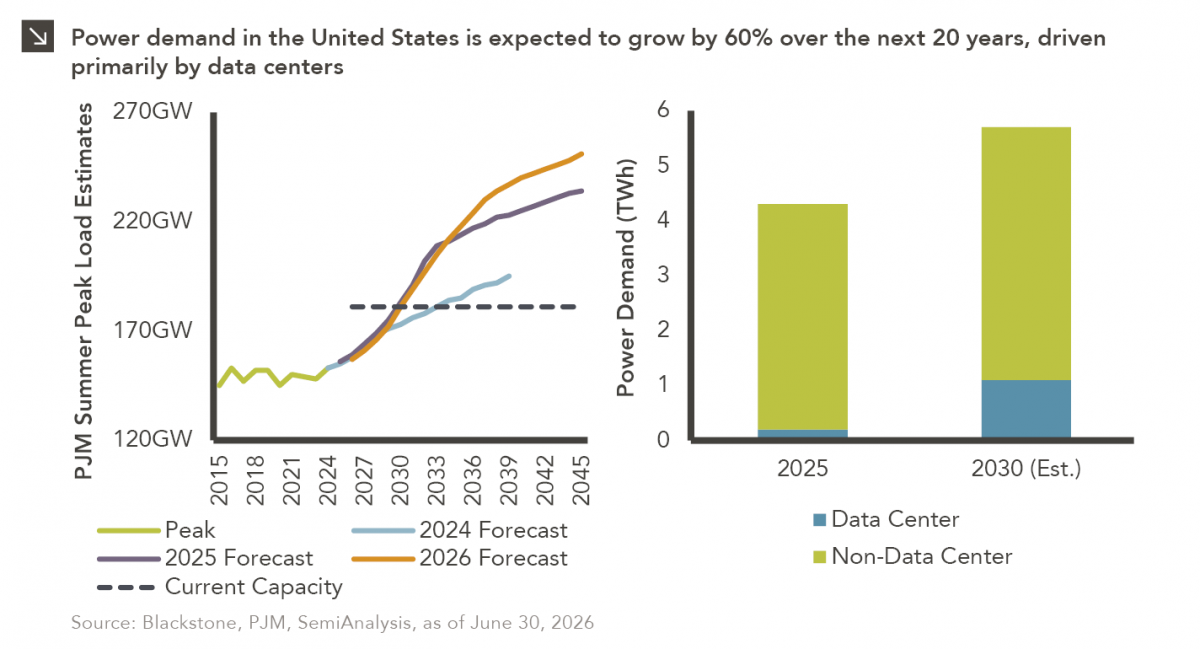
This week’s chart highlights the accelerating growth of electricity demand in the U.S., which has been driven primarily by the…
10.05.2026
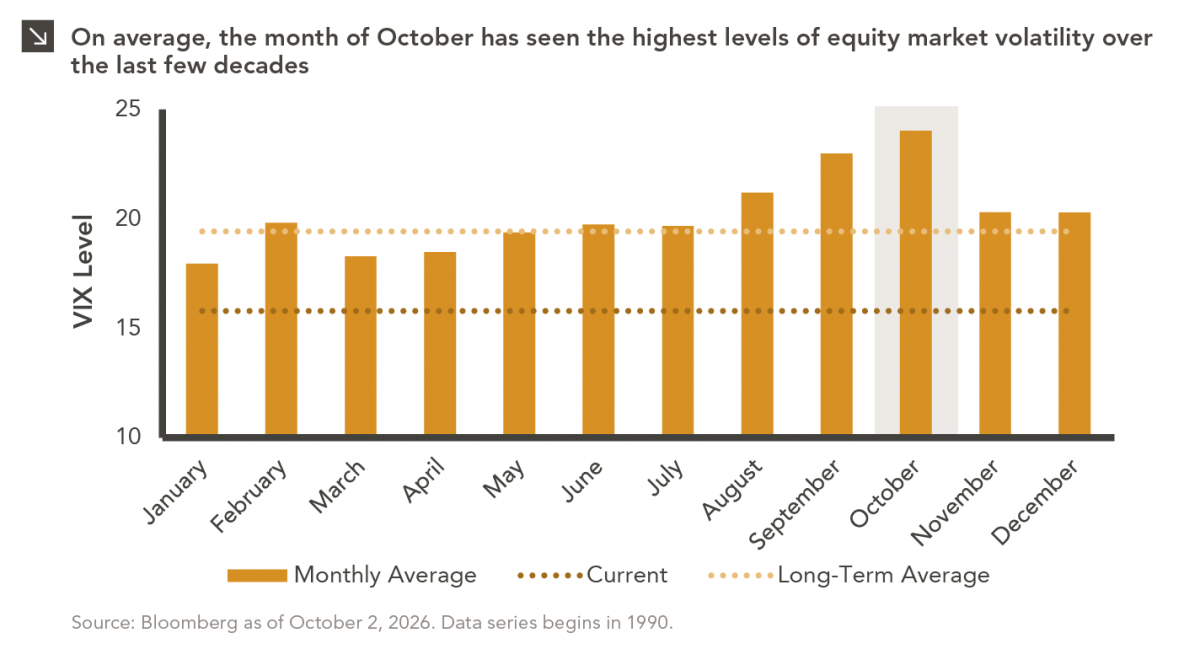
For investors, the spookiest thing about October might not be the ghosts and monsters that are bound to show up…
09.28.2026
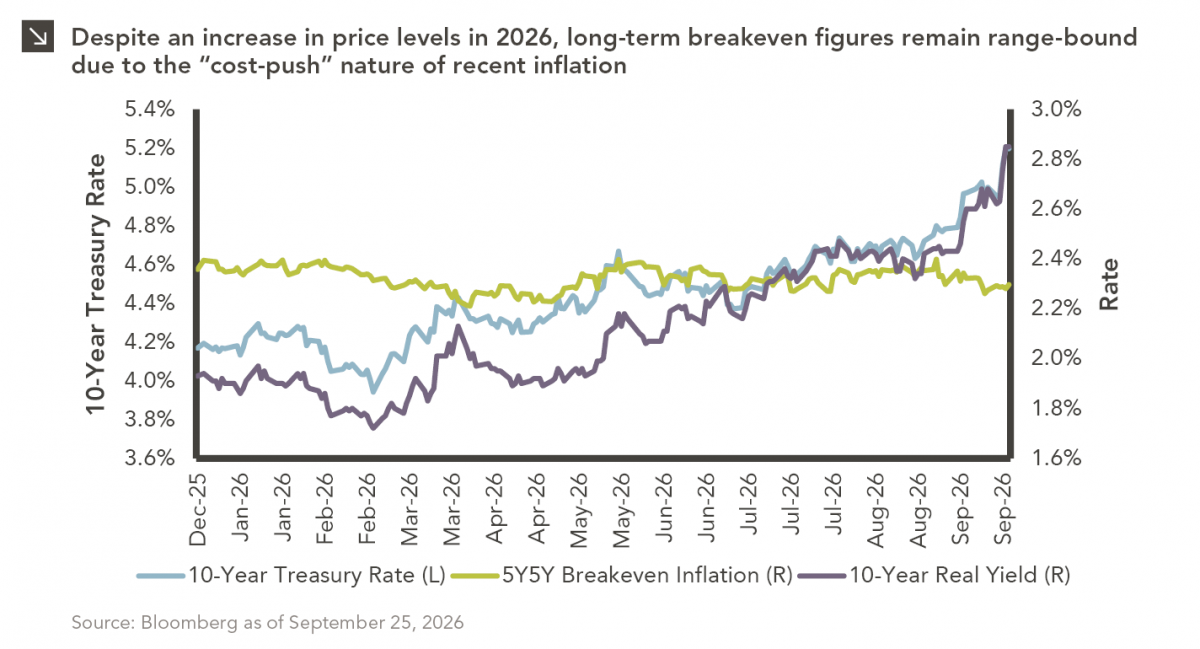
The phrase “expectations of higher inflation” has become a staple in financial news to explain the increase in nominal U.S….
Research alerts keep you updated on our latest research publications. Simply enter your contact information, choose the research alerts you would like to receive and click Subscribe. Alerts will be sent as research is published.
We respect your privacy. We will never share or sell your information.
If you have questions or need further information, please contact us directly and we will respond to your inquiry within 24 hours.
Contact Us >