10.08.2026
3Q 2026 Market Insights
This video is a recording of a live webinar held October 22 by Marquette’s research team analyzing the third quarter…


As the Omicron variant continues to spread like wildfire across the globe, companies once again find themselves modifying plans for a return to in-person work. Although the market for U.S. office space started to show signs of stabilization during the second half of 2021, the new wave of Omicron cases has already started to impede the recovery across most industries. As a result, the office sector could potentially endure the most profound and longest lasting impact from the recent case surge among the four major core property types. Current remote work dynamics and incremental office supply are expected to exert additional upward pressure on vacancy rates, which increased during the third quarter of 2021 to 16.8%. While the emergence of virus variants and the prevalence of unvaccinated individuals may act as catalysts for permanent changes within the office sector, many companies are expected to opt for flexible work schedules in 2022 rather than leasing additional real estate. With businesses contemplating further vaccination requirements, as well as continued travel restrictions and virtual interactions, there now exists a widening gap between occupied and underutilized office space. To that point, net absorption rates, which serve to quantify the difference between leases and vacancies, have fallen by roughly 120 million square feet during the pandemic, representing the largest drop since the 2001 Technology Bubble.
Going forward, corporations and employees alike may be forced to navigate through a unique work environment on a permanent basis. While hybrid and remote working approaches will likely serve as headwinds for the demand for office space in the aggregate, institutional investors may be well-positioned to achieve portfolio alpha with long-term exposures to high-quality tenants, Class A properties, office conversions, and distressed low-occupancy buildings. As a firm, Marquette will remain focused on working with our clients to target markets with a compelling mix of talent, demographics, and tenants.
Print PDF > Office Space in Need of a Booster
The opinions expressed herein are those of Marquette Associates, Inc. (“Marquette”), and are subject to change without notice. This material is not financial advice or an offer to purchase or sell any product. Marquette reserves the right to modify its current investment strategies and techniques based on changing market dynamics or client needs.

10.08.2026
This video is a recording of a live webinar held October 22 by Marquette’s research team analyzing the third quarter…

10.22.2026
Anyone who has run a marathon knows the last six miles are brutal — no matter how well the first…
10.19.2026
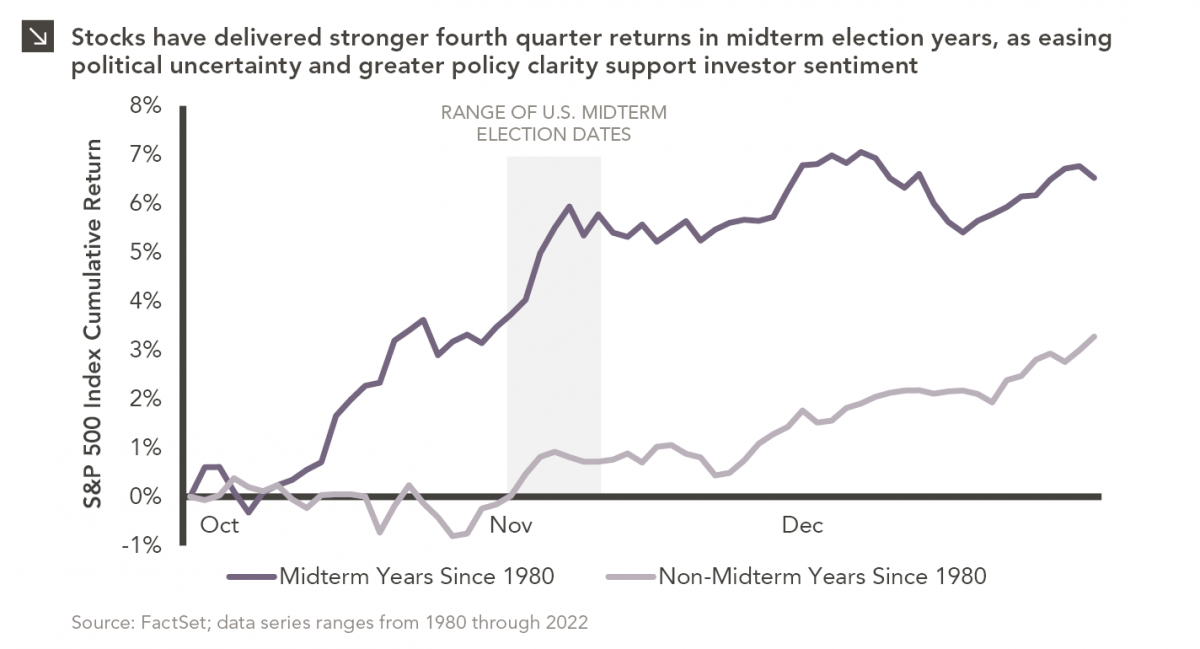
Since 1980, the S&P 500 Index has generally performed well in the weeks surrounding U.S. midterm elections. Specifically, the index…
10.12.2026
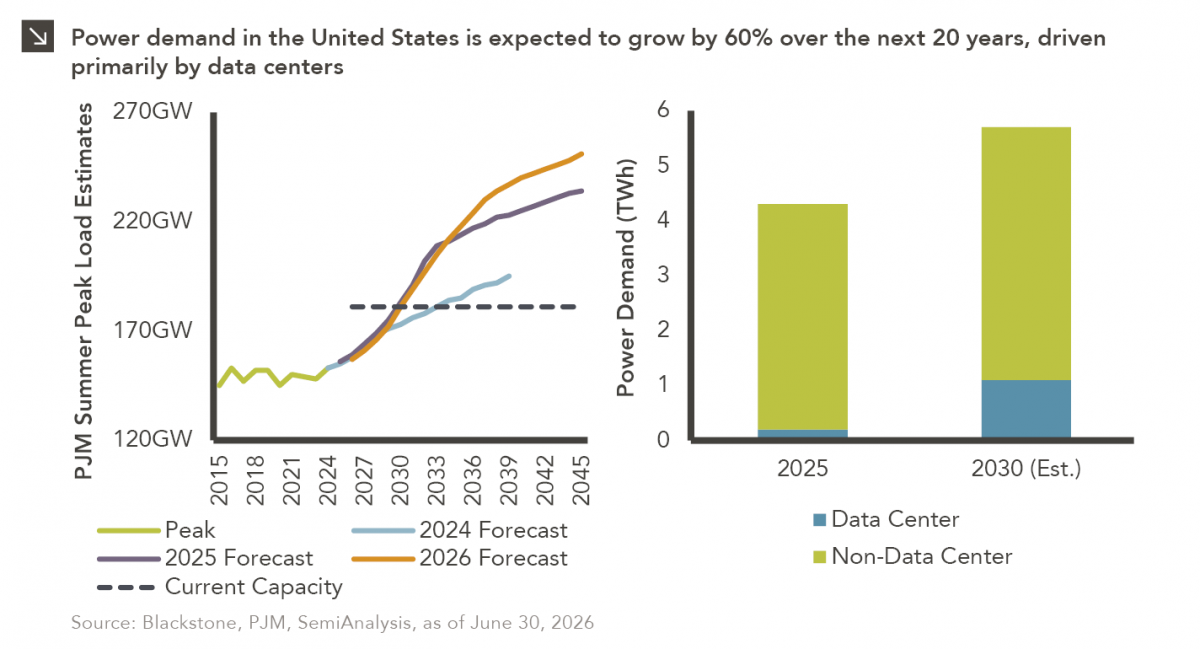
This week’s chart highlights the accelerating growth of electricity demand in the U.S., which has been driven primarily by the…
10.05.2026
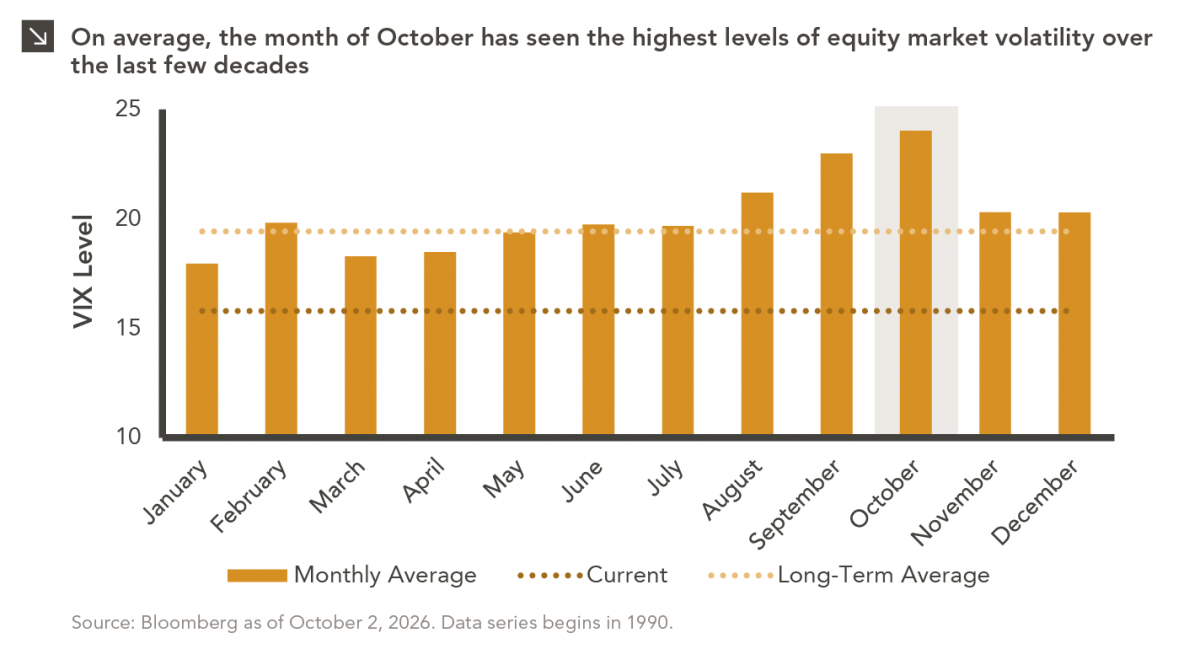
For investors, the spookiest thing about October might not be the ghosts and monsters that are bound to show up…
09.28.2026
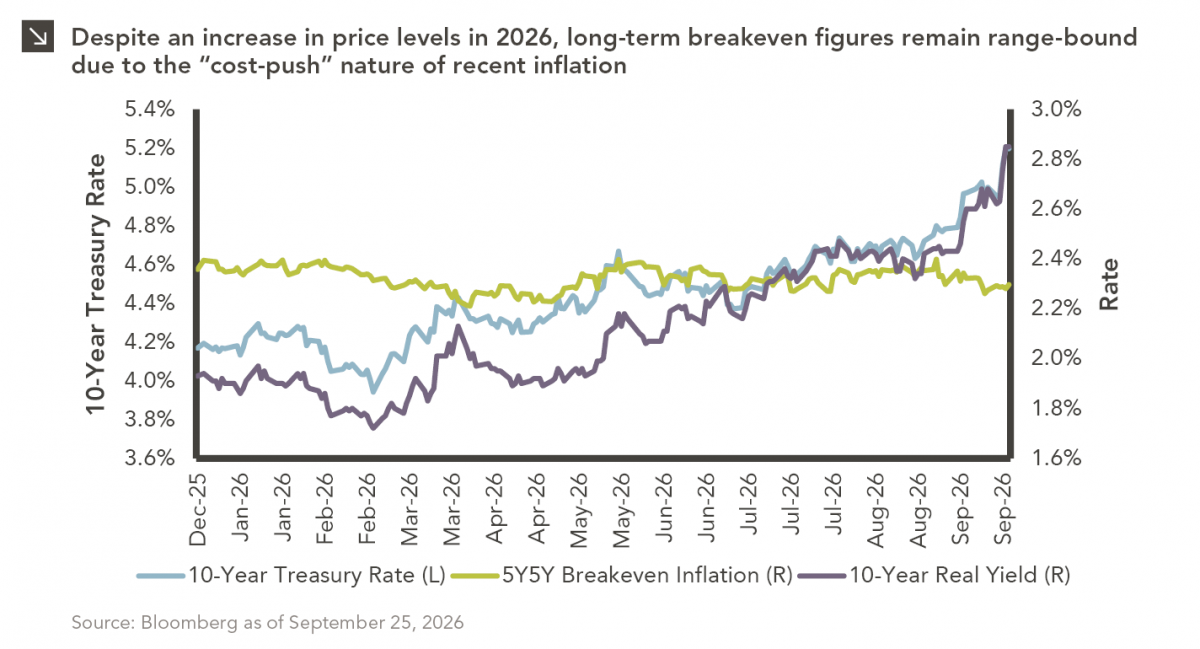
The phrase “expectations of higher inflation” has become a staple in financial news to explain the increase in nominal U.S….
Research alerts keep you updated on our latest research publications. Simply enter your contact information, choose the research alerts you would like to receive and click Subscribe. Alerts will be sent as research is published.
We respect your privacy. We will never share or sell your information.
If you have questions or need further information, please contact us directly and we will respond to your inquiry within 24 hours.
Contact Us >