10.08.2026
3Q 2026 Market Insights
This video is a recording of a live webinar held October 22 by Marquette’s research team analyzing the third quarter…


When First Republic Bank’s 84 branches opened Monday morning, they belonged to the since-failed bank in signage alone after a tumultuous several weeks marked by depositor flight and a portfolio of loans that had dropped substantially in value amid rising interest rates. Three of the four largest U.S. bank failures have occurred in the past two months, with First Republic, now the second-largest bank to fail in U.S. history, behind only the 2008 collapse of Washington Mutual, the latest.
Despite an initial $30 billion lifeline from the U.S.’s largest banks in the wake of the Silicon Valley Bank (SVB) collapse, First Republic went on to lose more than $100 billion in deposits during March. Regulators took control of First Republic and oversaw a sale to JPMorgan Chase on Monday morning. JPMorgan, already the nation’s largest bank, will take on all $92 billion of deposits remaining at First Republic and “substantially all” of its assets, including $173 billion of loans and approximately $30 billion of securities. As part of the agreement, the FDIC will cover some of First Republic’s loan losses and provide JPMorgan with $50 billion in financing, with the deal estimated to cost the FDIC roughly $13 billion. JPMorgan will also return the $25 billion in uninsured deposits its large peers deposited into First Republic as part of the Treasury’s March plan to prop up the bank.
While the U.S. banking system is not yet out of the woods, the demise of First Republic, another regional lender with a concentrated depositor base and an investment portfolio that was overly exposed to rising rates, does not come as a surprise and does not change the contagion narrative. Markets have remained calm with generally solid earnings reports from other regional banks and ongoing support from the FDIC. While overall macro uncertainty remains, the risk of a broader breakdown in the U.S. banking system does not seem to be an imminent threat.
Print PDF > The Eagle Has Fallen
The opinions expressed herein are those of Marquette Associates, Inc. (“Marquette”), and are subject to change without notice. This material is not financial advice or an offer to purchase or sell any product. Marquette reserves the right to modify its current investment strategies and techniques based on changing market dynamics or client needs.

10.08.2026
This video is a recording of a live webinar held October 22 by Marquette’s research team analyzing the third quarter…

10.22.2026
Anyone who has run a marathon knows the last six miles are brutal — no matter how well the first…
10.19.2026
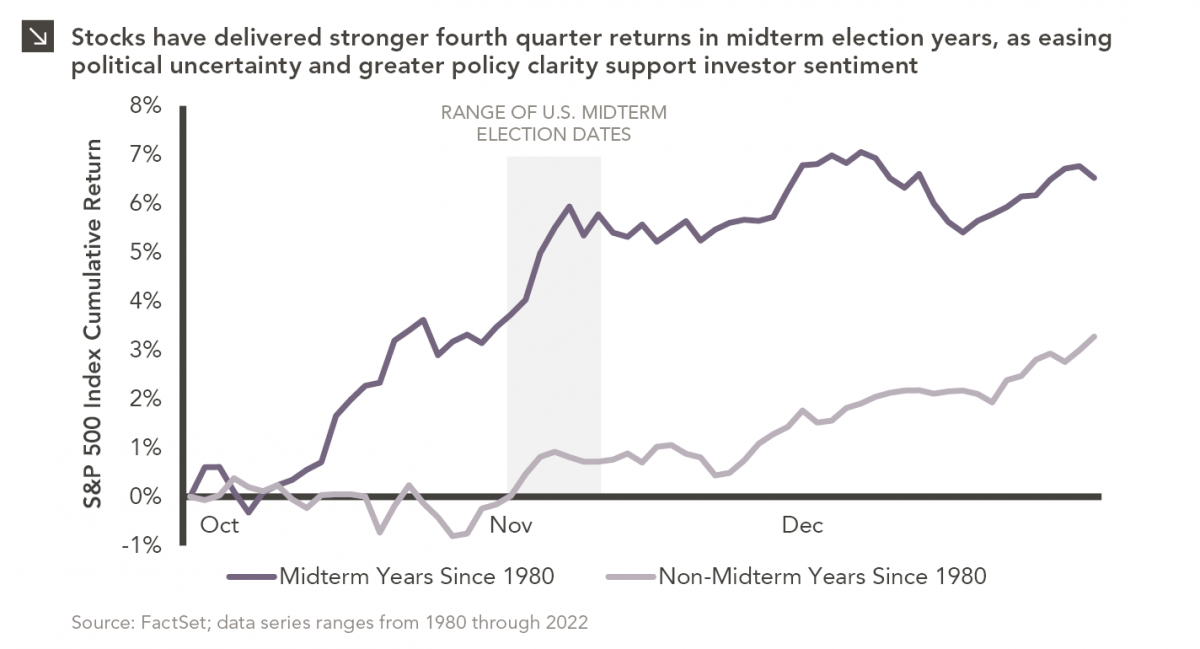
Since 1980, the S&P 500 Index has generally performed well in the weeks surrounding U.S. midterm elections. Specifically, the index…
10.12.2026
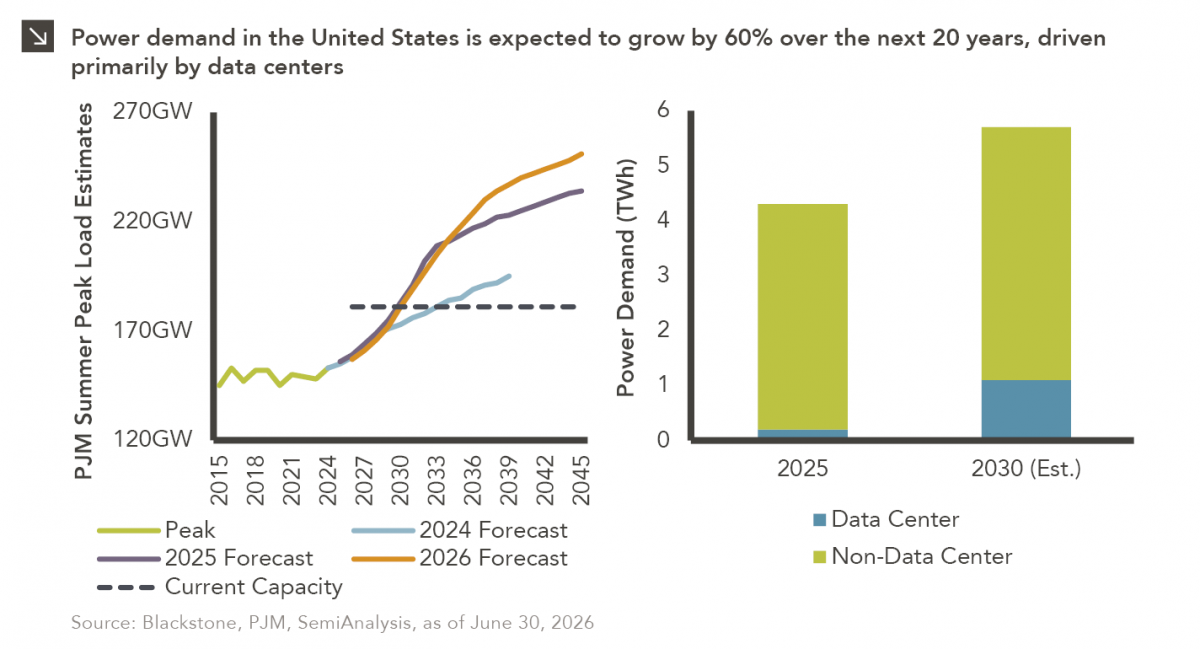
This week’s chart highlights the accelerating growth of electricity demand in the U.S., which has been driven primarily by the…
10.05.2026
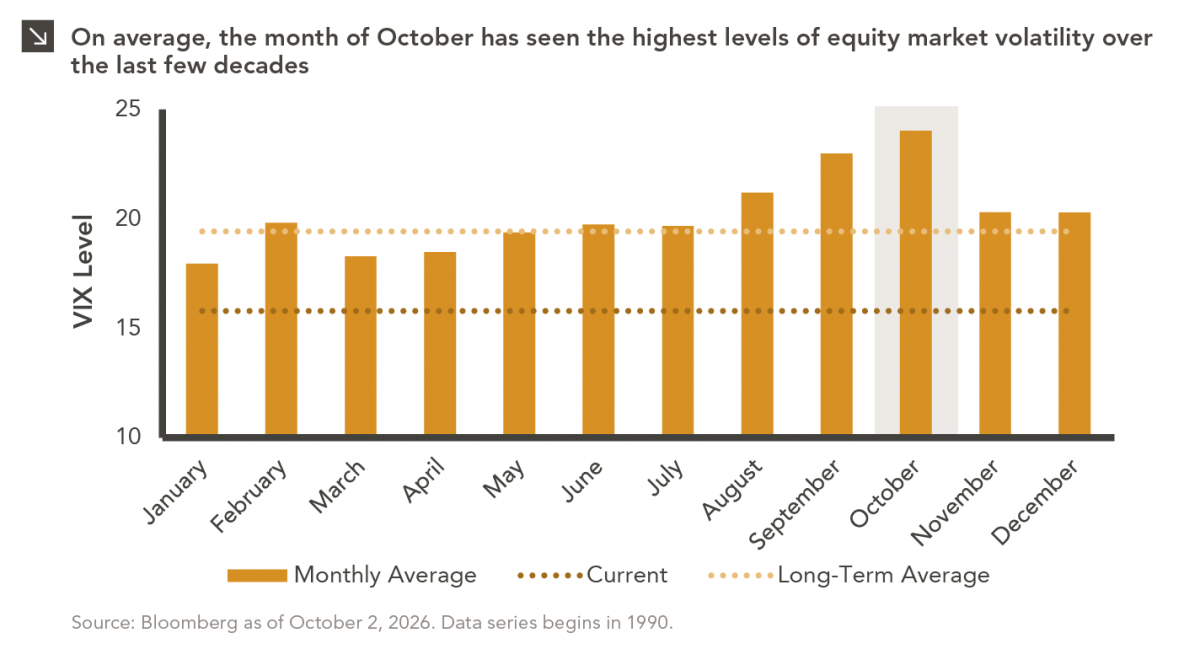
For investors, the spookiest thing about October might not be the ghosts and monsters that are bound to show up…
09.28.2026
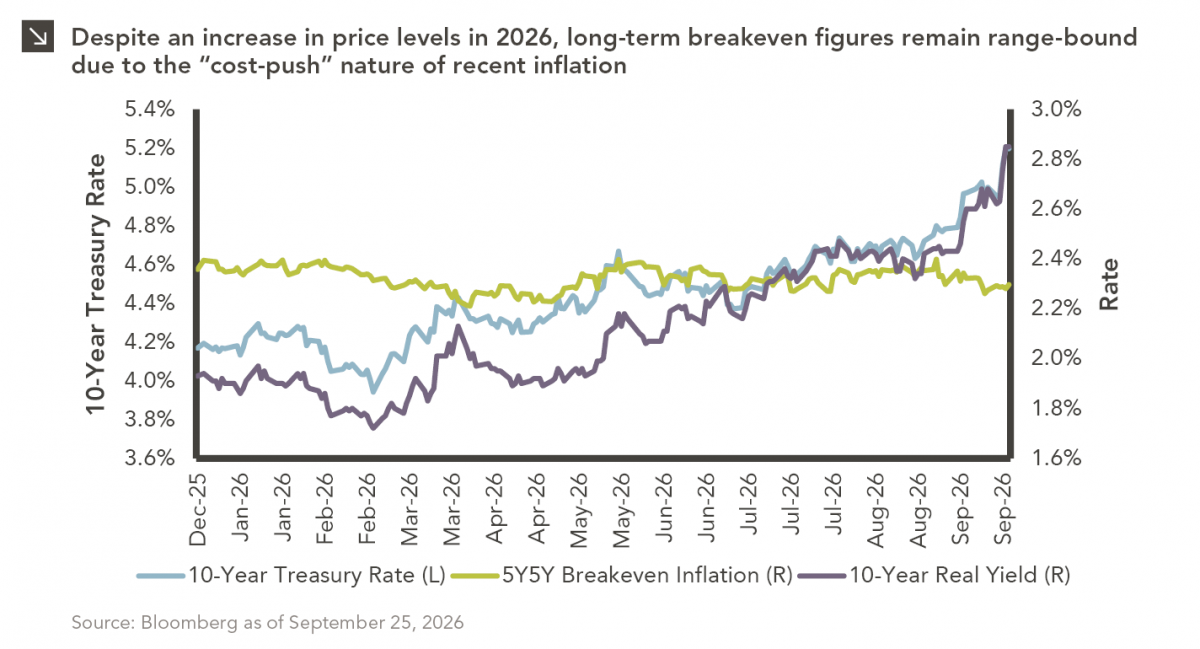
The phrase “expectations of higher inflation” has become a staple in financial news to explain the increase in nominal U.S….
Research alerts keep you updated on our latest research publications. Simply enter your contact information, choose the research alerts you would like to receive and click Subscribe. Alerts will be sent as research is published.
We respect your privacy. We will never share or sell your information.
If you have questions or need further information, please contact us directly and we will respond to your inquiry within 24 hours.
Contact Us >