Eddie Arrieta
Associate Research Analyst
Get to Know Eddie


M2 money supply, as defined by the Federal Reserve, includes M1 (currency and coins held by the non-bank public, checkable deposits, and travelers’ checks) plus savings deposits (including money market deposit accounts), small time deposits under $100,000, and shares in retail money market mutual funds. M2 rapidly increased throughout 2020 and 2021 amid COVID-related monetary stimulus, to a peak of almost $22 trillion in July 2022. As the economy reopened and inflation accelerated — with headline CPI hitting a peak of 9% year-over-year in June 2022 — the Fed responded with a series of rate hikes and quantitative tightening measures. The result has been a rapid decrease in the money supply, with M2 down 3.6% year-over-year as of June 2023. The effects of the swift reduction in M2 have likely only begun to be felt, but a continued contraction — facilitated by higher-for-longer rates and continued quantitative tightening — could help cool inflation further and contribute to a soft landing for the economy.
Print PDF > Honey, I Shrunk the Money Supply

The opinions expressed herein are those of Marquette Associates, Inc. (“Marquette”), and are subject to change without notice. This material is not financial advice or an offer to purchase or sell any product. Marquette reserves the right to modify its current investment strategies and techniques based on changing market dynamics or client needs.
08.31.2026
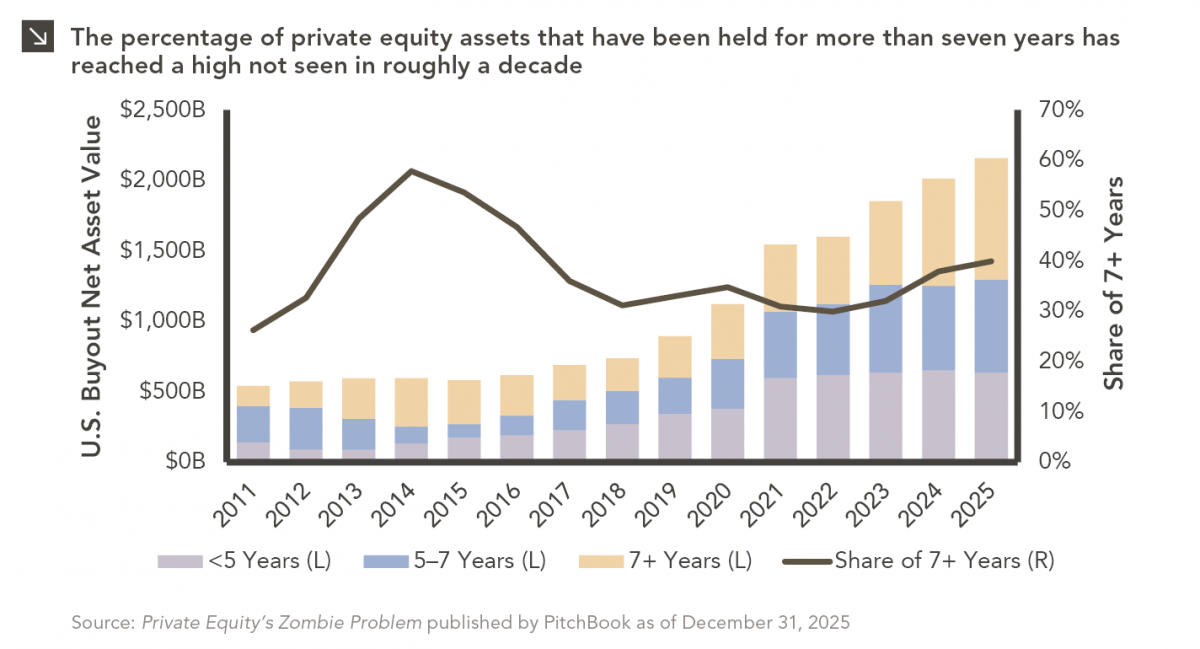
Private equity has always had a few portfolio companies that refused to leave the party. Today, however, the industry appears…
08.24.2026
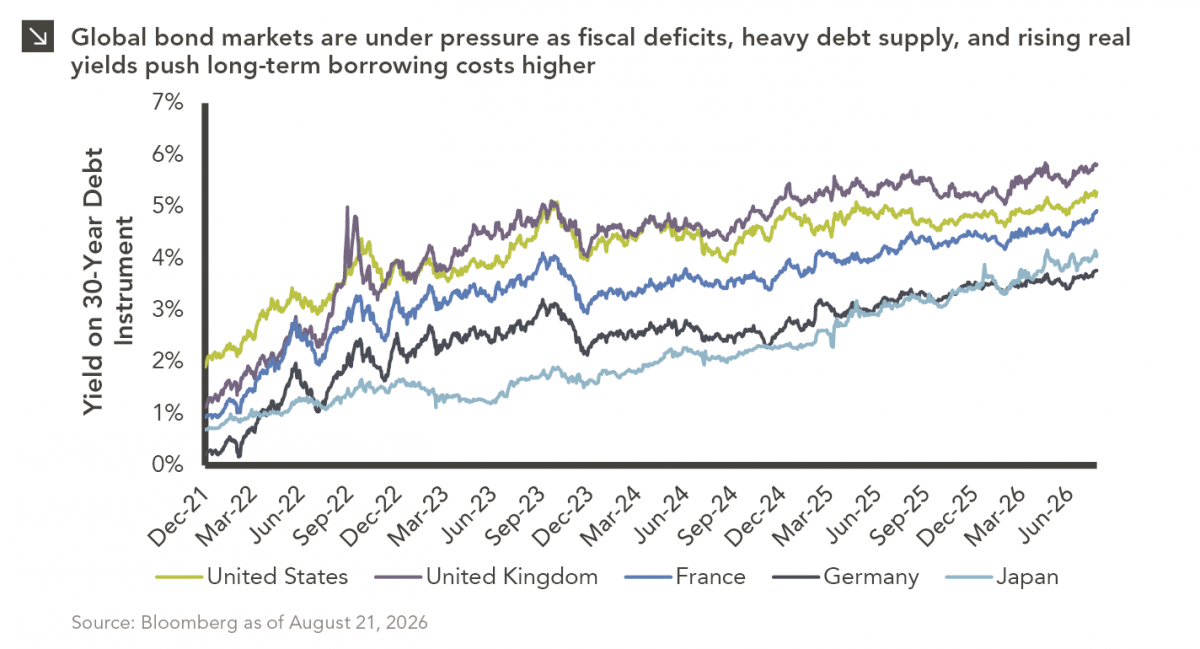
The global bond market is facing renewed pressure as investors demand higher yields to hold long-dated government debt, pushing borrowing…
08.17.2026
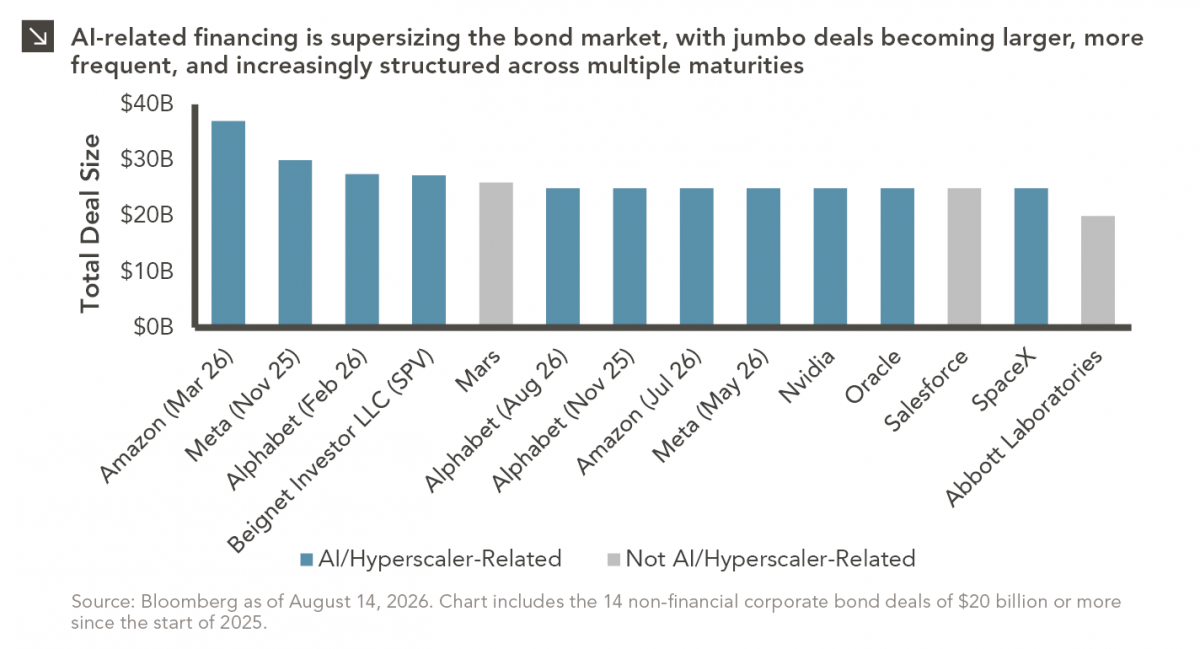
As a college football player struggling to put on mass, the “supersizing” deal at McDonald’s was hard to beat. For…
08.10.2026
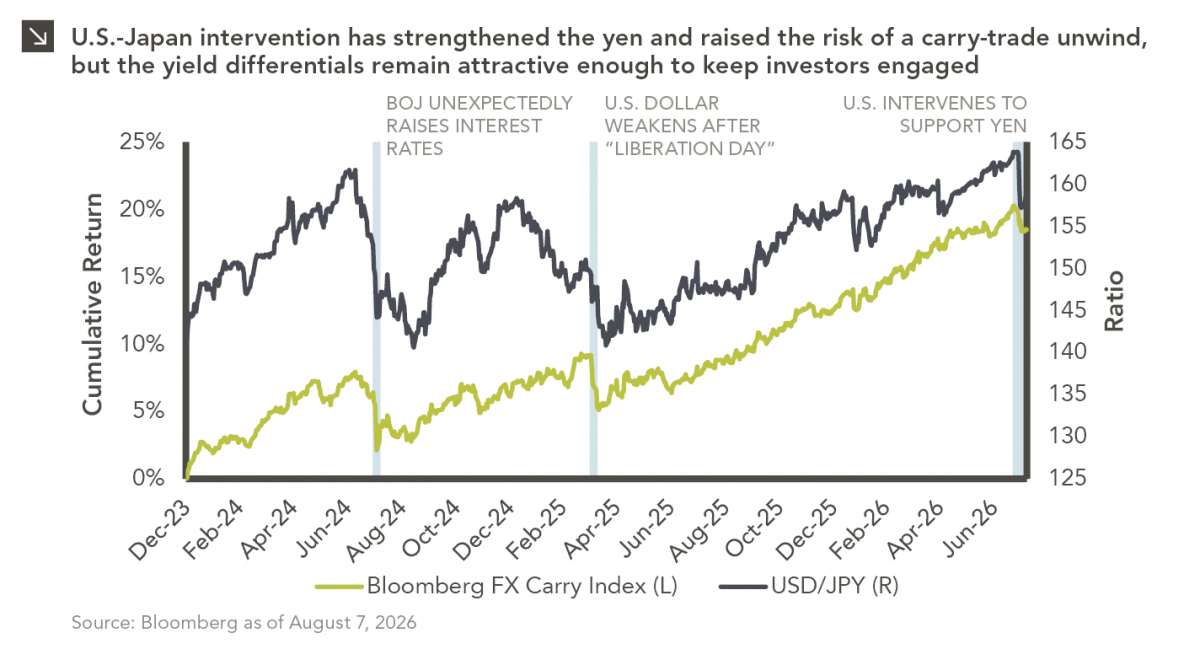
After reaching nearly ¥164 per dollar, its weakest level in roughly four decades, the yen had become a source of…
08.03.2026
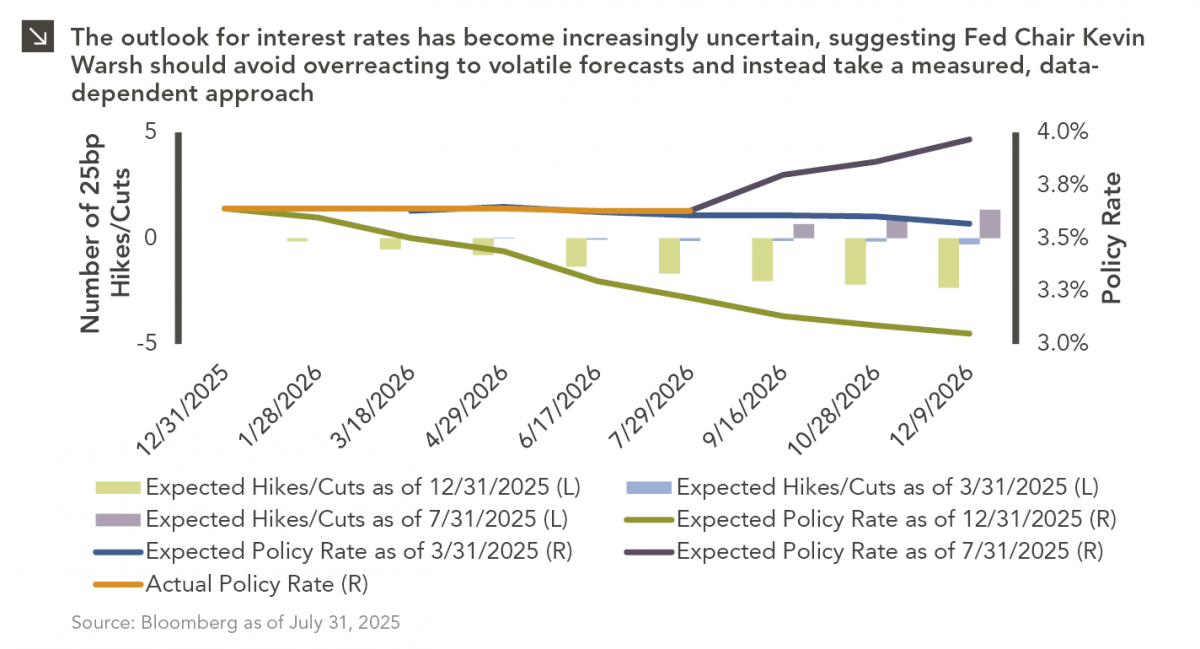
In the cinematic masterpiece Rocky IV, Rocky gets dazed by his opponent, Captain Ivan Drago, and complains that he sees…
07.27.2026
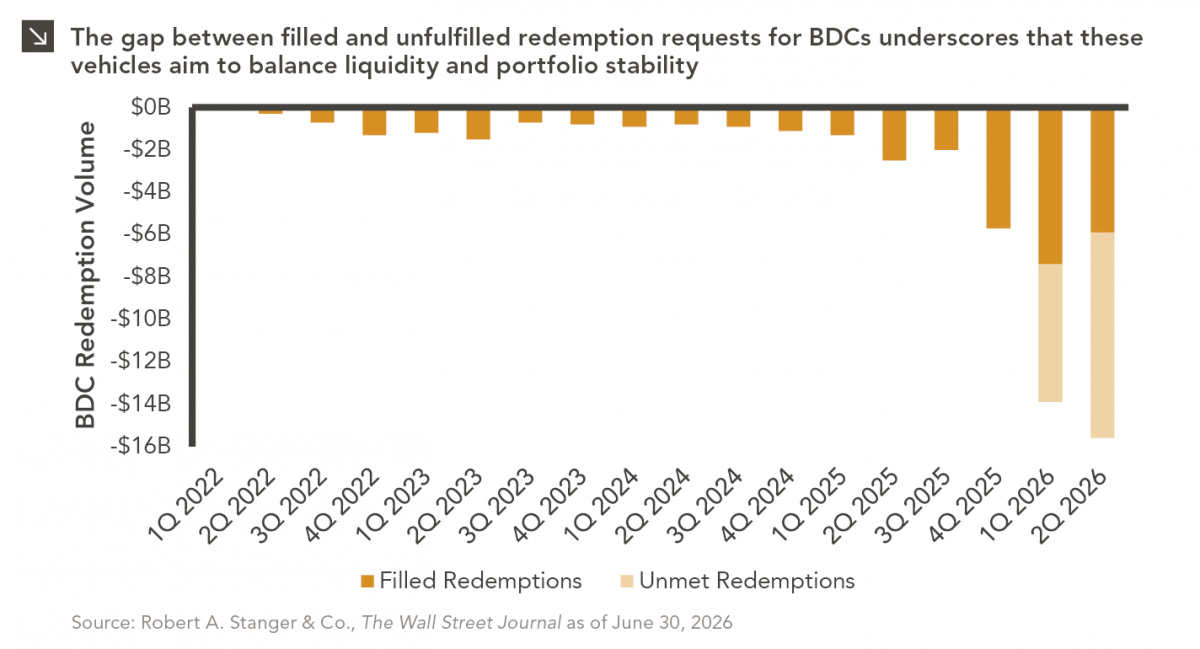
The rapid growth of non-traded business development companies (BDCs), which are investment vehicles that pool investor capital to make loans…
Research alerts keep you updated on our latest research publications. Simply enter your contact information, choose the research alerts you would like to receive and click Subscribe. Alerts will be sent as research is published.
We respect your privacy. We will never share or sell your information.
If you have questions or need further information, please contact us directly and we will respond to your inquiry within 24 hours.
Contact Us >