Catherine Hillier
Senior Research Analyst


After a red hot 2021, the initial public offering (IPO) market has materially slowed over the last two years amid an environment of equity price volatility and higher interest rates. Additionally, many of the companies that came to market during the post-pandemic boom have struggled in recent time as investors sought the safety of more proven business models and solid balance sheets. Listings within the Information Technology sector were hit particularly hard last year given widespread concerns about future growth and profitability.
Despite the recent headwinds within the IPO market, there have been several notable company debuts over the last several days. For instance, Arm Holdings, a British semiconductor and software design company, debuted last Thursday and climbed nearly 25% in its first day of trading before paring back gains to start the week. Additionally, Instacart, a grocery-delivery company, and Klaviyo, a global technology company, both started trading this week to varying degrees of success. According to Renaissance Capital, a total of 77 companies have gone public in 2023, which is higher than last year’s figure of 71. These developments have renewed hope among some that the IPO market will continue to heat up into 2024, as many companies that postponed public listings over the last two years are now reconsidering that course of action. That said, investors appear less likely to dive into these investments with the same levels of exuberance displayed in 2020 and 2021, which saw a combined total of more than 600 company debuts. Uncertainty related to future policy decisions of the Federal Reserve is partially responsible for this sentiment, as is the difficulty of actually valuing these newly listed companies given the changes to the interest rate landscape over the last few years. To that point, the majority of companies that listed in 2020 and 2021 are currently trading below their respective IPO prices, meaning investors that purchased equity in those deals are likely sitting on losses.
Marquette will continue to monitor dynamics within the IPO market and provide guidance to clients accordingly.
Print PDF > The State of the IPO Market

The opinions expressed herein are those of Marquette Associates, Inc. (“Marquette”), and are subject to change without notice. This material is not financial advice or an offer to purchase or sell any product. Marquette reserves the right to modify its current investment strategies and techniques based on changing market dynamics or client needs.
10.19.2026
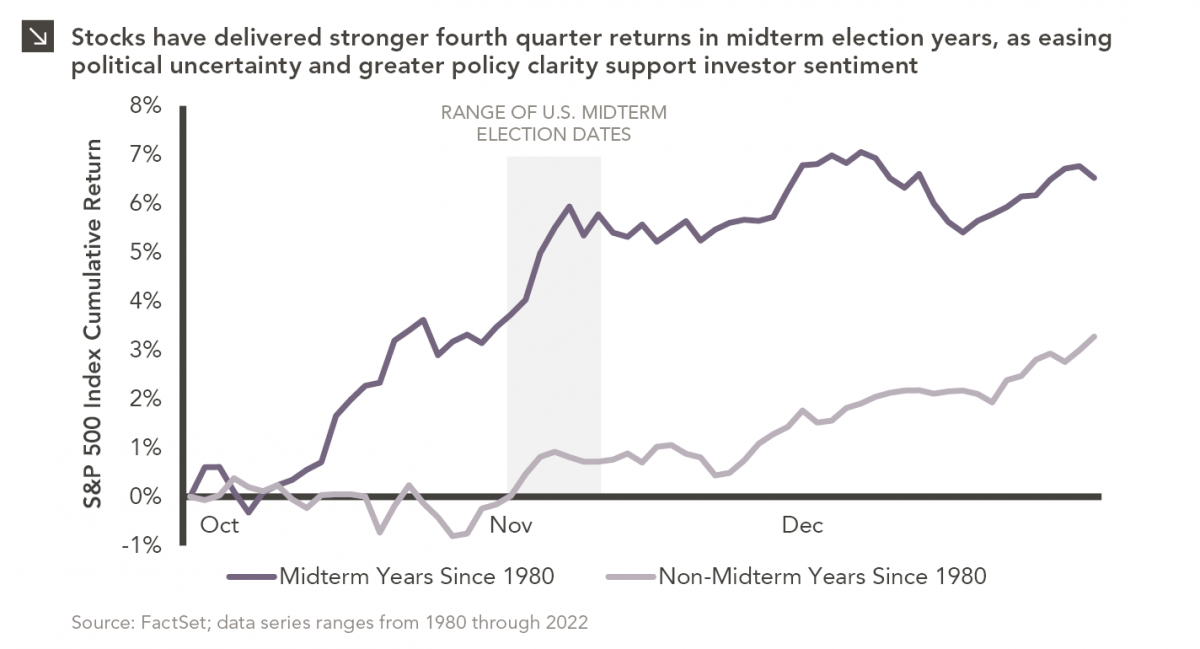
Since 1980, the S&P 500 Index has generally performed well in the weeks surrounding U.S. midterm elections. Specifically, the index…
10.12.2026
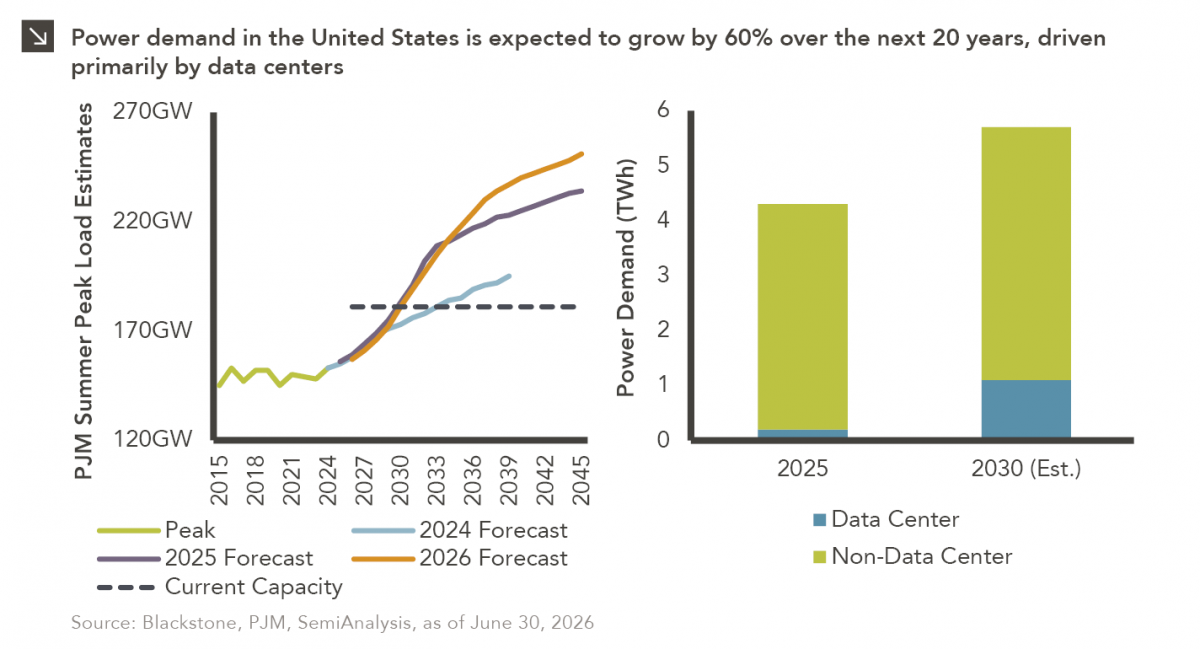
This week’s chart highlights the accelerating growth of electricity demand in the U.S., which has been driven primarily by the…

10.08.2026
LIVE WEBINAR — OCTOBER 22 Please join Marquette’s research team for our 3Q 2026 Market Insights Webinar…
10.05.2026
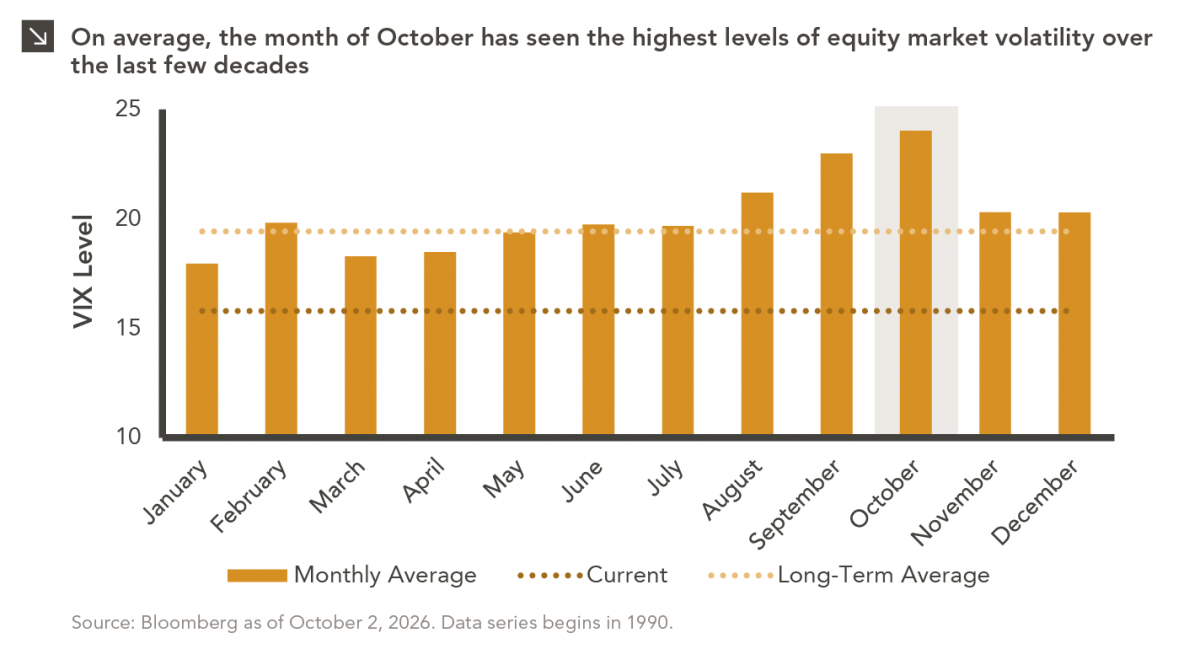
For investors, the spookiest thing about October might not be the ghosts and monsters that are bound to show up…
09.28.2026
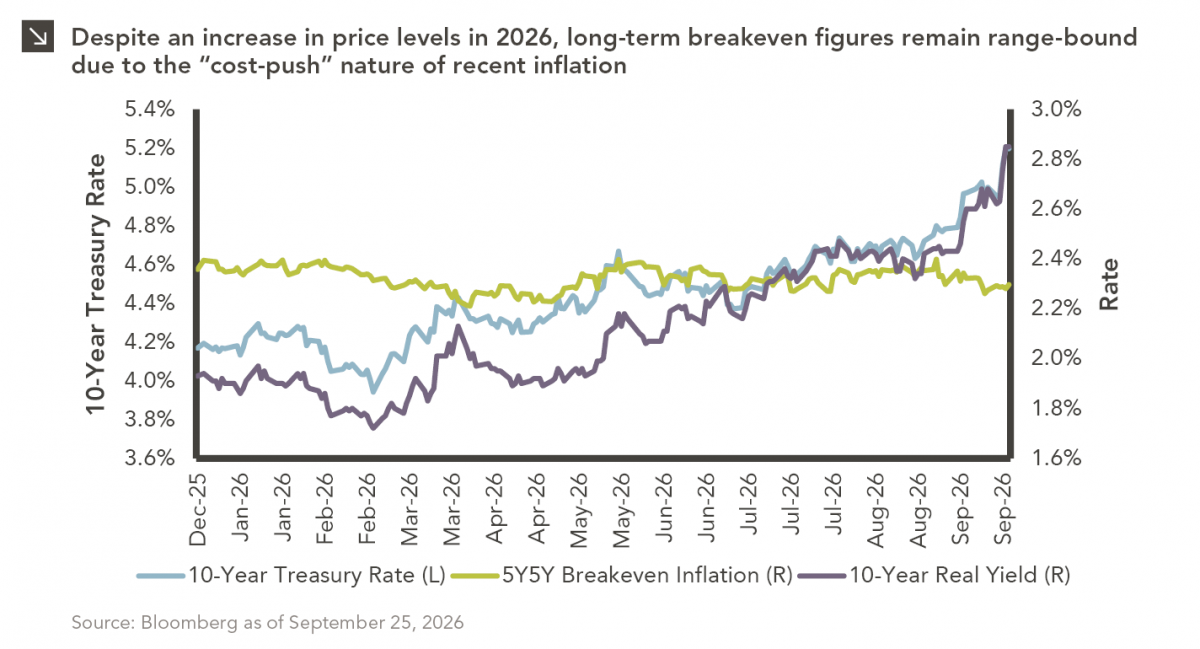
The phrase “expectations of higher inflation” has become a staple in financial news to explain the increase in nominal U.S….
09.21.2026
For much of the past several years, the conventional view has been that higher interest rates and stretched valuations would…
Research alerts keep you updated on our latest research publications. Simply enter your contact information, choose the research alerts you would like to receive and click Subscribe. Alerts will be sent as research is published.
We respect your privacy. We will never share or sell your information.
If you have questions or need further information, please contact us directly and we will respond to your inquiry within 24 hours.
Contact Us >