10.08.2026
3Q 2026 Market Insights
This video is a recording of a live webinar held October 22 by Marquette’s research team analyzing the third quarter…


The allure of work-from-home flexibility continues to impact the utilization of office buildings across the United States. Based on analysis of data from key fobs — the form of identification that grants one access to an office building — average occupancy across the country in the last week was roughly 49.7%. Cities in Texas like Houston (60.0%) and Austin (58.9%) lead the pack in terms of office occupancy, thanks in part to population growth in the last few years, attractive employment opportunities, and newly developed office assets with attractive amenities. It is also worth noting that the occupancy spread across specific days of the week continues to be significant at the national level. As of the end of September, Tuesday (59.4%) and Friday (32.9%) were, on average, the highest and lowest days of the week in terms of occupancy, respectively.
Many are paying close attention to these trends, as utilization is a robust indicator of future demand for office assets. For instance, real estate managers can identify in- and out-of-favor trends within portfolios based on occupancy levels. Additionally, companies can study the patterns of employees to understand future office footprint needs. To that point, among businesses with at least 10,000 employees, 68% plan to undertake a reduction in office space in the near future. Smaller employers seem less inclined to reduce space at present, with 36% of businesses with fewer than 1,000 employees planning to downsize according to a recent publication by The Real Deal, a leading source for real estate news and information.
The data points displayed in this week’s chart underscore the notion that work-from-home trends will likely persist into the future, which will have impacts at various levels of society. For instance, cities must continue to adjust to a relative lack of foot traffic, which has already been disruptive to demand for restaurants, shopping centers, and parking garages. City budgets may also exhibit ongoing strain due to reduced funds collected from public transportation and lower tax revenues resulting from depressed office asset valuations. In conclusion, it is impossible to omit the “stickiness” of full or hybrid work-from-home environments which have persisted for more than three years when discussing the outlook for the office market at both the national and local levels. Marquette will continue to monitor dynamics within the office market and provide education and guidance to clients accordingly.
Print PDFThe opinions expressed herein are those of Marquette Associates, Inc. (“Marquette”), and are subject to change without notice. This material is not financial advice or an offer to purchase or sell any product. Marquette reserves the right to modify its current investment strategies and techniques based on changing market dynamics or client needs.

10.08.2026
This video is a recording of a live webinar held October 22 by Marquette’s research team analyzing the third quarter…

10.22.2026
Anyone who has run a marathon knows the last six miles are brutal — no matter how well the first…
10.19.2026
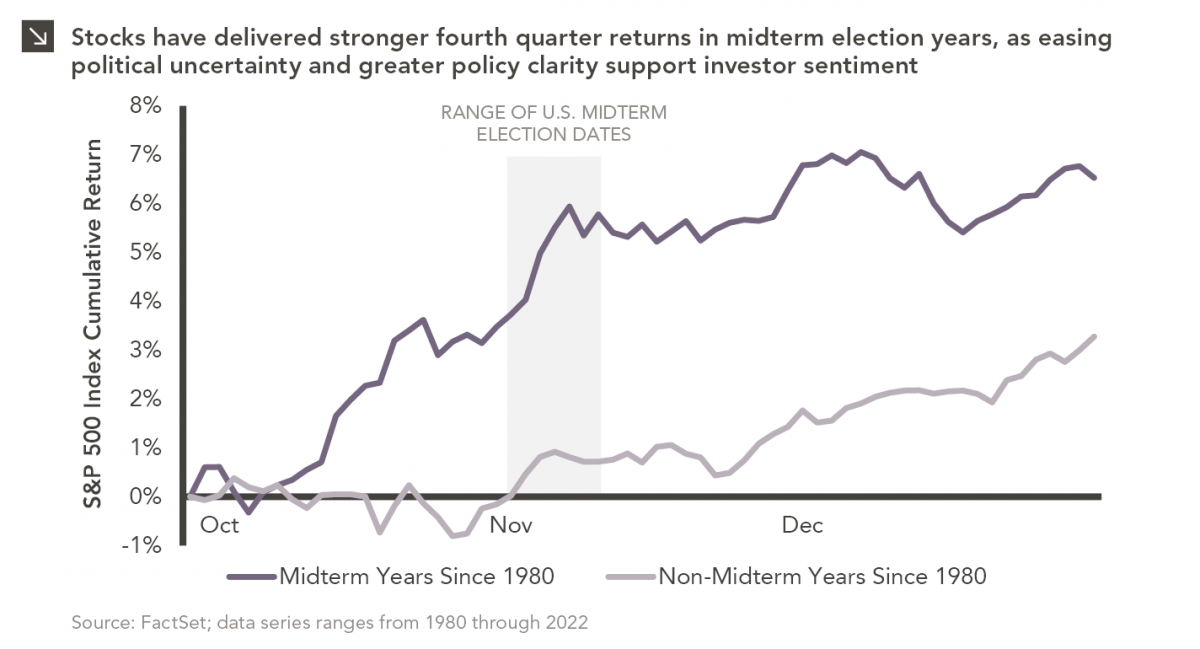
Since 1980, the S&P 500 Index has generally performed well in the weeks surrounding U.S. midterm elections. Specifically, the index…
10.12.2026
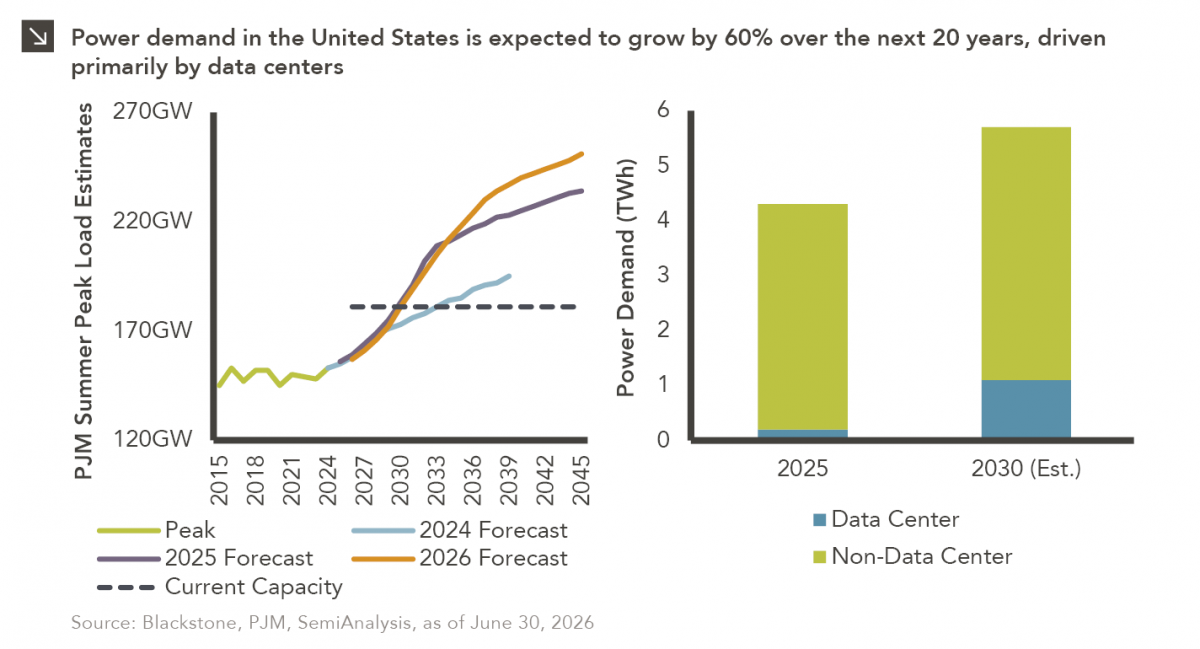
This week’s chart highlights the accelerating growth of electricity demand in the U.S., which has been driven primarily by the…
10.05.2026
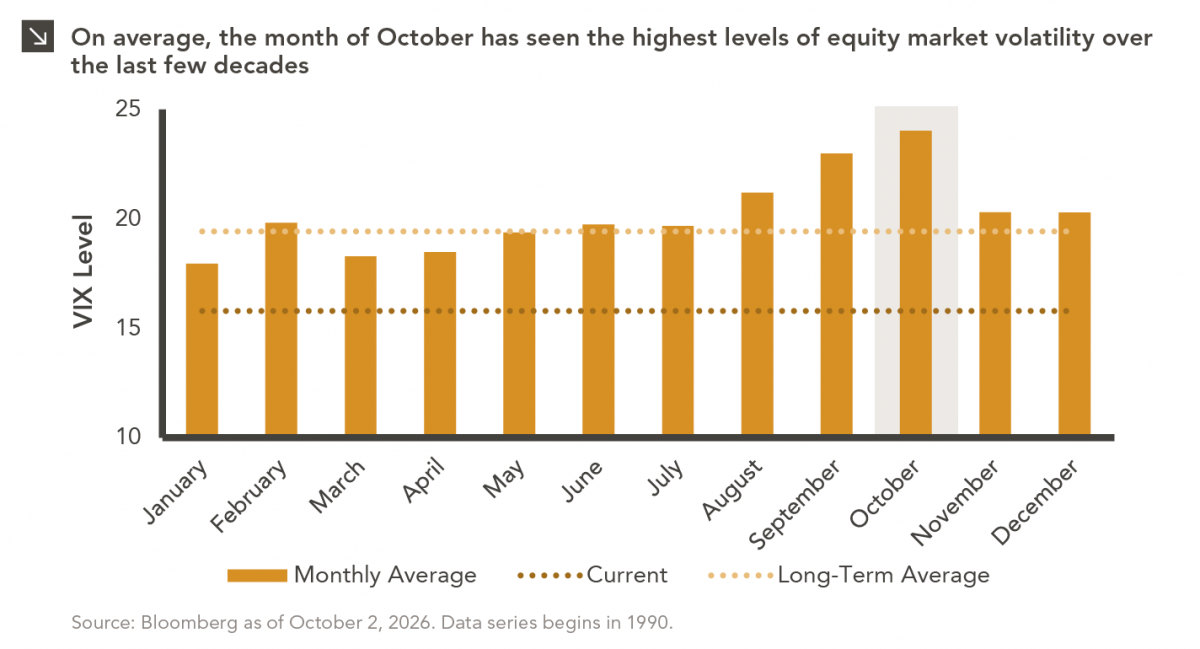
For investors, the spookiest thing about October might not be the ghosts and monsters that are bound to show up…
09.28.2026
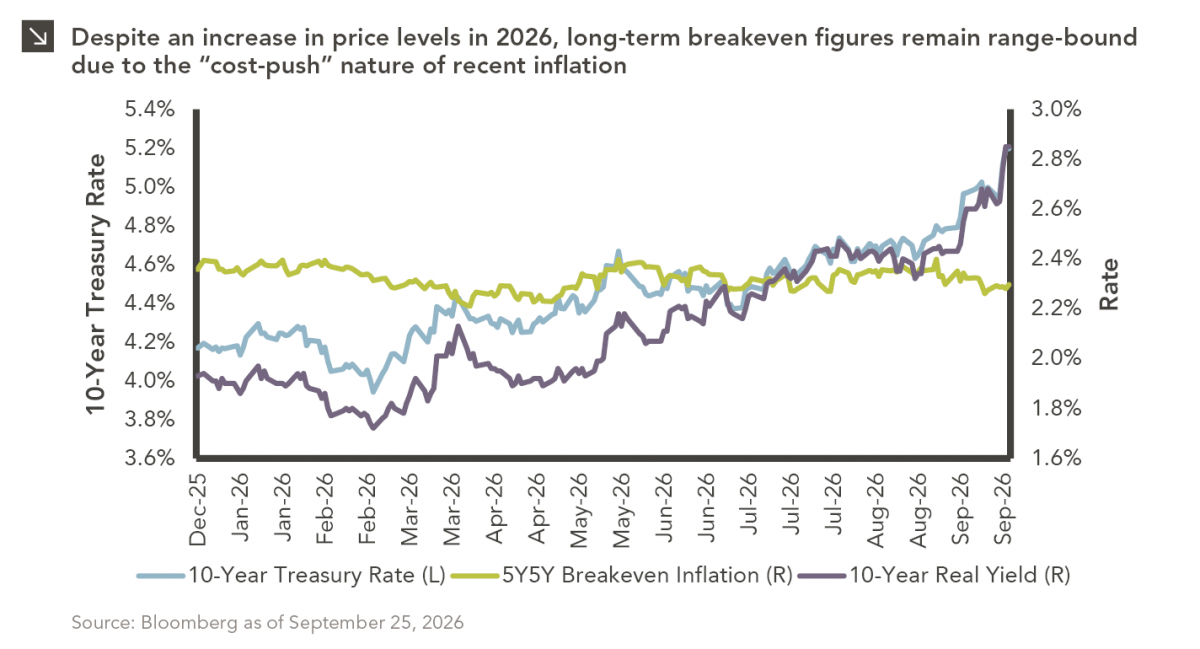
The phrase “expectations of higher inflation” has become a staple in financial news to explain the increase in nominal U.S….
Research alerts keep you updated on our latest research publications. Simply enter your contact information, choose the research alerts you would like to receive and click Subscribe. Alerts will be sent as research is published.
We respect your privacy. We will never share or sell your information.
If you have questions or need further information, please contact us directly and we will respond to your inquiry within 24 hours.
Contact Us >