10.08.2026
3Q 2026 Market Insights
This video is a recording of a live webinar held October 22 by Marquette’s research team analyzing the third quarter…


In recent years, the Chinese economy has struggled to return to pre-pandemic levels of consumption and economic growth. This lackluster rebound can be attributed to factors including prolonged lockdowns from the country’s zero-COVID policy, regulatory crackdowns on private sector companies, and pervasive weakness in the country’s property sector. Recently, the Chinese government, in tandem with the People’s Bank of China (PBOC), has enacted measures to address the country’s myriad issues. For instance, the PBOC announced a monetary easing package in the third quarter that included interest rate reductions and cuts to reserve requirement ratios for Chinese banks. While the Chinese equity market saw a sharp September rally as a result of these measures, investor excitement has since waned, with the MSCI China Index down roughly 20% over the last two months.
One key reason measures to restore growth in China have been unsuccessful is that they have failed to boost domestic demand, of which consumption plays a large part. Economic uncertainty has made Chinese households reluctant to spend and consumer confidence in China remains well below long-term average levels, a trend outlined in this week’s chart. While a general malaise contributes to this lack of confidence, there are aspects of the Chinese economy that pose unique challenges for the government as it relates to economic revitalization efforts. One such challenge is the distribution of citizens’ wealth. To that point, approximately 80% of household wealth in China is comprised of real estate assets, rendering Chinese consumers particularly vulnerable to the ongoing instability in the country’s housing market. Additionally, only 10% of Chinese citizens own stock (as opposed to 70% of U.S. citizens), meaning any propping up of the Chinese equity market by the government may not result in a commensurate increase in domestic wealth and consumer demand. Consumer confidence in China has also been hampered by the country’s high levels of youth unemployment, as the jobless rate for 16–24-year-olds exceeded 17% at the end of the third quarter. Young educated Chinese workers in particular are facing a weak job market, along with a mismatch in job availability and their skill sets. These and other challenges have plagued the Chinese government for years, and while policymakers are now taking action to address them, whether new measures are sufficient to restore business and consumer confidence in China is yet to be determined.
Print PDFThe opinions expressed herein are those of Marquette Associates, Inc. (“Marquette”), and are subject to change without notice. This material is not financial advice or an offer to purchase or sell any product. Marquette reserves the right to modify its current investment strategies and techniques based on changing market dynamics or client needs.

10.08.2026
This video is a recording of a live webinar held October 22 by Marquette’s research team analyzing the third quarter…

10.22.2026
Anyone who has run a marathon knows the last six miles are brutal — no matter how well the first…
10.19.2026
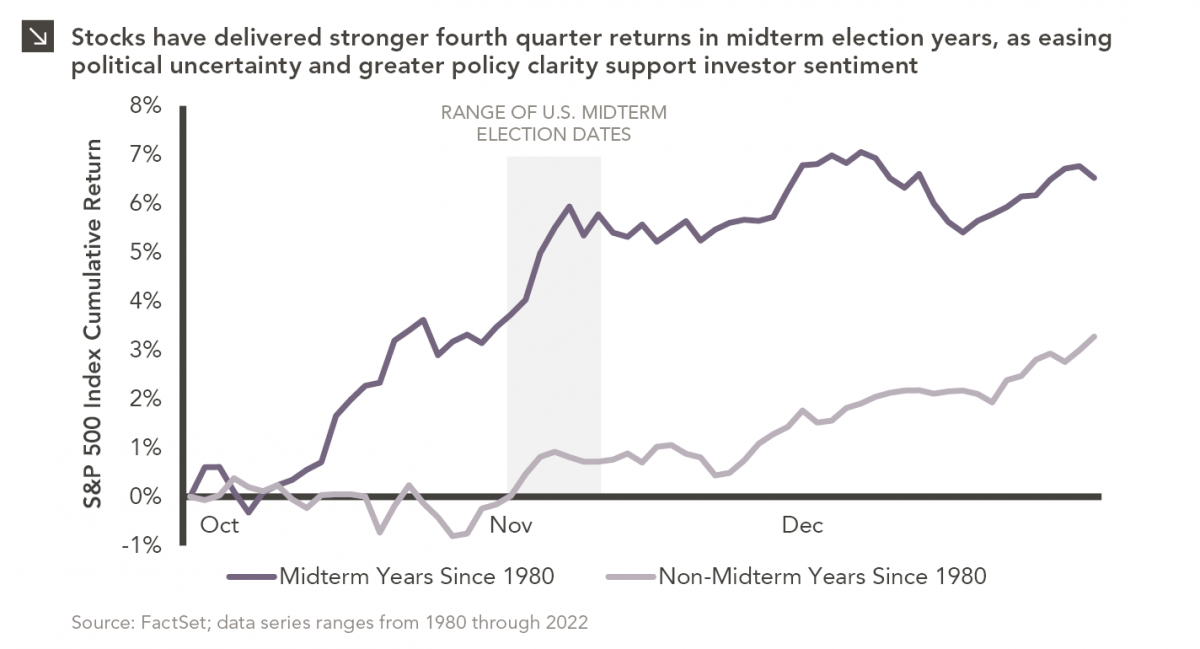
Since 1980, the S&P 500 Index has generally performed well in the weeks surrounding U.S. midterm elections. Specifically, the index…
10.12.2026
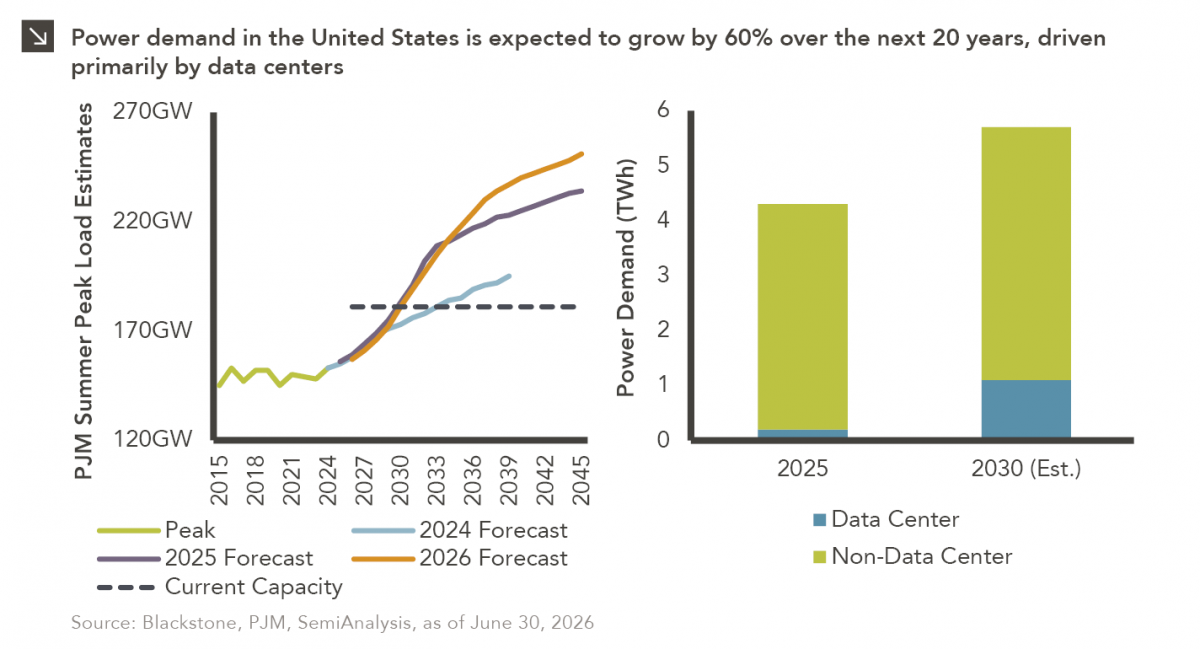
This week’s chart highlights the accelerating growth of electricity demand in the U.S., which has been driven primarily by the…
10.05.2026
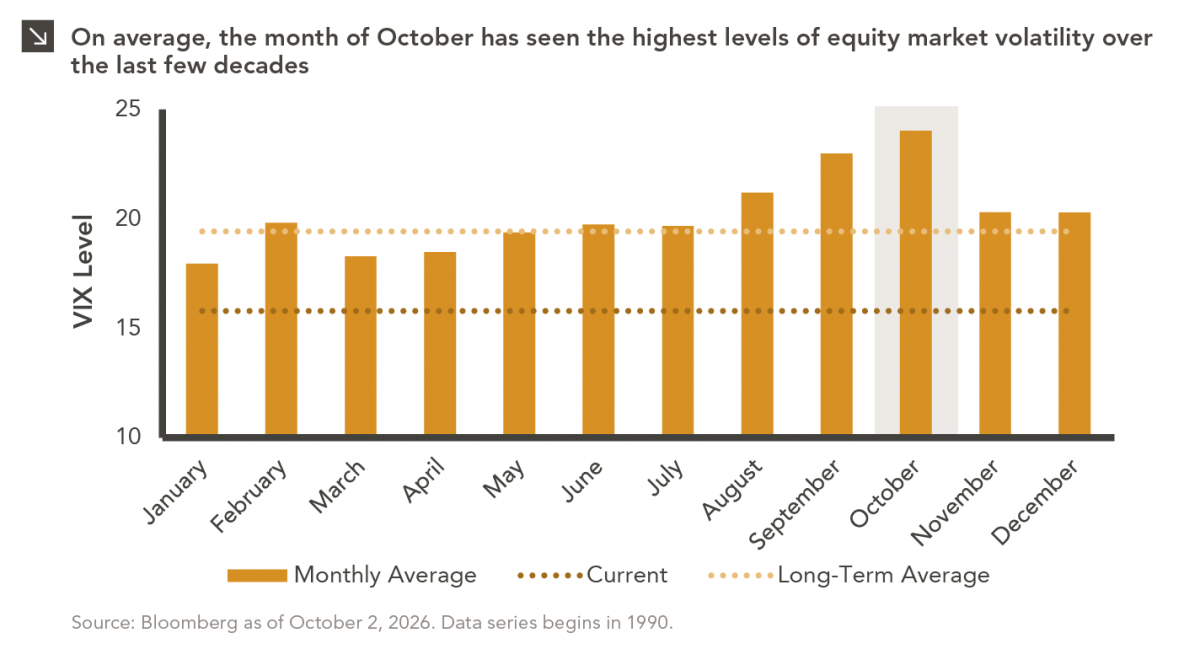
For investors, the spookiest thing about October might not be the ghosts and monsters that are bound to show up…
09.28.2026
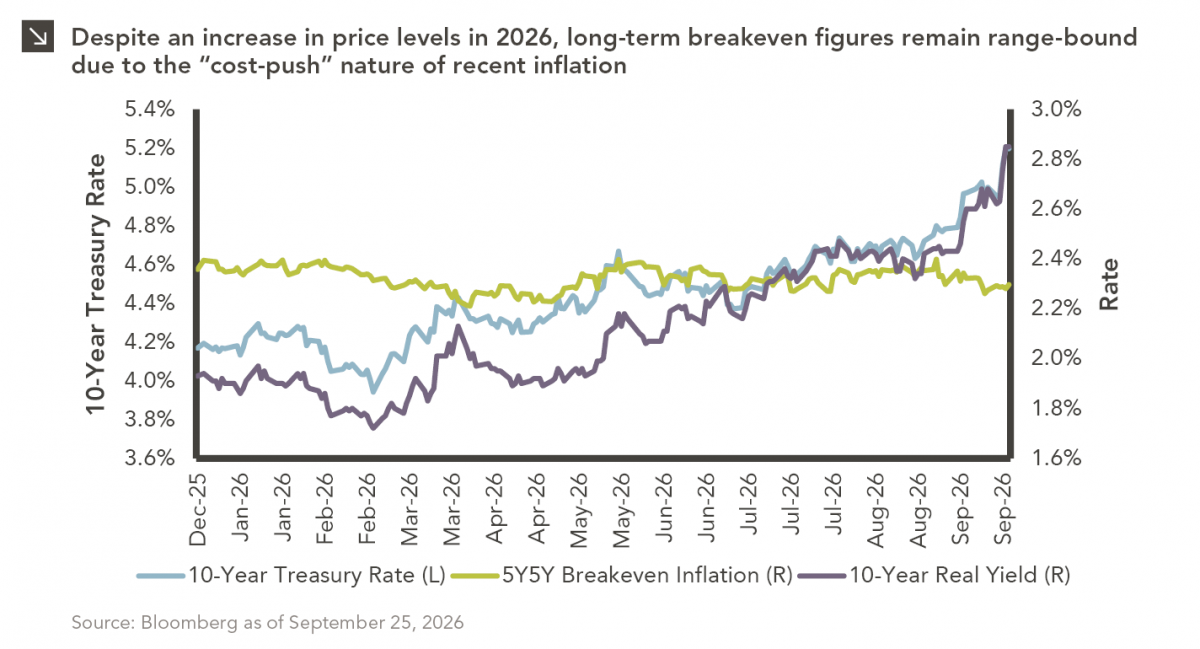
The phrase “expectations of higher inflation” has become a staple in financial news to explain the increase in nominal U.S….
Research alerts keep you updated on our latest research publications. Simply enter your contact information, choose the research alerts you would like to receive and click Subscribe. Alerts will be sent as research is published.
We respect your privacy. We will never share or sell your information.
If you have questions or need further information, please contact us directly and we will respond to your inquiry within 24 hours.
Contact Us >