Ryan Maher
Associate Client Analyst
Get to Know Ryan


This week’s chart details each calendar year return for the S&P 500 Index dating back to 1928, with consecutive 20%+ returns highlighted in orange. Despite a slight pullback over the last few weeks, the index posted a return of more than 20% in 2024, which represents only the fifth time in history that the benchmark has recorded such a figure in consecutive years (note that the five straight years of 20%+ returns in the 1990s are counted as one instance). As investors look ahead to 2025 and beyond, many are asking the following question: How have markets performed after such strong periods?
In the years following the first three of these instances (1937, 1956, and 1984), the S&P 500 Index notched a significantly lower return, with an average of -1.1%. Interestingly, each of these years was marked by either tighter monetary policy, inflation, decreased industrial production, higher unemployment, or some combination of these trends. As mentioned above, the late 1990s saw a staggering five consecutive years of 20%+ returns for the S&P 500 Index, fueled by a boom in investor interest in e-commerce, software, and telecommunications companies. The so-called “Dot-Com Bubble” led to widespread speculation related to unprofitable companies and a rapid expansion in market valuations, and the bursting of this bubble caused the S&P 500 Index to decline sharply in the first three years of the new millennium.
In the last two years, performance of the S&P 500 index has been largely driven by investor interest in artificial intelligence and the Information Technology sector. The Magnificent Seven stocks (Apple, Microsoft, Amazon, Alphabet, NVIDIA, Meta, and Tesla) have led the charge, accounting for over 50% of the total return for the benchmark since the beginning of 2023. As artificial intelligence becomes increasingly integrated into the global economy, these and other similar companies are expected to attract more investment and drive additional index returns. While there are some similarities between the current environment and the Dot-Com Bubble, the U.S. economy continues to show resilience and most of the winners from the last two years are well-established businesses with healthy profits. Still, history has shown us that periods of robust equity market performance do not continue forever. As the calendar changes to 2025, investors should keep this idea in mind as it relates to expectations for near-term stock returns.
Print PDF
The opinions expressed herein are those of Marquette Associates, Inc. (“Marquette”), and are subject to change without notice. This material is not financial advice or an offer to purchase or sell any product. Marquette reserves the right to modify its current investment strategies and techniques based on changing market dynamics or client needs.
10.12.2026
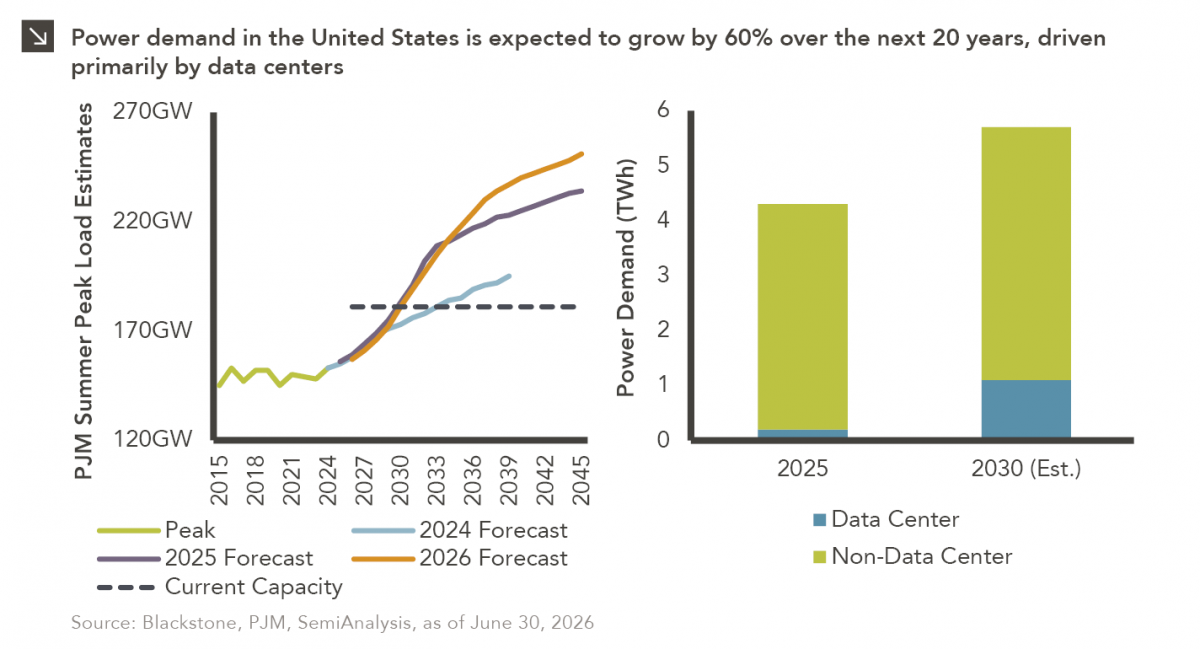
This week’s chart highlights the accelerating growth of electricity demand in the U.S., which has been driven primarily by the…

10.08.2026
LIVE WEBINAR — OCTOBER 22 Please join Marquette’s research team for our 3Q 2026 Market Insights Webinar…
10.05.2026
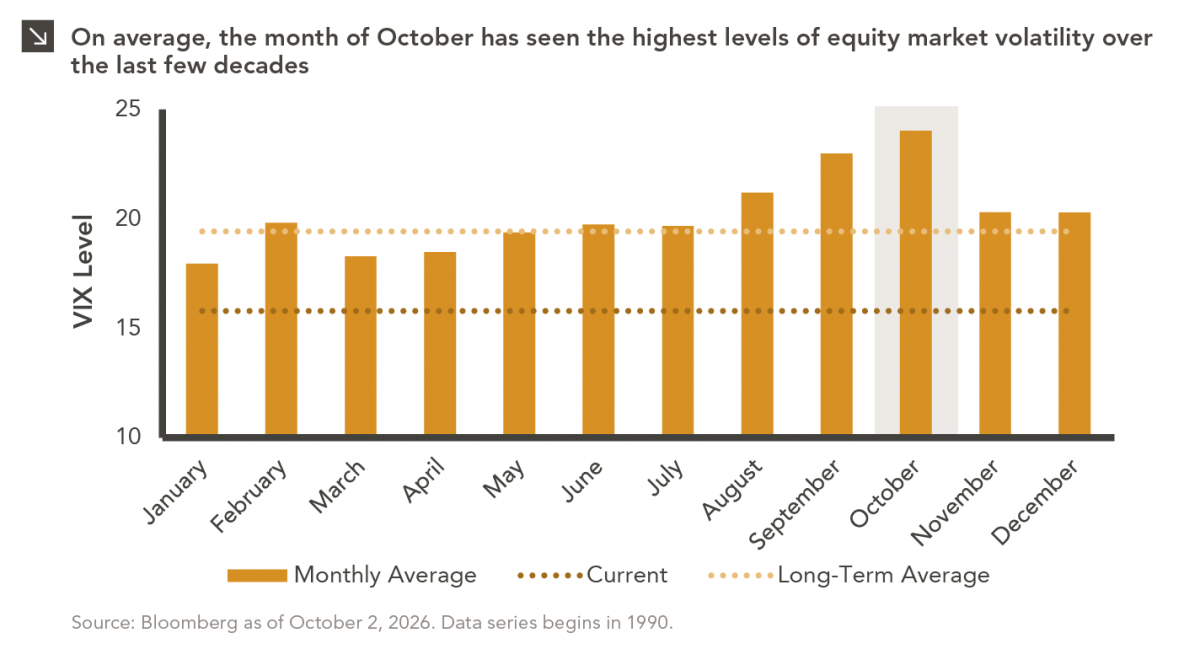
For investors, the spookiest thing about October might not be the ghosts and monsters that are bound to show up…

09.28.2026
The phrase “expectations of higher inflation” has become a staple in financial news to explain the increase in nominal U.S….
09.21.2026
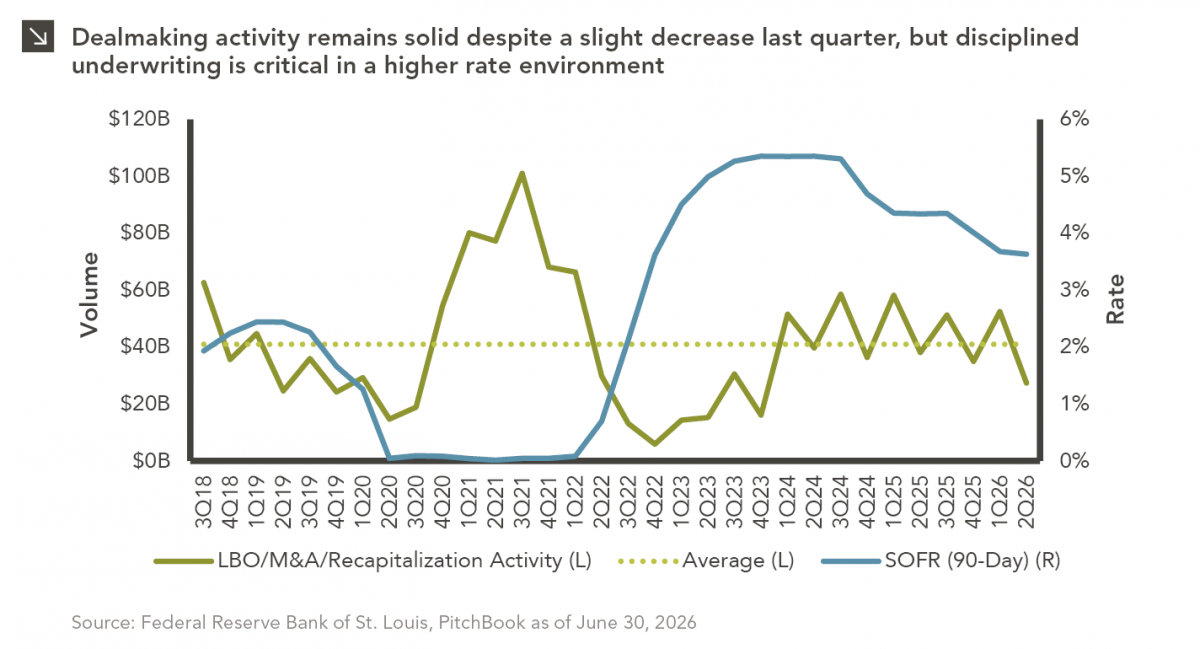
For much of the past several years, the conventional view has been that higher interest rates and stretched valuations would…
09.14.2026
There are many great things about working at Marquette Associates, but “Free Lunch Tuesday” is right at the top of…
Research alerts keep you updated on our latest research publications. Simply enter your contact information, choose the research alerts you would like to receive and click Subscribe. Alerts will be sent as research is published.
We respect your privacy. We will never share or sell your information.
If you have questions or need further information, please contact us directly and we will respond to your inquiry within 24 hours.
Contact Us >