James Torgerson
Senior Research Analyst


In a 2016 redux, Donald Trump’s victory in the November election kicked off another wave of economic optimism across CEOs and small business owners alike. To that point, the Bloomberg CEO Confidence Index, which measures U.S. CEO confidence in the economy one year from now on a scale from 0 to 10 (10 being most confident), and the National Federation of Independent Businesses Small Business Optimism Index, a composite of ten seasonally-adjusted components based on the outlook of roughly 620 NFIB members, are two of the primary ways to gauge the economic outlook of U.S. businesses. Trump’s pro-growth policy goals of corporate tax cuts and deregulation have spurred an uptick in both indices, although higher business confidence may further delay meaningful rate cuts from the Federal Reserve.
With equity market momentum and increased CEO confidence, there is expected to be little disruption in hiring and spending by larger companies within the U.S., which should translate to continued economic strength. That said, the increase in small business confidence may be a more prescient indicator of future growth. Small businesses, which employ upwards of 50 million domestic workers and bring in roughly $16 trillion in annual revenue, are the engine that drive the U.S. economy, meaning as small business optimism increase, spending, investment, and hiring could increase significantly as well. Combine these dynamics with a recent 100 basis point reduction in benchmark interest rates, and economic growth may be poised to remain robust. While this would be largely positive for the U.S., it may be viewed as a reason for pessimism by the Federal Reserve. Specifically, as the Fed continues to battle sticky inflation (the latest CPI print came in hot at 3.0%), a higher growth environment would make it harder to continue to cut interest rates without causing inflation to reaccelerate. Recent data indicate just one to two rate cuts from the Fed for the rest of 2025, and if the U.S. economy sees higher levels of growth and inflation in the near term, future cuts may have to remain on ice.
Print PDF
The opinions expressed herein are those of Marquette Associates, Inc. (“Marquette”), and are subject to change without notice. This material is not financial advice or an offer to purchase or sell any product. Marquette reserves the right to modify its current investment strategies and techniques based on changing market dynamics or client needs.
10.19.2026
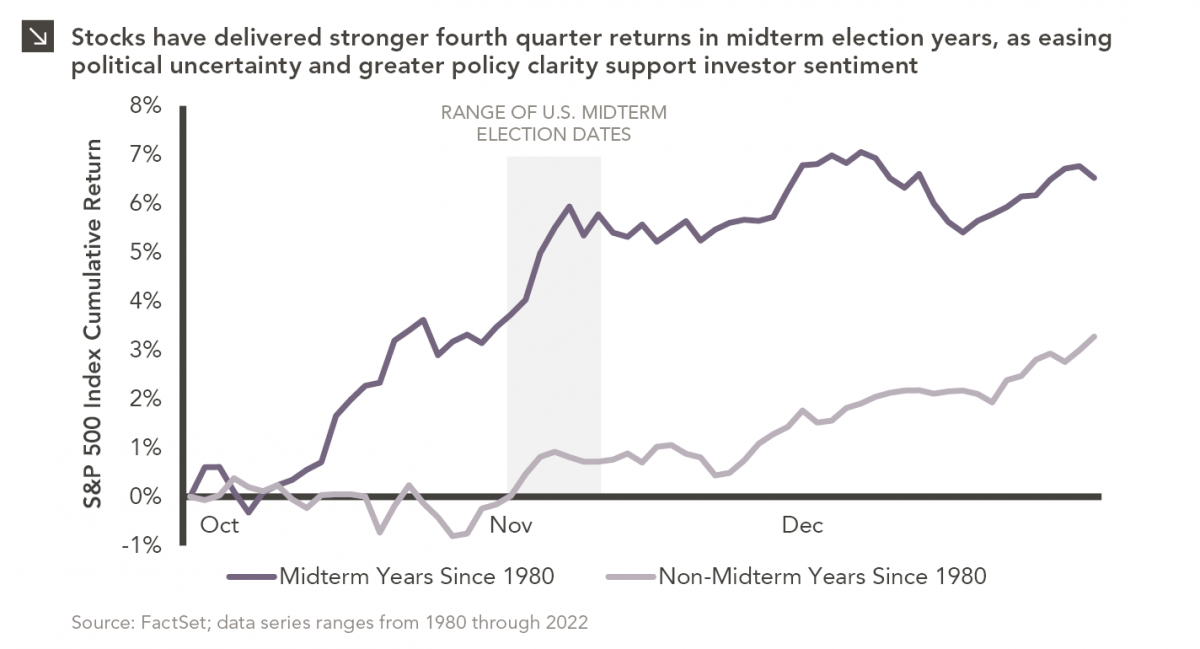
Since 1980, the S&P 500 Index has generally performed well in the weeks surrounding U.S. midterm elections. Specifically, the index…
10.12.2026
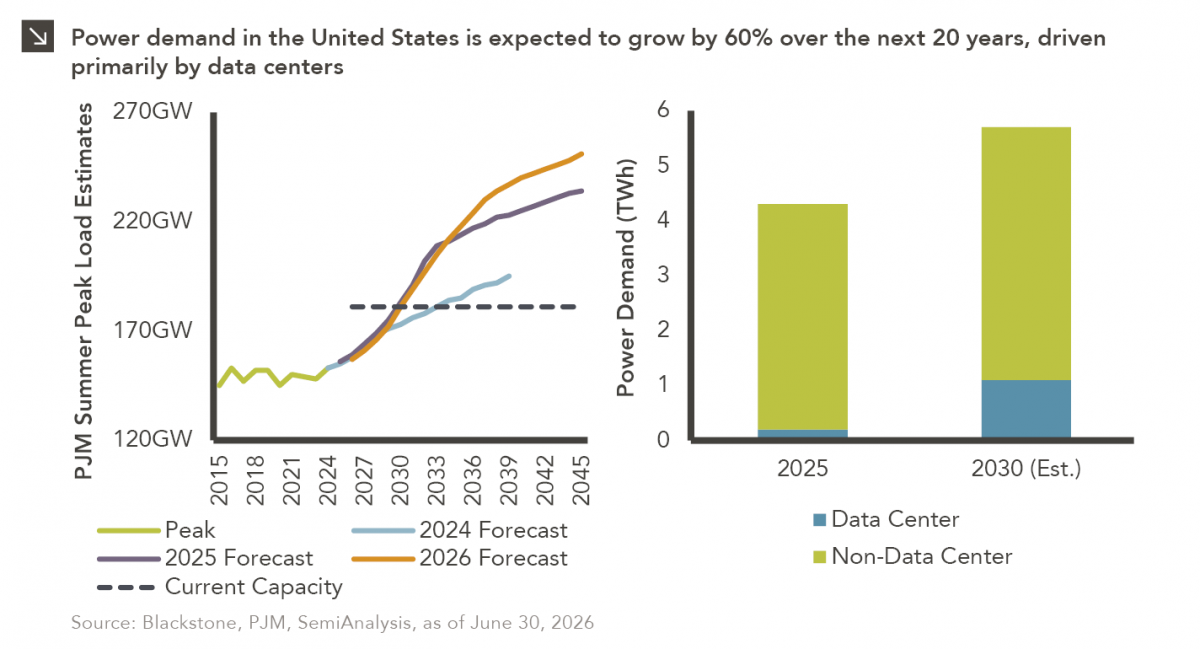
This week’s chart highlights the accelerating growth of electricity demand in the U.S., which has been driven primarily by the…

10.08.2026
LIVE WEBINAR — OCTOBER 22 Please join Marquette’s research team for our 3Q 2026 Market Insights Webinar…
10.05.2026
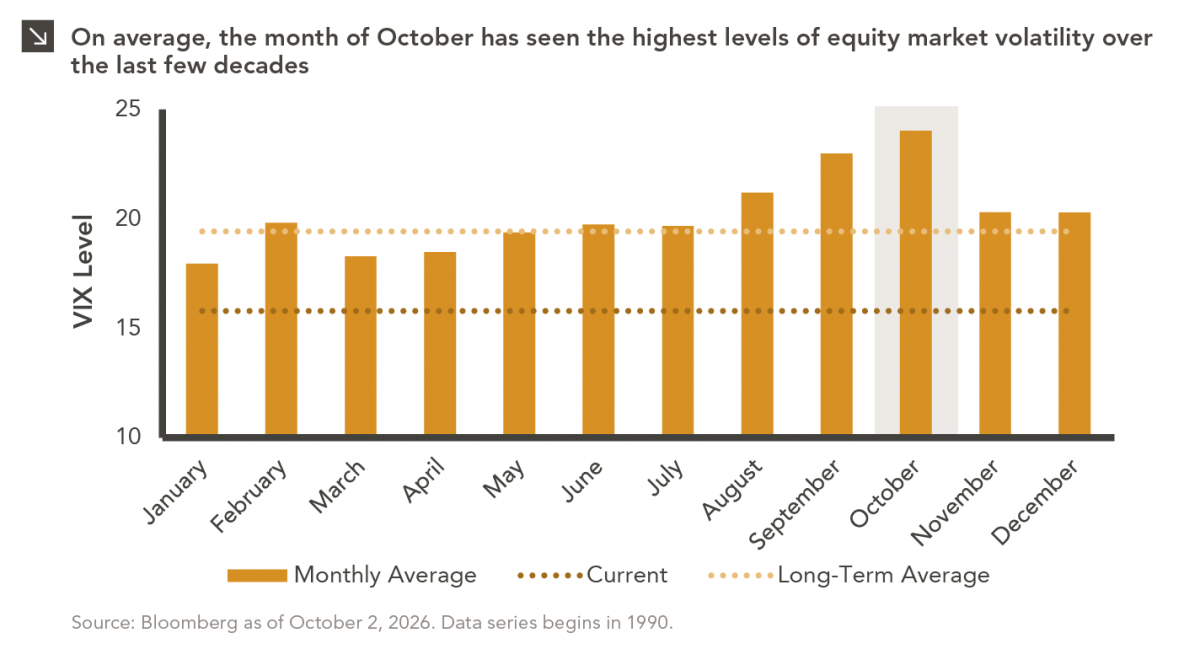
For investors, the spookiest thing about October might not be the ghosts and monsters that are bound to show up…
09.28.2026
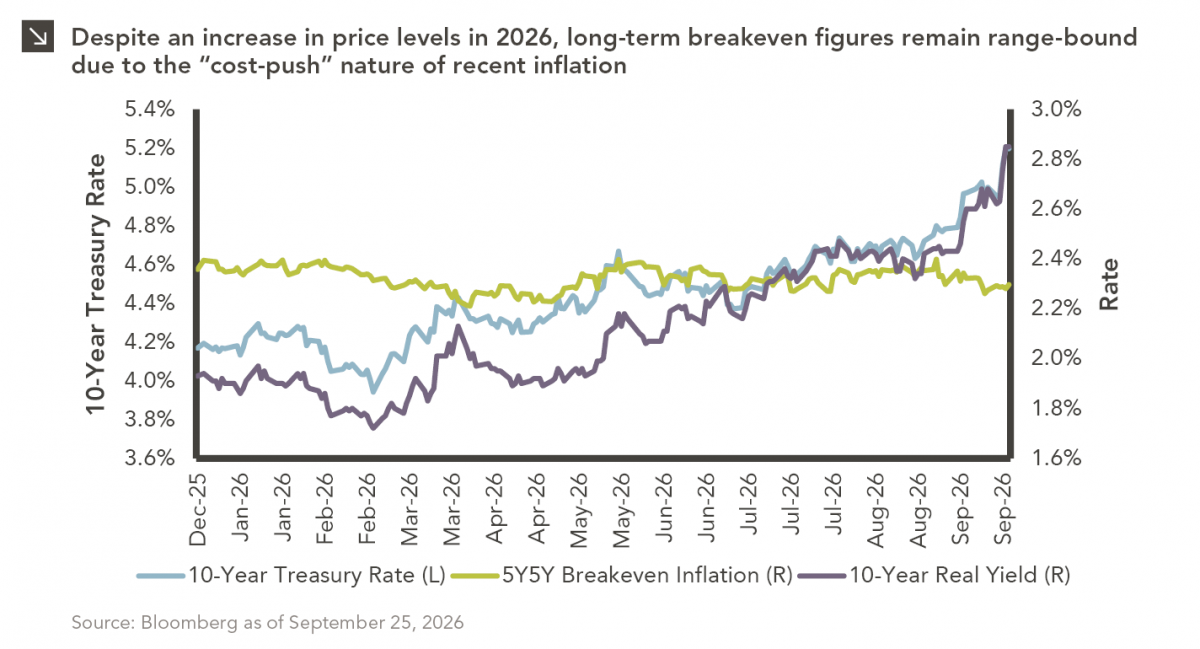
The phrase “expectations of higher inflation” has become a staple in financial news to explain the increase in nominal U.S….
09.21.2026
For much of the past several years, the conventional view has been that higher interest rates and stretched valuations would…
Research alerts keep you updated on our latest research publications. Simply enter your contact information, choose the research alerts you would like to receive and click Subscribe. Alerts will be sent as research is published.
We respect your privacy. We will never share or sell your information.
If you have questions or need further information, please contact us directly and we will respond to your inquiry within 24 hours.
Contact Us >