10.22.2026
Will Higher Rates Cramp the Markets?
Anyone who has run a marathon knows the last six miles are brutal — no matter how well the first…


As America’s central bank, the Federal Reserve is tasked with the important power of keeping our nation’s employment and inflation within a range that is conducive to prosperity. The Fed does this by controlling interest rates. By keeping interest rates low, the Fed enables businesses to borrow more easily, thereby increasing employment, but at the risk of raising inflation to levels that could be too high. In Fed-speak, the Fed is being dovish when it keeps rates low to stimulate the economy — stepping on the gas versus pumping the brakes. On the other hand, if the Fed raises interest rates, it is harder for businesses to borrow, thereby containing inflation, but at the risk of raising unemployment. In this case, the Fed is hawkish when it raises rates to rein in the economy — pumping the brakes.
This week’s chart looks at the dovishness or hawkishness of the Federal Open Market Committee, the committee within the Federal Reserve that sets interest rates. The committee is going through much change: Jerome Powell — a dove — was recently nominated by Trump to Fed Chair starting in 2018 and was affirmed by the Senate. Janet Yellen — a dove — will be stepping down as Fed Chair at the end of this year. Randal Quarles — a centrist — recently joined the committee.
The Fed publishes the committee’s membership for each of the next three years. By assessing the recent speeches and papers from each member, we constructed a Dove-O-Meter to show how dovish or hawkish the group is expected to be. It is important to note that the Fed board of governors, which comprises a large portion of the Federal Open Market Committee, will have four empty seats out of seven total once Yellen steps down, so there may be some change to the dovishness or hawkishness of the group as Trump continues to nominate more people. However, with the members that we know will be on the committee, we can expect a relatively centrist Fed in 2018 and a relatively dovish Fed in 2019 and 2020, as shown in the chart. A centrist Fed in 2018 may be more balanced in normalizing rates and its balance sheet, while a dovish Fed in 2019 and 2020 may lean towards hiking rates less and trimming its balance sheet less to continue to be more stimulative.
The opinions expressed herein are those of Marquette Associates, Inc. (“Marquette”), and are subject to change without notice. This material is not financial advice or an offer to purchase or sell any product. Marquette reserves the right to modify its current investment strategies and techniques based on changing market dynamics or client needs.

10.22.2026
Anyone who has run a marathon knows the last six miles are brutal — no matter how well the first…
10.19.2026
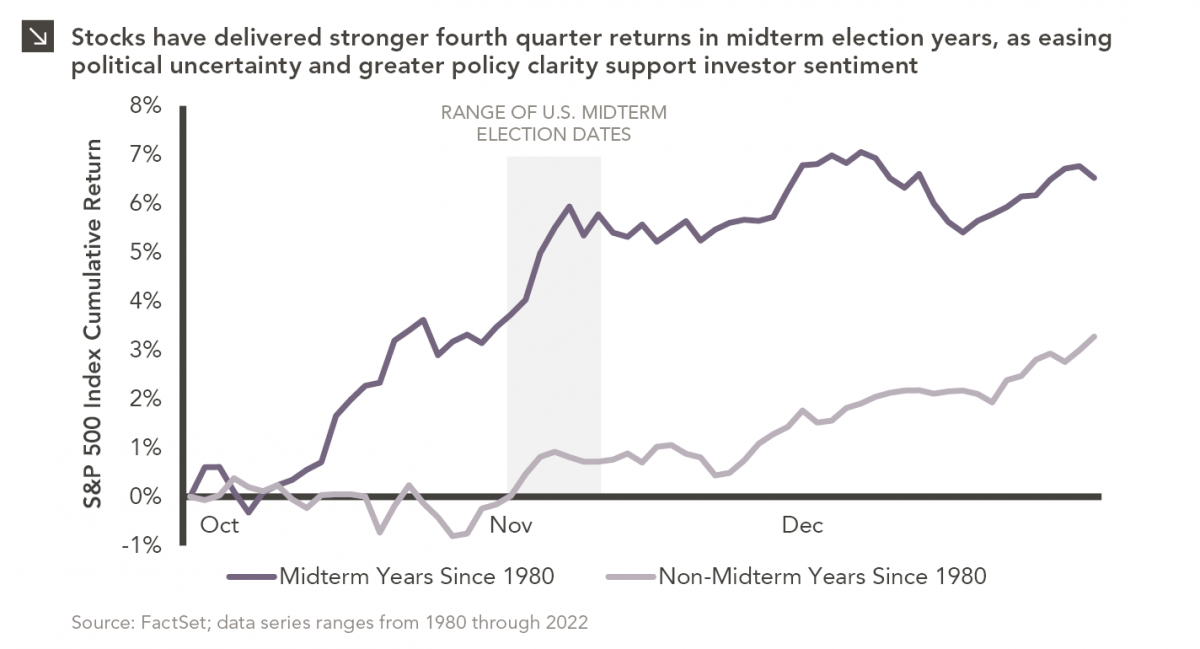
Since 1980, the S&P 500 Index has generally performed well in the weeks surrounding U.S. midterm elections. Specifically, the index…
10.12.2026
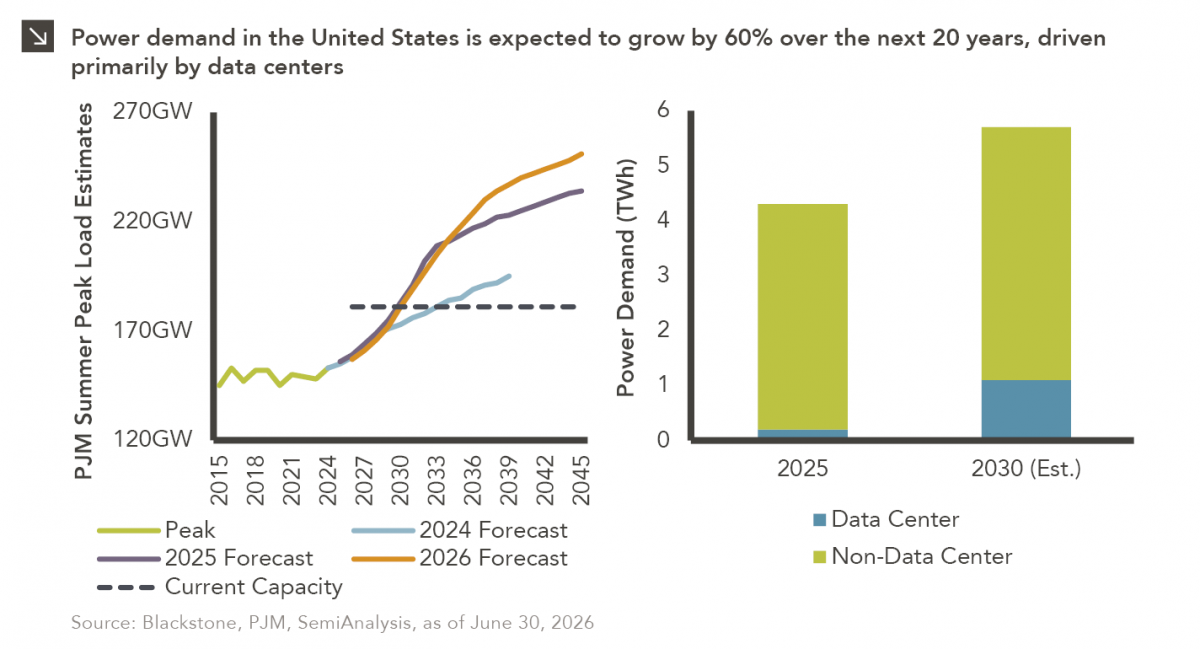
This week’s chart highlights the accelerating growth of electricity demand in the U.S., which has been driven primarily by the…

10.08.2026
LIVE WEBINAR — OCTOBER 22 Please join Marquette’s research team for our 3Q 2026 Market Insights Webinar…
10.05.2026
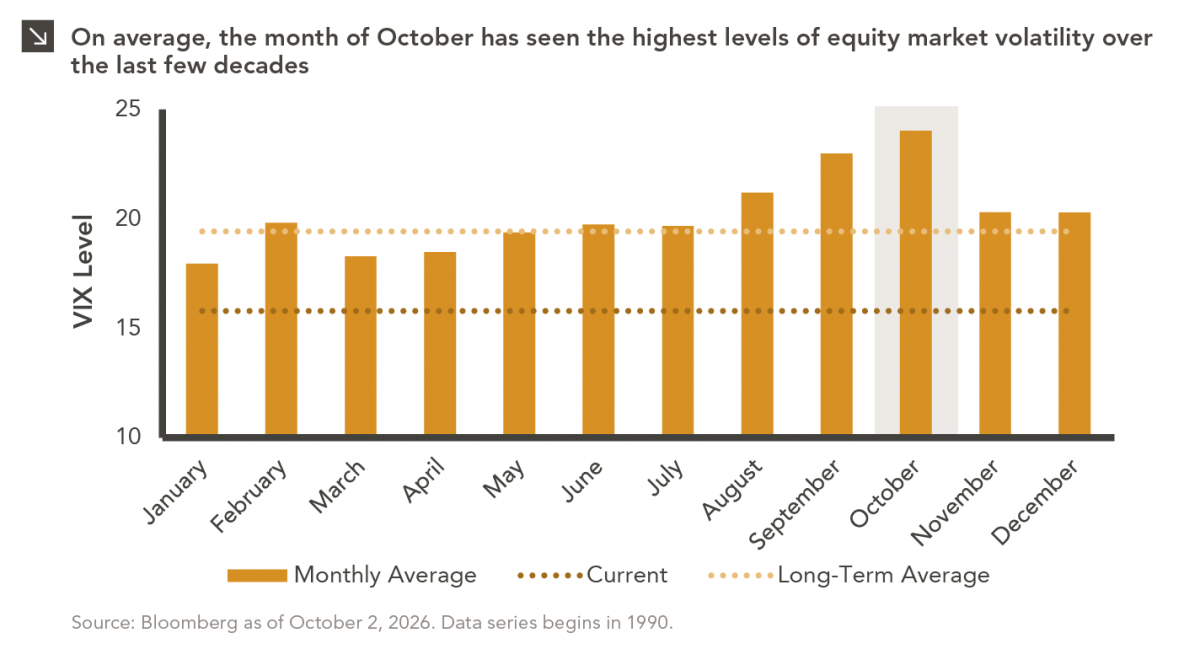
For investors, the spookiest thing about October might not be the ghosts and monsters that are bound to show up…
09.28.2026
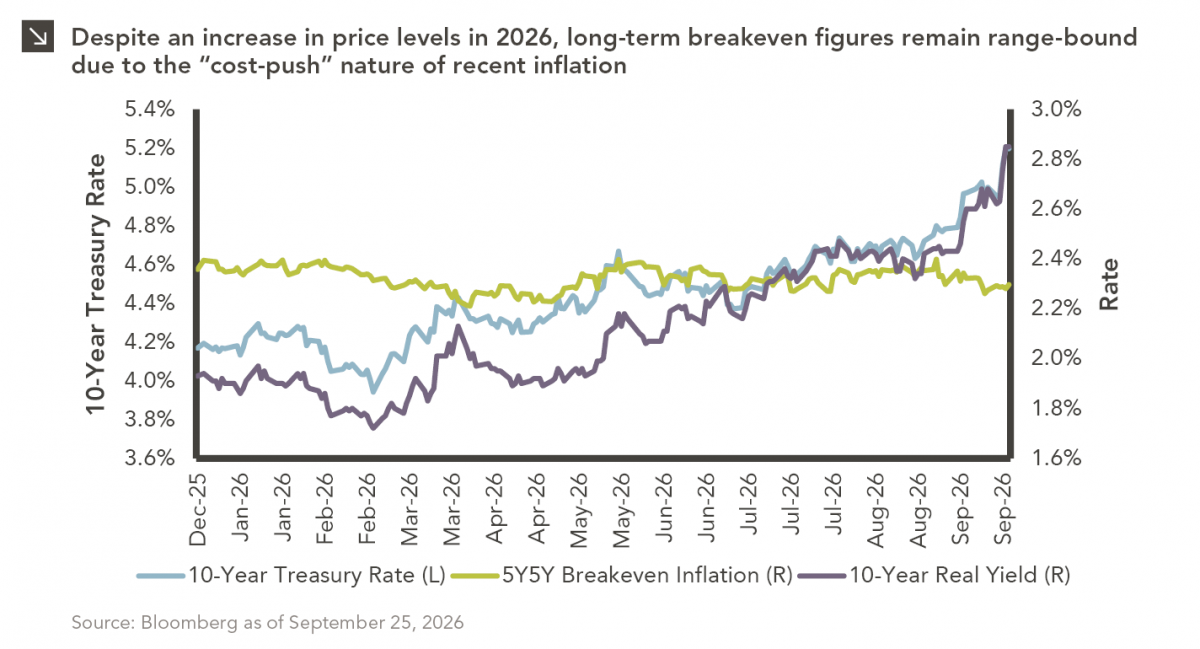
The phrase “expectations of higher inflation” has become a staple in financial news to explain the increase in nominal U.S….
Research alerts keep you updated on our latest research publications. Simply enter your contact information, choose the research alerts you would like to receive and click Subscribe. Alerts will be sent as research is published.
We respect your privacy. We will never share or sell your information.
If you have questions or need further information, please contact us directly and we will respond to your inquiry within 24 hours.
Contact Us >