10.08.2026
3Q 2026 Market Insights
This video is a recording of a live webinar held October 22 by Marquette’s research team analyzing the third quarter…


Given the persistence of above-average equity market valuations in recent years, a proclamation oft-heard from the financial press and market pundits alike is that today’s low interest rates justify these higher valuations. Intuitively, it is easy to see how the rationale behind such statements originated. At the most basic level, the intrinsic value of stocks (and most assets) is the present value of their discounted future stream of cash flows, where the required rate of return (“discount rate”) reflects the riskiness of those cash flows. For instance, discount rates for stocks are higher than those for bonds due to the greater uncertainty of cash flows to equity owners. Because of this framework, and noting that lower discount rates will result in higher present-day asset valuations, it can be easy to empathize with the notion that lofty stock prices today, relative to their fundamentals, are “justified.”
To investigate the validity of such claims, this week’s chart examines the historical relationship between interest rates and equity valuations, defined as the cyclically-adjusted P/E (CAPE) ratio. If the theory holds true in practice, we would expect to see periods of heightened equity valuations coincide with low interest rates. As seen above, there are indeed periods where this relationship is observed — including today and in the late 1920’s prior to the Great Depression. However, there are also periods where the opposite is true — such as the 1910’s and during much of the 1940’s — when low interest rates accompanied low valuations. Likewise, long interest rates reached what were then all-time highs in the late 1960’s, but valuations were also heightened, challenging the assertions that are repeated today. Based on what history has shown us, we would caution against the use of long interest rates as a reliable gauge of the reasonableness of equity market valuations.
The opinions expressed herein are those of Marquette Associates, Inc. (“Marquette”), and are subject to change without notice. This material is not financial advice or an offer to purchase or sell any product. Marquette reserves the right to modify its current investment strategies and techniques based on changing market dynamics or client needs.
The opinions expressed herein are those of Marquette Associates, Inc. (“Marquette”), and are subject to change without notice. This material is not financial advice or an offer to purchase or sell any product. Marquette reserves the right to modify its current investment strategies and techniques based on changing market dynamics or client needs.

10.08.2026
This video is a recording of a live webinar held October 22 by Marquette’s research team analyzing the third quarter…

10.22.2026
Anyone who has run a marathon knows the last six miles are brutal — no matter how well the first…
10.19.2026
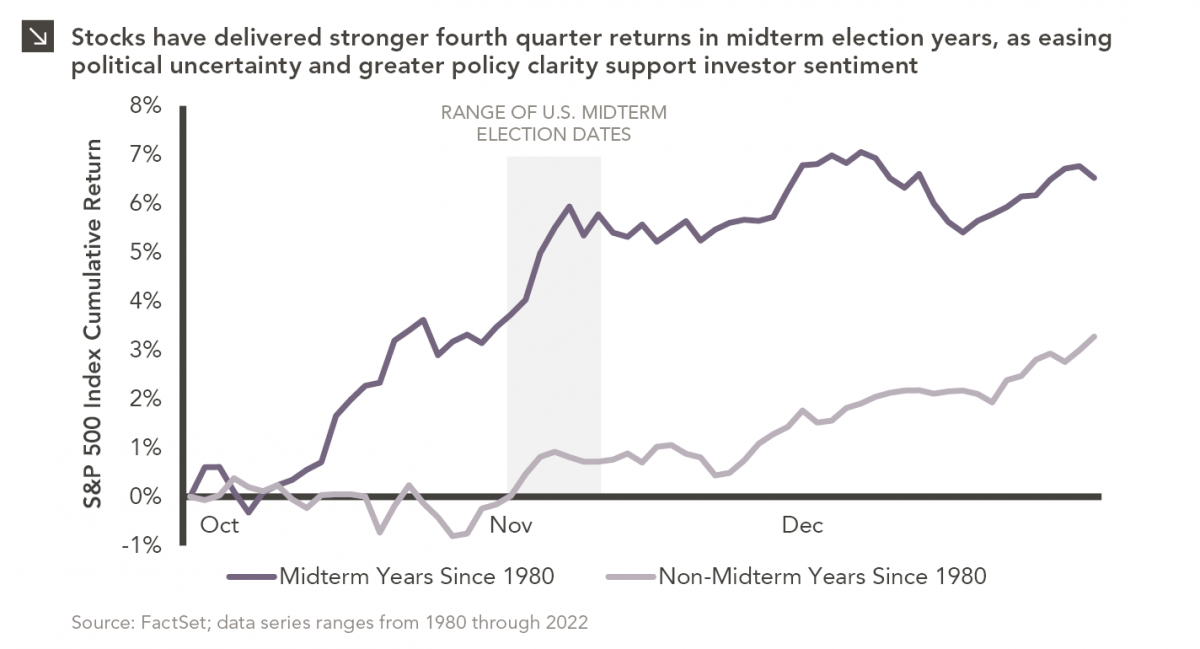
Since 1980, the S&P 500 Index has generally performed well in the weeks surrounding U.S. midterm elections. Specifically, the index…
10.12.2026
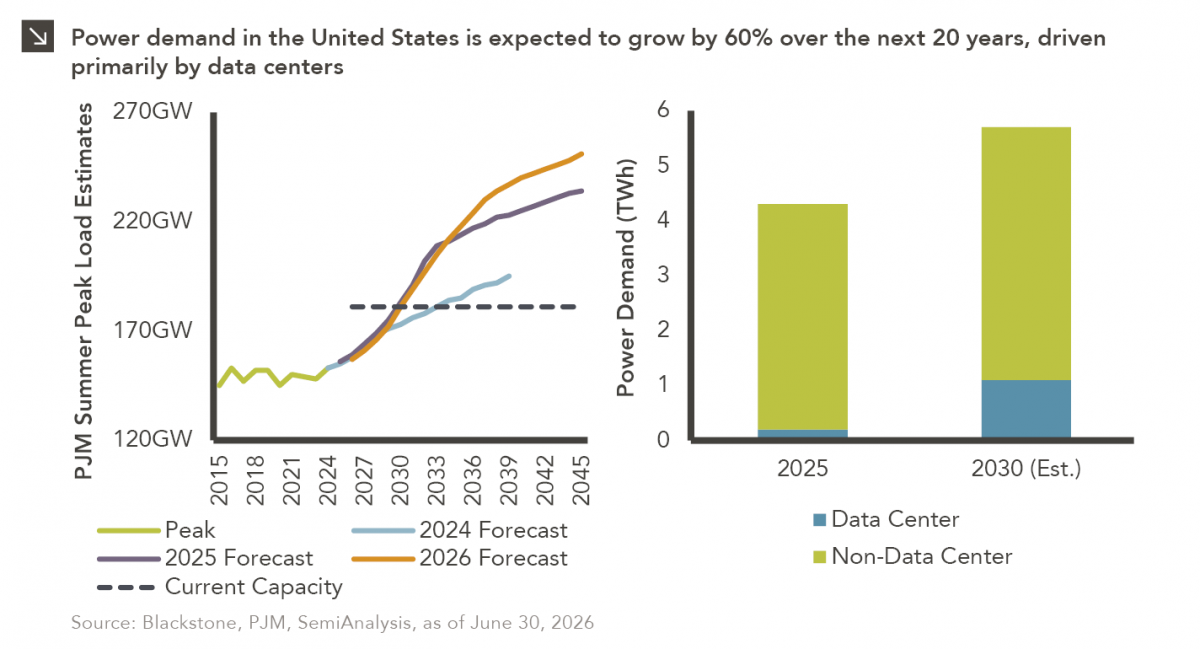
This week’s chart highlights the accelerating growth of electricity demand in the U.S., which has been driven primarily by the…
10.05.2026
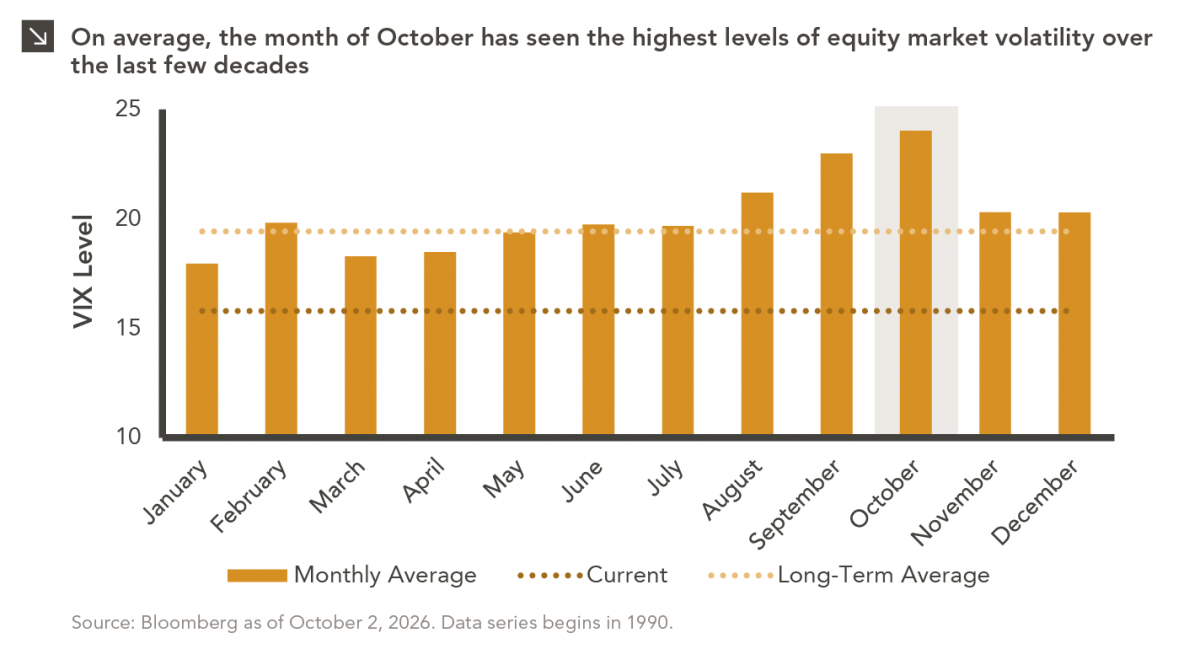
For investors, the spookiest thing about October might not be the ghosts and monsters that are bound to show up…
09.28.2026
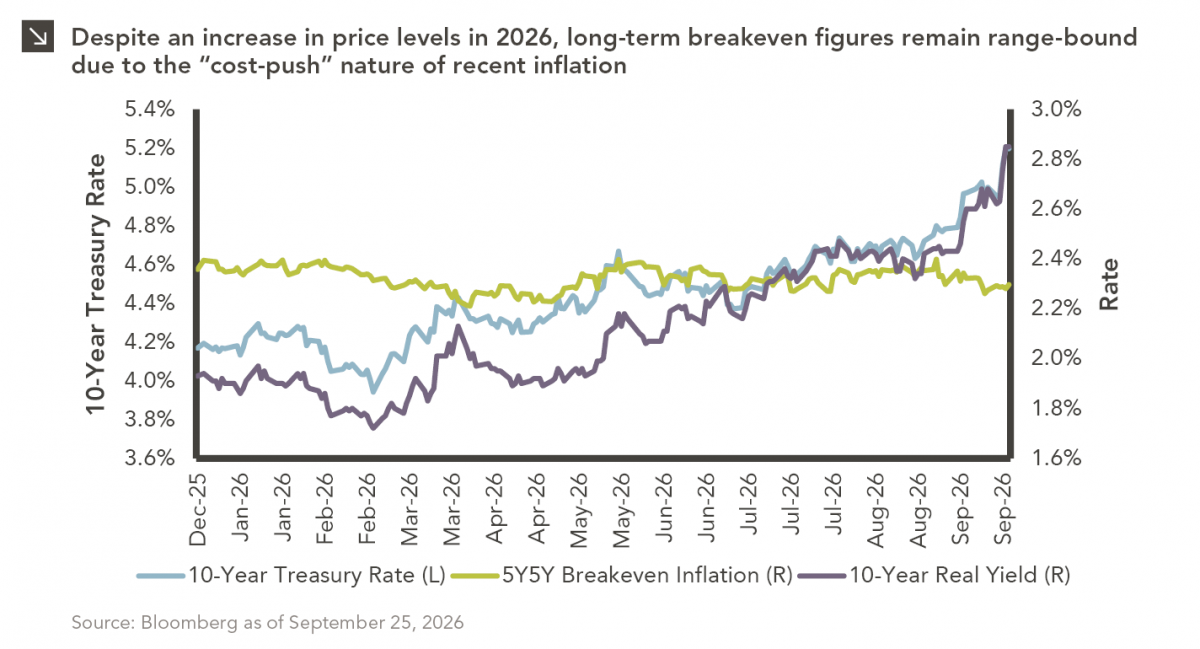
The phrase “expectations of higher inflation” has become a staple in financial news to explain the increase in nominal U.S….
Research alerts keep you updated on our latest research publications. Simply enter your contact information, choose the research alerts you would like to receive and click Subscribe. Alerts will be sent as research is published.
We respect your privacy. We will never share or sell your information.
If you have questions or need further information, please contact us directly and we will respond to your inquiry within 24 hours.
Contact Us >