10.08.2026
3Q 2026 Market Insights
This video is a recording of a live webinar held October 22 by Marquette’s research team analyzing the third quarter…


Higher interest rates coupled with signs of a global slowdown and roughly two months of market volatility — including several periods of a selloff — have clouded an otherwise positive picture of the U.S. economy. Despite this, many investors are still worried future increases in interest rates will hinder the economy, given growth in the U.S. and other regions is likely to slow down next year.
An analysis of the performance of different asset classes during U.S. rate hike cycles since the 1990’s suggests the opposite — these cycles were largely positive for investors. In fact, during the most recent hike cycle (Jan-16 to Nov-18), annualized returns for both private and public markets (excluding real estate) were well above their 1-year annualized rates of return before the initial hike began. The orange bars, which illustrate the various asset classes’ 1-year returns before the hike cycle, are well below their annualized returns during the cycle, as depicted by the colored columns. U.S. equities (S&P 500) outperformed other asset classes, gaining almost 12% during this period. U.S. buyout, non-U.S. equities and fixed income gained roughly 6%, 4%, and 1%, respectively. Real estate appears as the outlier with this most recent cycle, but comes on the heels of a considerable run for real estate after the Great Recession.
When looking at 1-year annualized returns after a hike cycle occurred for the prior three rising-rate regimes in 1994, 1999 and 2004, the data paints a similar picture. As illustrated in the graph, annualized returns 1-year after the hike cycle ended (when the effect of an increase/decrease in interest rates will be felt on a wide scale) were on average higher than returns during the cycle. This is depicted by the gray bars (1-year returns after the hike) being on average well above the returns during the hike cycles.
The volatility we have seen thus far in the market is typical for the later stages of an expansion and should not be solely attributed to the Federal Reserve’s tightening policy. It is important to note that interest rate hikes alone will not adversely affect asset class performance, but rather, the economic backdrop of each rate hike cycle will determine the market outcome. Given the uncertainty surrounding the current cycle’s path moving forward, investors should expect continued volatility and watch closely for upward-trending inflation.
The opinions expressed herein are those of Marquette Associates, Inc. (“Marquette”), and are subject to change without notice. This material is not financial advice or an offer to purchase or sell any product. Marquette reserves the right to modify its current investment strategies and techniques based on changing market dynamics or client needs.
The opinions expressed herein are those of Marquette Associates, Inc. (“Marquette”), and are subject to change without notice. This material is not financial advice or an offer to purchase or sell any product. Marquette reserves the right to modify its current investment strategies and techniques based on changing market dynamics or client needs.

10.08.2026
This video is a recording of a live webinar held October 22 by Marquette’s research team analyzing the third quarter…

10.22.2026
Anyone who has run a marathon knows the last six miles are brutal — no matter how well the first…
10.19.2026
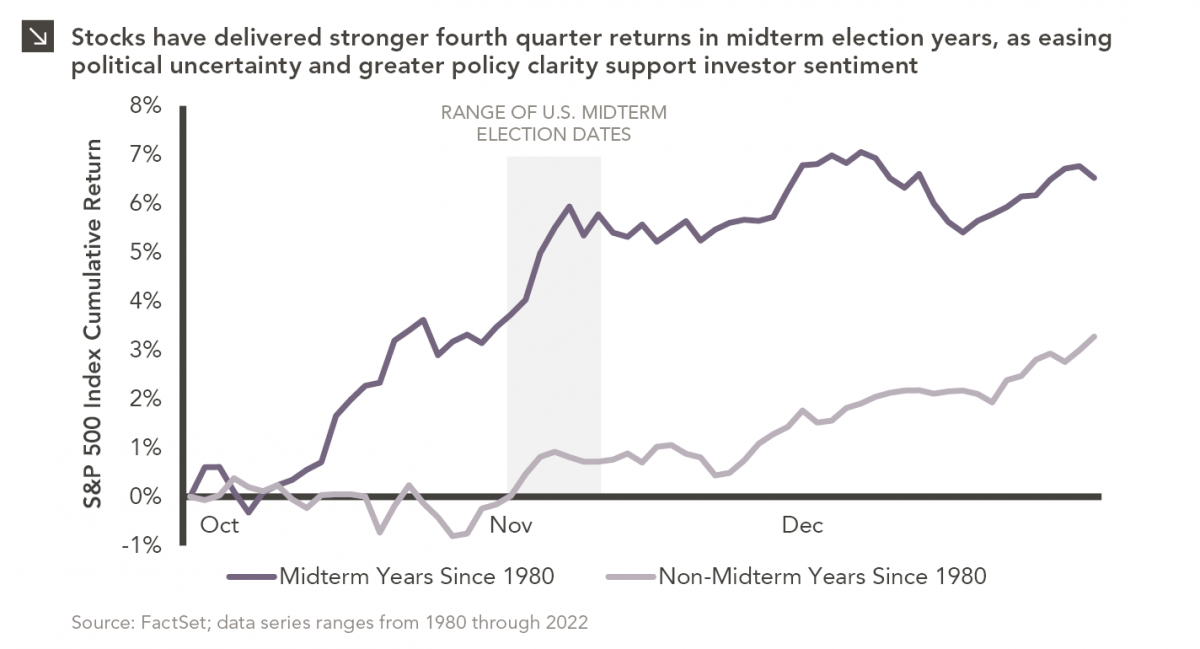
Since 1980, the S&P 500 Index has generally performed well in the weeks surrounding U.S. midterm elections. Specifically, the index…
10.12.2026
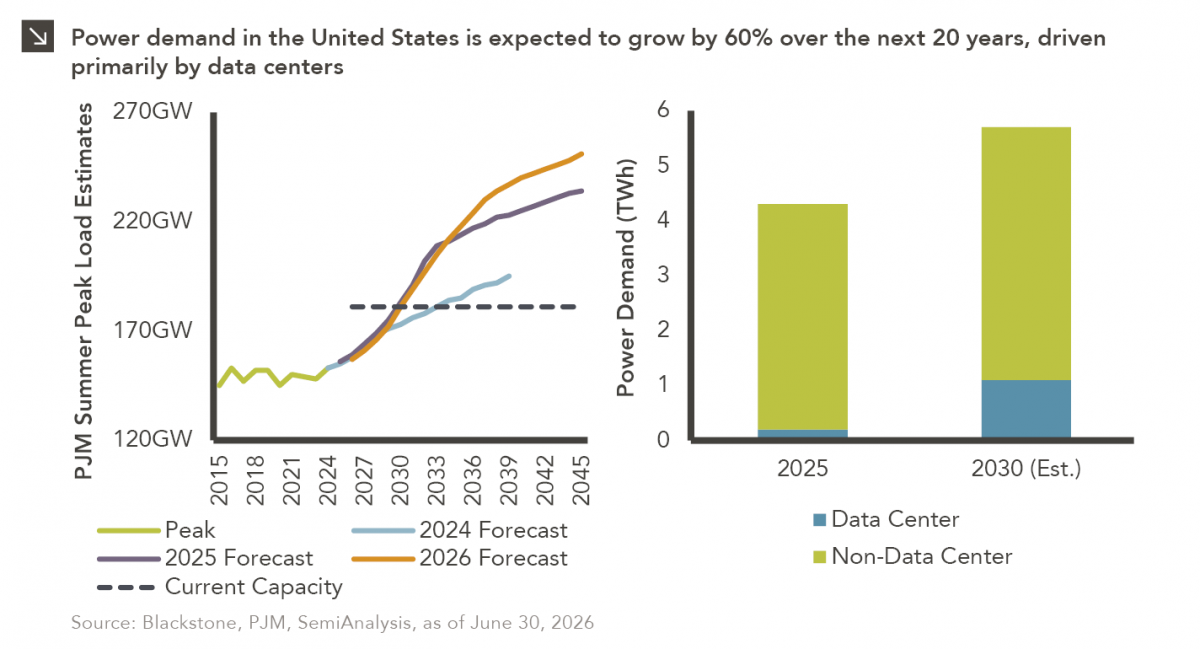
This week’s chart highlights the accelerating growth of electricity demand in the U.S., which has been driven primarily by the…
10.05.2026
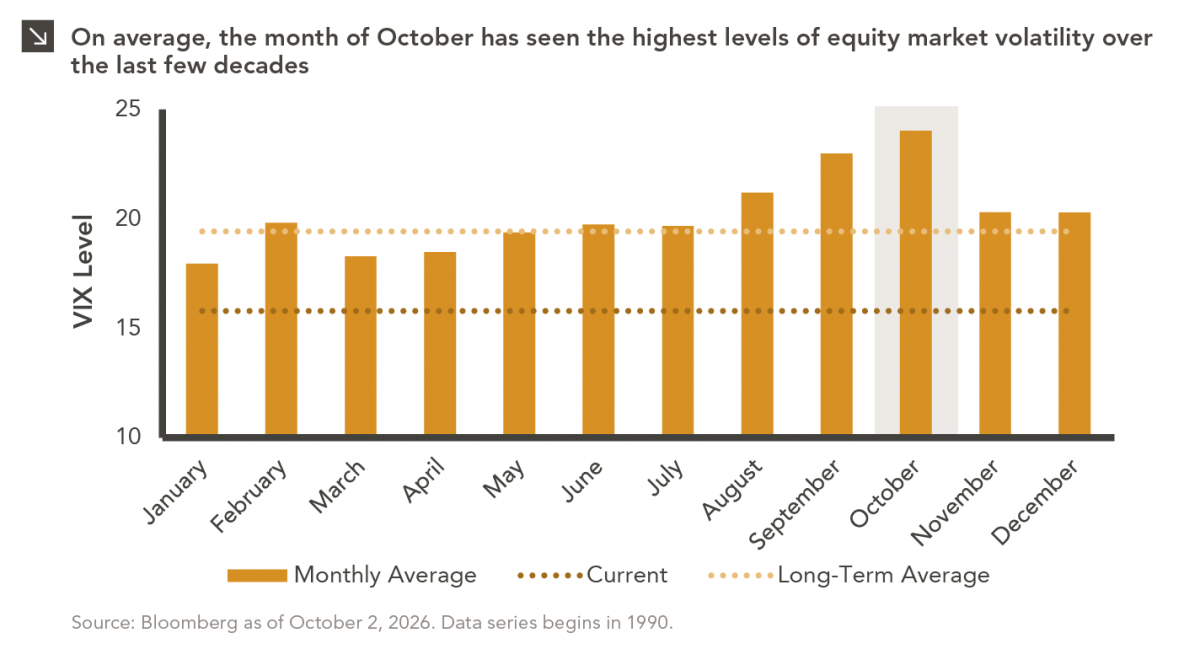
For investors, the spookiest thing about October might not be the ghosts and monsters that are bound to show up…
09.28.2026
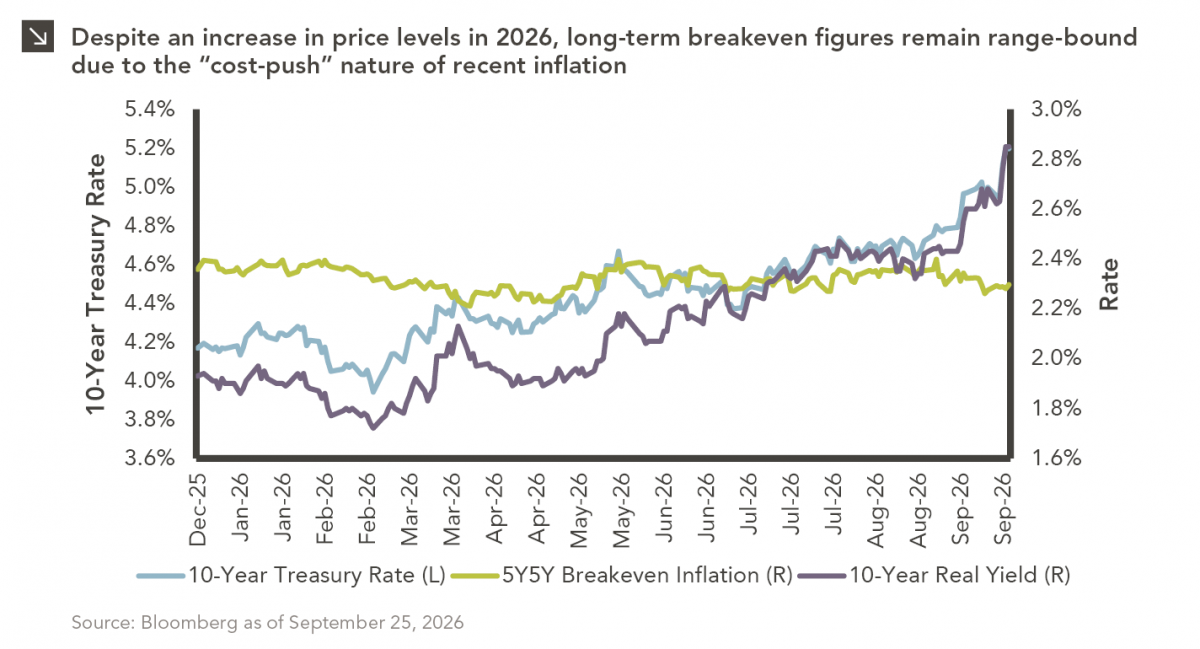
The phrase “expectations of higher inflation” has become a staple in financial news to explain the increase in nominal U.S….
Research alerts keep you updated on our latest research publications. Simply enter your contact information, choose the research alerts you would like to receive and click Subscribe. Alerts will be sent as research is published.
We respect your privacy. We will never share or sell your information.
If you have questions or need further information, please contact us directly and we will respond to your inquiry within 24 hours.
Contact Us >