10.08.2026
3Q 2026 Market Insights
This video is a recording of a live webinar held October 22 by Marquette’s research team analyzing the third quarter…


This week’s chart of the week examines the price performance of Pacific Gas and Electric (“PG&E”) Corporation’s public debt and equity. Because of what they provide, publicly traded utilities have long been considered defensive investments due to their relative stability throughout economic cycles.
In the third quarter of 2018 hedge funds began buying shares of this California public utility on the view that PG&E’s liability for 2017 wildfires would be much lower than expected. This buying took place ahead of the deadliest wildfire in California history which many blamed on PG&E electrical lines. PG&E’s exposure to wildfire liabilities is heightened by the state’s inverse condemnation, a legal standard which holds utilities responsible for all damages caused by their equipment. On January 29th PG&E filed for bankruptcy related to the more than $30 billion in liabilities it faces related to California wildfires in 2017 and 2018.
Many hedge funds that bought both debt and equity of PG&E in the third quarter of last year have seen the equity and debt sell-off over 60% and 18% respectively through January. This price drop has caused some managers to exit their positions. With the company announcing a bankruptcy filing, distressed hedge funds have stepped in to buy up both the equity and debt of the company. Their rationale for doing so is that the payout of the liabilities will be smaller than originally expected and thus both equity and debt prices can recover enough to deliver a profit relative to the currently depressed prices.
Print PDF > Can the PG&E Bankruptcy Create Profits for Hedge Funds?
The opinions expressed herein are those of Marquette Associates, Inc. (“Marquette”), and are subject to change without notice. This material is not financial advice or an offer to purchase or sell any product. Marquette reserves the right to modify its current investment strategies and techniques based on changing market dynamics or client needs.
The opinions expressed herein are those of Marquette Associates, Inc. (“Marquette”), and are subject to change without notice. This material is not financial advice or an offer to purchase or sell any product. Marquette reserves the right to modify its current investment strategies and techniques based on changing market dynamics or client needs.

10.08.2026
This video is a recording of a live webinar held October 22 by Marquette’s research team analyzing the third quarter…
10.19.2026
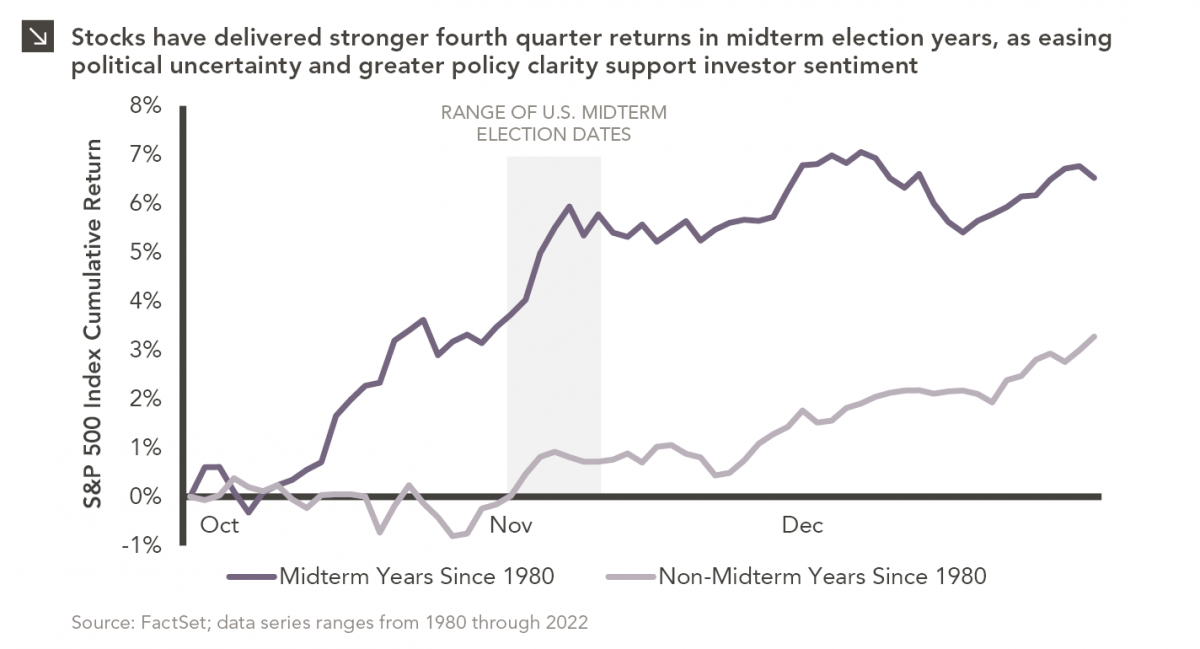
Since 1980, the S&P 500 Index has generally performed well in the weeks surrounding U.S. midterm elections. Specifically, the index…
10.12.2026
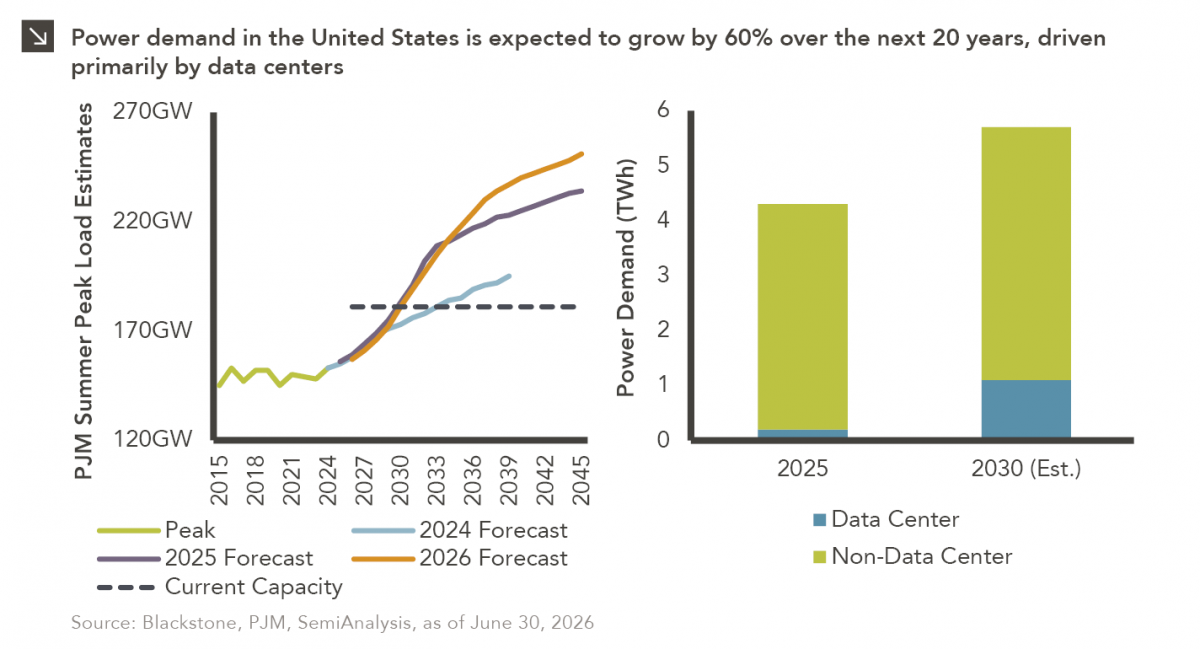
This week’s chart highlights the accelerating growth of electricity demand in the U.S., which has been driven primarily by the…
10.05.2026
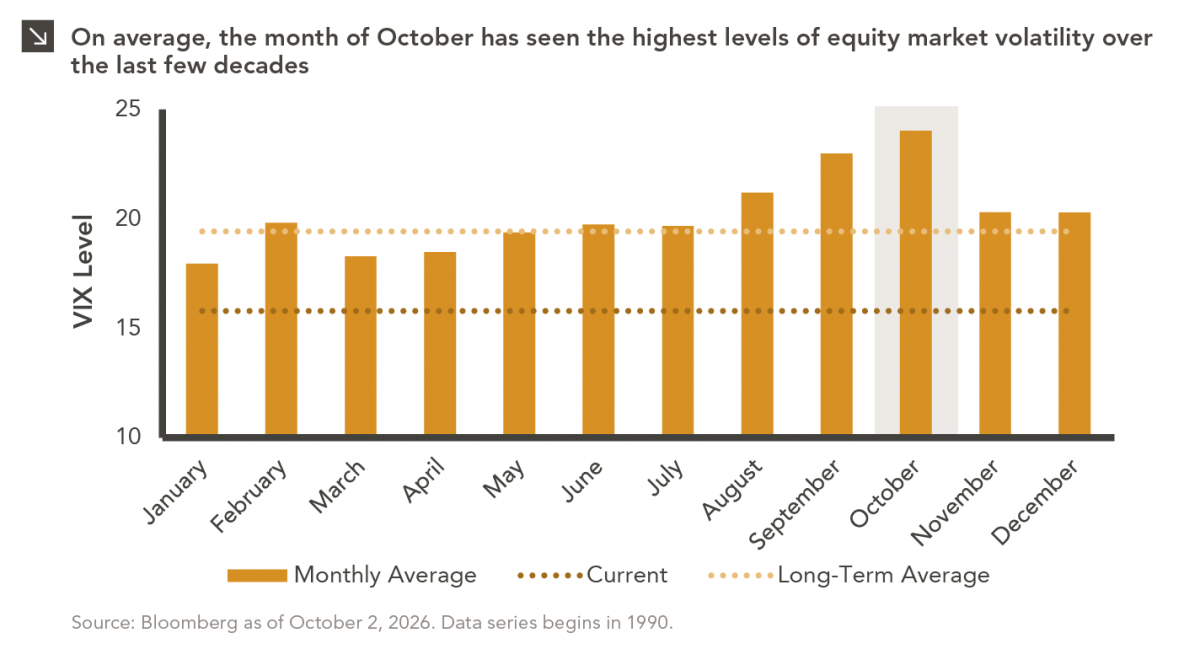
For investors, the spookiest thing about October might not be the ghosts and monsters that are bound to show up…
09.28.2026
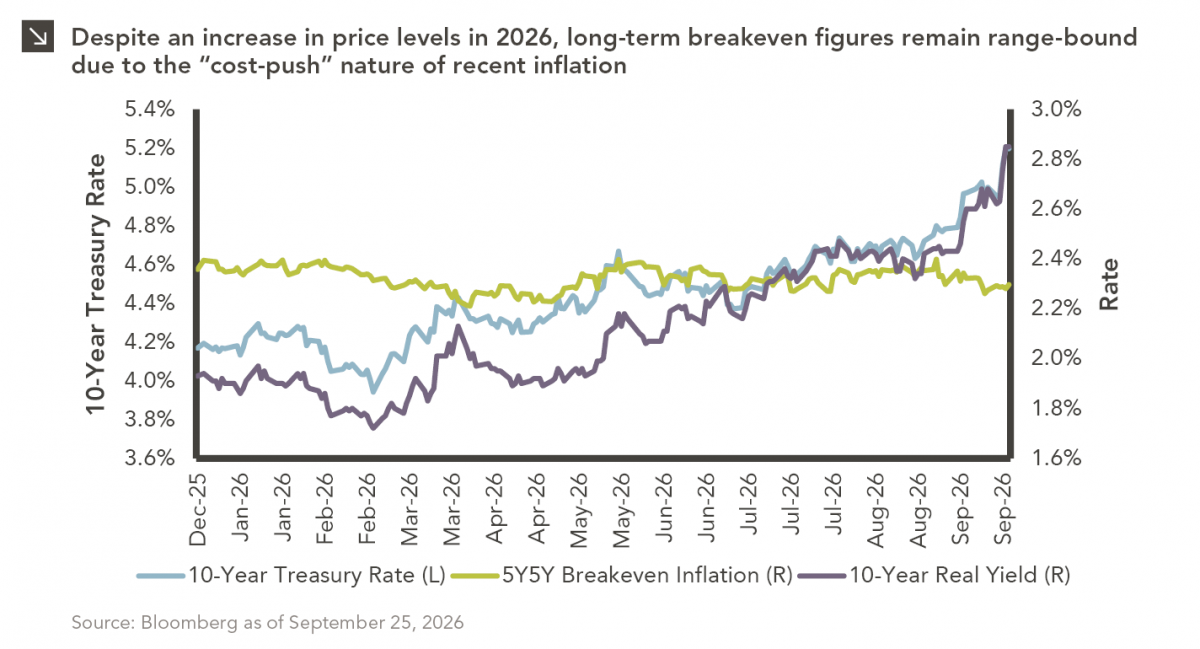
The phrase “expectations of higher inflation” has become a staple in financial news to explain the increase in nominal U.S….
09.21.2026
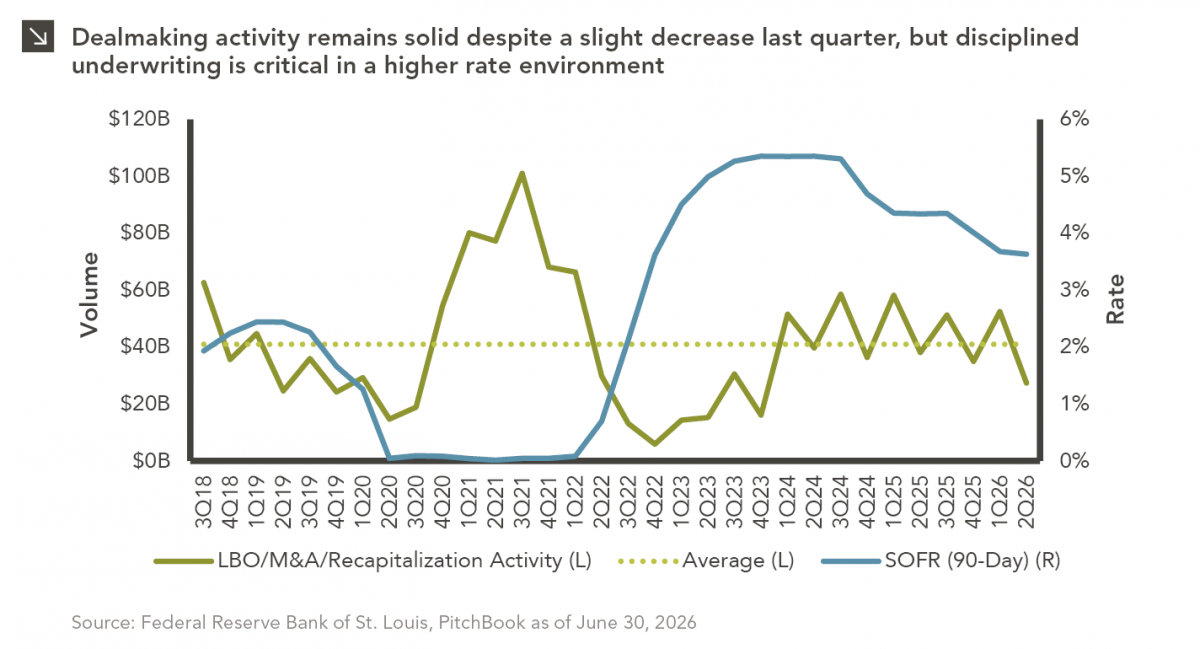
For much of the past several years, the conventional view has been that higher interest rates and stretched valuations would…
Research alerts keep you updated on our latest research publications. Simply enter your contact information, choose the research alerts you would like to receive and click Subscribe. Alerts will be sent as research is published.
We respect your privacy. We will never share or sell your information.
If you have questions or need further information, please contact us directly and we will respond to your inquiry within 24 hours.
Contact Us >