10.08.2026
3Q 2026 Market Insights
This video is a recording of a live webinar held October 22 by Marquette’s research team analyzing the third quarter…


Private equity and venture capital allocations have together benefited private capital investors as they have individually provided outperformance at different points throughout an economic cycle. While both are loosely correlated to public equity performance, venture capital investments have many similarities to growth allocations whereas private equity buyout investments have characteristics similar to value allocations. Buyout returns often depend on lower purchase prices and leverage to generate excess returns, while venture returns tend to be less price sensitive and a reflection of accelerating growth.
The lower correlation between the two assets classes was present for more than a decade, spanning from the 1990’s to the early 2000’s. During this period, an investor would naturally hedge against the heightened volatility in venture by investing in both asset classes to offset this risk. However, since the mid-2000’s these two asset classes have become much more correlated as they both have benefited from a strong, 10-year plus growth-oriented environment coupled with low fixed interest rates.
While correlations have tightened over the past decade, the “growthy” economic backdrop that has fueled this relationship will undoubtedly come to an end. When this occurs, we believe these two asset classes will provide a nice complement over time to investment portfolios in generating a higher overall return with less volatility.
Print PDF> Will Correlations Between Private Equity Strategies Continue to Converge?
The opinions expressed herein are those of Marquette Associates, Inc. (“Marquette”), and are subject to change without notice. This material is not financial advice or an offer to purchase or sell any product. Marquette reserves the right to modify its current investment strategies and techniques based on changing market dynamics or client needs.
The opinions expressed herein are those of Marquette Associates, Inc. (“Marquette”), and are subject to change without notice. This material is not financial advice or an offer to purchase or sell any product. Marquette reserves the right to modify its current investment strategies and techniques based on changing market dynamics or client needs.

10.08.2026
This video is a recording of a live webinar held October 22 by Marquette’s research team analyzing the third quarter…

10.22.2026
Anyone who has run a marathon knows the last six miles are brutal — no matter how well the first…
10.19.2026
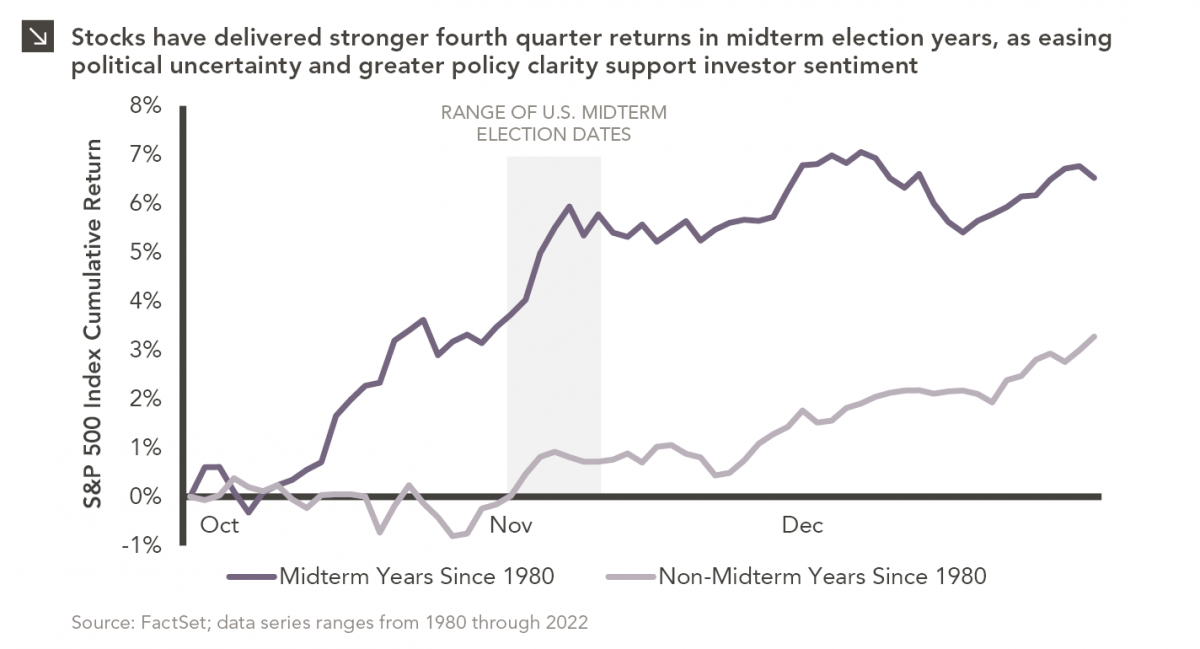
Since 1980, the S&P 500 Index has generally performed well in the weeks surrounding U.S. midterm elections. Specifically, the index…
10.12.2026
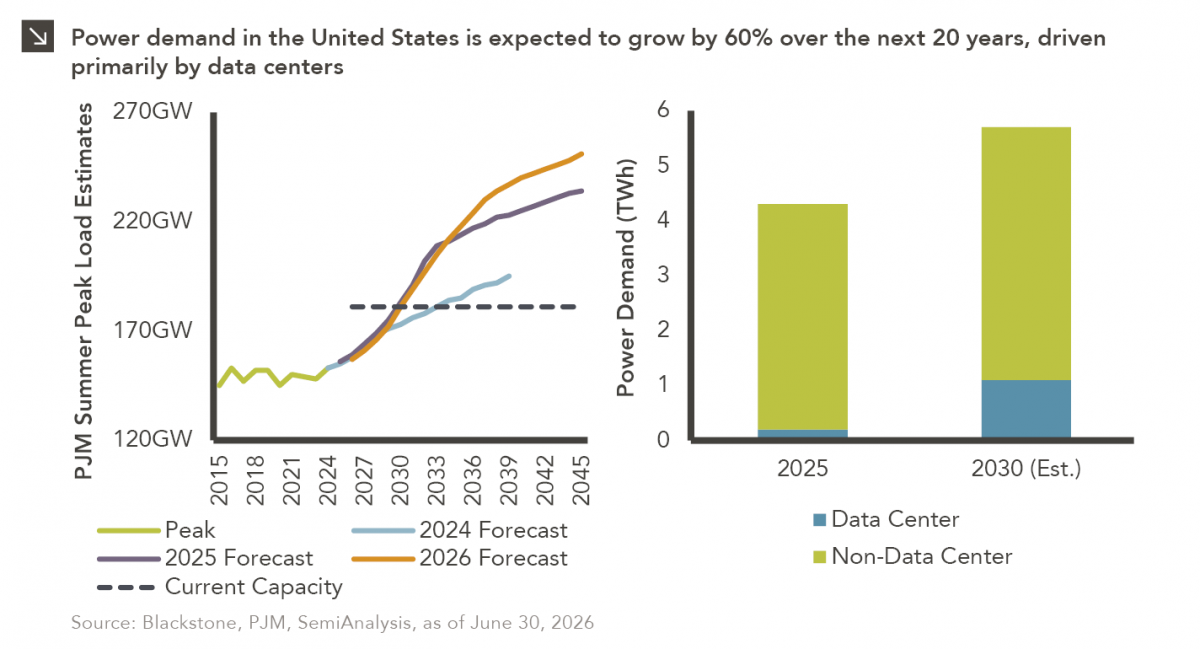
This week’s chart highlights the accelerating growth of electricity demand in the U.S., which has been driven primarily by the…
10.05.2026
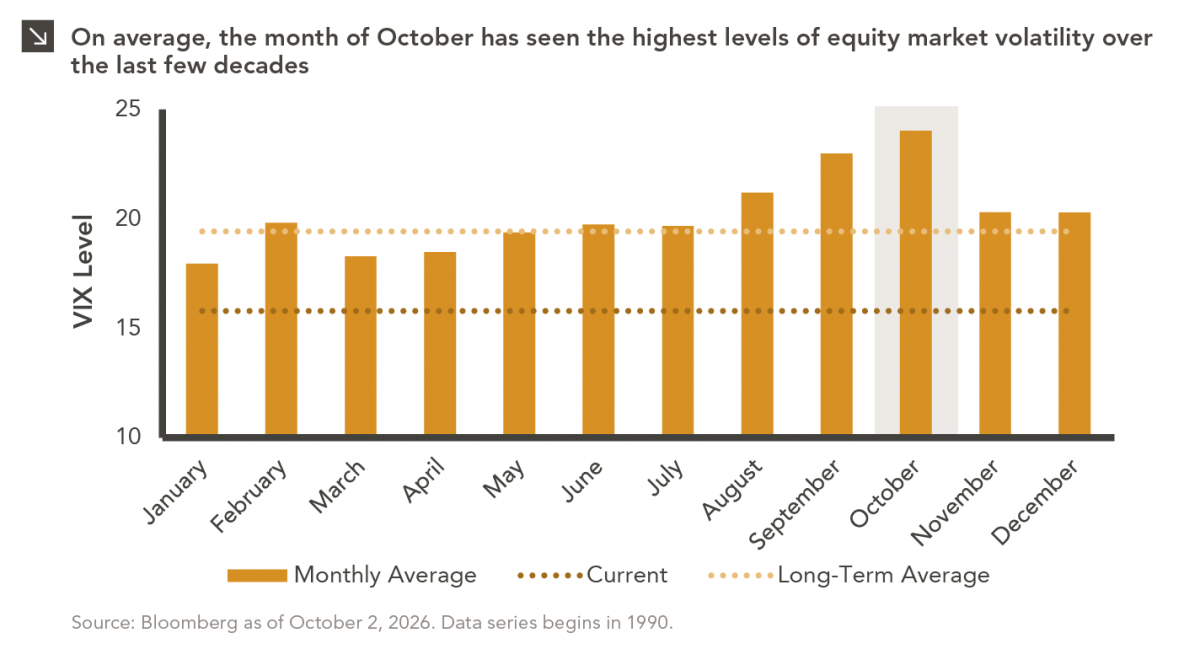
For investors, the spookiest thing about October might not be the ghosts and monsters that are bound to show up…
09.28.2026
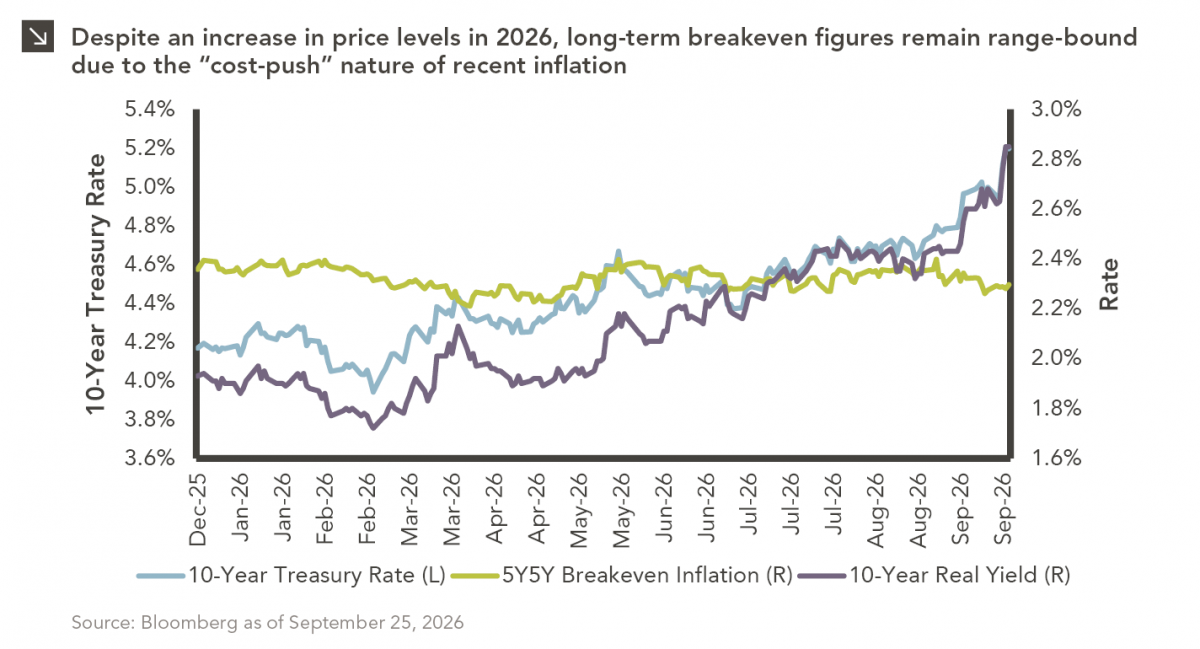
The phrase “expectations of higher inflation” has become a staple in financial news to explain the increase in nominal U.S….
Research alerts keep you updated on our latest research publications. Simply enter your contact information, choose the research alerts you would like to receive and click Subscribe. Alerts will be sent as research is published.
We respect your privacy. We will never share or sell your information.
If you have questions or need further information, please contact us directly and we will respond to your inquiry within 24 hours.
Contact Us >