10.08.2026
3Q 2026 Market Insights
This video is a recording of a live webinar held October 22 by Marquette’s research team analyzing the third quarter…


The eleven-year recovery since the 2008 financial crisis has been good for most Americans, allowing many to pay off debt and build a solid footing again. However, as this market cycle is getting a bit long in the tooth, investors are rightly concerned about areas of fundamental deterioration and whether the next recession might be lurking around the corner.
This week’s chart looks at the total amount of consumer debt in the U.S. The chart shows the aggregate amount of mortgage debt, home equity lines of credit, auto loans, credit card debt and student loans among U.S. households. We can see that in total, the amount reached roughly $13 trillion at the peak of the 2008 crisis, fell to a trough of about $11 trillion in 2013, but has now surpassed 2008 levels to about $14 trillion today, with especially high growth in the total student loan amount.
While nominal numbers can be informative, finance is the study of ratios, which can be even more insightful. If we divide the total nominal consumer debt amount by the U.S. population at key dates, we determine that total consumer debt was $24.93 per person in 2003, reaching a peak of $41.68 per person in 2008, dropping to a trough of $35.27 per person in 2013, but again surpassing 2008 and reaching an all-time peak of $41.77 per person today. Should we be concerned? While per person levels of consumer debt are concerning, consumer debt to GDP levels would tell a different story. Dividing the same total nominal consumer debt as shown in the chart by nominal U.S. GDP, we have 0.6x in 2003, 0.9x in 2008, 0.7x in 2013 and back to 0.6x today.
The two leverage ratios suggest opposing conclusions. While the per person leverage ratio is showing that we are worse off today than in 2008, the GDP leverage ratio is showing that we are just fine, with a consumer debt-to-GDP ratio that is nowhere near 2008 and more akin to 2003. Bottom line, this is telling us that our GDP is growing at a faster rate than our population, due at least in part to advances in technology that have raised productivity levels. However, the per person leverage ratio is showing that each American on average now has more debt than ever before, even more than 2008 levels, which bears watching for its potential impact on overall growth in the coming years.
Print PDF > Are Americans Swimming in Debt Again?
The opinions expressed herein are those of Marquette Associates, Inc. (“Marquette”), and are subject to change without notice. This material is not financial advice or an offer to purchase or sell any product. Marquette reserves the right to modify its current investment strategies and techniques based on changing market dynamics or client needs.
The opinions expressed herein are those of Marquette Associates, Inc. (“Marquette”), and are subject to change without notice. This material is not financial advice or an offer to purchase or sell any product. Marquette reserves the right to modify its current investment strategies and techniques based on changing market dynamics or client needs.

10.08.2026
This video is a recording of a live webinar held October 22 by Marquette’s research team analyzing the third quarter…

10.22.2026
Anyone who has run a marathon knows the last six miles are brutal — no matter how well the first…
10.19.2026
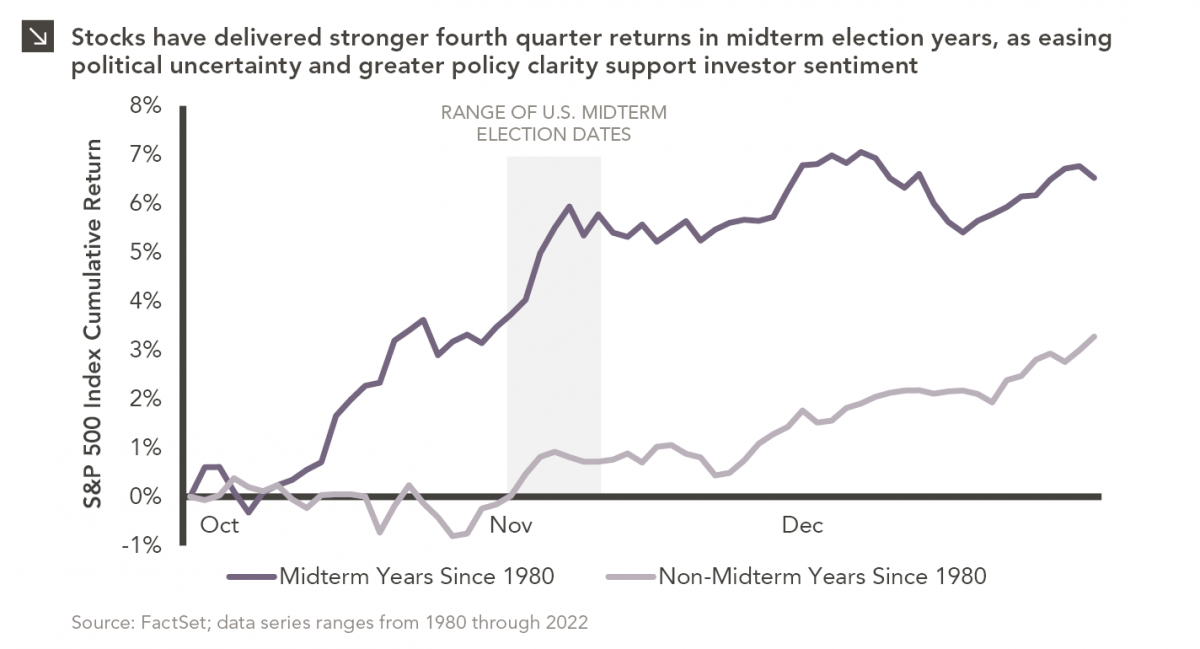
Since 1980, the S&P 500 Index has generally performed well in the weeks surrounding U.S. midterm elections. Specifically, the index…
10.12.2026
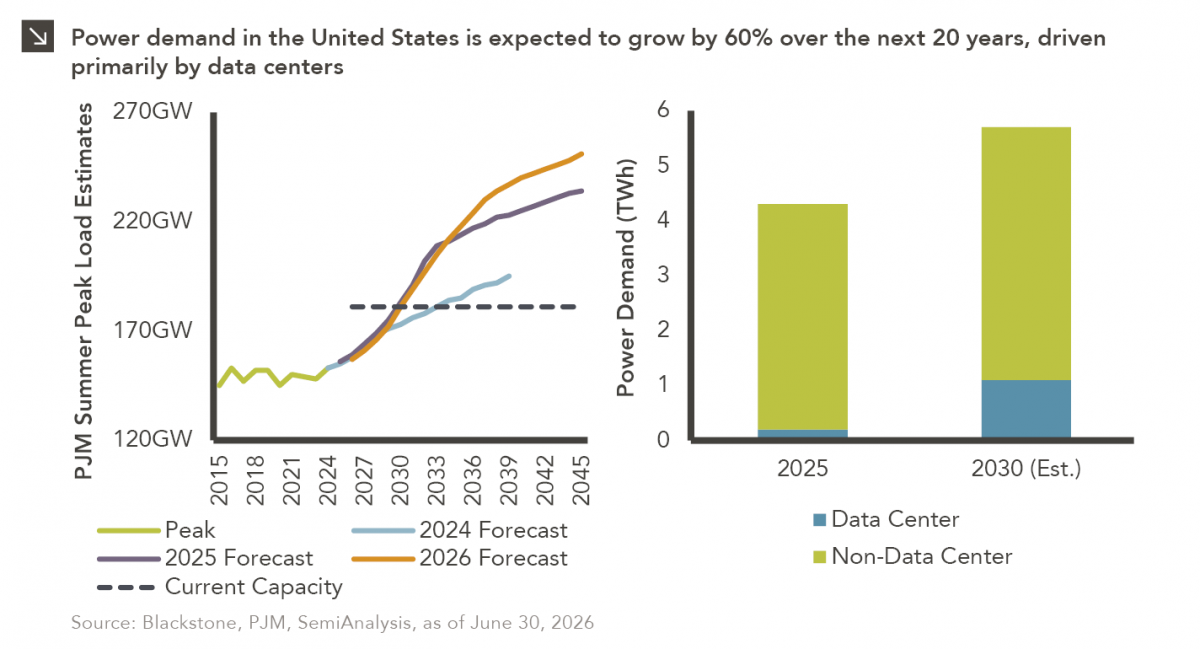
This week’s chart highlights the accelerating growth of electricity demand in the U.S., which has been driven primarily by the…
10.05.2026
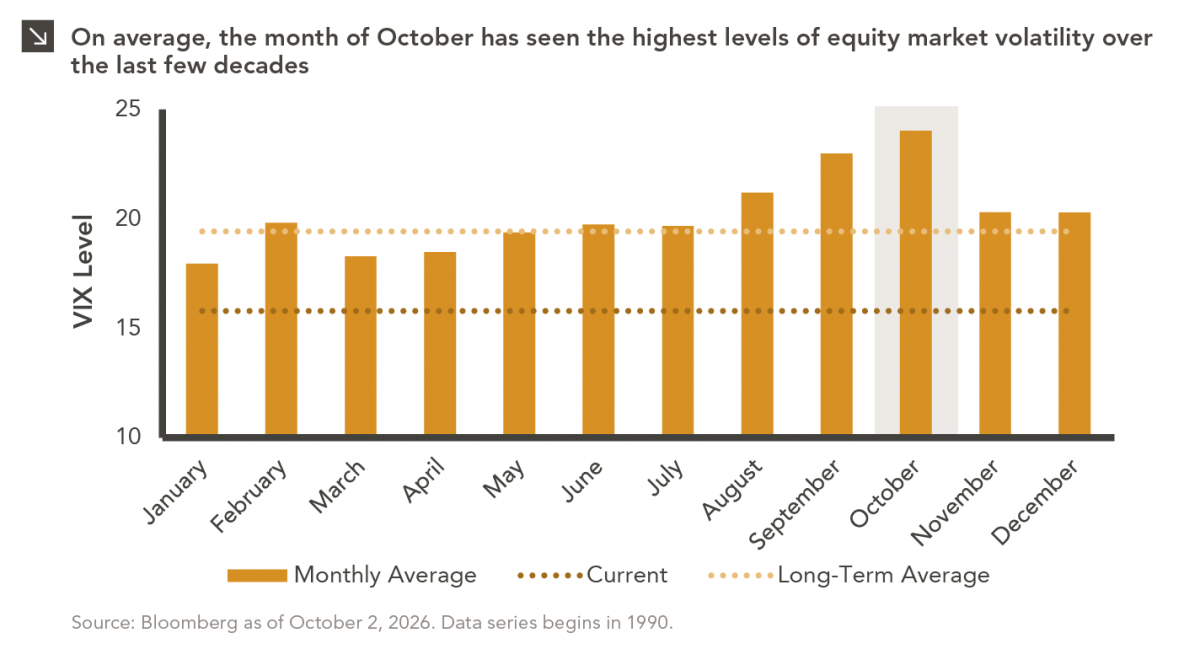
For investors, the spookiest thing about October might not be the ghosts and monsters that are bound to show up…
09.28.2026
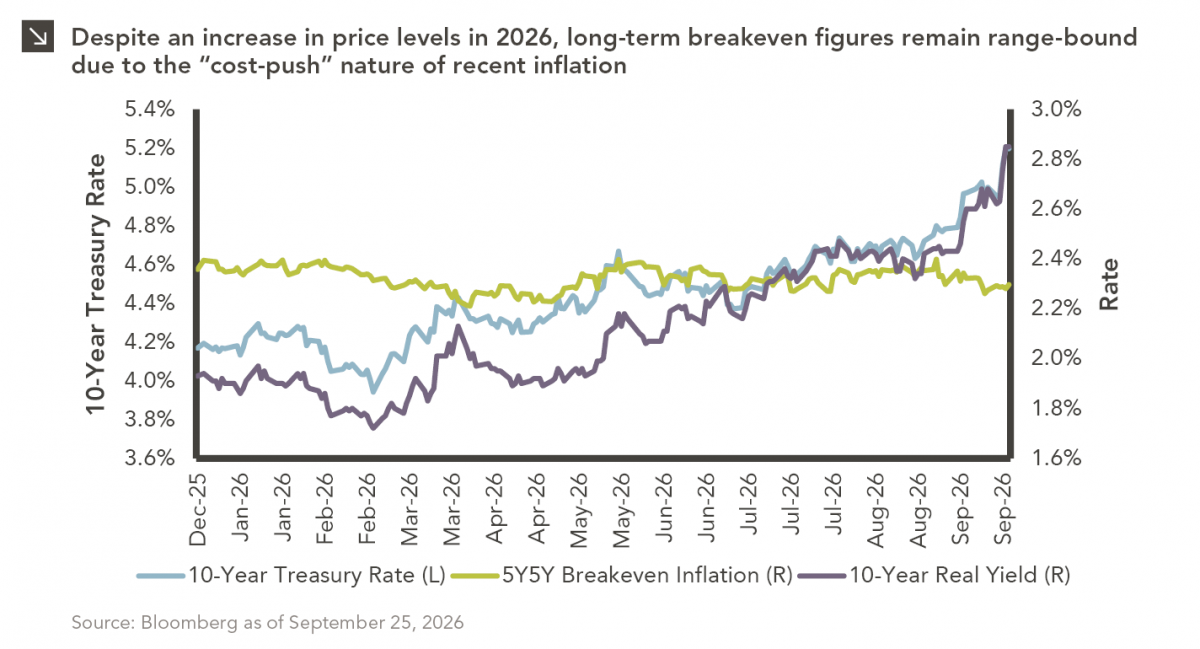
The phrase “expectations of higher inflation” has become a staple in financial news to explain the increase in nominal U.S….
Research alerts keep you updated on our latest research publications. Simply enter your contact information, choose the research alerts you would like to receive and click Subscribe. Alerts will be sent as research is published.
We respect your privacy. We will never share or sell your information.
If you have questions or need further information, please contact us directly and we will respond to your inquiry within 24 hours.
Contact Us >