10.22.2026
Will Higher Rates Cramp the Markets?
Anyone who has run a marathon knows the last six miles are brutal — no matter how well the first…


FAANG stocks have underperformed the broad market over the past year, a stark change from their previous multi-year run of outperformance. More recently, this high-flying group has been negatively affected by a slowing global economy, the U.S.-China trade war, and antitrust investigations. On the other hand, low volatility equity strategies — heavily allocated to defensive sectors of the market such as utilities, REITs, and consumer staples — are benefiting from concern that we are late cycle, slowing global economic conditions, and falling interest rates. As investors seek to mitigate downside risk within equities, low volatility investments have been the recent winner.
This week’s Chart of the Week shows the growth of $100 for the S&P 500 Low Volatility index, the S&P 500 index, and the NYSE FANG+ index over the past year. As of August 23rd, the S&P 500 Low Volatility index had a trailing one-year return of +15.3%. Over this same time frame, the S&P 500 index returned a meager +1.7% while the NYSE FANG+ index fell by -12.4%.
The basic premise of low volatility investing is winning by not losing. A focus on lower beta, lower volatility stocks provides downside protection and helps with the power of compounding over time. The low volatility trade isn’t entirely a free lunch since popularity in this investment style has driven up valuations. Across defensive sectors, valuations are well above their long-term historical averages and trade at a premium to the broad market. As of July month-end, the S&P 500 Low Volatility index had a trailing P/E ratio of 23x compared to 21x for the S&P 500 index. While valuation levels for low volatility indices are certainly elevated and may have an impact on future price appreciation, their lower beta nature should act to mitigate downside risk relative to the broad market.
Print PDF > Low Volatility Takes a Bite out of FAANG
The opinions expressed herein are those of Marquette Associates, Inc. (“Marquette”), and are subject to change without notice. This material is not financial advice or an offer to purchase or sell any product. Marquette reserves the right to modify its current investment strategies and techniques based on changing market dynamics or client needs.
The opinions expressed herein are those of Marquette Associates, Inc. (“Marquette”), and are subject to change without notice. This material is not financial advice or an offer to purchase or sell any product. Marquette reserves the right to modify its current investment strategies and techniques based on changing market dynamics or client needs.

10.22.2026
Anyone who has run a marathon knows the last six miles are brutal — no matter how well the first…
10.19.2026
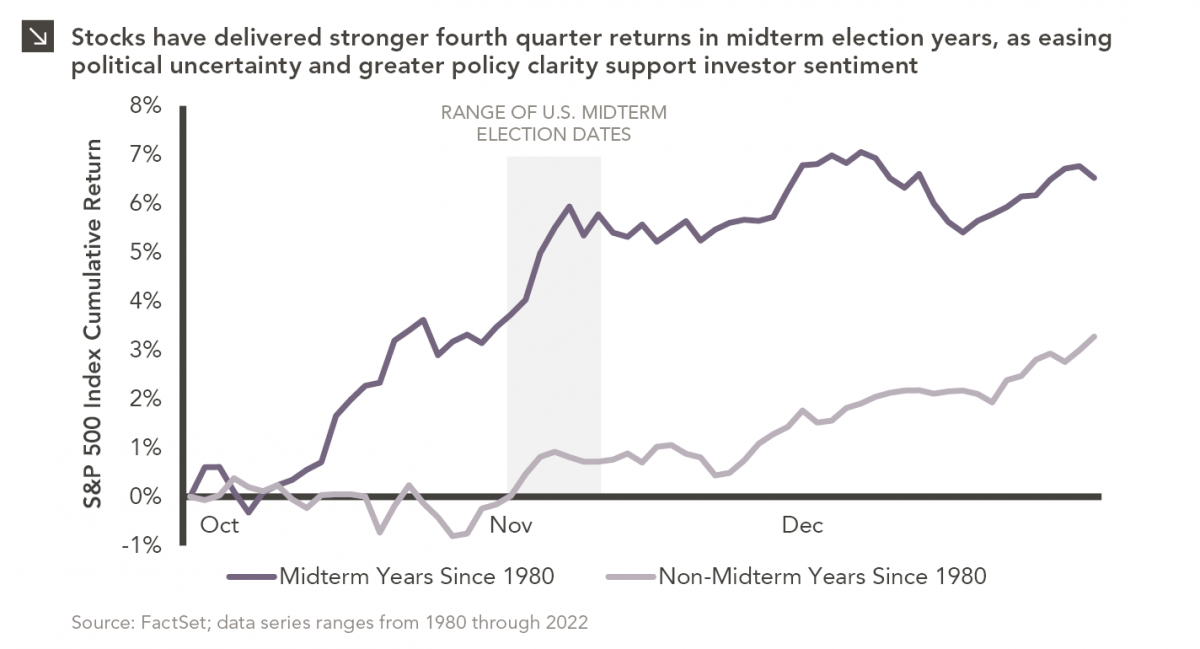
Since 1980, the S&P 500 Index has generally performed well in the weeks surrounding U.S. midterm elections. Specifically, the index…
10.12.2026
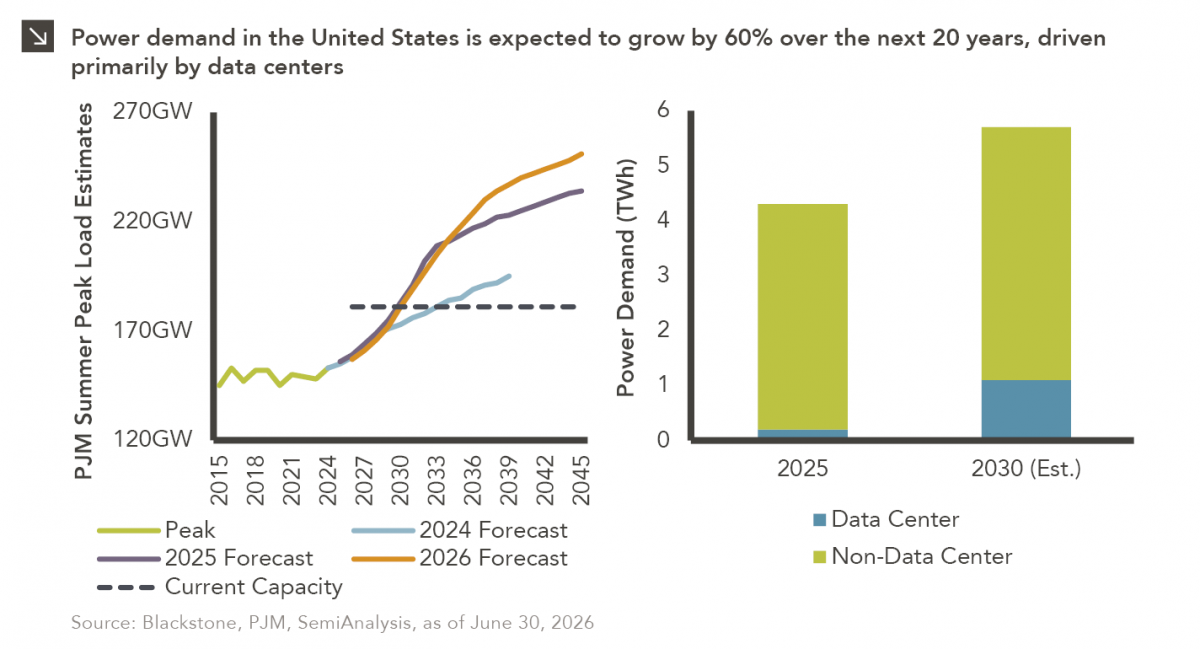
This week’s chart highlights the accelerating growth of electricity demand in the U.S., which has been driven primarily by the…

10.08.2026
LIVE WEBINAR — OCTOBER 22 Please join Marquette’s research team for our 3Q 2026 Market Insights Webinar…
10.05.2026
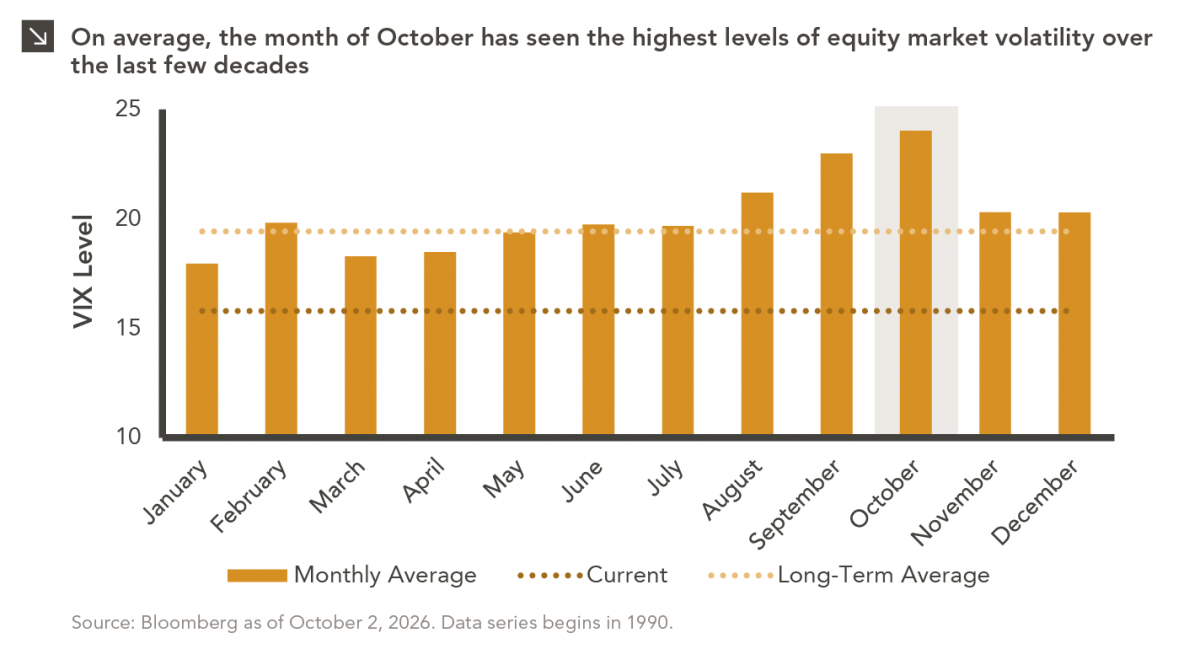
For investors, the spookiest thing about October might not be the ghosts and monsters that are bound to show up…
09.28.2026
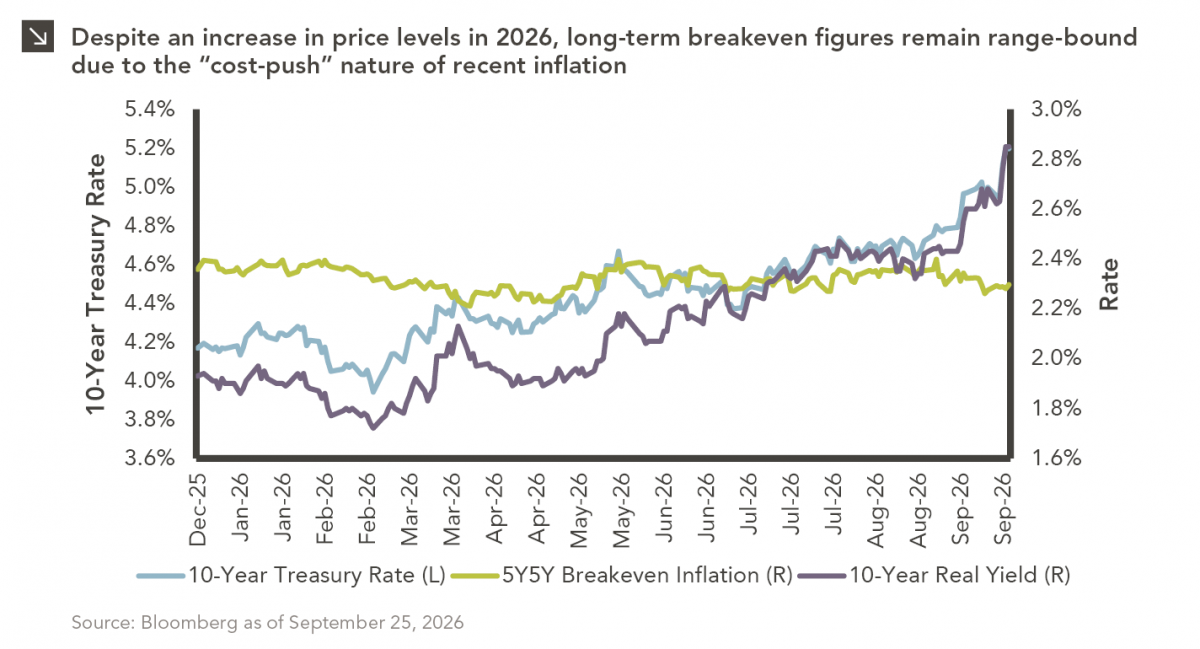
The phrase “expectations of higher inflation” has become a staple in financial news to explain the increase in nominal U.S….
Research alerts keep you updated on our latest research publications. Simply enter your contact information, choose the research alerts you would like to receive and click Subscribe. Alerts will be sent as research is published.
We respect your privacy. We will never share or sell your information.
If you have questions or need further information, please contact us directly and we will respond to your inquiry within 24 hours.
Contact Us >