10.19.2026
Divided We Rise?
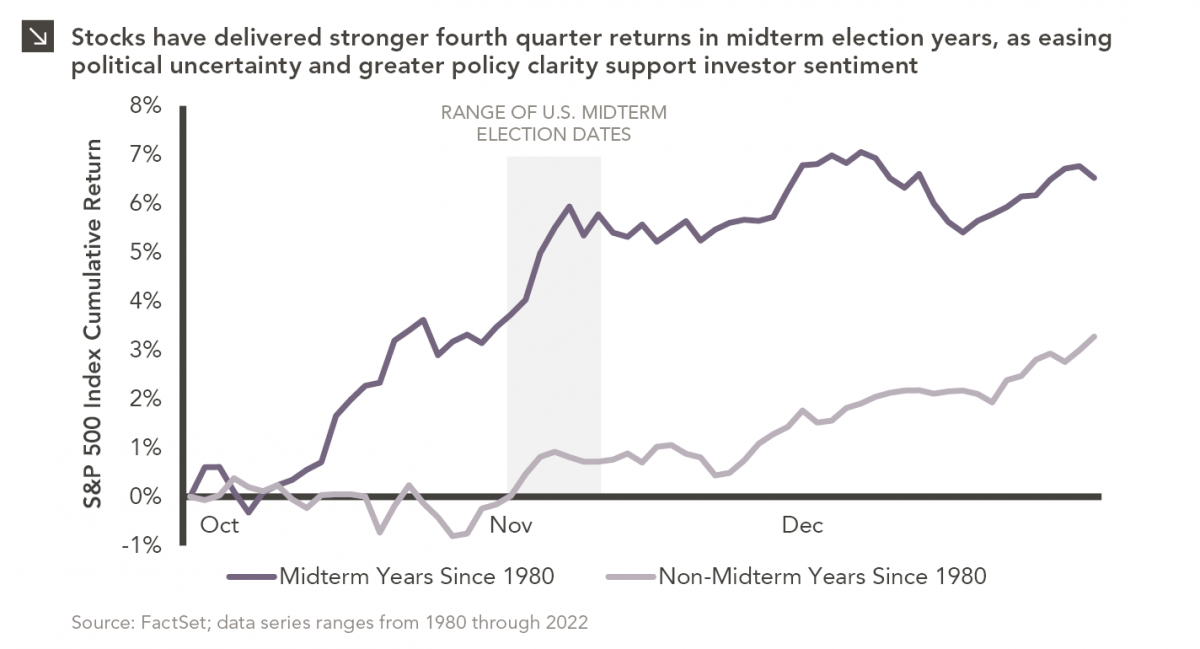
Since 1980, the S&P 500 Index has generally performed well in the weeks surrounding U.S. midterm elections. Specifically, the index…


Much like the overall private equity ecosystem, the private equity co-investment landscape is undeniably growing and has yet to show any signs of slowing down. Historically, co-investing was implemented for one-off decisions to fill the gap in financing that GPs were unable to obtain. Now, GPs have come to embrace co-investment capital with a more recent phenomenon pushing its way to the forefront. We are now seeing GPs form dedicated co-investment vehicles, which eliminate the need for GPs and LPs to negotiate terms for each transaction. This structure gives co-investors access to a stream of co-investment opportunities with preferential economics.
Co-investing is beneficial to not only the GP, but also to the co-investors (LPs) who benefit from high-quality investment opportunities at favorable economics. Co-investing allows LPs to commit capital alongside preferred GPs and create tactical allocations to a pool of high-quality investments for their portfolios. Additionally, the more appealing fee structure of co-investments, which often have no management fee or carried interest, is fueling demand from institutional investors.
The value of co-investment deals has more than doubled since 2012 (totaling $104 billion in 2017) with the number of LPs making co-investments in PE rising from 42% to 55% over the past five years. In 2017, roughly 20% of the private equity market accounted for this volume. The volume of co-investment deal value in recent years has increased rapidly, illustrating the growing appetite investors have for this space.
Given the competitiveness of the co-investment market, having the right GP relationship is of utmost importance and a major determinant in the success of a program; however, given the size of the maturing private equity co-investment marketplace, we encourage investors to — at the very least — retain the option to pursue co-investments as even a modest allocation to the space can improve the return profile of a private investment program.
Print PDF > The Rise of Co-Investments
The opinions expressed herein are those of Marquette Associates, Inc. (“Marquette”), and are subject to change without notice. This material is not financial advice or an offer to purchase or sell any product. Marquette reserves the right to modify its current investment strategies and techniques based on changing market dynamics or client needs.
The opinions expressed herein are those of Marquette Associates, Inc. (“Marquette”), and are subject to change without notice. This material is not financial advice or an offer to purchase or sell any product. Marquette reserves the right to modify its current investment strategies and techniques based on changing market dynamics or client needs.
10.19.2026
Since 1980, the S&P 500 Index has generally performed well in the weeks surrounding U.S. midterm elections. Specifically, the index…
10.12.2026
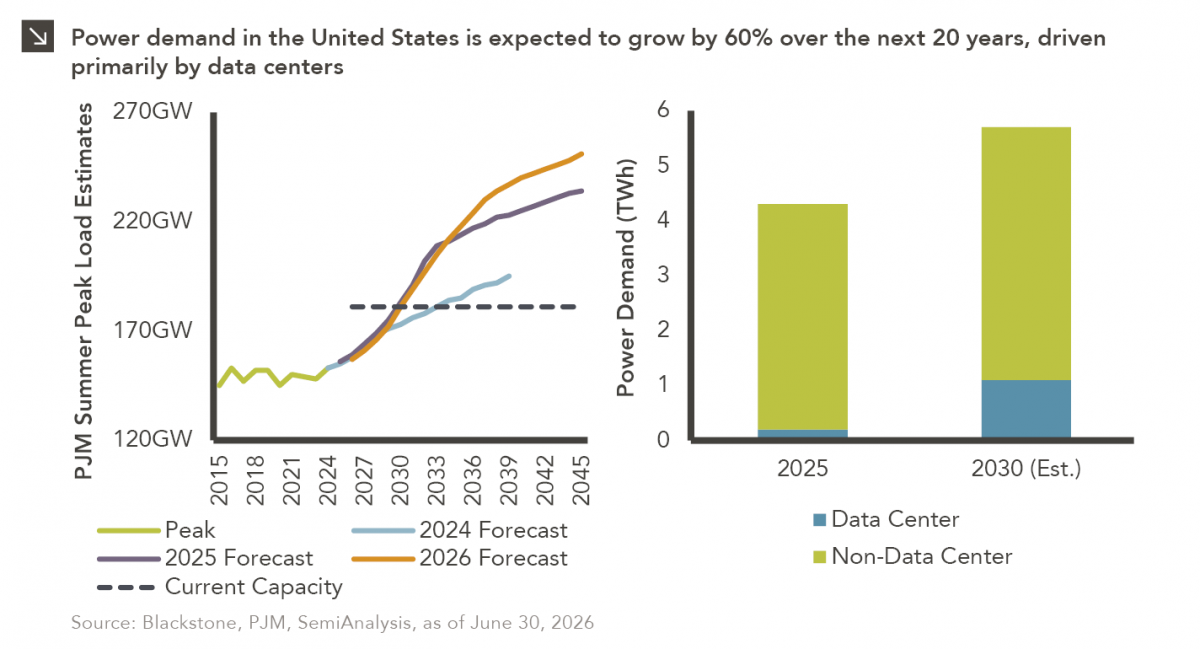
This week’s chart highlights the accelerating growth of electricity demand in the U.S., which has been driven primarily by the…

10.08.2026
LIVE WEBINAR — OCTOBER 22 Please join Marquette’s research team for our 3Q 2026 Market Insights Webinar…
10.05.2026
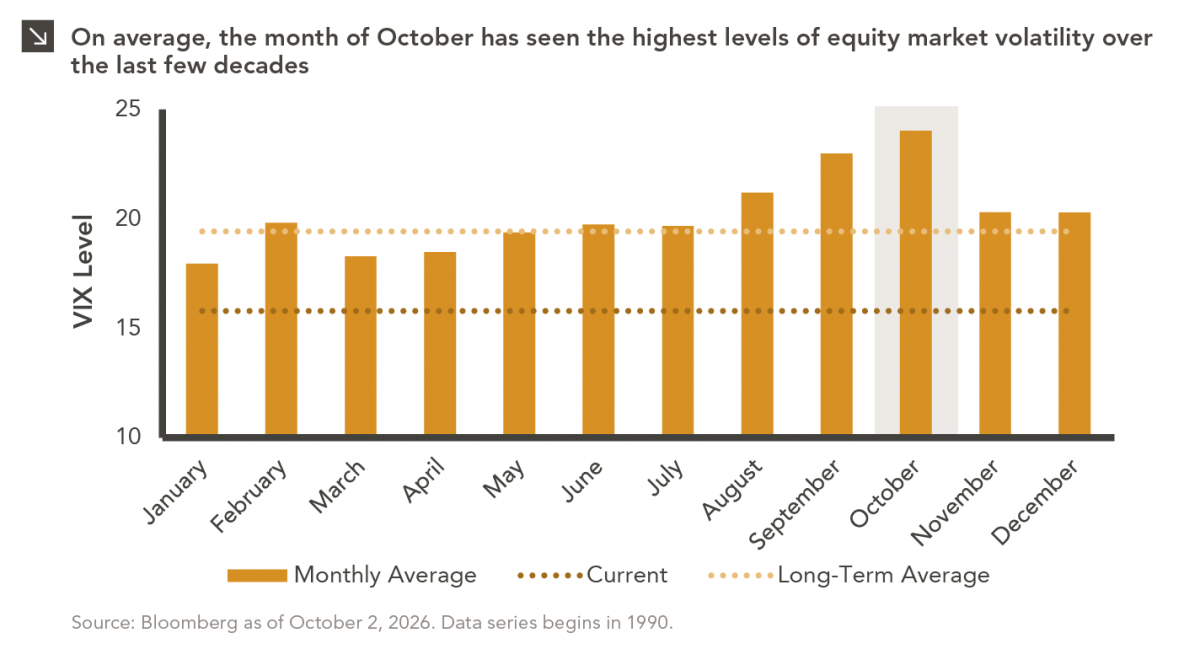
For investors, the spookiest thing about October might not be the ghosts and monsters that are bound to show up…
09.28.2026
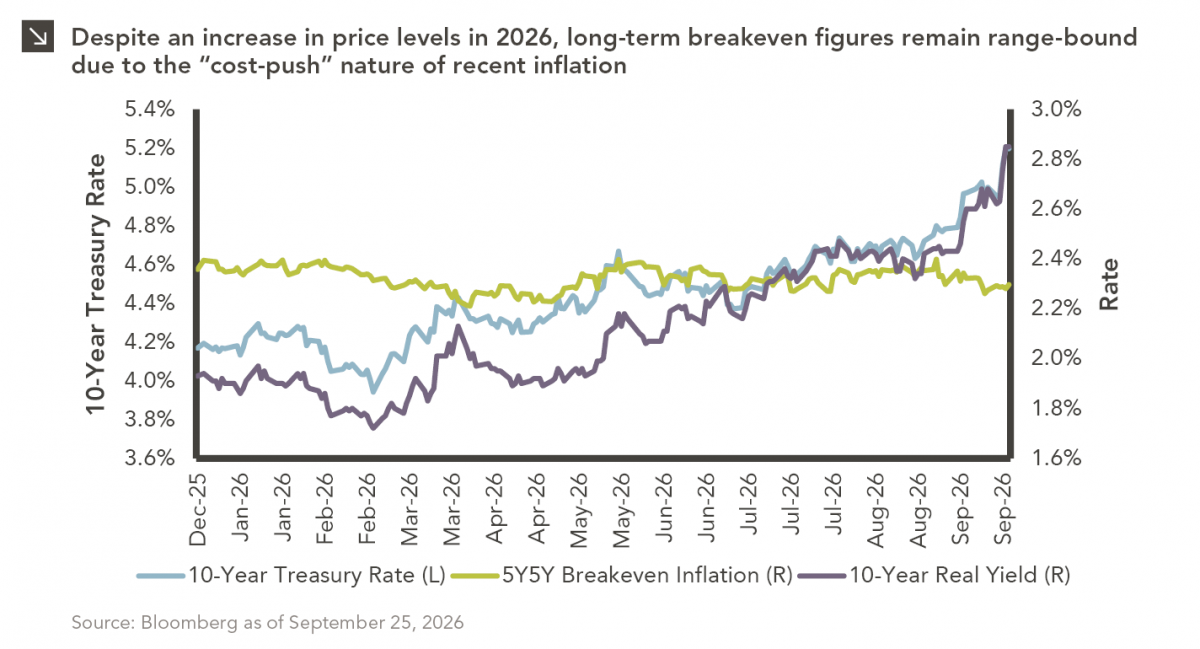
The phrase “expectations of higher inflation” has become a staple in financial news to explain the increase in nominal U.S….
09.21.2026
For much of the past several years, the conventional view has been that higher interest rates and stretched valuations would…
Research alerts keep you updated on our latest research publications. Simply enter your contact information, choose the research alerts you would like to receive and click Subscribe. Alerts will be sent as research is published.
We respect your privacy. We will never share or sell your information.
If you have questions or need further information, please contact us directly and we will respond to your inquiry within 24 hours.
Contact Us >