10.22.2026
Will Higher Rates Cramp the Markets?
Anyone who has run a marathon knows the last six miles are brutal — no matter how well the first…


The U.S. Treasury yield curve briefly inverted a month ago, when the 10-year Treasury yield fell 4 basis points below the 2-year Treasury yield on August 27th. An inverted yield curve has historically signaled a recession to come, as was the case prior to the 2000 tech bubble and 2008 housing crisis. However, the stock markets in the U.S. have been resilient since this latest inversion. The S&P 500 is up 4.2% and the Russell 1000 is up 6.6% since August 27th. This is not surprising as historically there is roughly a 20-month lag between yield curve inversion and the start of a recession.
It should be noted, however, in this most recent case of inversion there is the additional — and unprecedented — phenomenon of yield-seeking from investors whose domestic yields are currently negative. Foreign countries currently own approximately $6.6 trillion of U.S. Treasuries. In fact, countries with negative interest rates such as Japan and Germany increased their U.S. Treasury holdings by 9.2% and 21%, respectively, over the last twelve months. Foreign holdings of U.S. Treasuries amount to roughly 30% of the total amount of U.S. Treasuries outstanding and as a result, the shape of the yield curve has been warped and therefore may be a less-reliable indicator for recessions. It is true that yield curve inversion typically signals a market’s pessimistic view of the economy. However, given the current demand dynamics from foreign investors, yield curve inversion may be less reliable of a recession prediction signal given the overall state of economic growth and consumer health.
Print > The Yield Curve Inverted A Month Ago… Now What?
The opinions expressed herein are those of Marquette Associates, Inc. (“Marquette”), and are subject to change without notice. This material is not financial advice or an offer to purchase or sell any product. Marquette reserves the right to modify its current investment strategies and techniques based on changing market dynamics or client needs.
The opinions expressed herein are those of Marquette Associates, Inc. (“Marquette”), and are subject to change without notice. This material is not financial advice or an offer to purchase or sell any product. Marquette reserves the right to modify its current investment strategies and techniques based on changing market dynamics or client needs.

10.22.2026
Anyone who has run a marathon knows the last six miles are brutal — no matter how well the first…
10.19.2026
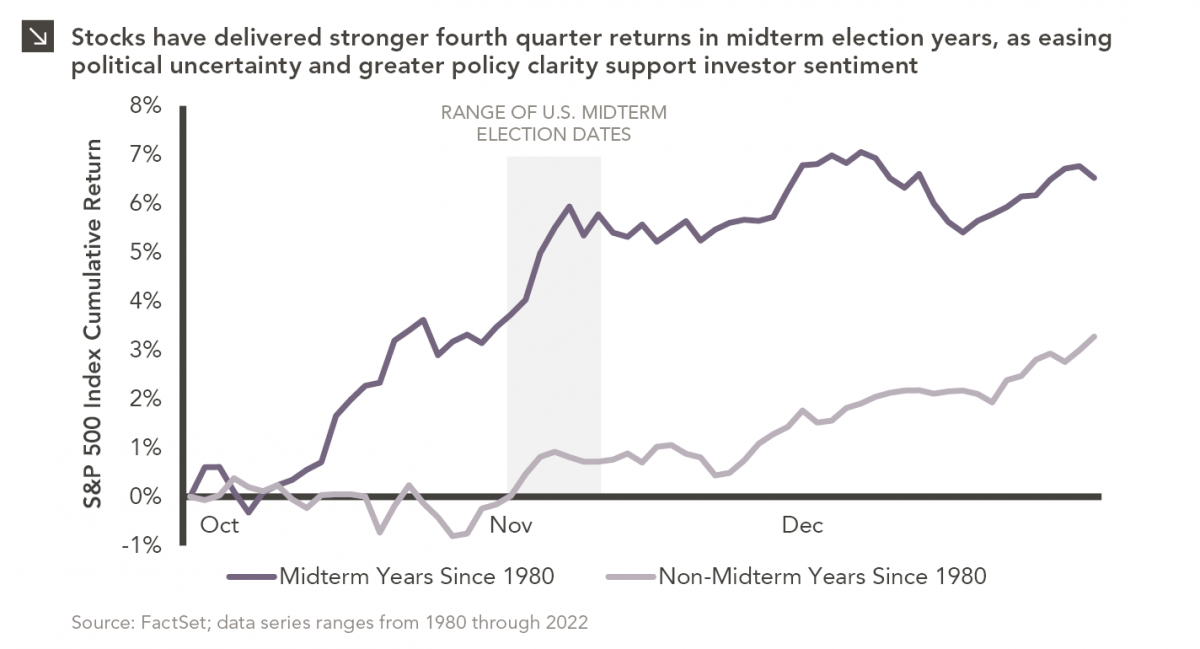
Since 1980, the S&P 500 Index has generally performed well in the weeks surrounding U.S. midterm elections. Specifically, the index…
10.12.2026
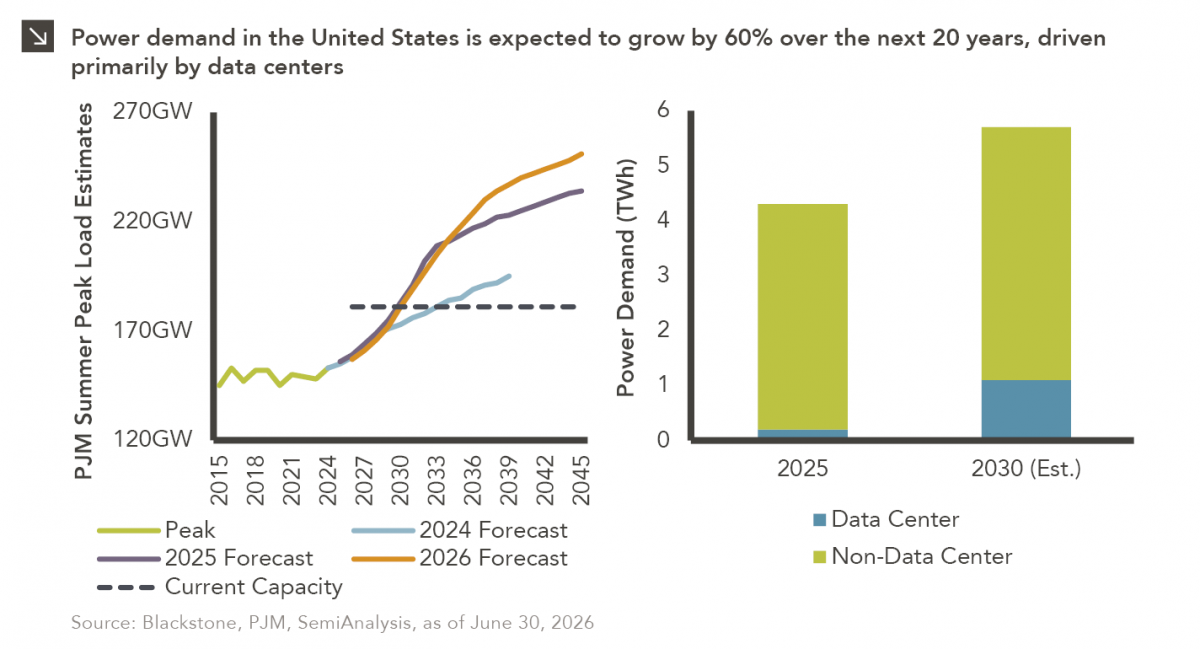
This week’s chart highlights the accelerating growth of electricity demand in the U.S., which has been driven primarily by the…

10.08.2026
LIVE WEBINAR — OCTOBER 22 Please join Marquette’s research team for our 3Q 2026 Market Insights Webinar…
10.05.2026
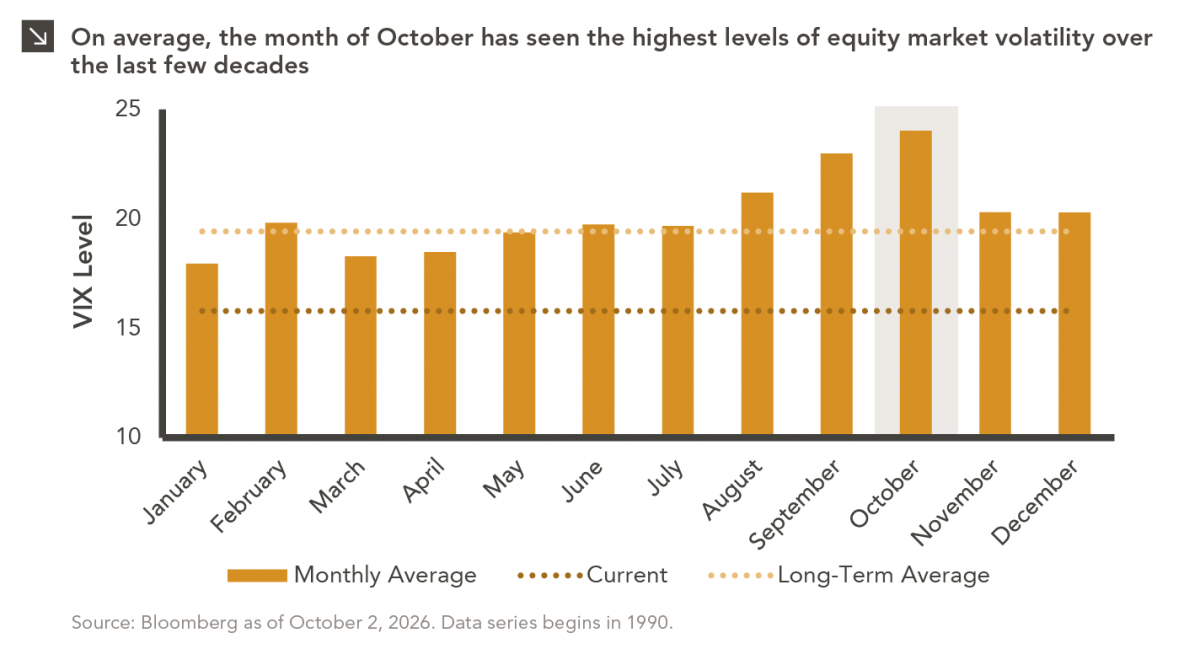
For investors, the spookiest thing about October might not be the ghosts and monsters that are bound to show up…
09.28.2026
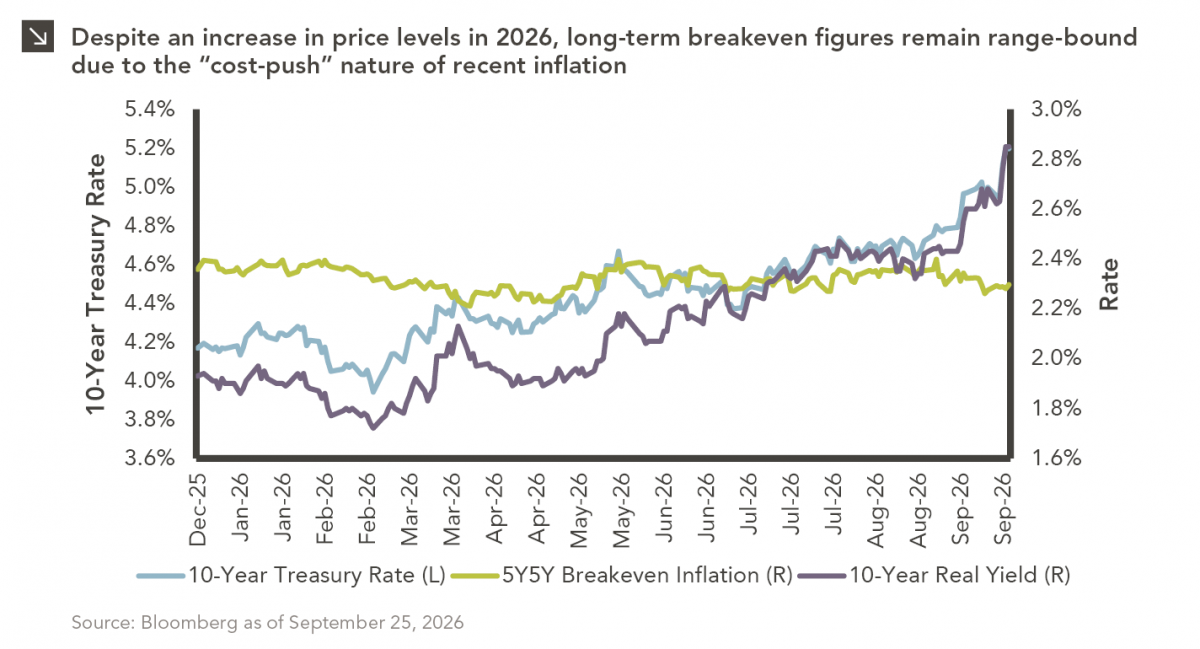
The phrase “expectations of higher inflation” has become a staple in financial news to explain the increase in nominal U.S….
Research alerts keep you updated on our latest research publications. Simply enter your contact information, choose the research alerts you would like to receive and click Subscribe. Alerts will be sent as research is published.
We respect your privacy. We will never share or sell your information.
If you have questions or need further information, please contact us directly and we will respond to your inquiry within 24 hours.
Contact Us >