Doug Oest, CAIA
Partner


This week’s chart looks at the amount of excess reserves banks are holding at the Federal Reserve (orange line) along with the corresponding changes to the Federal Reserve’s balance sheet (black line). As of the end of July 2011, banks are holding over $1.6 trillion in excess reserves, which is notably higher than what historical averages would suggest. This has led some market commentators to worry about inflation escalating as banks begin to lend out those assets (note that overall loans and leases issued by commercial banks, as represented by the red line, have fallen since the Financial Crisis of 2008 – 2009).
In the United States, all depository institutions (commercial banks, savings and loans, credit unions, etc.) are required by the Fed to satisfy a reserve requirement (or liquidity ratio): each bank must retain a certain amount of cash that cannot be used for loans to business or consumers. Any reserves held above the required amount are considered “excess reserves”.
Historically, institutions have minimized their excess reserves because it is generally more profitable to issue loans than to hold the cash (the banks can earn higher amounts of interest via loans). When money is lent by banks, it can have what is called a multiplier effect on money supply: because banks only have to hold a small percentage of assets to meet the reserve requirement, they are able to increase the money supply by lending. For instance, with a 10% reserve requirement, $100 could theoretically be turned into $1,000 through the multiplier effect.
As a result of this theory, many market commentators have expressed concern over the current large level of excess reserves held by banks. Based on this macroeconomic theory, even a relatively small decline in excess reserves of $100 billion could theoretically increase the money supply by $1 trillion (assuming a reserve requirement of 10%).
The Fed is confident that inflation is not a near term threat to the economy, and when (if) inflation does become a concern, it has the tools to control the growth of price levels. A large output gap in the U.S. economy, high levels of unemployment, and slow wage growth are the most commonly cited reasons for the expected low levels of future inflation. The Fed also has a few tools to help combat inflation from excess reserves, including selling large amounts of securities from its balance sheet (either outright sales or using reverse repurchase agreements) or increasing the interest rate it pays on excess reserves to incent banks to continue to hold excess reserves. The ability to pay interest on excess reserves is a new tool for the Fed and in its view alters the theory behind the multiplier effect.
The fact remains that the U.S. is in uncharted monetary policy territory, with little historical precedent to rely on. As Fed Vice Chairman Donald Kohn said, “the calibration of our exit from these policies is complicated by a paucity of evidence on how unconventional policies work. We will need to be flexible and adjust as we gain experience”.

The opinions expressed herein are those of Marquette Associates, Inc. (“Marquette”), and are subject to change without notice. This material is not financial advice or an offer to purchase or sell any product. Marquette reserves the right to modify its current investment strategies and techniques based on changing market dynamics or client needs.

07.07.2026
JULY 23 — 1:00pm CT Please join Marquette’s research team for our 2026 Halftime Market Insights Webinar…
07.06.2026
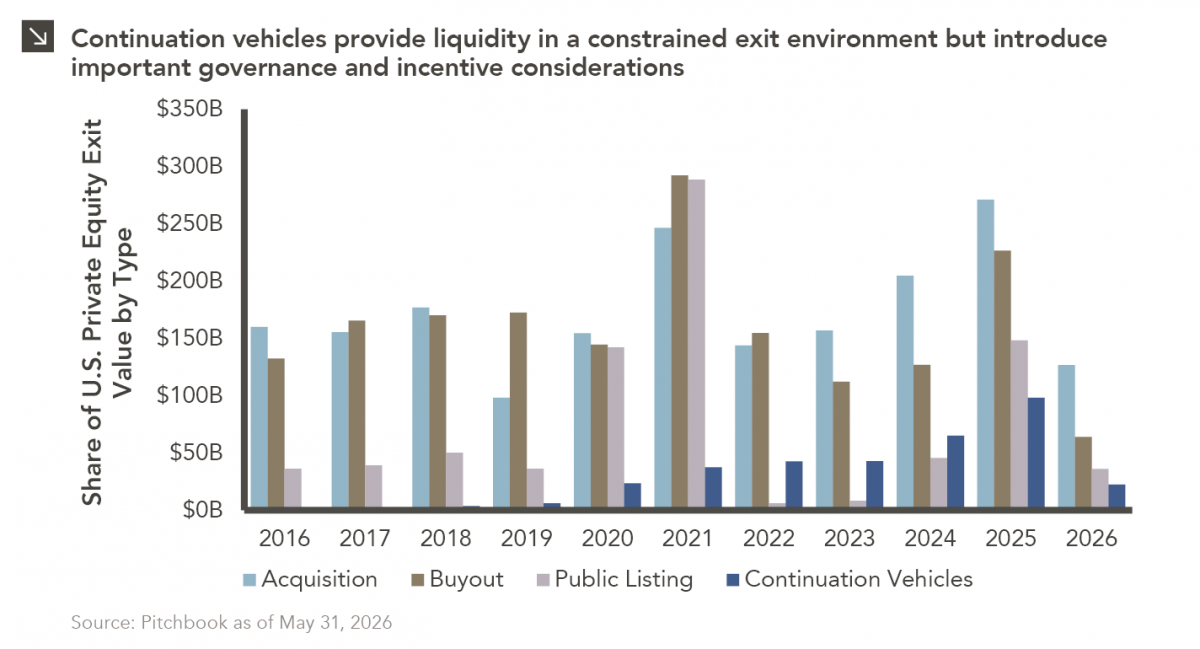
Since traditional exit routes have remained constrained in recent years due to higher interest rates, valuation gaps, and a subdued…
06.29.2026
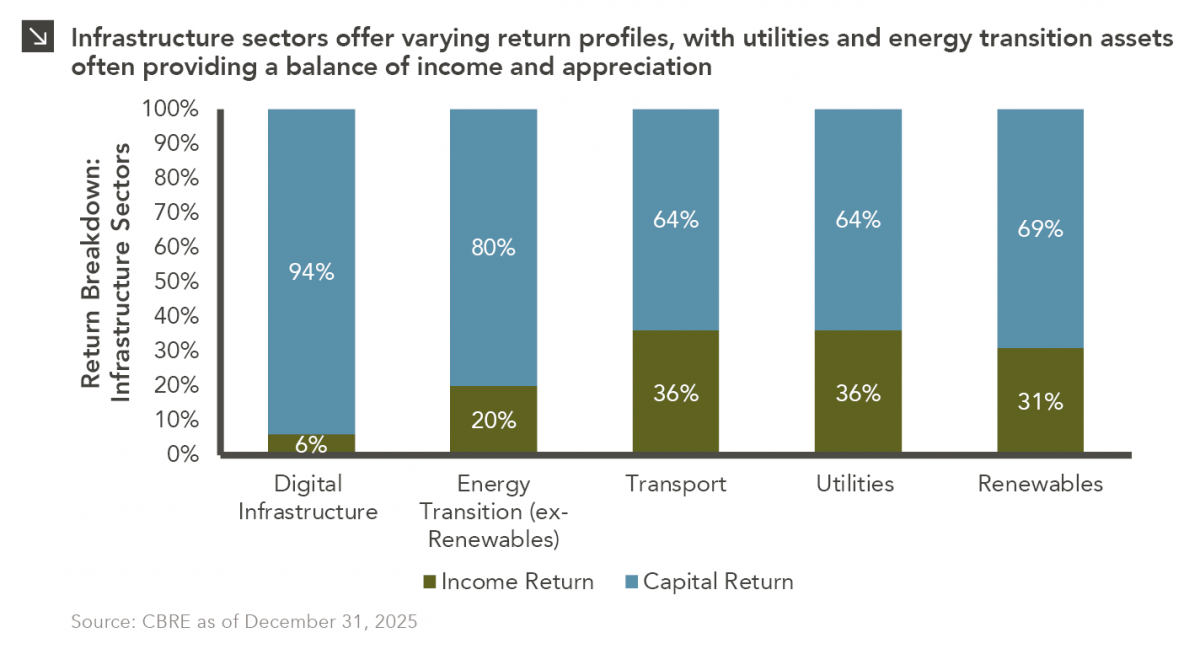
This week’s chart highlights the varying return profiles across key infrastructure sectors by illustrating the split between income and capital…
06.22.2026
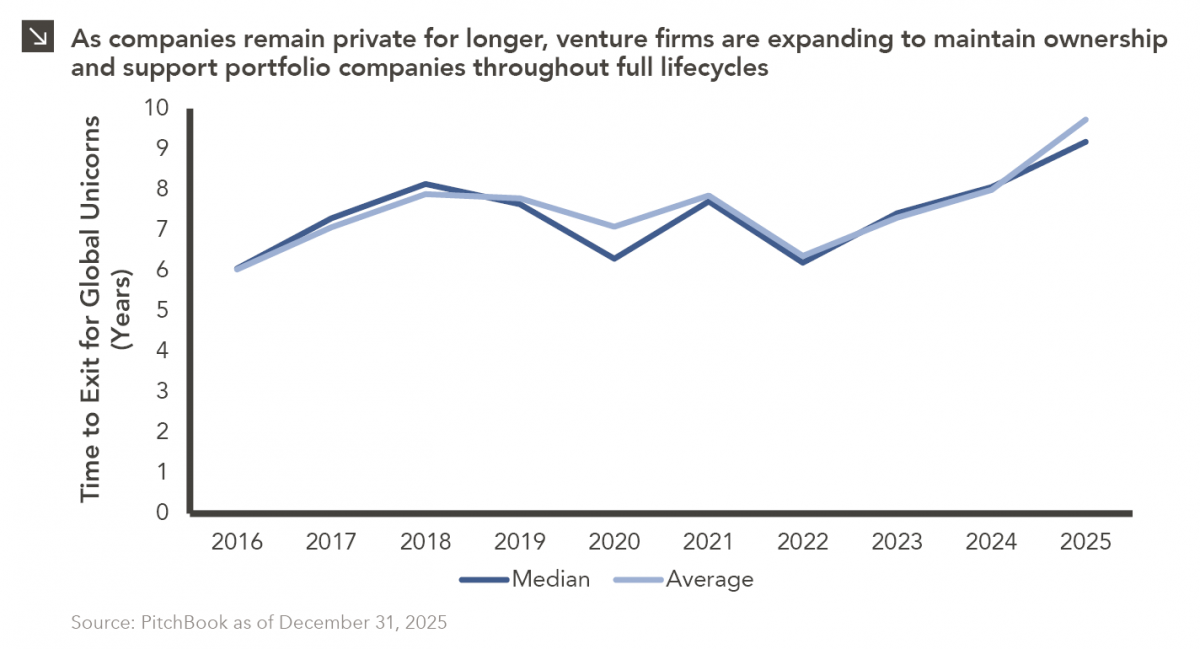
When Benchmark, one of Silicon Valley’s most renowned early-stage venture capital firms, closed $2 billion across two new funds this…
06.15.2026
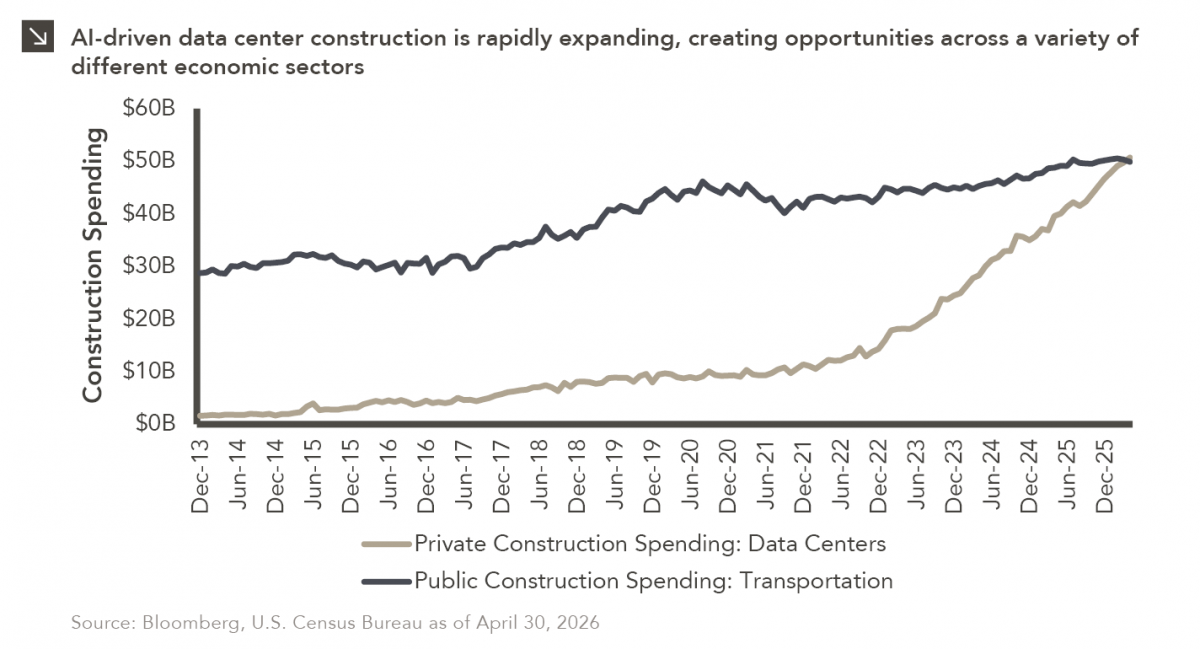
The rapid buildout of artificial intelligence infrastructure is reshaping the U.S. investment landscape. According to recent Census Bureau data, spending…
06.08.2026
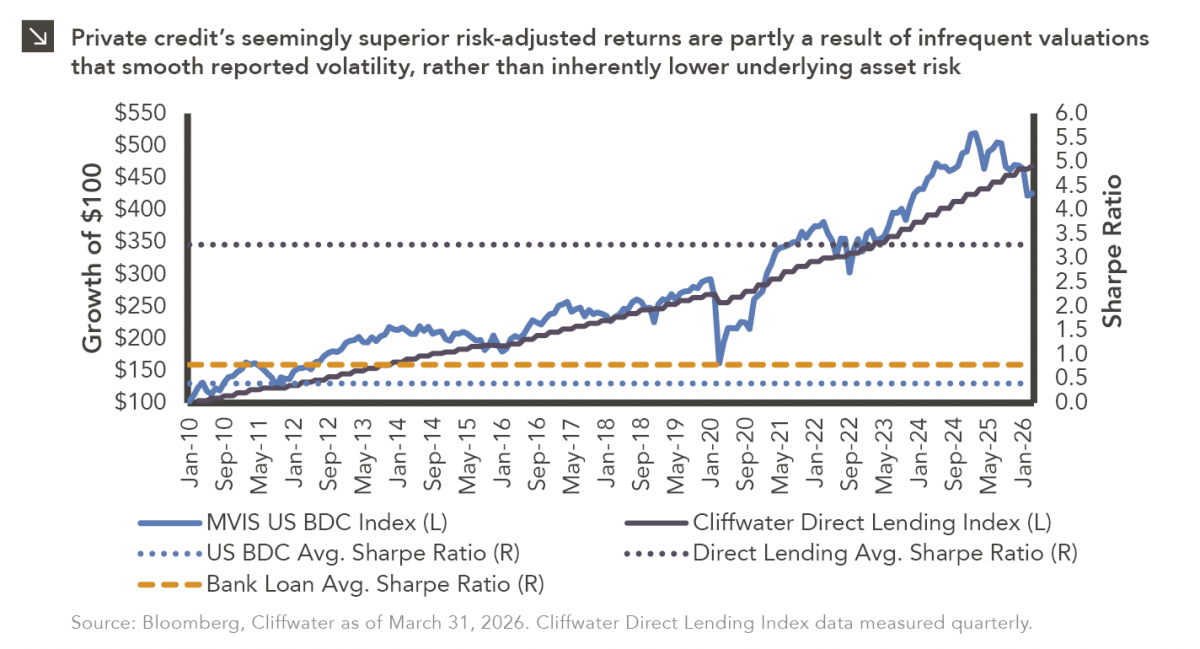
Hi, James Torgerson here! Volatility can be an unsightly blemish on portfolios and lead to inferior risk-adjusted returns. Private credit…
Research alerts keep you updated on our latest research publications. Simply enter your contact information, choose the research alerts you would like to receive and click Subscribe. Alerts will be sent as research is published.
We respect your privacy. We will never share or sell your information.
If you have questions or need further information, please contact us directly and we will respond to your inquiry within 24 hours.
Contact Us >