10.08.2026
3Q 2026 Market Insights
This video is a recording of a live webinar held October 22 by Marquette’s research team analyzing the third quarter…


At our annual investment symposium last Friday, we worked through a thought-experiment with keynote speaker Mohamed El-Erian on two points central to the state of our global economy today. The first is that with the furtherance of negative rates in Germany and Japan driven by the global growth slowdown, foreign investors’ continued buying of U.S. Treasuries may eventually cause U.S. rates to go negative. In turn, this could lead to a shift from bonds to stocks and thereby drive up P/E ratios to higher and higher norms. The second is that the global slowdown appears to be very much driven by an aging of the overall population, which includes mounting retirements out of the workforce.
This week’s chart is actually two charts; the first on the left shows the number of people aged 65+ per 100 people of working age, which has grown in leaps and bounds for all developed countries between 1980 and 2015. Japan is especially notable, with 13 people aged 65+ per 100 people of working age in 1980, skyrocketing to 43 people aged 65+ per 100 people of working age in 2015. While data from China and emerging economies are not readily available, we can expect them to follow a similar trend. The second chart on the right shows the share of the U.S. population aged 65+ growing from only 5% in 1910 to 15% today and expected — based on actual birth rates — to reach 20% and 25% in the next few decades.
Certainly, this evolution of workforces will be a focus point going forward, and as more baby boomers exit the workforce, their productivity will need to be replaced to maintain current economic growth rates. Whether that comes from technological innovation or simply an influx of workers bears watching and will no doubt help shape the economic growth narrative in the future.
Print PDF > The Root Cause of Negative Rates
The opinions expressed herein are those of Marquette Associates, Inc. (“Marquette”), and are subject to change without notice. This material is not financial advice or an offer to purchase or sell any product. Marquette reserves the right to modify its current investment strategies and techniques based on changing market dynamics or client needs.
The opinions expressed herein are those of Marquette Associates, Inc. (“Marquette”), and are subject to change without notice. This material is not financial advice or an offer to purchase or sell any product. Marquette reserves the right to modify its current investment strategies and techniques based on changing market dynamics or client needs.

10.08.2026
This video is a recording of a live webinar held October 22 by Marquette’s research team analyzing the third quarter…

10.22.2026
Anyone who has run a marathon knows the last six miles are brutal — no matter how well the first…
10.19.2026
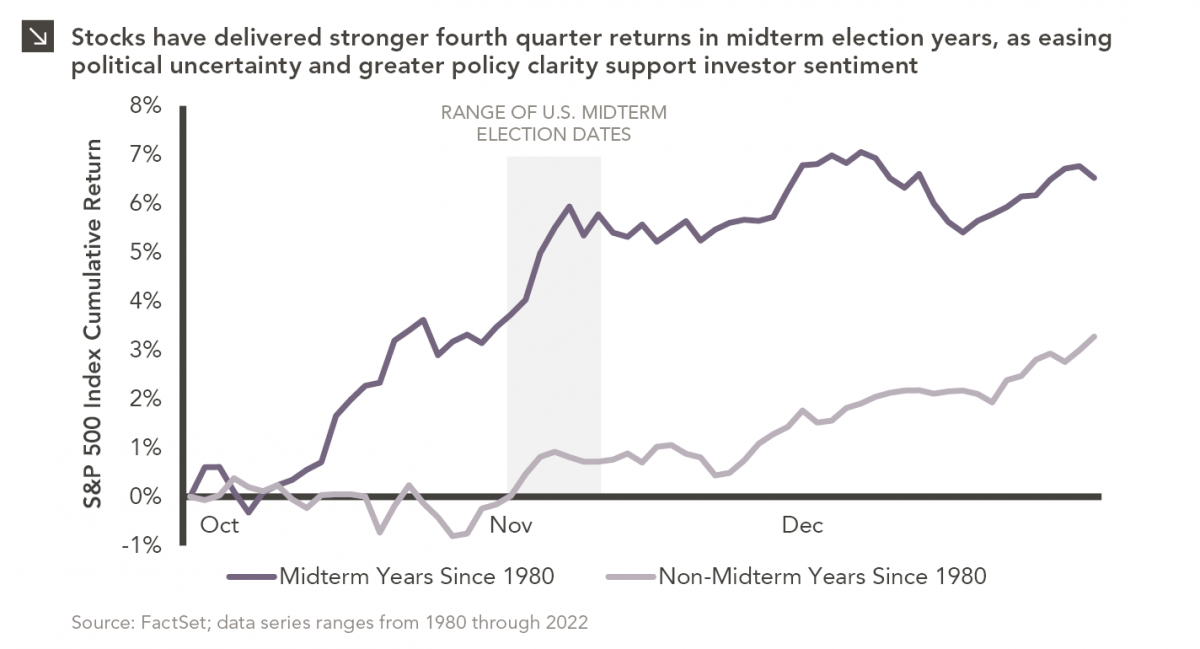
Since 1980, the S&P 500 Index has generally performed well in the weeks surrounding U.S. midterm elections. Specifically, the index…
10.12.2026
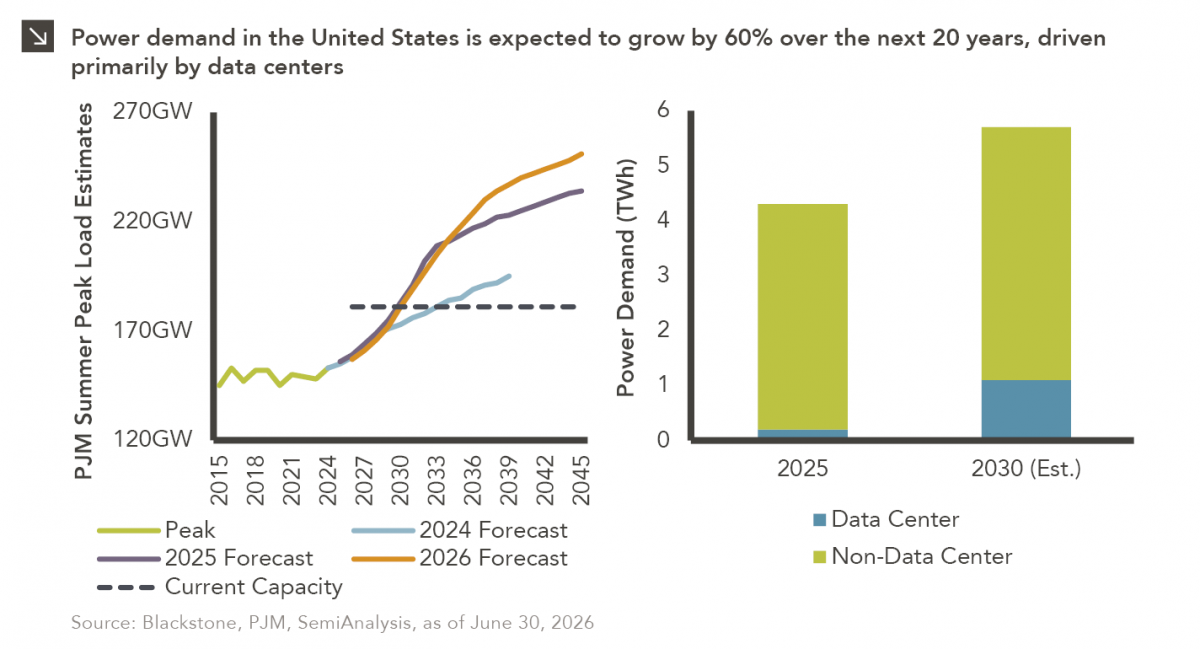
This week’s chart highlights the accelerating growth of electricity demand in the U.S., which has been driven primarily by the…
10.05.2026
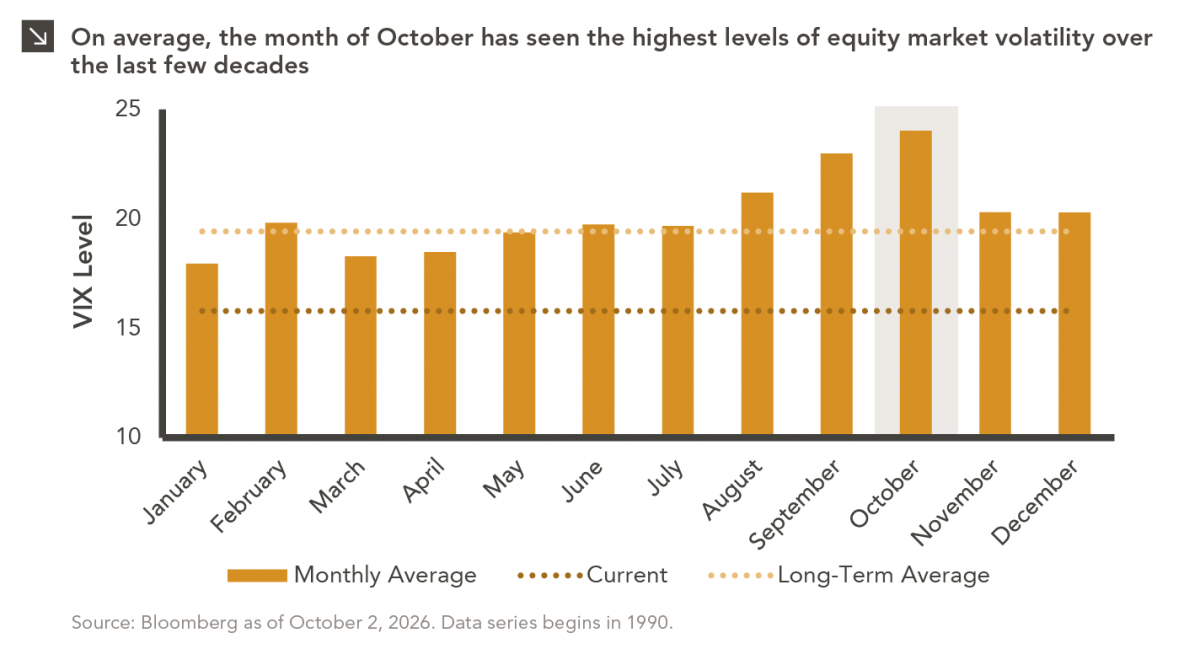
For investors, the spookiest thing about October might not be the ghosts and monsters that are bound to show up…
09.28.2026
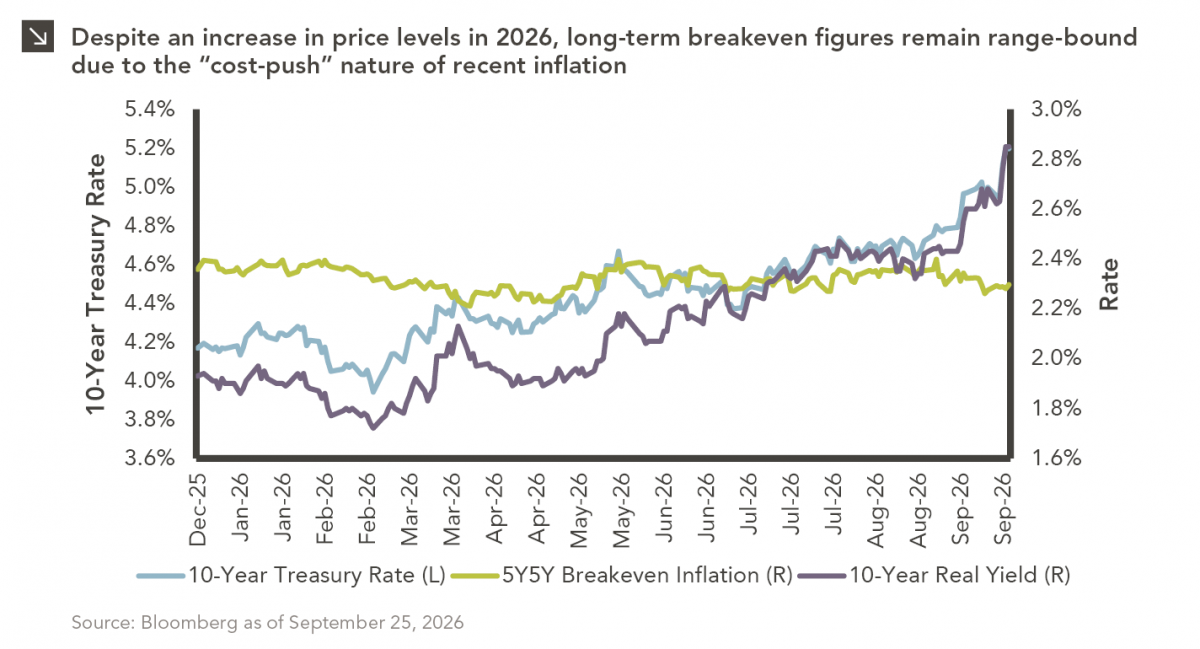
The phrase “expectations of higher inflation” has become a staple in financial news to explain the increase in nominal U.S….
Research alerts keep you updated on our latest research publications. Simply enter your contact information, choose the research alerts you would like to receive and click Subscribe. Alerts will be sent as research is published.
We respect your privacy. We will never share or sell your information.
If you have questions or need further information, please contact us directly and we will respond to your inquiry within 24 hours.
Contact Us >