10.08.2026
3Q 2026 Market Insights
This video is a recording of a live webinar held October 22 by Marquette’s research team analyzing the third quarter…


Historically, few plan sponsors have emphasized the retention of retirees in plans, but over recent years, plan sponsors have been dedicating more conversations and efforts into doing just that. We’ve seen this trend prove out as progressively more assets over the past three years from participants 65+ are kept in plans, as shown in this week’s chart. Plan sponsors began prioritizing retiree retainment due to a few developments, but most importantly because the large asset balances of retirees can provide better pricing leverage for the plan as a whole. This benefit is mutual in that retirees will likely get better pricing within the plans than they would as individuals.
To better serve retirees, plans are increasingly discussing the “retirement tier” of the DC plan which would consist of products only available to those nearing or at retirement. Products aiming to provide better retirement solutions have expanded notably over the past few years, largely focused on addressing the issue of retirees taking a large lump sum withdrawal at retirement age. Instead, new products allow retirees to receive regular payments — similar to paychecks — while the underlying principal (i.e., their “nest egg”) remains invested and grows with the market. Many of these are labeled “retirement income” products and offer retirees better liquidity options that are easy to understand. Typically, the funds target a certain amount of risk in order to distribute a specified percentage of assets — usually 2–5% — to the retiree at regular intervals throughout the year.
While the concept seems simple enough, these products initially faced slow adoption due to several factors including cost, recordkeeping constraints, lack of portability between plans, and lack of regulatory guidance. However, as the industry continues to leverage technology to address these challenges and expand its capabilities, the tool kit is expanding for plan sponsors to provide participants flexibility in their retirement planning; this is particularly important for those near or in retirement which brings an increased dispersion of personal situations, savings, and spending goals. As the DC industry grows in size and in complexity, Marquette will remain abreast of retirement income innovation to better guide plan sponsors as they provide retirement solutions for their participants.
Print PDF > A New “FronTier” in Retirement
The opinions expressed herein are those of Marquette Associates, Inc. (“Marquette”), and are subject to change without notice. This material is not financial advice or an offer to purchase or sell any product. Marquette reserves the right to modify its current investment strategies and techniques based on changing market dynamics or client needs.
The opinions expressed herein are those of Marquette Associates, Inc. (“Marquette”), and are subject to change without notice. This material is not financial advice or an offer to purchase or sell any product. Marquette reserves the right to modify its current investment strategies and techniques based on changing market dynamics or client needs.

10.08.2026
This video is a recording of a live webinar held October 22 by Marquette’s research team analyzing the third quarter…
10.19.2026
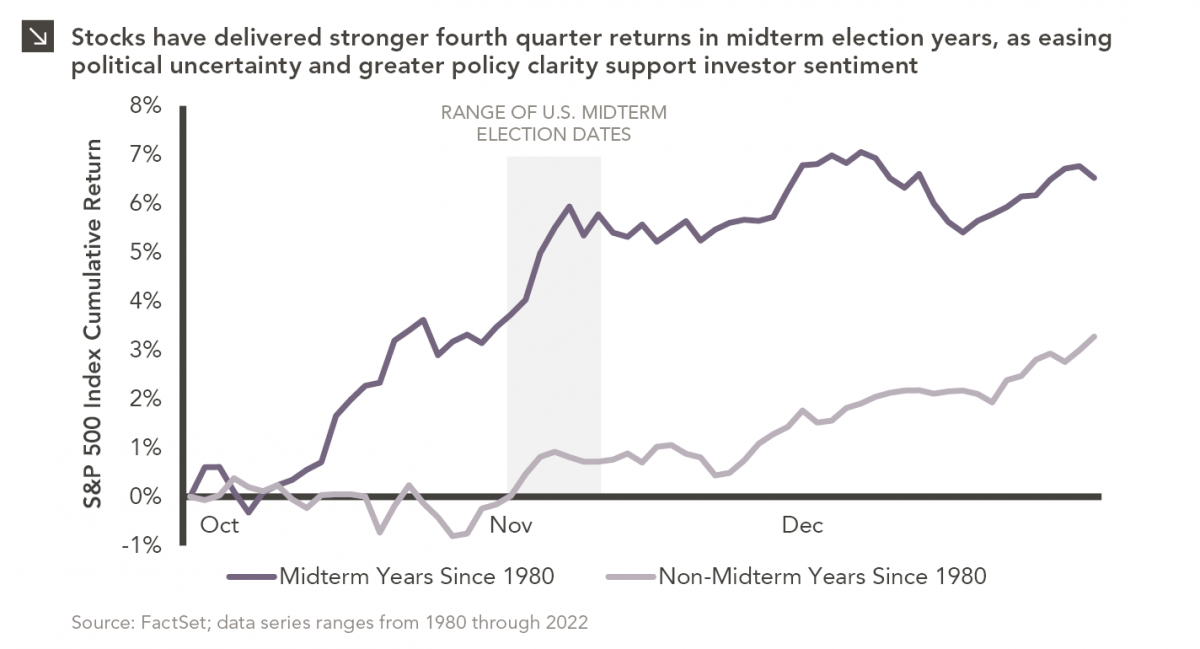
Since 1980, the S&P 500 Index has generally performed well in the weeks surrounding U.S. midterm elections. Specifically, the index…
10.12.2026
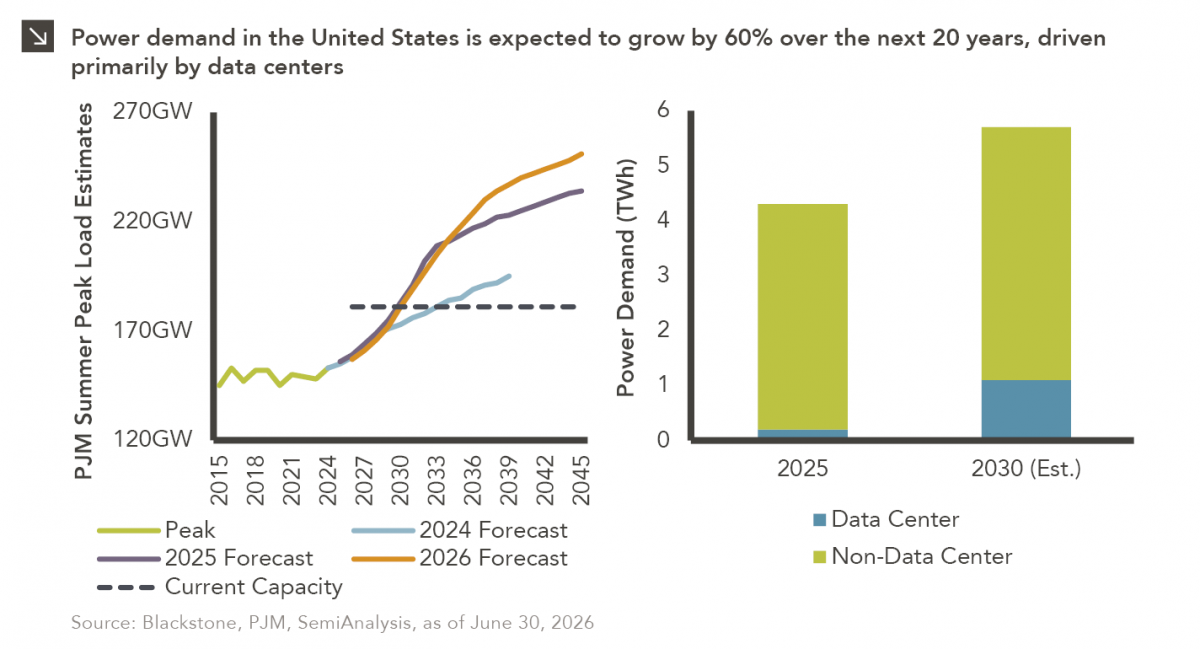
This week’s chart highlights the accelerating growth of electricity demand in the U.S., which has been driven primarily by the…
10.05.2026
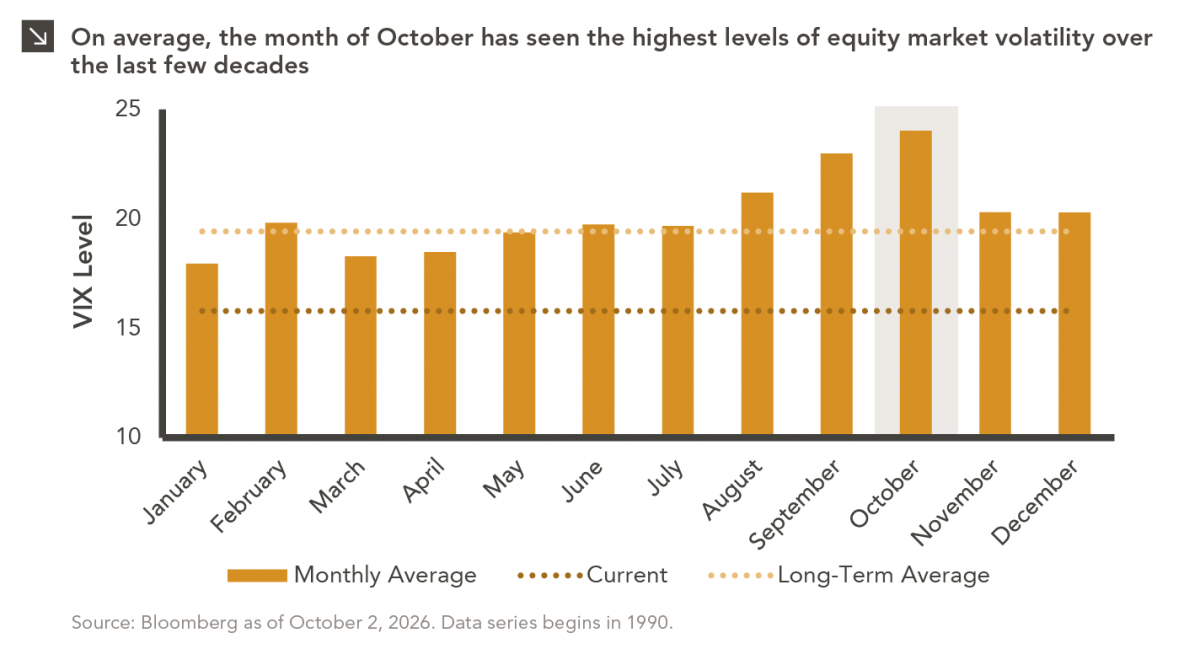
For investors, the spookiest thing about October might not be the ghosts and monsters that are bound to show up…
09.28.2026
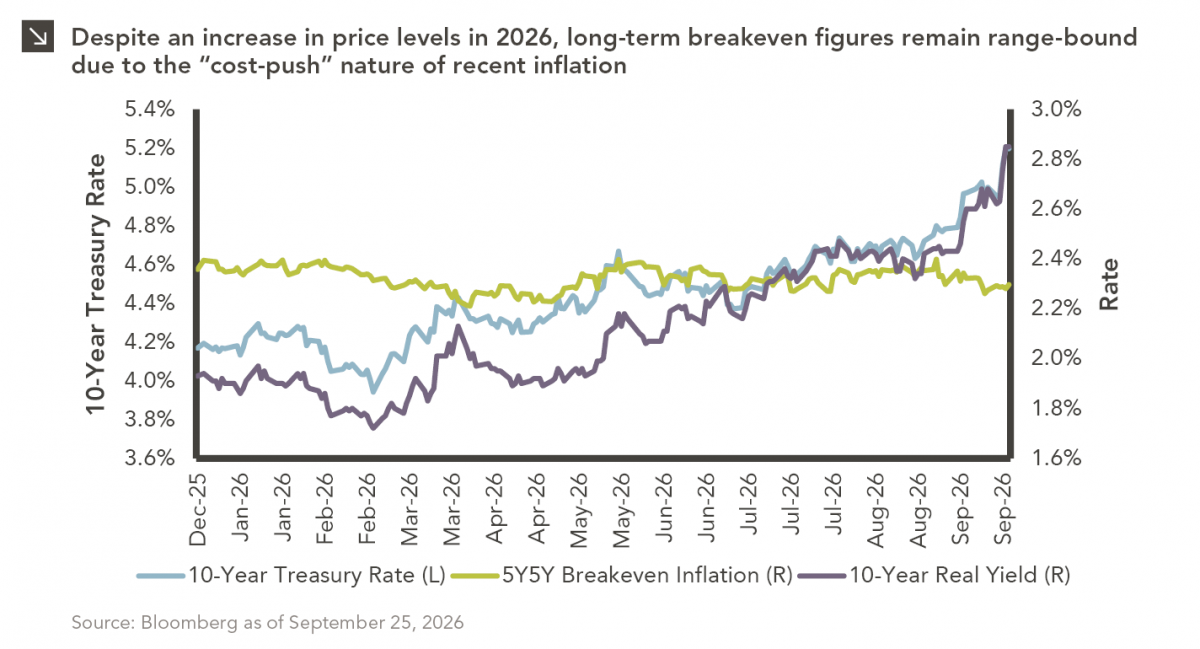
The phrase “expectations of higher inflation” has become a staple in financial news to explain the increase in nominal U.S….
09.21.2026
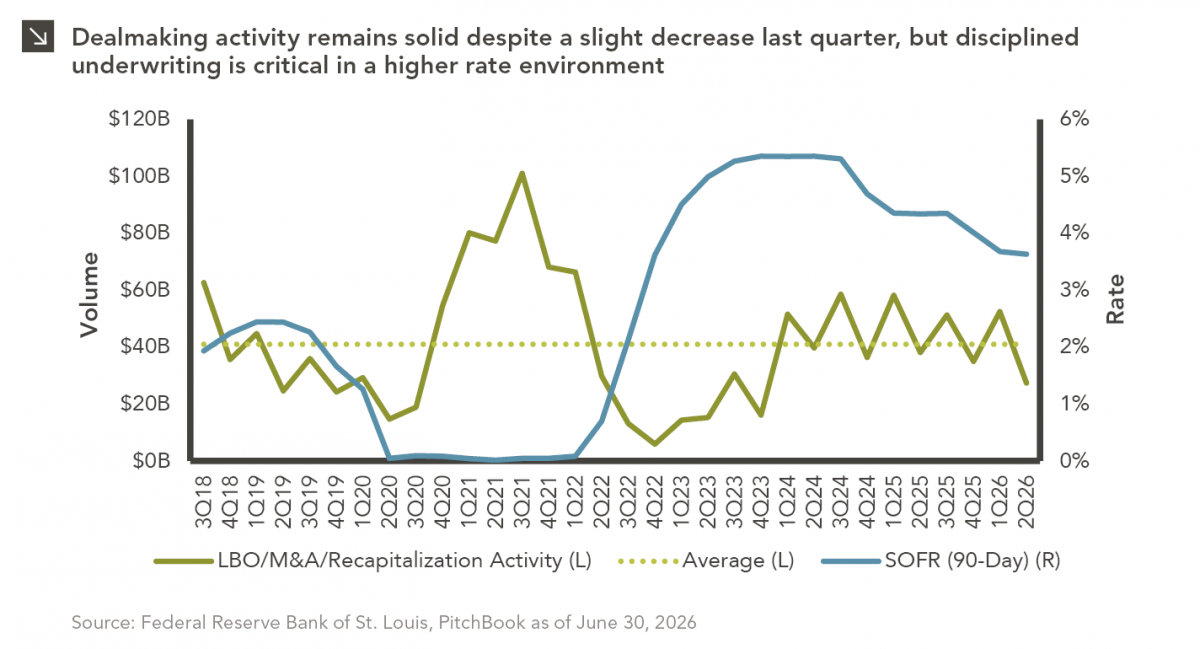
For much of the past several years, the conventional view has been that higher interest rates and stretched valuations would…
Research alerts keep you updated on our latest research publications. Simply enter your contact information, choose the research alerts you would like to receive and click Subscribe. Alerts will be sent as research is published.
We respect your privacy. We will never share or sell your information.
If you have questions or need further information, please contact us directly and we will respond to your inquiry within 24 hours.
Contact Us >