10.08.2026
3Q 2026 Market Insights
This video is a recording of a live webinar held October 22 by Marquette’s research team analyzing the third quarter…


On September 25, the Bureau of Labor Statistics released its final report on 2011 consumer expenditures. Although the information appears somewhat dated as we are practically entering the fourth quarter of 2012, the trends discovered in the analysis should have a material impact on GDP in the coming years, especially considering the importance of consumption to total GDP growth.
At the broadest level, consumer spending rose 3.3% in 2011 which was preceded by a 2.0% decrease in 2010. Given the importance of consumer spending to GDP, the increase does benefit the overall outlook for economic growth. However, the spending increase of 3.3% narrowly surpassed an increase in the prices of goods and services which grew by 3.2%. So although consumer spending has increased, an upswing in prices has blocked consumers being much better off on a net basis.
More important – and the focus of this week’s chart – is how the increased spending dovetails with consumer incomes. If income increases do not move in at least lockstep with consumption increases, consumers will be squeezed at the margin and therefore spend a greater proportion of their incomes. As a way of investigating this, the chart above depicts the income before taxes and average annual expenditure per individual consumer over the last three years. The important relationship to note is the income level percentage change. Incomes increased only 1.93% year over year, while the expenditures rose 3.3%. When incomes are exceeded by expenses, it will be hard for the consumer to sustain this pattern without taking on debt of some kind.
The trend in the graph above – expenditures growing faster than incomes – is a cause for concern. Incomes are not increasing substantially, expenses are increasing, and consumer debt levels have increased year over year. Consumers will not be able to sustain this level of spending without greater incomes or increased debt. Unless this trend can be reversed, this is another reason to expect sub-par economic growth over the next few years.
Source: Bureau of Labor Statistics, Federal Reserve
The opinions expressed herein are those of Marquette Associates, Inc. (“Marquette”), and are subject to change without notice. This material is not financial advice or an offer to purchase or sell any product. Marquette reserves the right to modify its current investment strategies and techniques based on changing market dynamics or client needs.

10.08.2026
This video is a recording of a live webinar held October 22 by Marquette’s research team analyzing the third quarter…

10.22.2026
Anyone who has run a marathon knows the last six miles are brutal — no matter how well the first…
10.19.2026
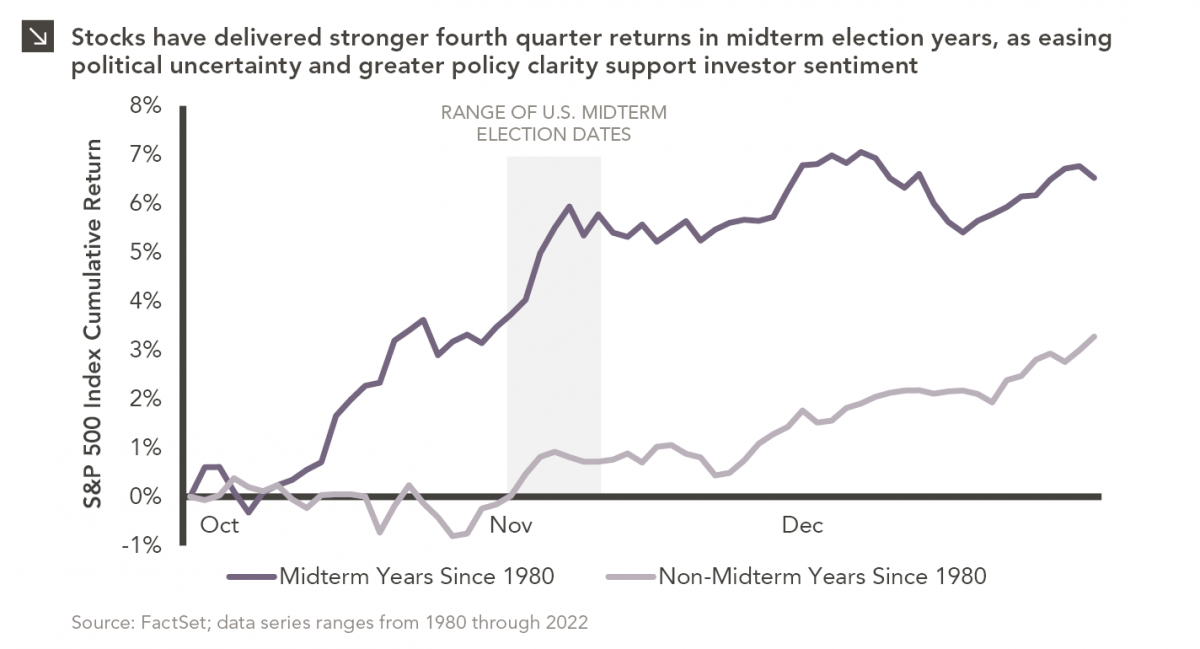
Since 1980, the S&P 500 Index has generally performed well in the weeks surrounding U.S. midterm elections. Specifically, the index…
10.12.2026
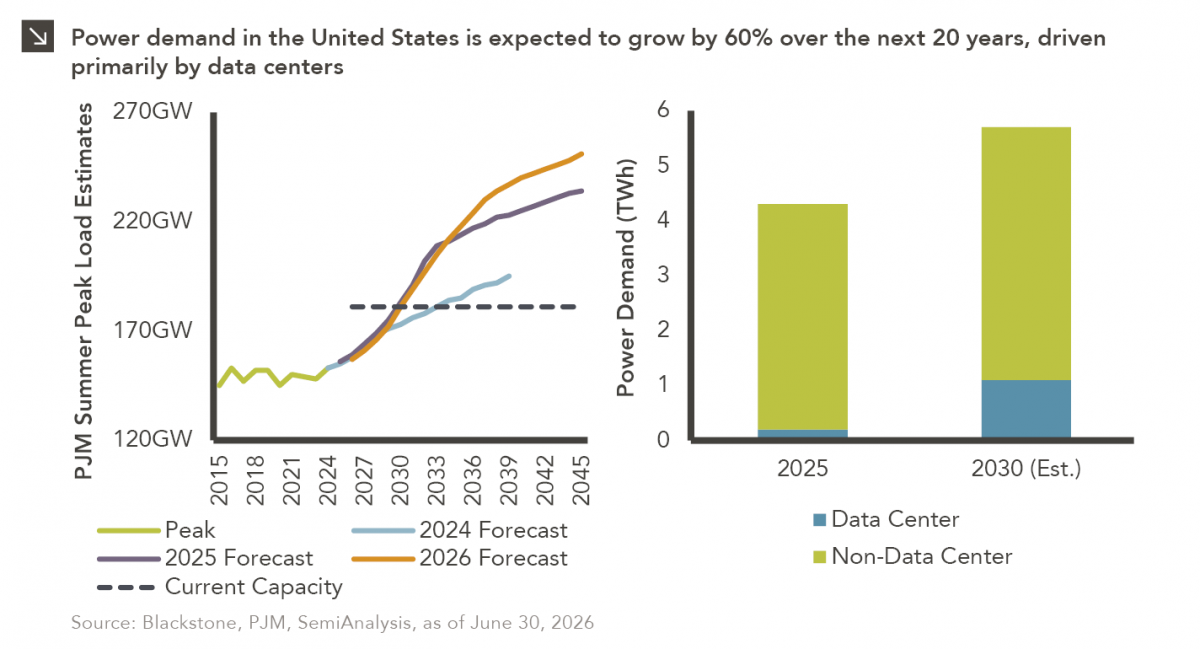
This week’s chart highlights the accelerating growth of electricity demand in the U.S., which has been driven primarily by the…
10.05.2026
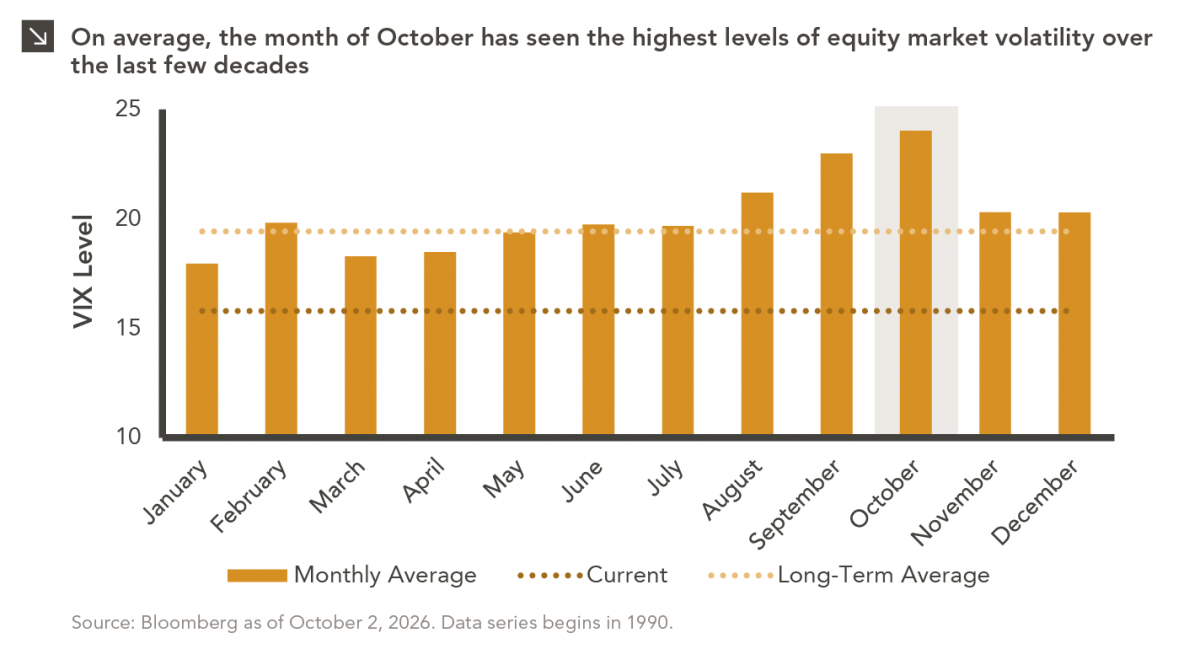
For investors, the spookiest thing about October might not be the ghosts and monsters that are bound to show up…
09.28.2026
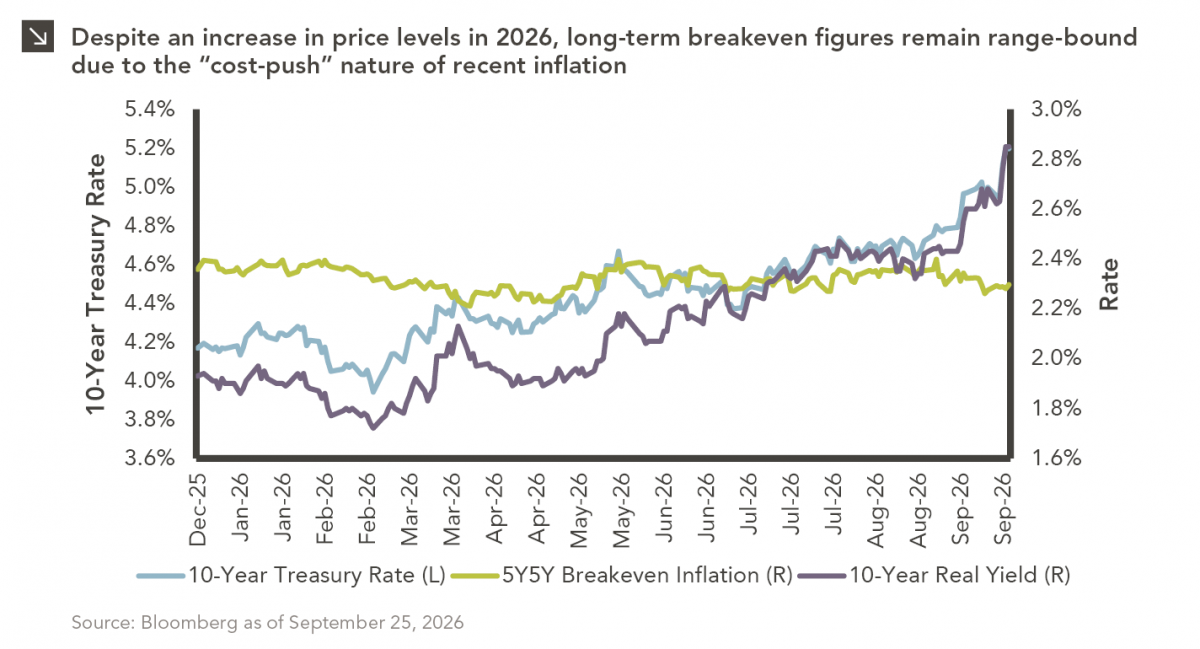
The phrase “expectations of higher inflation” has become a staple in financial news to explain the increase in nominal U.S….
Research alerts keep you updated on our latest research publications. Simply enter your contact information, choose the research alerts you would like to receive and click Subscribe. Alerts will be sent as research is published.
We respect your privacy. We will never share or sell your information.
If you have questions or need further information, please contact us directly and we will respond to your inquiry within 24 hours.
Contact Us >