10.22.2026
Will Higher Rates Cramp the Markets?
Anyone who has run a marathon knows the last six miles are brutal — no matter how well the first…


For U.S. private equity investors, it has been a spectacular decade. Through September 2019, EV/ EBITDA¹ multiples, a standard for measuring private equity investment value, stood at 12.8x, just below the 2014 high of 12.9x. This figure marks an 82% increase from 2009, during which the U.S. economy was emerging from the Global Financial Crisis. In addition to revenue growth and EBITDA margin expansion, increasing multiples is a driver of private equity value creation and the most publicized metric on the state of the market.
A decade of increasing multiples has benefited private equity investors and managers. As investors saw the value of their private equity allocations grow, they rewarded managers with increasing amounts of capital. In 2019, global private equity raised $595 billion,² the second-largest sum ever. A decades’ worth of prolific fundraising, like 2017’s record total of $628 billion, has created substantial amounts of dry powder, or uninvested capital. Today, private equity managers are sitting on $1.43 trillion of dry powder, waiting for investment opportunities to emerge.
These record-setting figures beg investors to ask very important questions regarding the next decade of private equity. Regardless of the past decade, we continue to see a tremendous amount of value in the private equity asset class as a return enhancer and diversifier for portfolios. Undoubtedly, investor scrutiny will increase as the asset class becomes more competitive, and manager differentiation will be paramount.
Print PDF > What Does the Next Decade Look Like for Private Equity Investors?
¹ Enterprise value / earnings before interest, taxes, depreciation, and amortization
² Cummings, C. “Fundraising Stumbled in 2019 From Decade’s Record Pace,” 9 Jan. 2020. The Wall Street Journal.
The opinions expressed herein are those of Marquette Associates, Inc. (“Marquette”), and are subject to change without notice. This material is not financial advice or an offer to purchase or sell any product. Marquette reserves the right to modify its current investment strategies and techniques based on changing market dynamics or client needs.

10.22.2026
Anyone who has run a marathon knows the last six miles are brutal — no matter how well the first…
10.19.2026
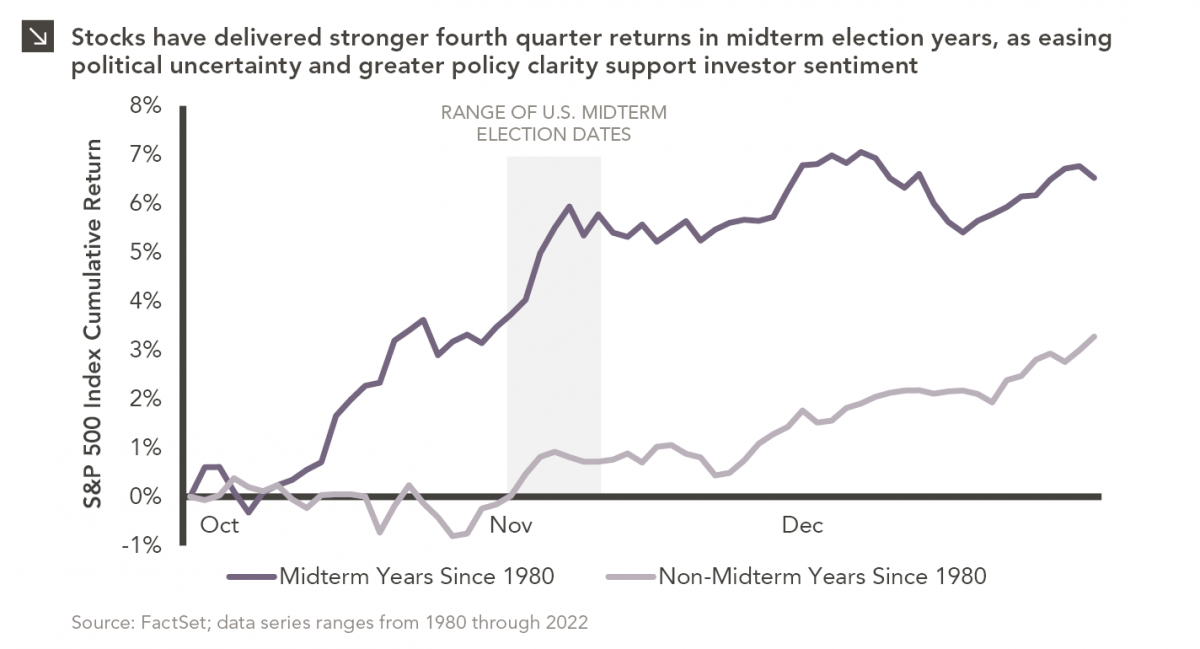
Since 1980, the S&P 500 Index has generally performed well in the weeks surrounding U.S. midterm elections. Specifically, the index…
10.12.2026
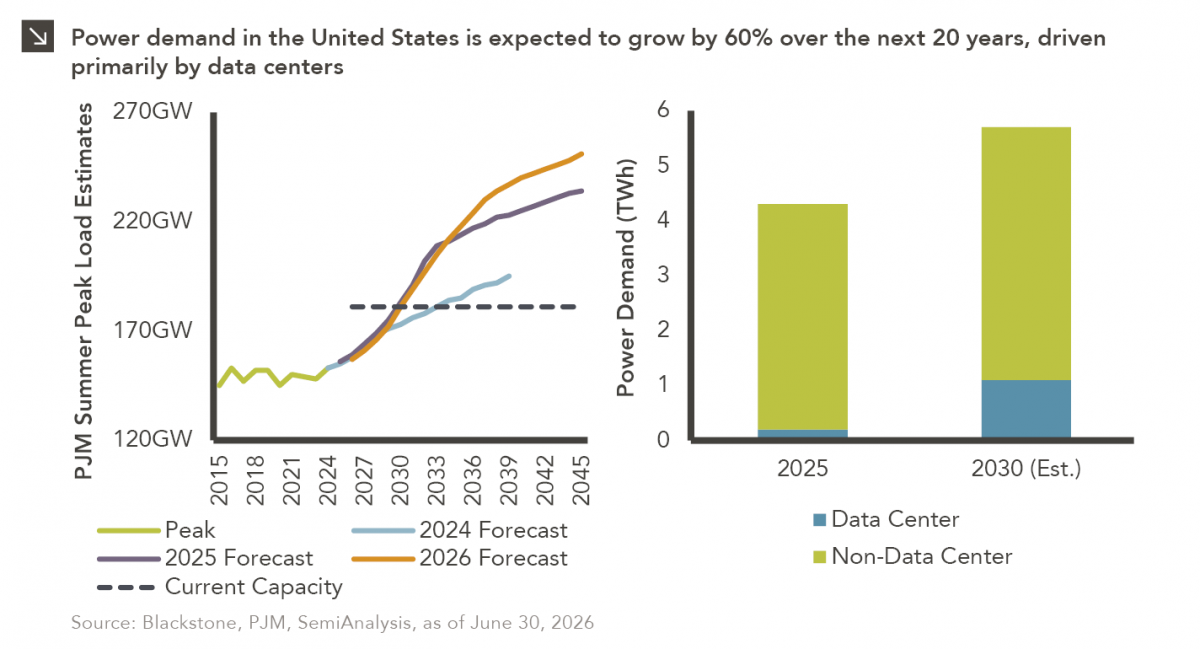
This week’s chart highlights the accelerating growth of electricity demand in the U.S., which has been driven primarily by the…

10.08.2026
LIVE WEBINAR — OCTOBER 22 Please join Marquette’s research team for our 3Q 2026 Market Insights Webinar…
10.05.2026
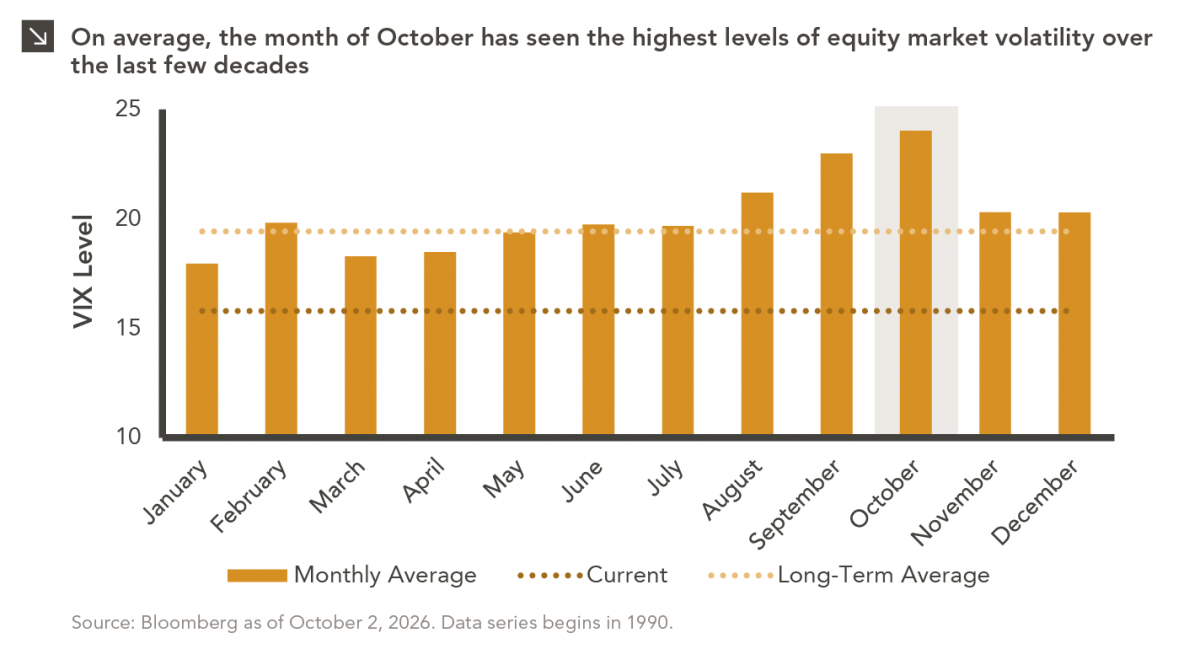
For investors, the spookiest thing about October might not be the ghosts and monsters that are bound to show up…
09.28.2026
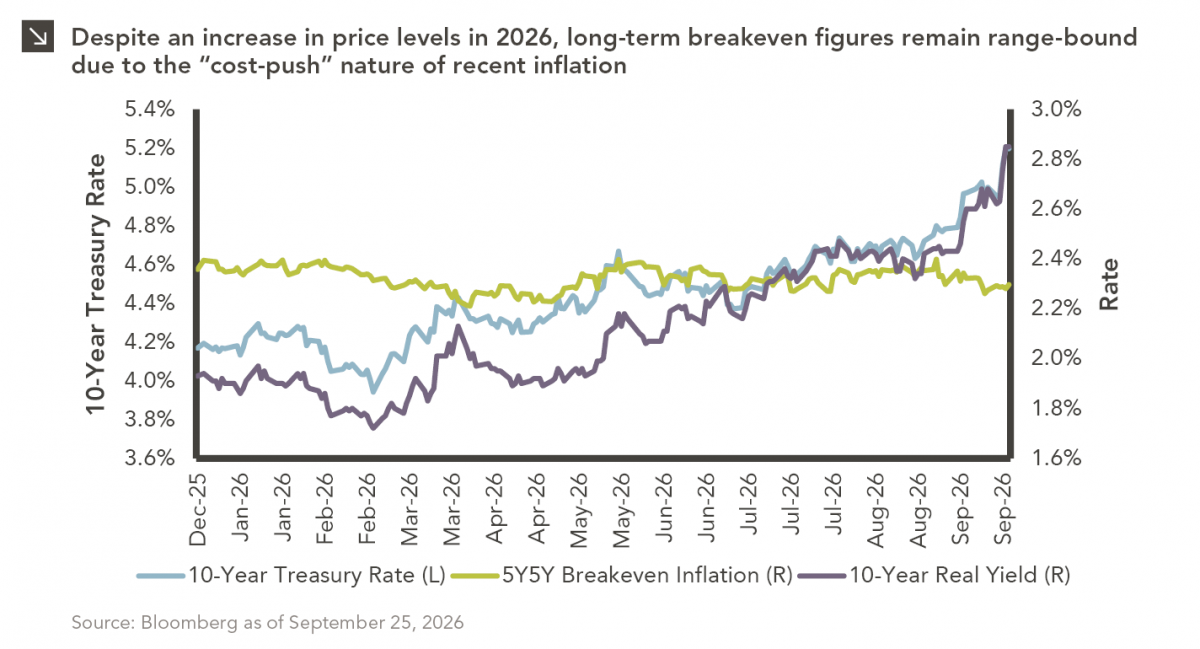
The phrase “expectations of higher inflation” has become a staple in financial news to explain the increase in nominal U.S….
Research alerts keep you updated on our latest research publications. Simply enter your contact information, choose the research alerts you would like to receive and click Subscribe. Alerts will be sent as research is published.
We respect your privacy. We will never share or sell your information.
If you have questions or need further information, please contact us directly and we will respond to your inquiry within 24 hours.
Contact Us >