Mike Spychalski, CAIA
Vice President


This week’s Chart of the Week compares the rate of change in business investment spending to GDP growth. Business investment spending (formally known as non-residential private fixed investment) measures spending by private businesses and nonprofit institutions on fixed assets in the U.S. economy. According to the Bureau of Economic Analysis, fixed assets consist of structures, equipment, and software that are used in the production of goods and services. Business investment spending includes the creation of new productive assets, the improvement of existing assets, and the replacement of worn out or obsolete assets. Business investment spending serves as an indicator of the willingness of private businesses and nonprofit institutions to expand their production capacity. Thus, movements in business investment spending serve as a barometer of confidence in, and support for, future economic growth.
Given that business investment spending accounts for approximately 11% of total GDP in the U.S., it is not surprising that there is a fairly high correlation between business investment spending and GDP growth. As the chart illustrates, since 2000 the correlation between the quarterly change in business investment spending and the quarterly change in GDP is 0.7.
In 3Q 2012, business investment spending shrunk at an annualized rate of 1.3% compared to the previous quarter, while GDP grew at an annualized rate of 2.0% compared to the previous quarter. Business investment spending has historically been much more volatile than GDP growth, so it is important to note that a contraction in business investment spending in the third quarter does not automatically translate to a future contraction in GDP. In addition, external factors such as uncertainty surrounding the recent elections and the pending fiscal cliff in the U.S. may have caused businesses to temporarily delay investment spending. However, if this contraction in business investment spending continues over the next few quarters, it is likely indicative of a larger negative trend in the economy as a whole. In terms of impact on the financial markets, it is likely dilutive for the equity market, but accretive to Treasuries.

The opinions expressed herein are those of Marquette Associates, Inc. (“Marquette”), and are subject to change without notice. This material is not financial advice or an offer to purchase or sell any product. Marquette reserves the right to modify its current investment strategies and techniques based on changing market dynamics or client needs.
10.12.2026
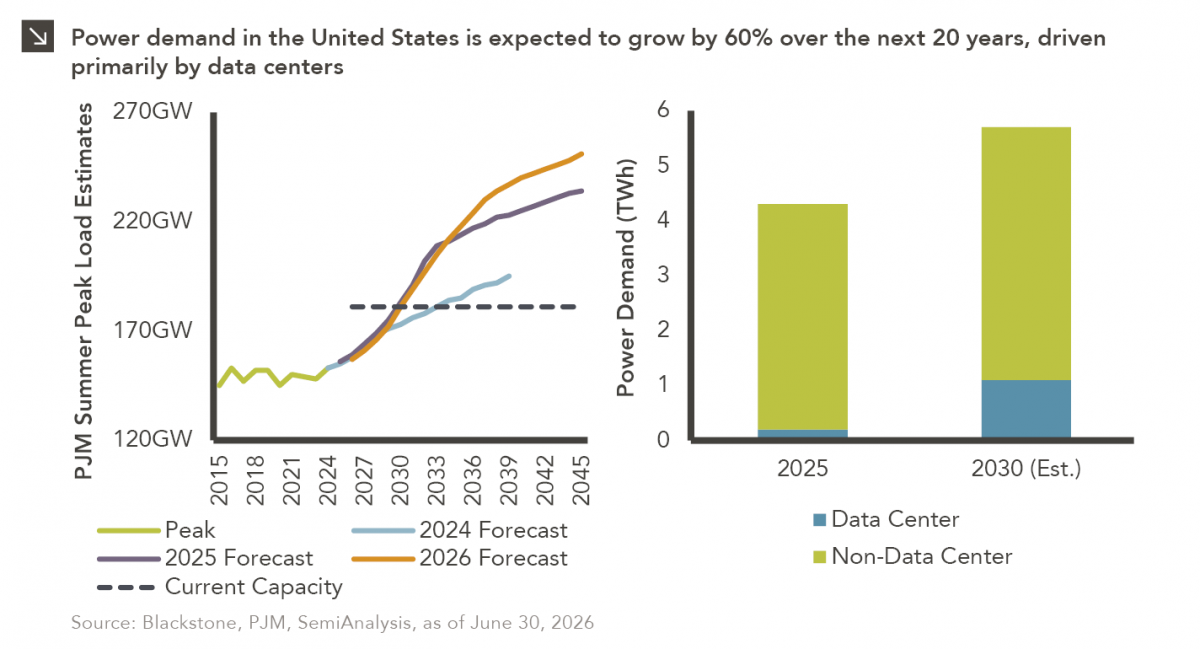
This week’s chart highlights the accelerating growth of electricity demand in the U.S., which has been driven primarily by the…

10.08.2026
LIVE WEBINAR — OCTOBER 22 Please join Marquette’s research team for our 3Q 2026 Market Insights Webinar…
10.05.2026
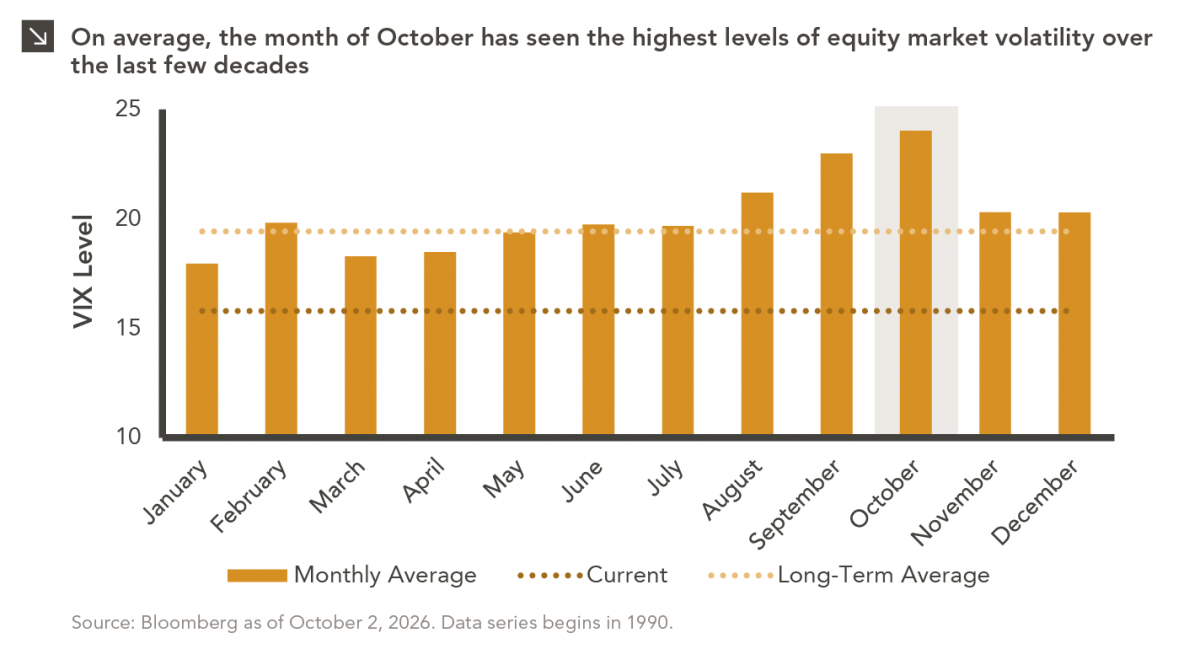
For investors, the spookiest thing about October might not be the ghosts and monsters that are bound to show up…
09.28.2026
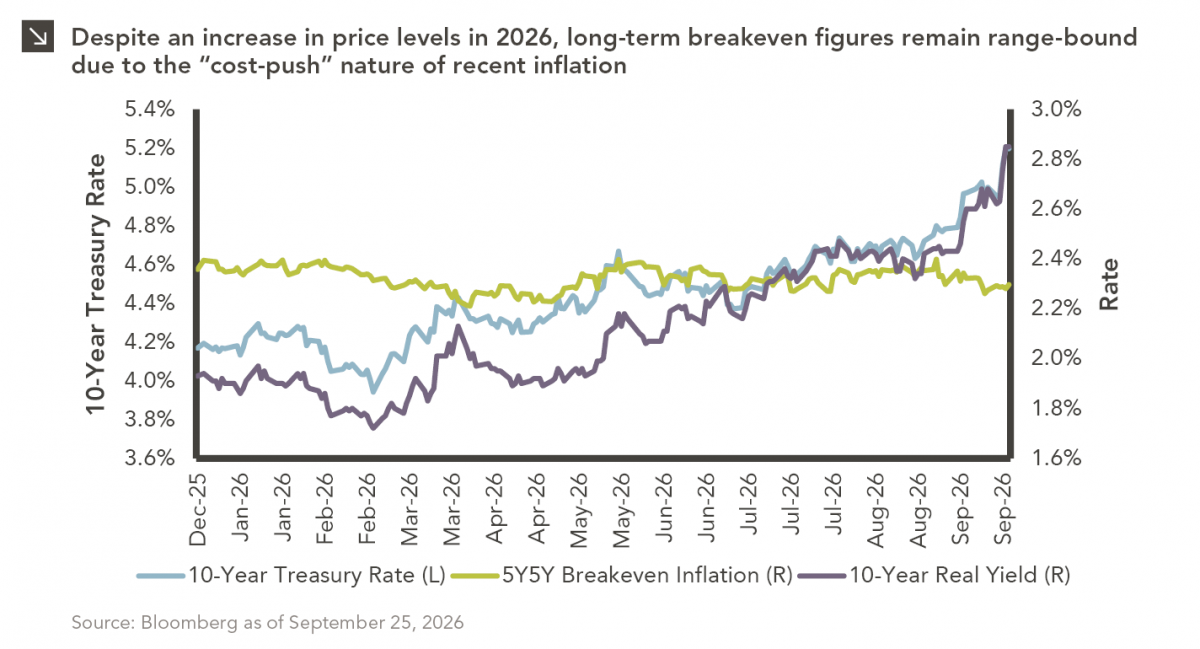
The phrase “expectations of higher inflation” has become a staple in financial news to explain the increase in nominal U.S….
09.21.2026
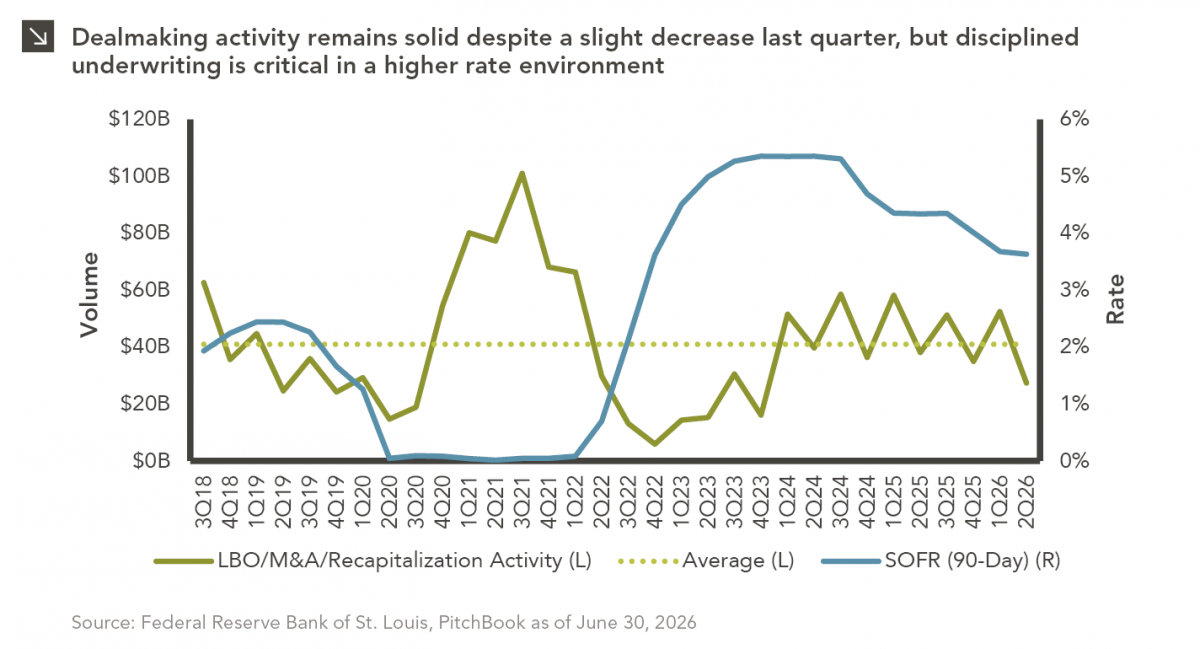
For much of the past several years, the conventional view has been that higher interest rates and stretched valuations would…
09.14.2026
There are many great things about working at Marquette Associates, but “Free Lunch Tuesday” is right at the top of…
Research alerts keep you updated on our latest research publications. Simply enter your contact information, choose the research alerts you would like to receive and click Subscribe. Alerts will be sent as research is published.
We respect your privacy. We will never share or sell your information.
If you have questions or need further information, please contact us directly and we will respond to your inquiry within 24 hours.
Contact Us >