Christopher Caparelli, CFA
Partner


Since 2008, the Federal Reserve has embarked upon an unprecedented effort to stabilize and support the national economy in the aftermath of the 2008 Financial Crisis. At first, the effort was more of an emergency response, aimed at stemming the worst economic calamity since the Great Depression. However, as the threat of a systematic meltdown subsided, the Fed’s focus shifted to ongoing support aimed at restoring economic health. Now, five years after the Global Financial Crisis, the recuperation continues. While the economy has been pulled from recession and is proceeding on the path to recovery, unemployment remains stubbornly high and overall growth is lackluster.
As a result, the Fed announced Wednesday that the third round of quantitative easing will continue as planned until economic data reflects a more robust recovery. The Fed will remain accommodative and continue to purchase $85 billion of Treasury and mortgage-backed securities on the open market per month. As the asset purchases continue indefinitely, the size of the Fed’s balance sheet, which has changed size and composition drastically since the crisis, will continue to expand. Going forward, we expect Wednesday’s announcement to support the ongoing bull market in the equity markets, but at the expense of bond yields, which will likely stay low until the Fed truly begins to taper its asset purchases.

The opinions expressed herein are those of Marquette Associates, Inc. (“Marquette”), and are subject to change without notice. This material is not financial advice or an offer to purchase or sell any product. Marquette reserves the right to modify its current investment strategies and techniques based on changing market dynamics or client needs.
09.21.2026
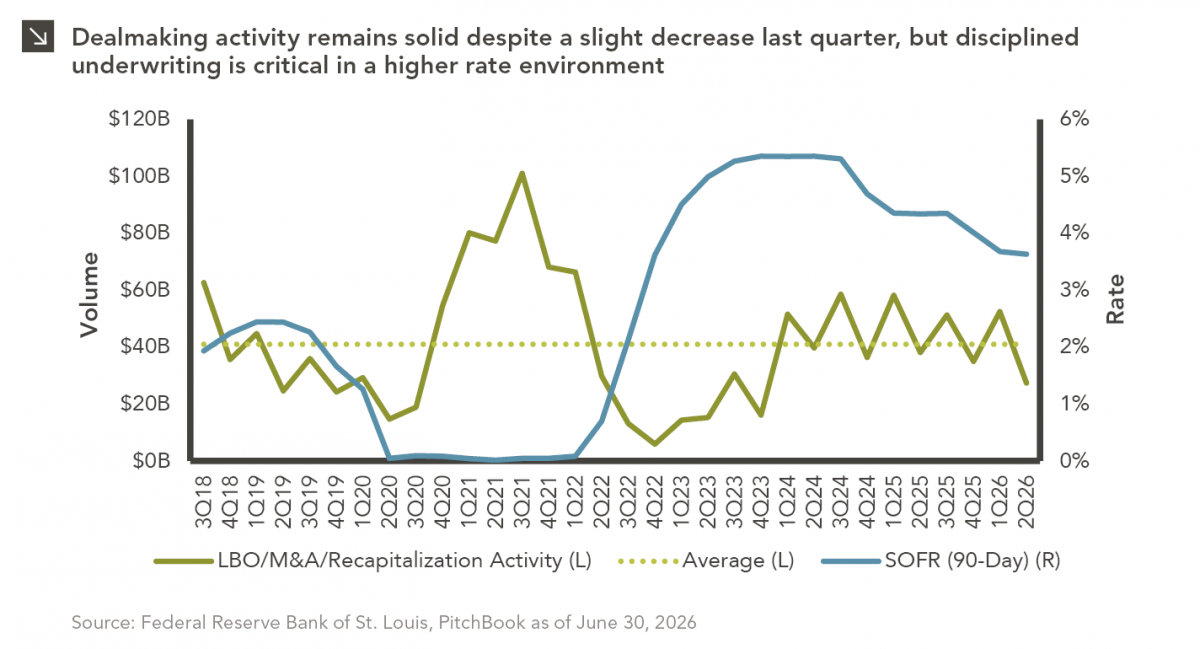
For much of the past several years, the conventional view has been that higher interest rates and stretched valuations would…
09.14.2026
There are many great things about working at Marquette Associates, but “Free Lunch Tuesday” is right at the top of…
09.08.2026
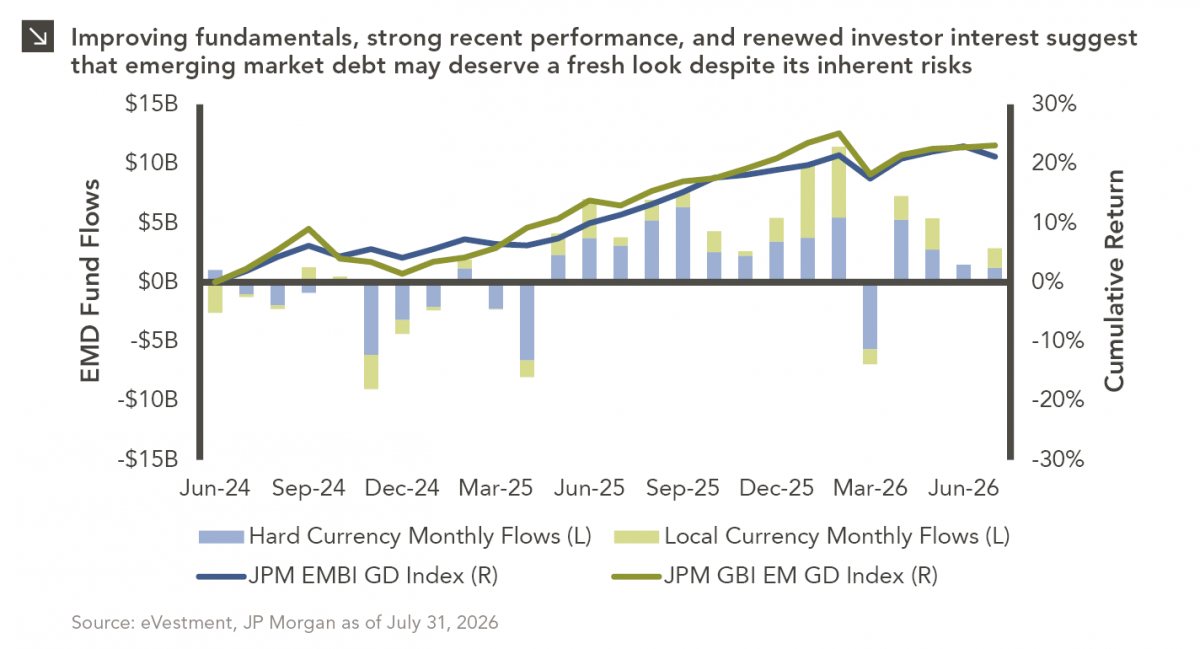
Over the last several years, emerging market debt (EMD) has faced several headwinds, with rising yields across other fixed income…
08.31.2026
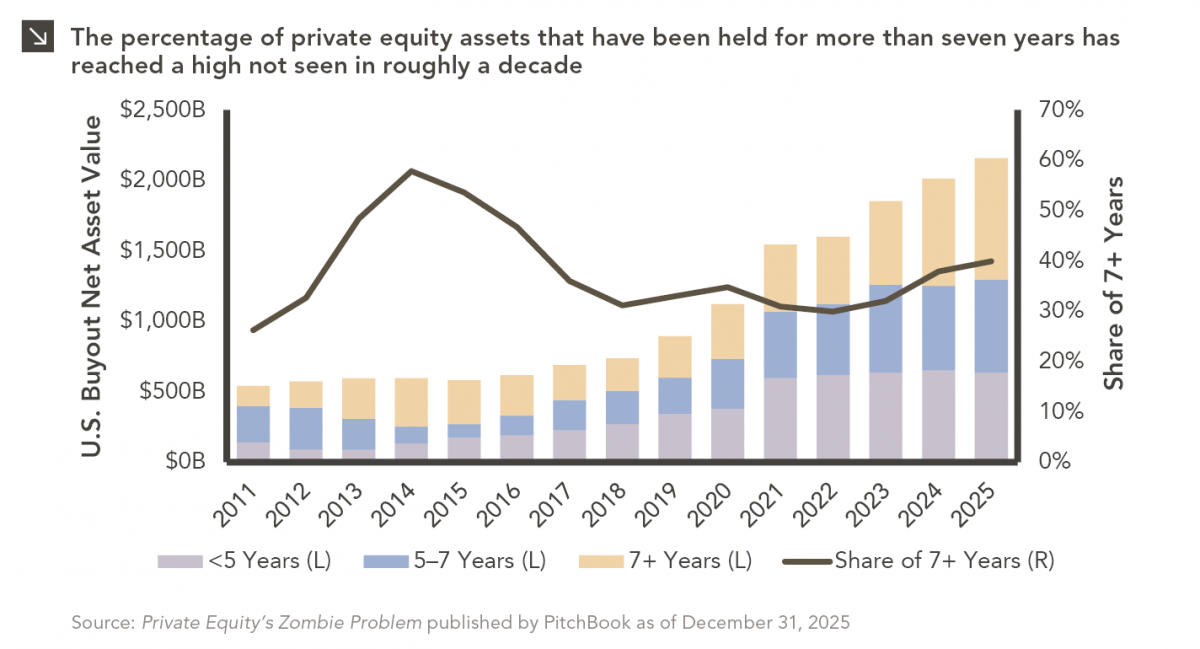
Private equity has always had a few portfolio companies that refused to leave the party. Today, however, the industry appears…
08.24.2026
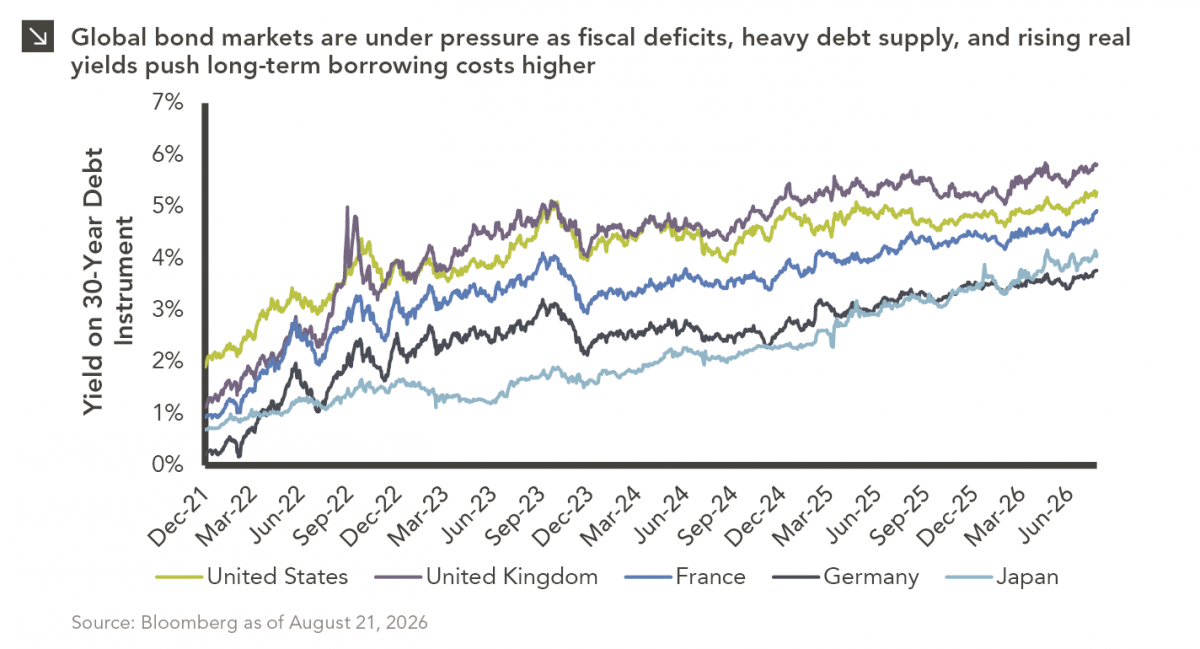
The global bond market is facing renewed pressure as investors demand higher yields to hold long-dated government debt, pushing borrowing…

08.17.2026
As a college football player struggling to put on mass, the “supersizing” deal at McDonald’s was hard to beat. For…
Research alerts keep you updated on our latest research publications. Simply enter your contact information, choose the research alerts you would like to receive and click Subscribe. Alerts will be sent as research is published.
We respect your privacy. We will never share or sell your information.
If you have questions or need further information, please contact us directly and we will respond to your inquiry within 24 hours.
Contact Us >