10.19.2026
Divided We Rise?
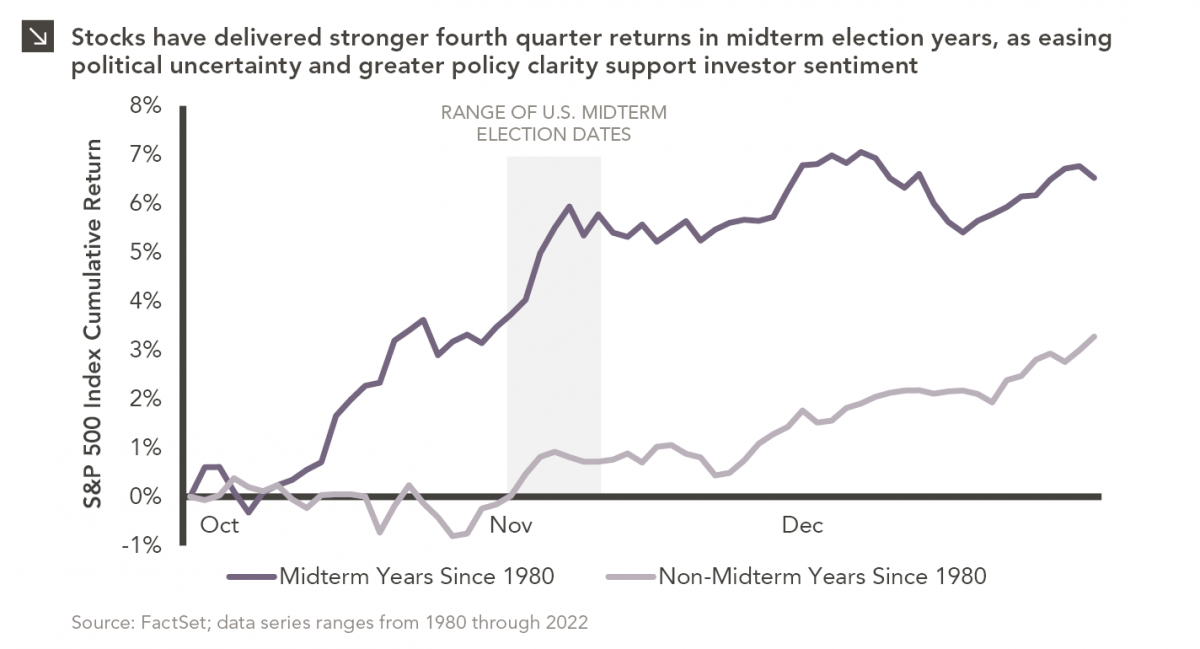
Since 1980, the S&P 500 Index has generally performed well in the weeks surrounding U.S. midterm elections. Specifically, the index…


While each economic downturn is certainly unique, we can look back over the Dot-Com Crisis and the Global Financial Crisis to see how private equity markets performed relative to public equity markets. In both cases, the private equity market1 bottomed 3–6 months later than public markets (due to the lag in reporting), but with a less significant trough. Returns within private equity markets also recovered more quickly as they recovered 1.5–2 years sooner than public markets and generated significant relative outperformance.
The lack of liquidity combined with lagged and overall less frequent reporting works to most investors’ advantages in volatile markets as there is a “smoothing” effect that often generates less fear and the lack of liquidity limits the ability to sell at what may be the worst time for value creation. Quarterly valuations are provided on a 2–3 month lag which provides the benefit of future knowledge on where markets are headed. Perhaps most critical for investors to understand is that throughout an economic downturn — such as the one we are currently experiencing — private equity portfolio allocations will likely rise due to this lag in reporting, but these levels are temporary as markets are correlated to some degree. Unfortunately, some investors look at this temporarily higher allocation (which are predominantly due to the denominator effect) and choose to reduce their private equity program investment; often these liquidations are done at a significant discount. Historically, selling or pulling back on investing has been a big mistake as these investors have missed out on four of the best vintages over the last 25 years.
The primary concern in this downturn is that with a significant portion of the U.S. economy essentially closed, many small businesses do not have sufficient liquidity to weather substantial losses of revenue. However, we would caution that performance will vary by industry and geography as some businesses are operating at relatively high levels in this environment and should be positioned to accelerate as the economy returns to a more normal state. Across the private equity asset class, investor allocations are also higher as reflected by the strong fundraising in recent years, which means the industry is well capitalized to support many businesses throughout this downturn. This significant “dry powder” that private equity firms have at their disposal is likely to be deployed to support existing portfolio companies as well as towards new opportunities that arise from a less competitive landscape as many less well-capitalized businesses will inevitability fail throughout this downturn.
The previous two downturns proved private equity is not immune to public equity market corrections, but the asset class has historically recovered quickly and resumed its place as a return-enhancing component of investor portfolios. Although the denominator effect may drive private equity allocations above intended targets in the context of an overall portfolio, these differences are only temporary in nature and private equity investors are best served to maintain their allocations rather than selling at a steep discount in the secondary market. From a long-term perspective, making consistent allocations and maintaining exposure has best served portfolio returns, and we do not expect that pattern to change in the current downturn.
Print PDF > What Have the Last Two Downturns Taught Us About Private Equity?
The opinions expressed herein are those of Marquette Associates, Inc. (“Marquette”), and are subject to change without notice. This material is not financial advice or an offer to purchase or sell any product. Marquette reserves the right to modify its current investment strategies and techniques based on changing market dynamics or client needs.
10.19.2026
Since 1980, the S&P 500 Index has generally performed well in the weeks surrounding U.S. midterm elections. Specifically, the index…
10.12.2026
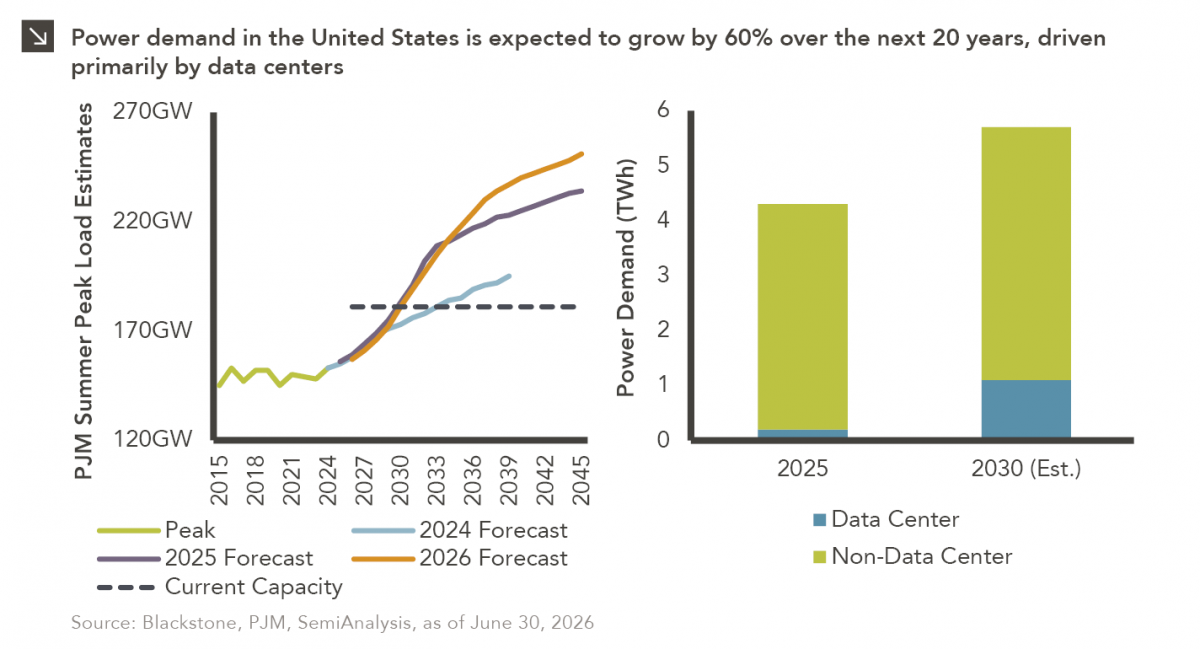
This week’s chart highlights the accelerating growth of electricity demand in the U.S., which has been driven primarily by the…

10.08.2026
LIVE WEBINAR — OCTOBER 22 Please join Marquette’s research team for our 3Q 2026 Market Insights Webinar…
10.05.2026
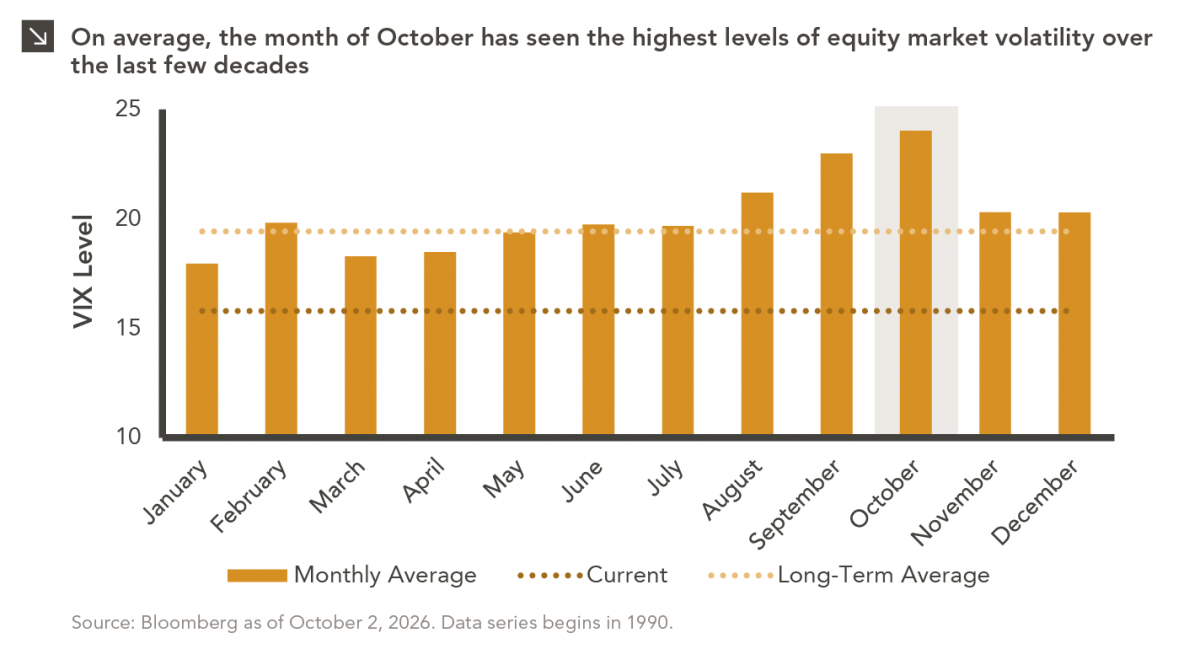
For investors, the spookiest thing about October might not be the ghosts and monsters that are bound to show up…
09.28.2026
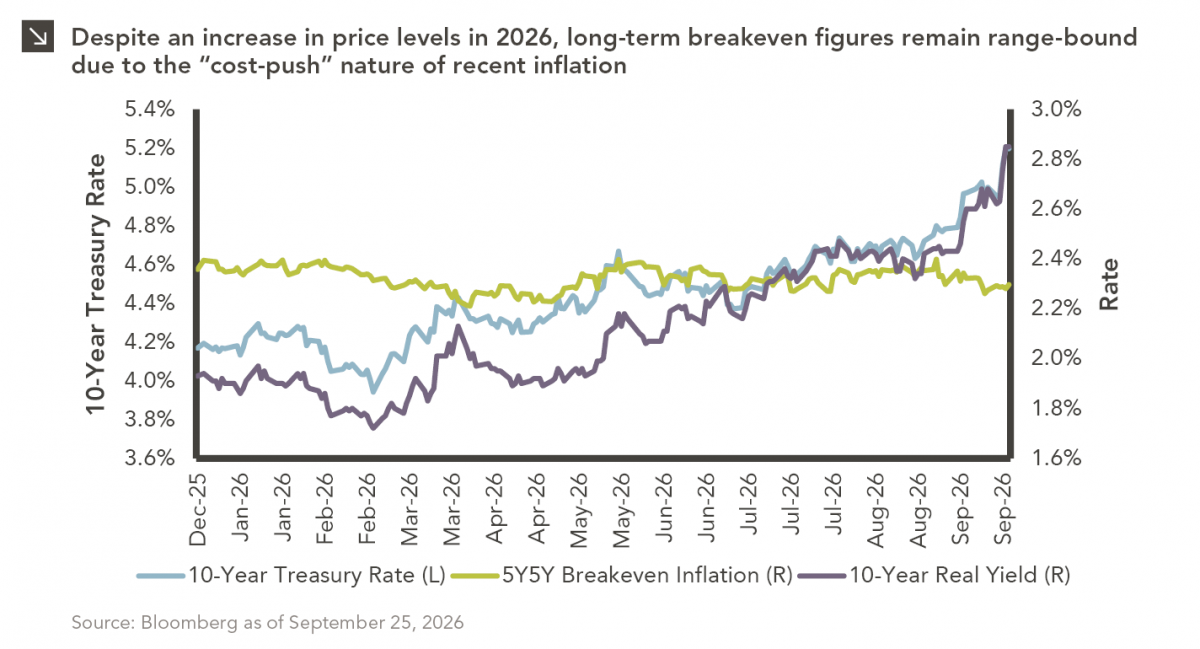
The phrase “expectations of higher inflation” has become a staple in financial news to explain the increase in nominal U.S….
09.21.2026
For much of the past several years, the conventional view has been that higher interest rates and stretched valuations would…
Research alerts keep you updated on our latest research publications. Simply enter your contact information, choose the research alerts you would like to receive and click Subscribe. Alerts will be sent as research is published.
We respect your privacy. We will never share or sell your information.
If you have questions or need further information, please contact us directly and we will respond to your inquiry within 24 hours.
Contact Us >