Christopher Caparelli, CFA
Partner


Developed by Stanford economist John Taylor in 1992, the Taylor Rule is a mathematical model designed to estimate the level of short-term interest rates consistent with the Federal Reserve’s mandate to promote price stability and full employment. In making its prediction, the model measures current inflation and unemployment data against a set of ideal targets. Currently, the model utilizes the Fed’s stated inflation target of 2% and an unemployment rate of 5.6% as the ideals for a healthy economic environment.
Prior to the great recession, the output of the Taylor Rule proved to be fairly accurate in predicting short-term interest rates. As the financial crisis deepened, however, the Taylor Rule began to suggest that a negative level of short-term rates would be necessary in order to restore economic growth. Bound by zero as the floor for interest rates, the Fed was unable to lower short-term rates to meet the level prescribed by the Taylor Rule. With further interest rate decreases no longer an option, the Fed turned to quantitative easing as a means to further loosen monetary policy. Five years later, with the U.S. economy on more stable ground, the level of short-term rates prescribed by the Taylor Rule has once again turned positive. Not surprisingly, the Fed has begun to slow the pace of quantitative easing with the program scheduled to come to an end altogether later this year. As investors eye Fed clues for the future path of short-term rates, consider the Taylor Rule as a useful guide.

The opinions expressed herein are those of Marquette Associates, Inc. (“Marquette”), and are subject to change without notice. This material is not financial advice or an offer to purchase or sell any product. Marquette reserves the right to modify its current investment strategies and techniques based on changing market dynamics or client needs.

10.08.2026
This video is a recording of a live webinar held October 22 by Marquette’s research team analyzing the third quarter…

10.22.2026
Anyone who has run a marathon knows the last six miles are brutal — no matter how well the first…
10.19.2026
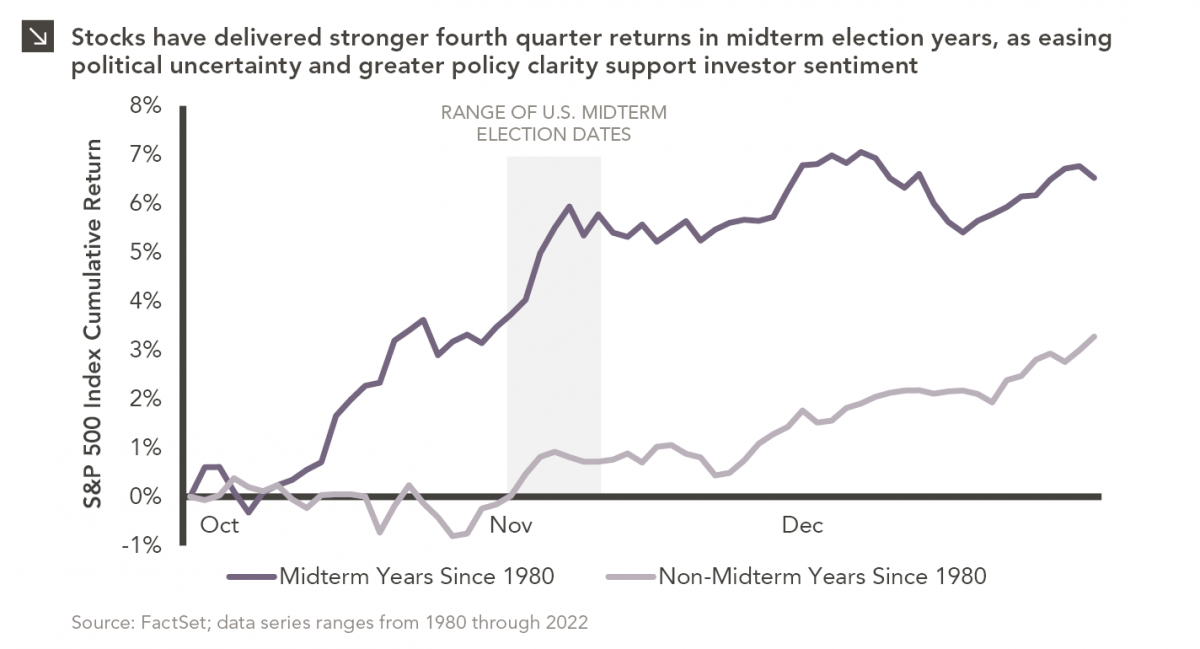
Since 1980, the S&P 500 Index has generally performed well in the weeks surrounding U.S. midterm elections. Specifically, the index…
10.12.2026
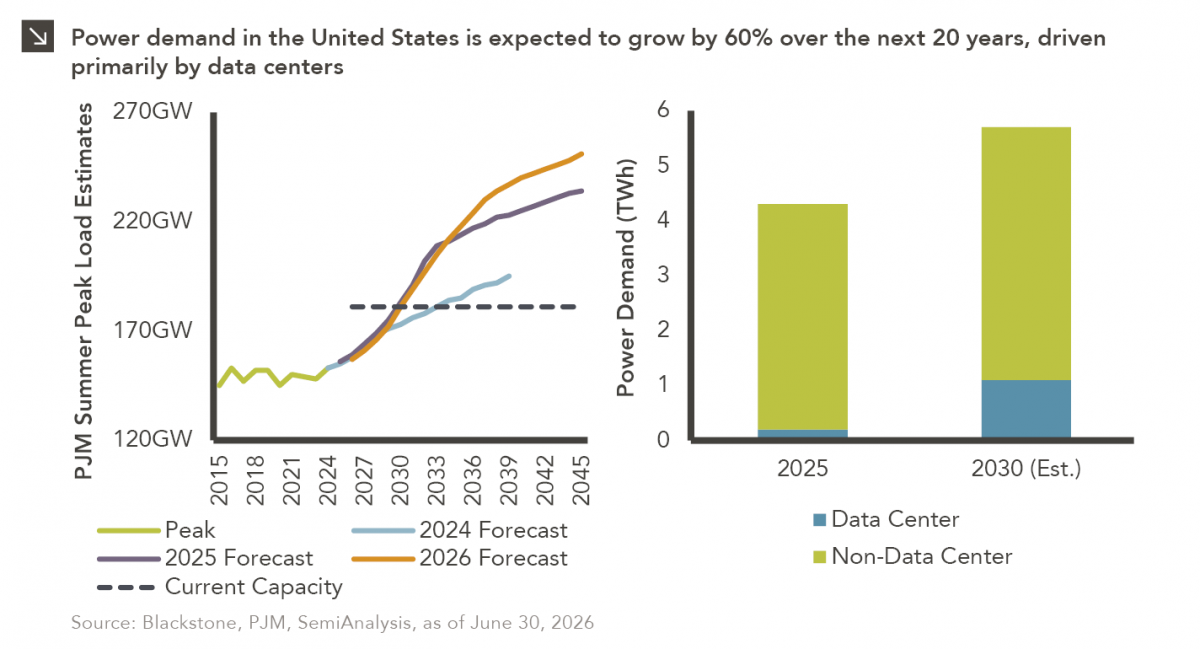
This week’s chart highlights the accelerating growth of electricity demand in the U.S., which has been driven primarily by the…
10.05.2026
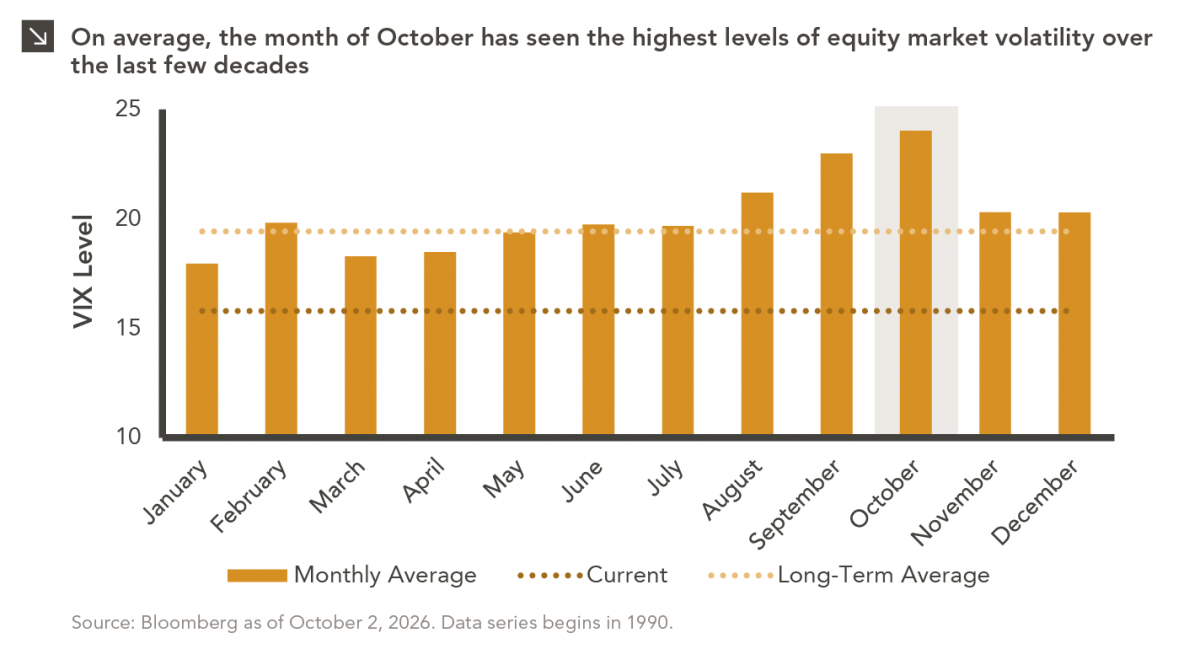
For investors, the spookiest thing about October might not be the ghosts and monsters that are bound to show up…
09.28.2026
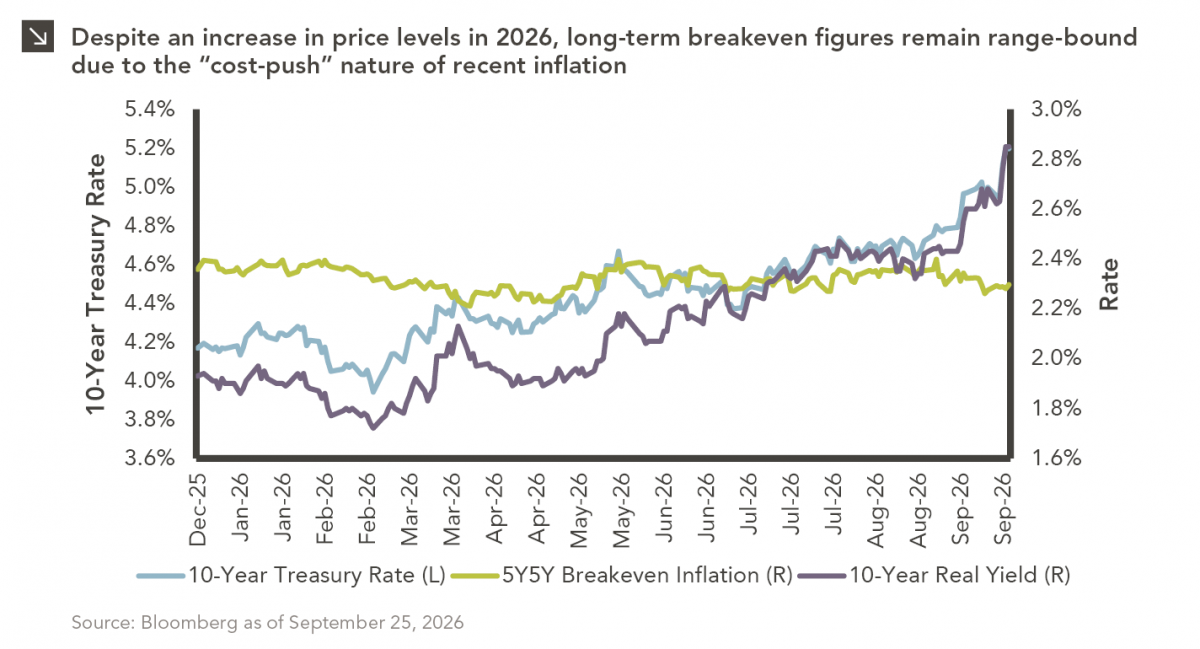
The phrase “expectations of higher inflation” has become a staple in financial news to explain the increase in nominal U.S….
Research alerts keep you updated on our latest research publications. Simply enter your contact information, choose the research alerts you would like to receive and click Subscribe. Alerts will be sent as research is published.
We respect your privacy. We will never share or sell your information.
If you have questions or need further information, please contact us directly and we will respond to your inquiry within 24 hours.
Contact Us >