10.08.2026
3Q 2026 Market Insights
This video is a recording of a live webinar held October 22 by Marquette’s research team analyzing the third quarter…


The 10-year Treasury yield broke through a key threshold yesterday closing at 0.77%, its highest in eight weeks, and ending at the same 0.77% that it closed at on April 8th. As shown in this week’s chart, the yield curve has been steepening substantially since March 9th, when the 10-year closed at its all-time low of 0.54%. This steepening may be a sign from the bond markets that the worst might be behind us.
On the economic front, Automatic Data Processing released data yesterday that showed the private sector lost only 2.76 million jobs in May, far below the 8.75 million forecasted by economists, and also far below the 19.56 million private sector jobs that were lost in April. This welcome news was amplified by National Institute for Allergy and Infectious Diseases Director Dr. Anthony Fauci’s remark that Moderna’s COVID-19 vaccine candidate is likely on-track to start Phase III human trials in July. Additionally, he noted that the plan is to begin manufacturing doses of the vaccine in tandem with the trials so that potentially 100 million doses are available to be shipped by November or December. Collectively, these favorable developments sent the S&P 500 up 1.36% and the 10-year Treasury yield from 0.68% to 0.77% yesterday, steepening the yield curve. As such, the fixed income and equity markets are finally exhibiting normal correlations, as a steepening curve with a rallying stock market signifies investors selling down long-dated Treasury bonds to buy stocks. This is in contrast with the March cash dash that sent rates down while the curve steepened all the while the stock markets fell as investors sold off both stocks and bonds to raise cash.
Also shown in our chart are the projected Treasury yield curves for the end of this year and the next two years based on the Treasury forwards market. They show the yield curve continuing to rise and steepen, with the 10-year forecasted to rise to 0.85% at the end of this year, 1.02% at the end of next year, and 1.18% at the end of 2022. While Treasury forwards will continue to fluctuate and the 10-year cannot be expected to reach these projected yields exactly, the expected steepening shows that the bond markets are expressing some level of optimism for the future given these recent positive developments. Ultimately, we see these developments as a positive sign that the economy, markets, and pandemic are progressing towards recovery.
Print PDF > Is the Worst Behind Us?
The opinions expressed herein are those of Marquette Associates, Inc. (“Marquette”), and are subject to change without notice. This material is not financial advice or an offer to purchase or sell any product. Marquette reserves the right to modify its current investment strategies and techniques based on changing market dynamics or client needs.

10.08.2026
This video is a recording of a live webinar held October 22 by Marquette’s research team analyzing the third quarter…

10.22.2026
Anyone who has run a marathon knows the last six miles are brutal — no matter how well the first…
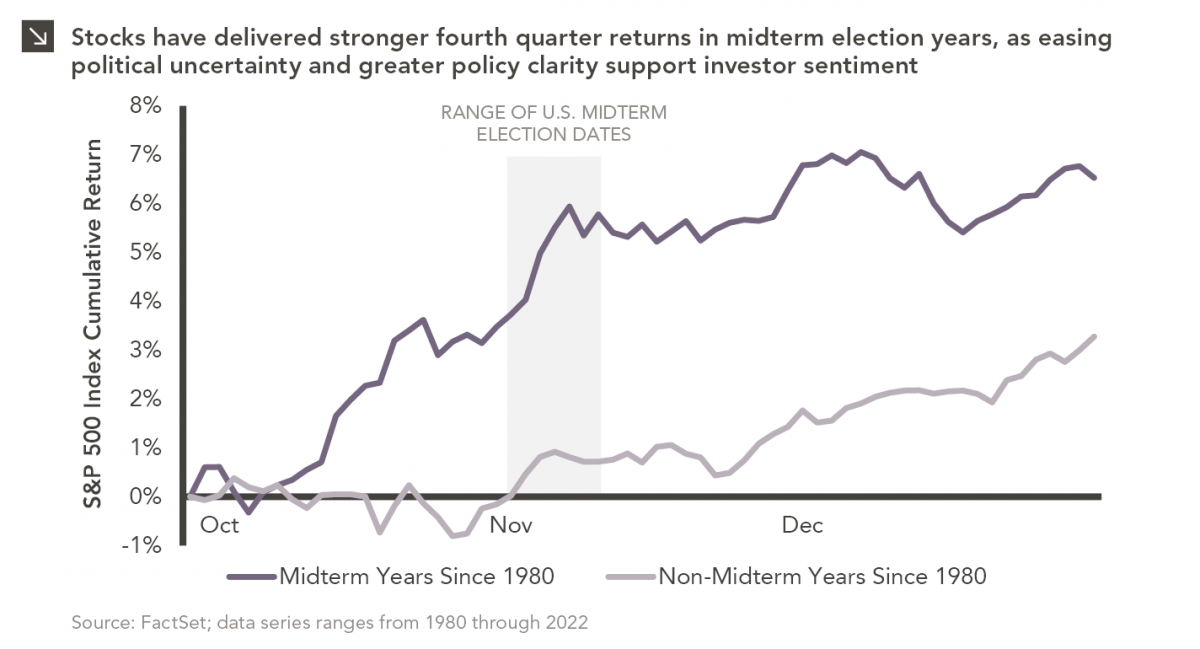
10.19.2026
Since 1980, the S&P 500 Index has generally performed well in the weeks surrounding U.S. midterm elections. Specifically, the index…
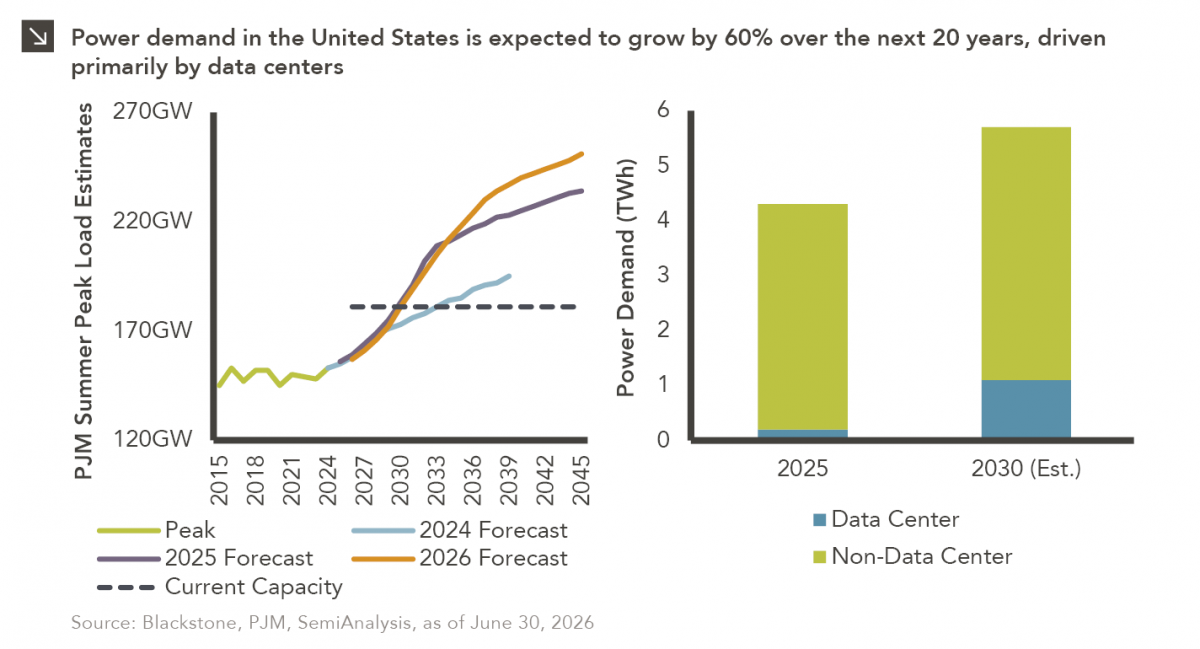
10.12.2026
This week’s chart highlights the accelerating growth of electricity demand in the U.S., which has been driven primarily by the…
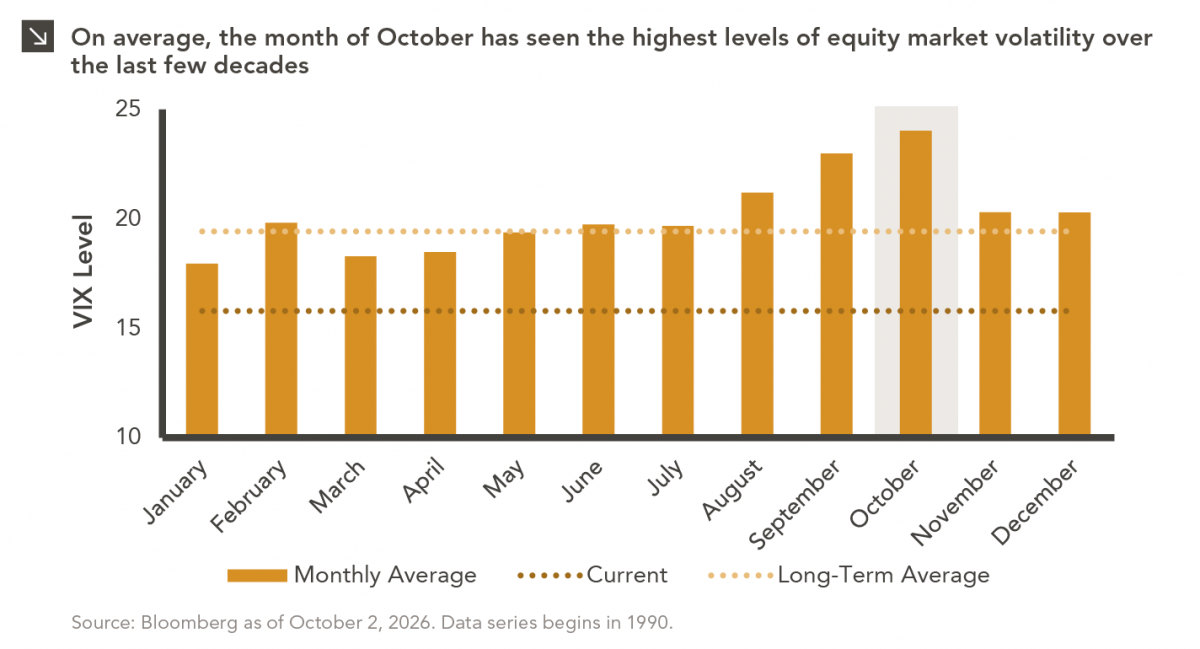
10.05.2026
For investors, the spookiest thing about October might not be the ghosts and monsters that are bound to show up…
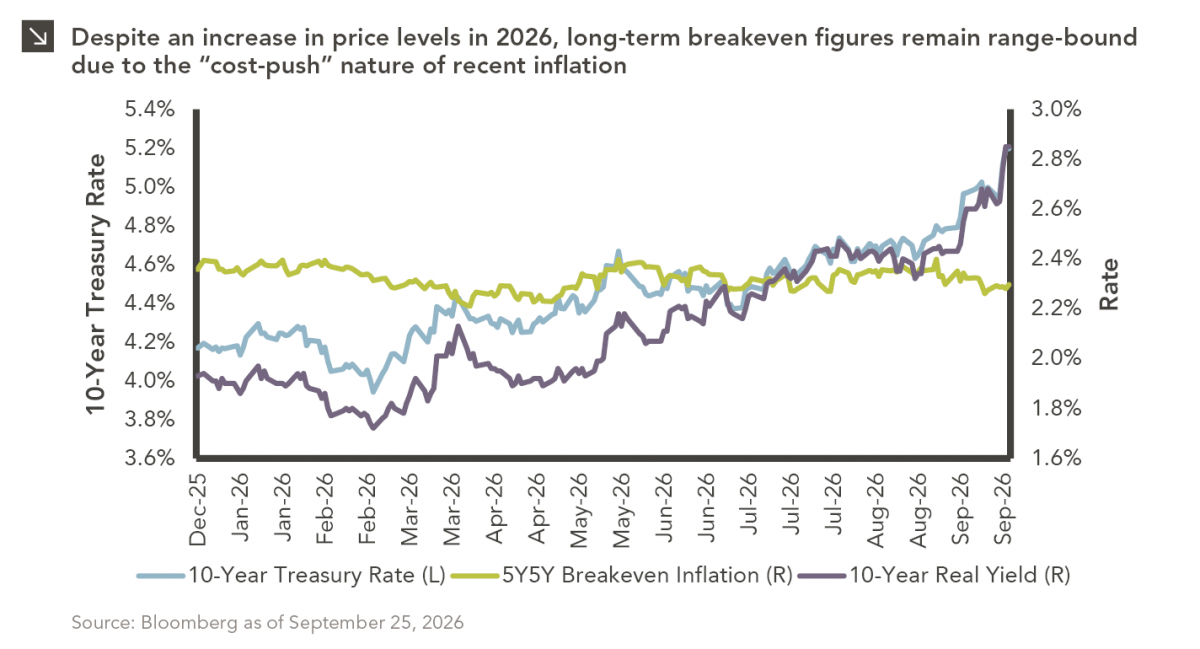
09.28.2026
The phrase “expectations of higher inflation” has become a staple in financial news to explain the increase in nominal U.S….
Research alerts keep you updated on our latest research publications. Simply enter your contact information, choose the research alerts you would like to receive and click Subscribe. Alerts will be sent as research is published.
We respect your privacy. We will never share or sell your information.
If you have questions or need further information, please contact us directly and we will respond to your inquiry within 24 hours.
Contact Us >