10.22.2026
Will Higher Rates Cramp the Markets?
Anyone who has run a marathon knows the last six miles are brutal — no matter how well the first…


It is critical for institutional investors to understand the importance of both relative and absolute value when considering investment allocations. From a relative value perspective, private equity — which has been one of the most desired and consistently best performing asset classes over the last 20 years — is now on sale.
Following global investment volatility and panic from the COVID-19 crisis in March, the combination of government intervention along with public equity enthusiasm has driven public valuation multiples to near-record levels over the last three months with the Russell 3000 trading at 15x EV/EBITDA (S&P 500 at 23x EV/EBITDA), making the relative value trade even more compelling for private equity investments. Meanwhile, private equity multiples have been more stable, with May transactions occurring at 10x for middle market buyouts and 7.5x for small buyouts less than $100 million in enterprise value, providing investors a 35% or 50% relative discount respectively as compared to the Russell 3000. The current valuation spread provides the widest spread these markets have offered.
Private equity managers have mostly shown investment discipline, thinking longer-term and focused on absolute returns over a multi-year basis, which has resulted in a tighter range of valuations paid as compared to rising public equity multiples over the last decade. However, given the current market dynamics with the valuation spread growing, it is likely private market investors will benefit from the relative outperformance of private equity capital deployed in 2020.
This may be an opportune time for institutional investors to consider stepping back from elevated public market valuations and find ways to allocate more capital and raise their targeted allocations to private equity in order to maximize the absolute returns of their portfolios. We have seen clients increasing their annual deployment and focusing on more opportunistic strategies, including co-investment funds and secondary funds which have shorter investment periods thus allowing more capital to be deployed in 2020 and 2021.
Furthermore, private equity managers should increasingly be thinking about the relative value of the capital that has been committed to them. The last few years have provided for record-breaking fundraising for the private equity industry. This committed capital is currently sitting in dry powder and in most cases remains uncalled from investors sitting in public equity markets. Due to the current valuation spread, the relative value these private equity managers provide by finding opportunities present in the private market is great. Most importantly, more capital being put to work in private markets can expand the number of private equity-owned businesses and does not have to drive up the valuations paid, unlike in public markets where there are a fixed number of opportunities and where more capital being deployed in public equities pushes valuations higher.
Print PDF > Best Historical Performing Asset Class Is on Sale!
The opinions expressed herein are those of Marquette Associates, Inc. (“Marquette”), and are subject to change without notice. This material is not financial advice or an offer to purchase or sell any product. Marquette reserves the right to modify its current investment strategies and techniques based on changing market dynamics or client needs.

10.22.2026
Anyone who has run a marathon knows the last six miles are brutal — no matter how well the first…
10.19.2026
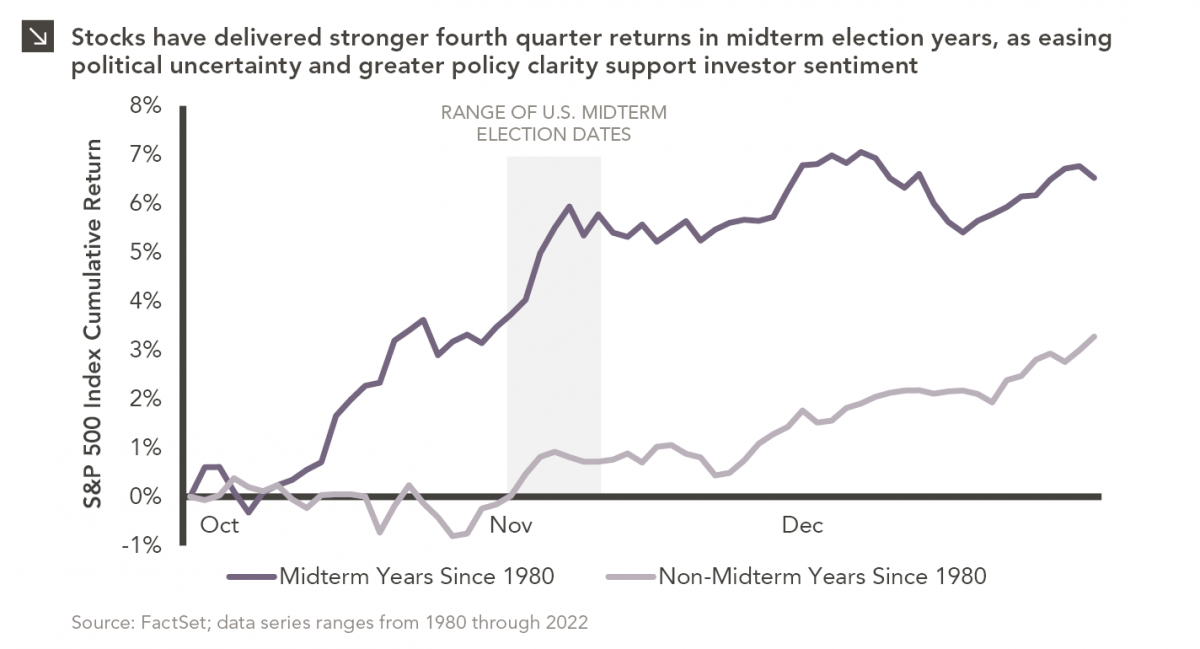
Since 1980, the S&P 500 Index has generally performed well in the weeks surrounding U.S. midterm elections. Specifically, the index…
10.12.2026
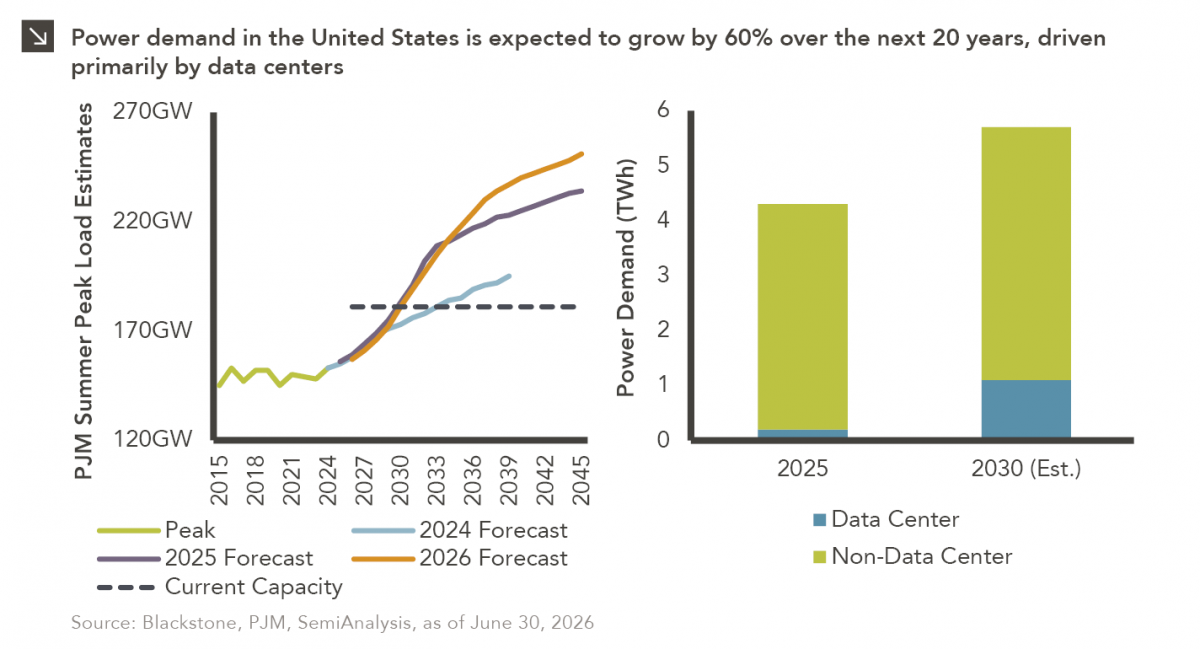
This week’s chart highlights the accelerating growth of electricity demand in the U.S., which has been driven primarily by the…

10.08.2026
LIVE WEBINAR — OCTOBER 22 Please join Marquette’s research team for our 3Q 2026 Market Insights Webinar…
10.05.2026
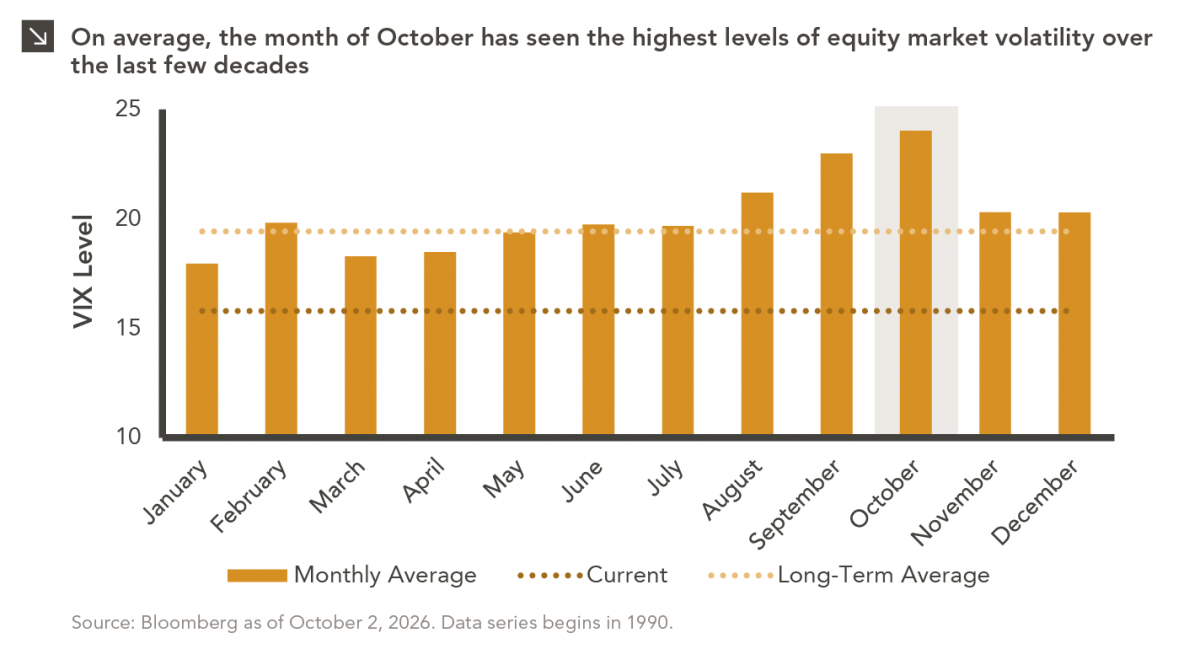
For investors, the spookiest thing about October might not be the ghosts and monsters that are bound to show up…
09.28.2026
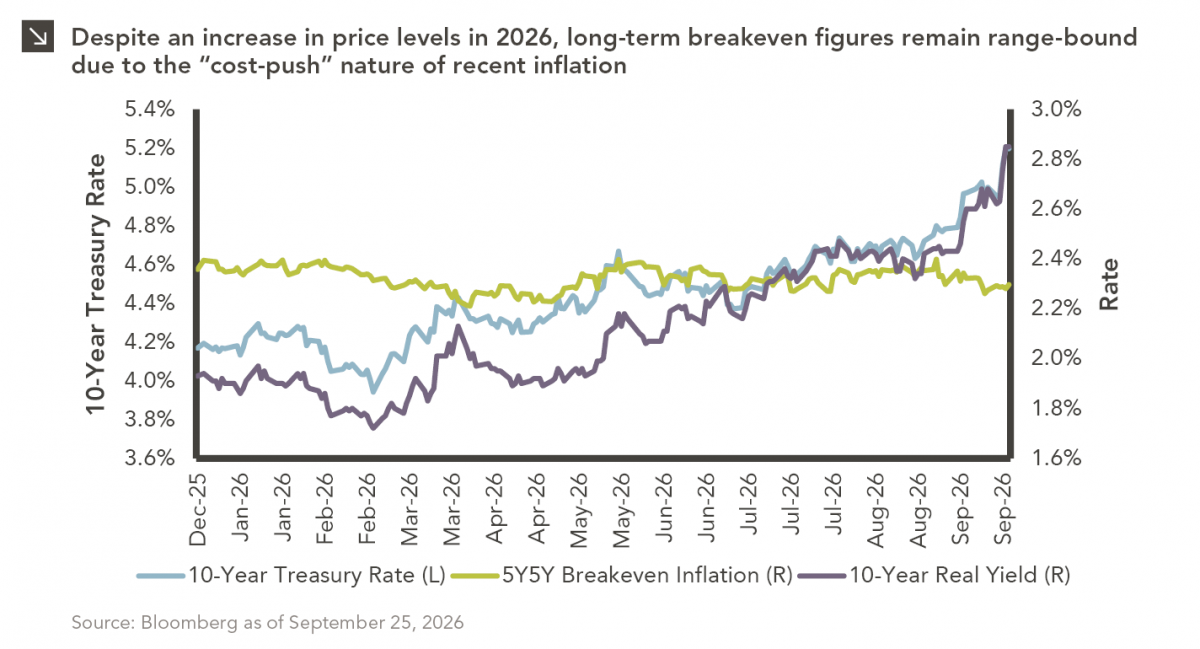
The phrase “expectations of higher inflation” has become a staple in financial news to explain the increase in nominal U.S….
Research alerts keep you updated on our latest research publications. Simply enter your contact information, choose the research alerts you would like to receive and click Subscribe. Alerts will be sent as research is published.
We respect your privacy. We will never share or sell your information.
If you have questions or need further information, please contact us directly and we will respond to your inquiry within 24 hours.
Contact Us >