09.08.2026
EMD’s Second Chance?
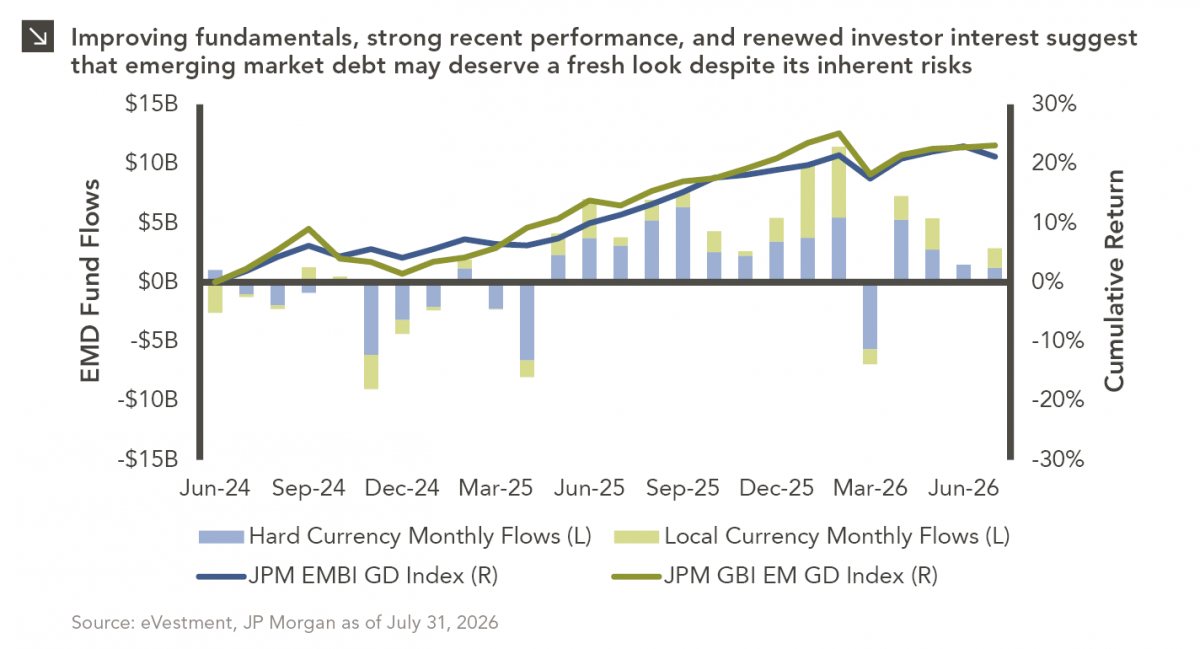
Over the last several years, emerging market debt (EMD) has faced several headwinds, with rising yields across other fixed income…


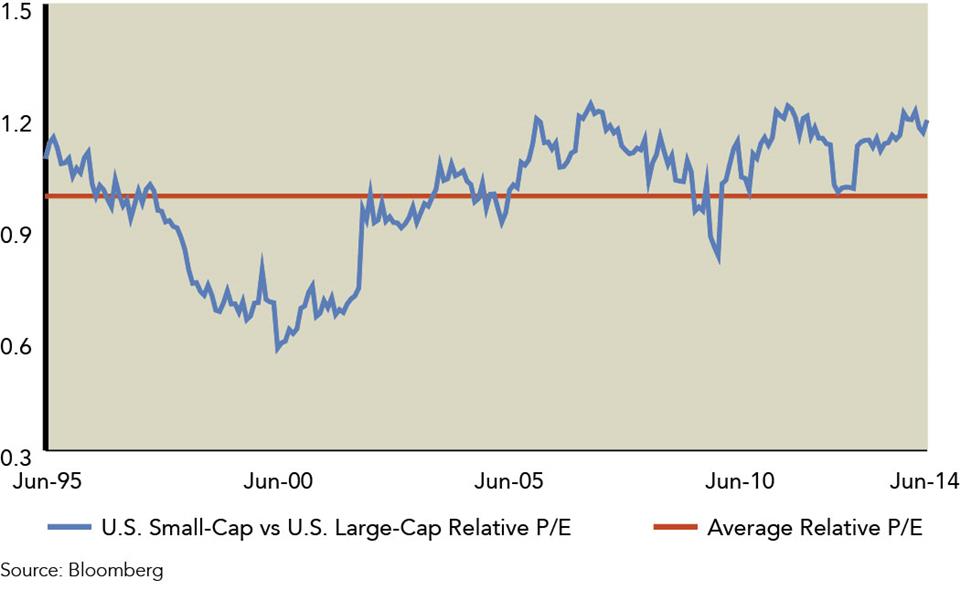
This week’s Chart of the Week examines the historical valuation premium of U.S. small-cap stocks (as represented by the Russell 2000 index) relative to U.S. large-cap stocks (based on the Russell 1000 index). A line above 1.0 indicates a higher relative valuation for the Russell 2000 compared to the Russell 1000. As of June 30th, 2014, the small-cap index carried an 18.7% premium relative to the large-cap index. Investors should typically expect small-caps to command a larger P/E multiple relative to large-caps given that small-cap stocks tend to have higher expected earnings growth rates assigned to them. Despite this, the chart above indicates that small-caps are currently at the upper end of their historical relative valuation premium. This suggests a more favorable entry point for large-cap stocks versus small-cap stocks.
With U.S. equity markets over 5-years into the current recovery and major indices trading near all time highs, small-cap stocks are facing a few headwinds. As the Fed winds down its asset purchasing program and as the market begins to anticipate a rise in interest rates, small-cap performance will be more linked to the health of the U.S. economy and face a greater sensitivity to a rise in interest rates versus large-caps. In addition, large-cap stocks derive a larger percentage of their revenues outside of the U.S. and would be poised to benefit to a greater extent over small-caps from higher expected growth rates outside of the U.S. With relative valuation levels between small-caps and large-caps currently at a high level, a better risk/reward trade-off exists for U.S. large-cap stocks.
The opinions expressed herein are those of Marquette Associates, Inc. (“Marquette”), and are subject to change without notice. This material is not financial advice or an offer to purchase or sell any product. Marquette reserves the right to modify its current investment strategies and techniques based on changing market dynamics or client needs.
09.08.2026
Over the last several years, emerging market debt (EMD) has faced several headwinds, with rising yields across other fixed income…
08.31.2026
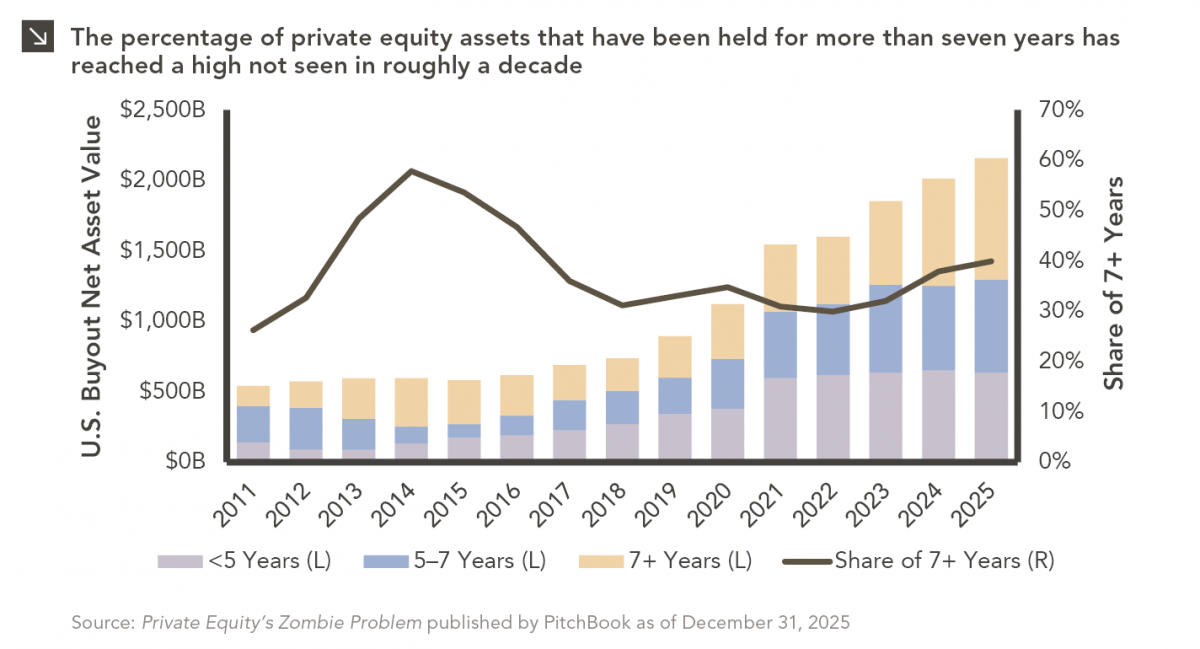
Private equity has always had a few portfolio companies that refused to leave the party. Today, however, the industry appears…
08.24.2026
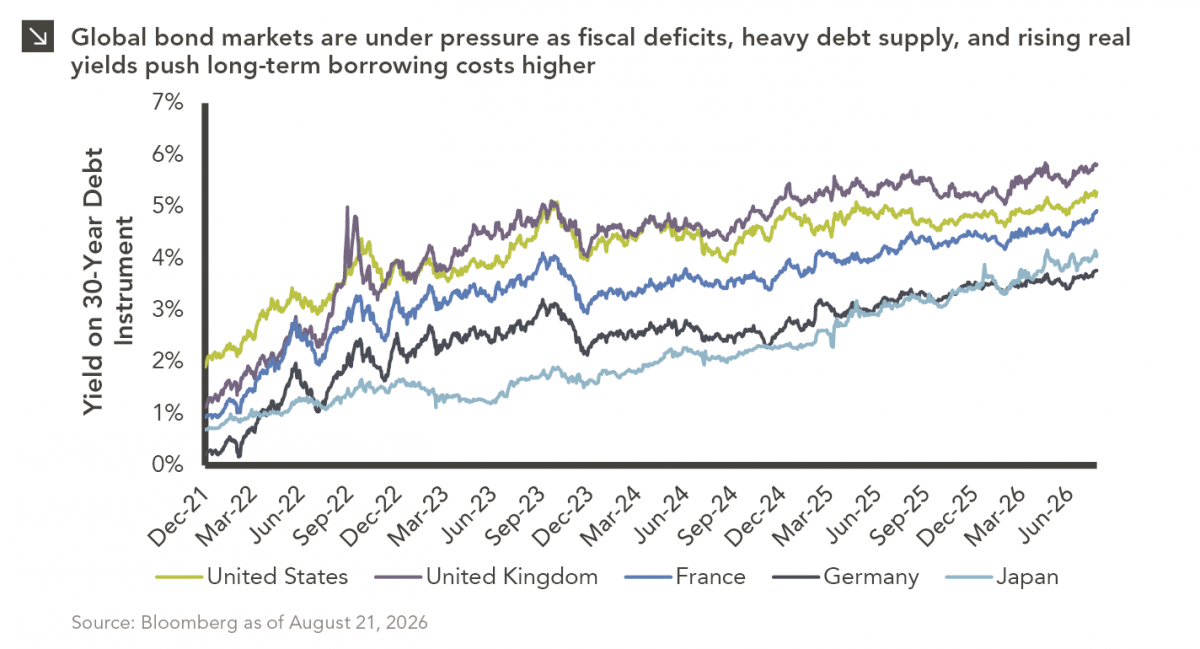
The global bond market is facing renewed pressure as investors demand higher yields to hold long-dated government debt, pushing borrowing…

08.17.2026
As a college football player struggling to put on mass, the “supersizing” deal at McDonald’s was hard to beat. For…
08.10.2026
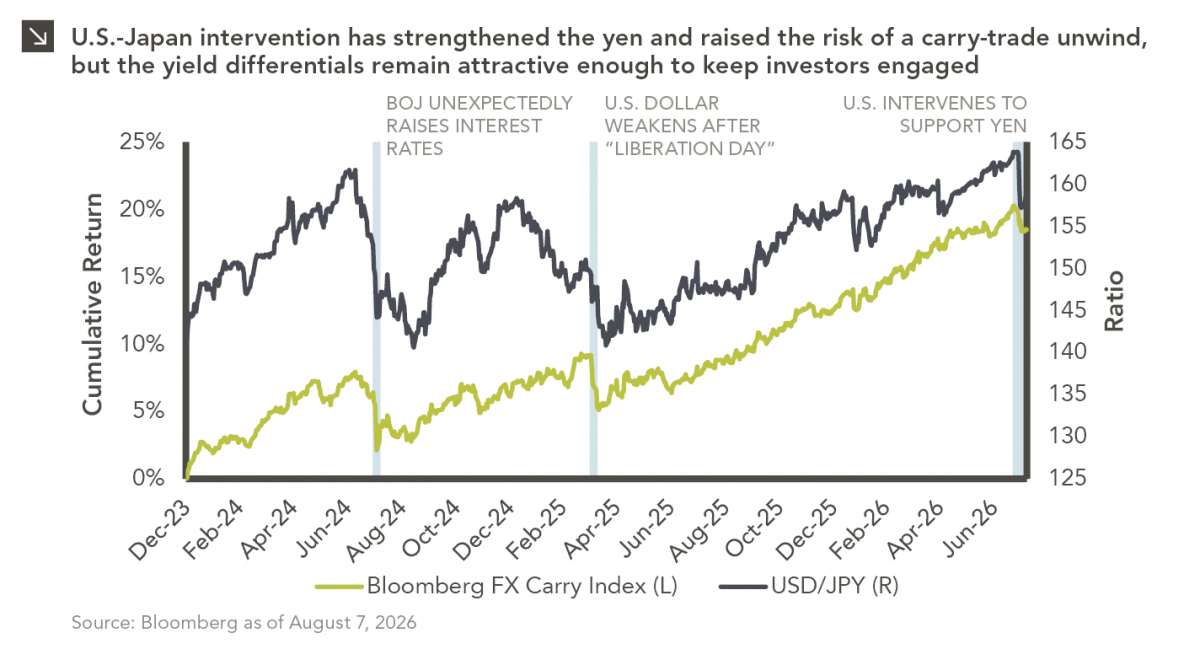
After reaching nearly ¥164 per dollar, its weakest level in roughly four decades, the yen had become a source of…
08.03.2026
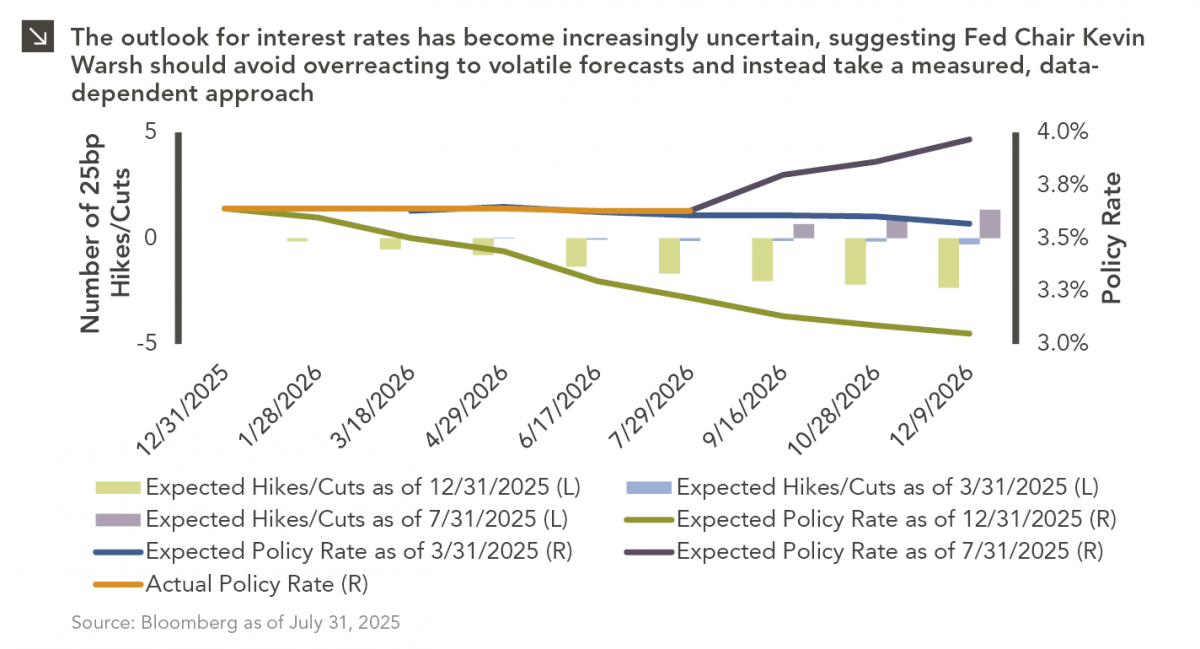
In the cinematic masterpiece Rocky IV, Rocky gets dazed by his opponent, Captain Ivan Drago, and complains that he sees…
Research alerts keep you updated on our latest research publications. Simply enter your contact information, choose the research alerts you would like to receive and click Subscribe. Alerts will be sent as research is published.
We respect your privacy. We will never share or sell your information.
If you have questions or need further information, please contact us directly and we will respond to your inquiry within 24 hours.
Contact Us >