10.08.2026
3Q 2026 Market Insights
This video is a recording of a live webinar held October 22 by Marquette’s research team analyzing the third quarter…


As a key indicator that we have come a long way from the late-March panic and that both the economy and financial markets are steadily recovering from the COVID-19 pandemic, downgrades of bonds by the bond ratings agencies such as S&P and Moody’s have been experiencing a sharp decline. Our chart this week profiles the weekly downgrade volume of U.S. investment grade corporate bonds — excluding financials — showing a precipitous drop in weekly downgrade volume from the March peaks. The reduction in downgrades for investment grade financials, as well as for both high yield bonds and bank loans, are following a similar trend, though are not shown in the chart.
Bond agencies have become more comfortable with bond issuers’ abilities to cover their debt expenses due in large part to (1) vaccine progress, (2) the commitment to stimulus by global governments, and (3) re-openings. The vaccine remains the ideal solution to this pandemic and progress has improved since March. Today, a number of vaccine candidates are in Phase II human trials, with one that began Phase III yesterday. Moderna’s vaccine started Phase III on Monday, overseen by the University of Illinois at Chicago. Pfizer/BioNTech’s candidate has been shown to produce more antibodies than those produced by people who have recovered, and last week they received from the Department of Health and Human Services and the Defense Department an order of 100 million doses for $2 billion. Oxford/AstraZeneca’s candidate has been shown to produce antibodies that may fade but it helps produce killer T-cells that may stay in circulation for years and may kill cells infected with the virus. With regard to stimulus, Senate Republicans and the White House announced a stimulus package yesterday to follow the handful of COVID-19 stimulus packages that have preceded it this year. Congress is currently working on closing the gap between this $1 trillion CARES 2.0/Safe to Work Act put forth by Senate Republicans and the $3 trillion HEROES Act put forth by House Democrats. Marquette will provide a detailed assessment of this latest package and its implications as soon as it is signed by Trump. Moreover, the Treasury continues to have the ability to issue debt at current debt-to-GDP levels in order to fund further stimulus.
All this progress is balanced by several challenges, however, with the markets having priced in the last few weeks’ rise in cases, especially from Texas and Florida — the new epicenters — and the re-closings of restaurants and bars by several states including Illinois and California, along with recent resurgences in certain countries abroad. Hospitalizations and mortality have not risen as much as cases, however, so this resurgence may be attributed to the rise in testing detecting less-serious cases, which is potentially a positive in curtailing super spreaders. As the pandemic and its recovery gradually unfold, the markets are starting to price in more non-COVID developments, such as the Biden vs. Trump campaign and recent U.S.-China tensions. The U.S. ordered China to close its consulate in Houston last Tuesday, and China took over the premises of the U.S. consulate in Chengdu, a southwestern city. Marquette will continue to assess and issue guidance on further developments related to the pandemic, the recovery, and other geopolitical events.
Print PDF > Bond Downgrades Subsiding
The opinions expressed herein are those of Marquette Associates, Inc. (“Marquette”), and are subject to change without notice. This material is not financial advice or an offer to purchase or sell any product. Marquette reserves the right to modify its current investment strategies and techniques based on changing market dynamics or client needs.

10.08.2026
This video is a recording of a live webinar held October 22 by Marquette’s research team analyzing the third quarter…

10.22.2026
Anyone who has run a marathon knows the last six miles are brutal — no matter how well the first…
10.19.2026
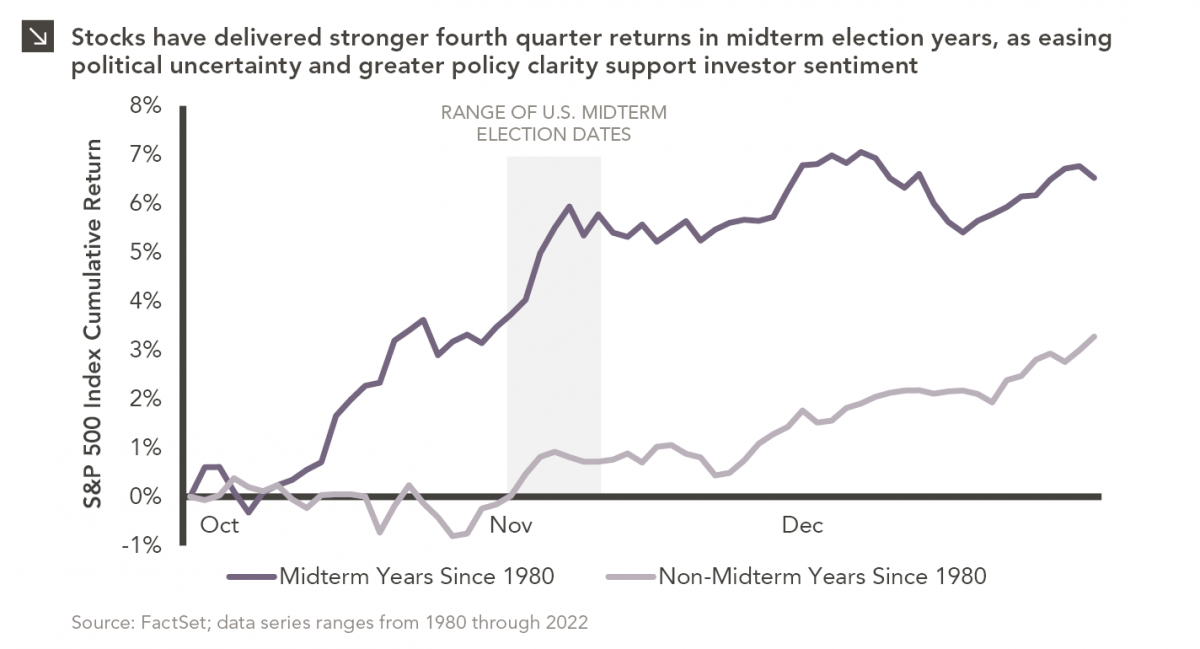
Since 1980, the S&P 500 Index has generally performed well in the weeks surrounding U.S. midterm elections. Specifically, the index…
10.12.2026
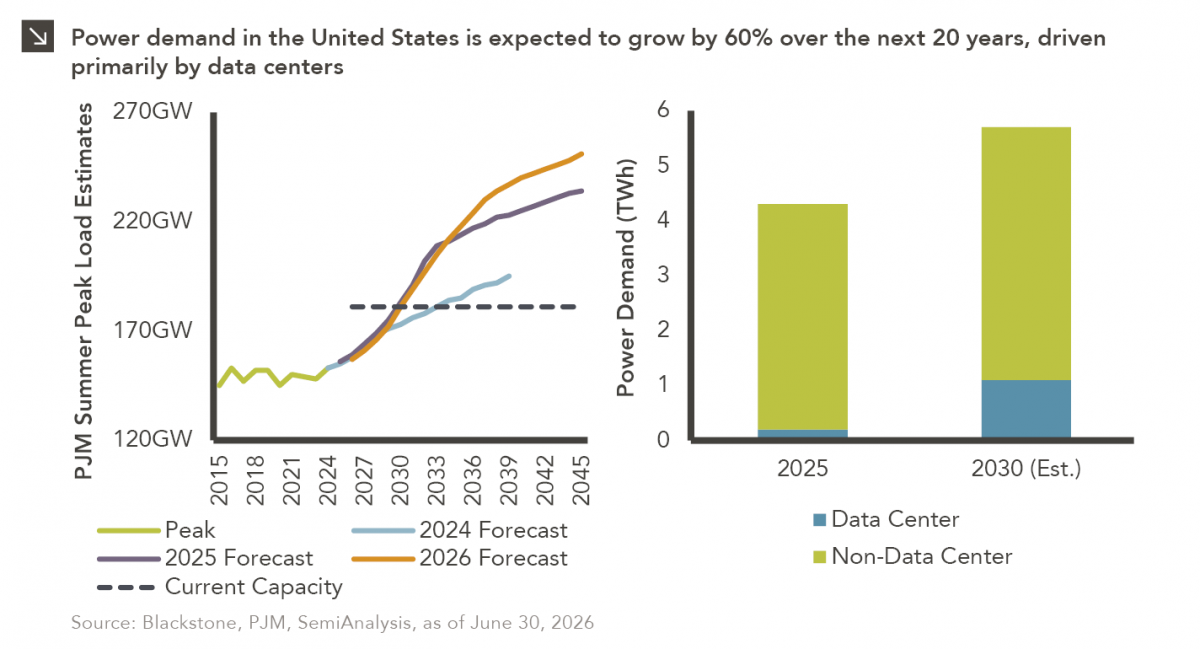
This week’s chart highlights the accelerating growth of electricity demand in the U.S., which has been driven primarily by the…
10.05.2026
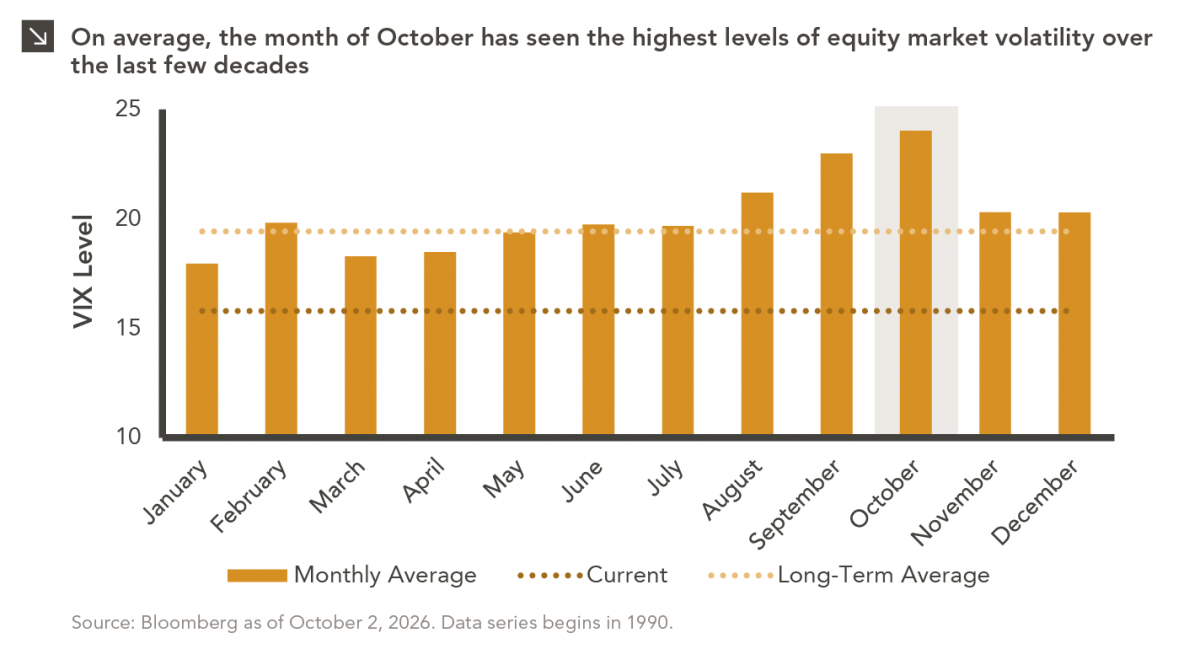
For investors, the spookiest thing about October might not be the ghosts and monsters that are bound to show up…
09.28.2026
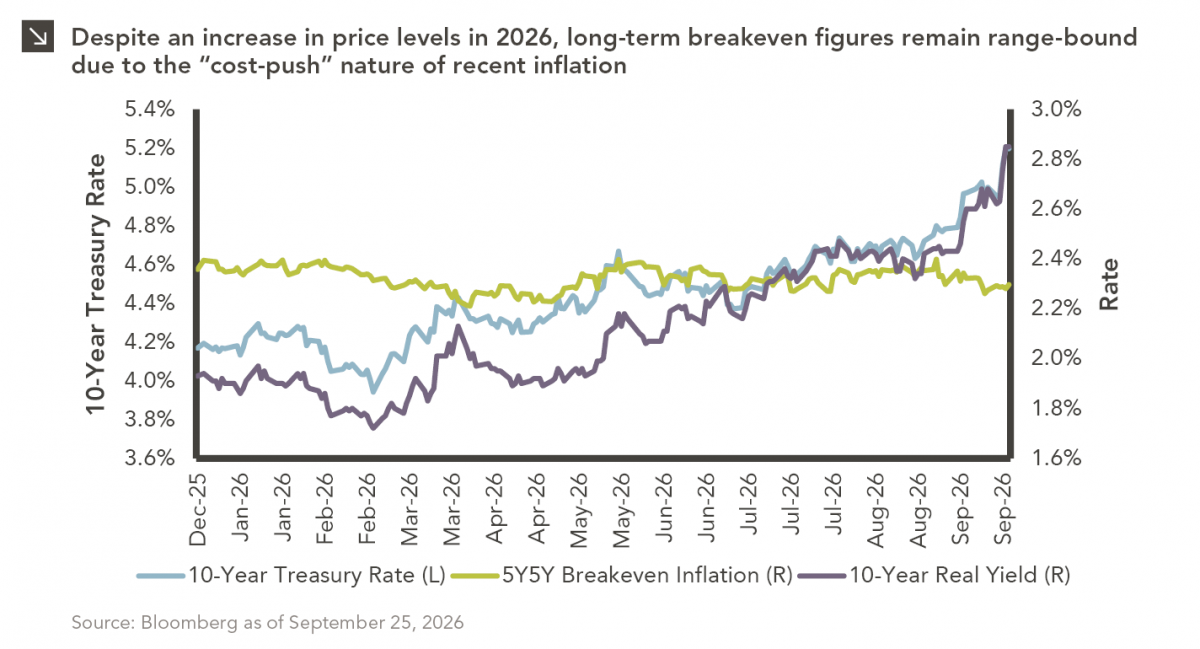
The phrase “expectations of higher inflation” has become a staple in financial news to explain the increase in nominal U.S….
Research alerts keep you updated on our latest research publications. Simply enter your contact information, choose the research alerts you would like to receive and click Subscribe. Alerts will be sent as research is published.
We respect your privacy. We will never share or sell your information.
If you have questions or need further information, please contact us directly and we will respond to your inquiry within 24 hours.
Contact Us >