10.22.2026
Will Higher Rates Cramp the Markets?
Anyone who has run a marathon knows the last six miles are brutal — no matter how well the first…


The U.S. government — including the U.S. Treasury, Federal Reserve, Congress, and executive branch — has stepped up to emergency action in rapid fashion during this coronavirus pandemic. This, along with the heroic efforts of healthcare workers, first responders, and vaccine researchers, is one of the key reasons why our financial markets have enjoyed such a quick recovery, with the S&P 500 currently back to the all-time peaks that it previously reached in February and investment grade and high yield bond spreads now having tightened back to tighter than long-term averages.
Our chart this week looks at how rapidly the U.S. Treasury raised capital by borrowing from the public and deployed that capital via the large-scale Congressional relief packages as well as Fed quantitative easing asset purchases and financial market backstops in the face of declining tax receipts. The green line represents the U.S. Treasury’s monthly borrowings from the public, which skyrocketed in March, peaked in April, and have gradually declined since. Shown in the tan are monthly U.S. Treasury receipts, which as expected gradually declined with the retrenchment in tax revenue due to the recession in which so many ill-fated businesses have shut down and millions of workers have lost their jobs. The darkest slate line shows monthly U.S. Treasury outlays, which rose steeply in March and remain high as these funds continue to be deployed for both fiscal and monetary stimulus measures. Lastly, the blue line shows a rising monthly U.S. Treasury deficit which is not surprising as U.S. Treasury outlays continue to exceed receipts.
While the financial markets have dipped and rebounded to previous highs several quarters quicker than the full circle throughout the 2008 housing crisis, there are still several challenges that lie ahead: the efficacy of the vaccine candidates currently in human trials and the ability to distribute and encourage the adoption of a final approved vaccine in a timely manner; the prospects of the Republican-led Senate and Democrat-led House to agree on a next relief package to help mitigate renter evictions and homeowner foreclosures; the risk of seasonal second or third waves of infections in various regions across the world; and the implementation of re-openings with social distancing that can successfully prevent resurgences until a vaccine is approved and distributed. We continue to expect these challenges to heighten market volatility, which will be further exacerbated by a contentious U.S. presidential election looming less than three months away. Marquette will continue to monitor these issues and provide our perspectives as further developments unfold throughout this pandemic.
Print PDF > U.S. Treasury Borrowings, Receipts, Outlays and Deficit
The opinions expressed herein are those of Marquette Associates, Inc. (“Marquette”), and are subject to change without notice. This material is not financial advice or an offer to purchase or sell any product. Marquette reserves the right to modify its current investment strategies and techniques based on changing market dynamics or client needs.

10.22.2026
Anyone who has run a marathon knows the last six miles are brutal — no matter how well the first…
10.19.2026
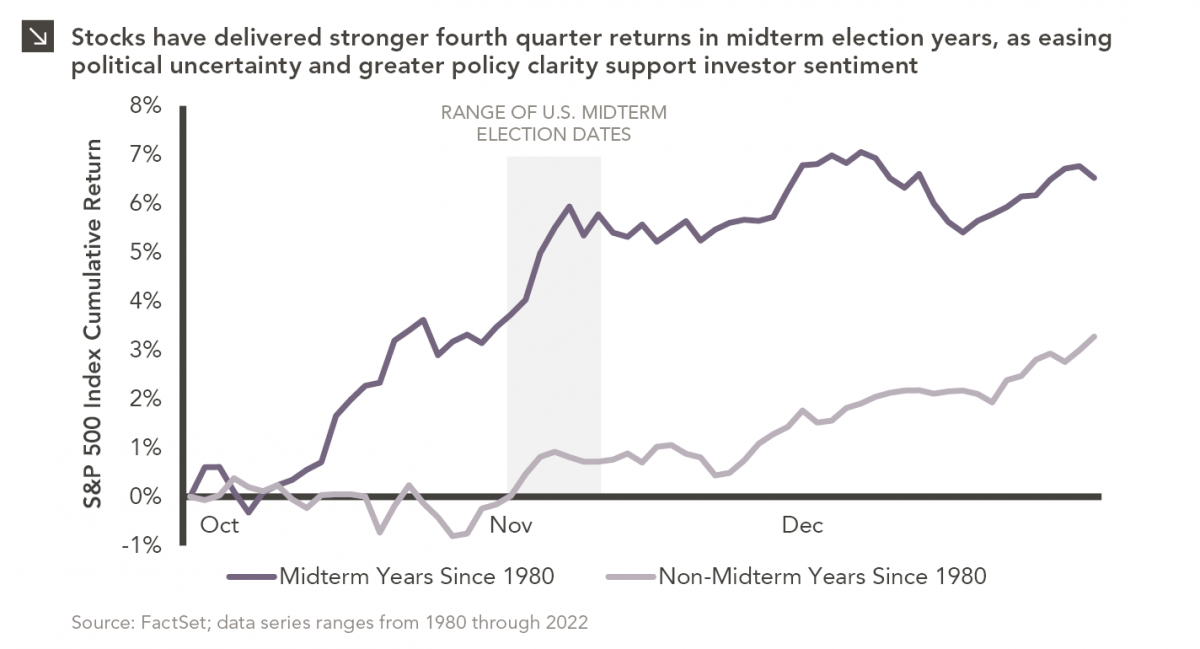
Since 1980, the S&P 500 Index has generally performed well in the weeks surrounding U.S. midterm elections. Specifically, the index…
10.12.2026
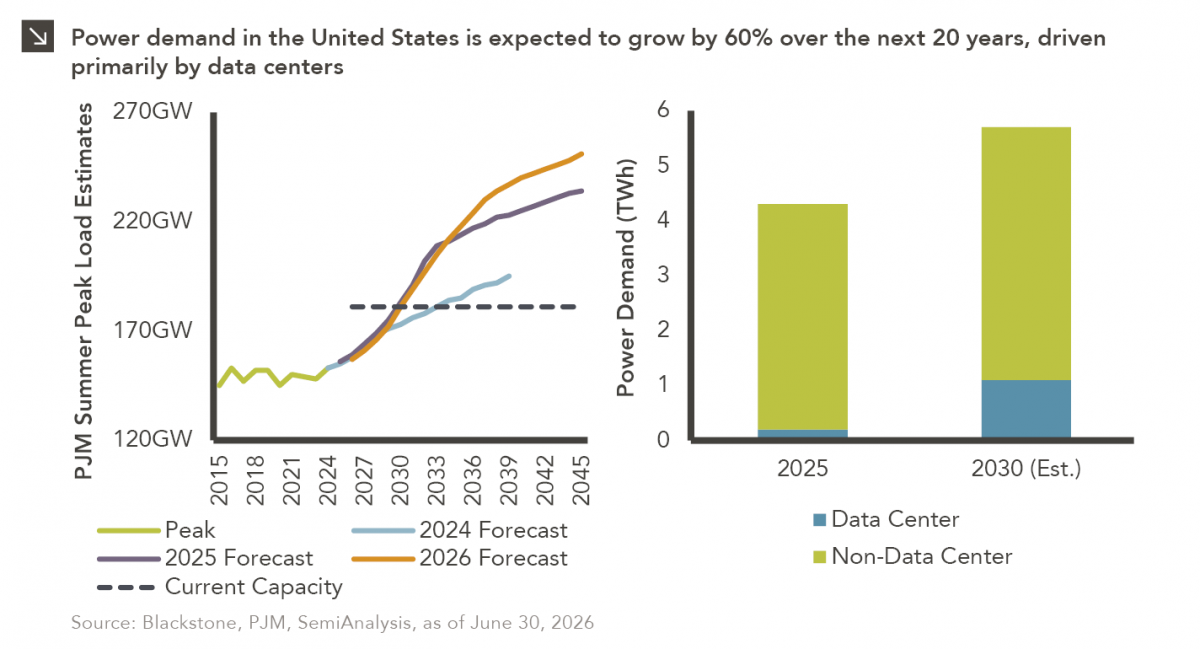
This week’s chart highlights the accelerating growth of electricity demand in the U.S., which has been driven primarily by the…

10.08.2026
LIVE WEBINAR — OCTOBER 22 Please join Marquette’s research team for our 3Q 2026 Market Insights Webinar…
10.05.2026
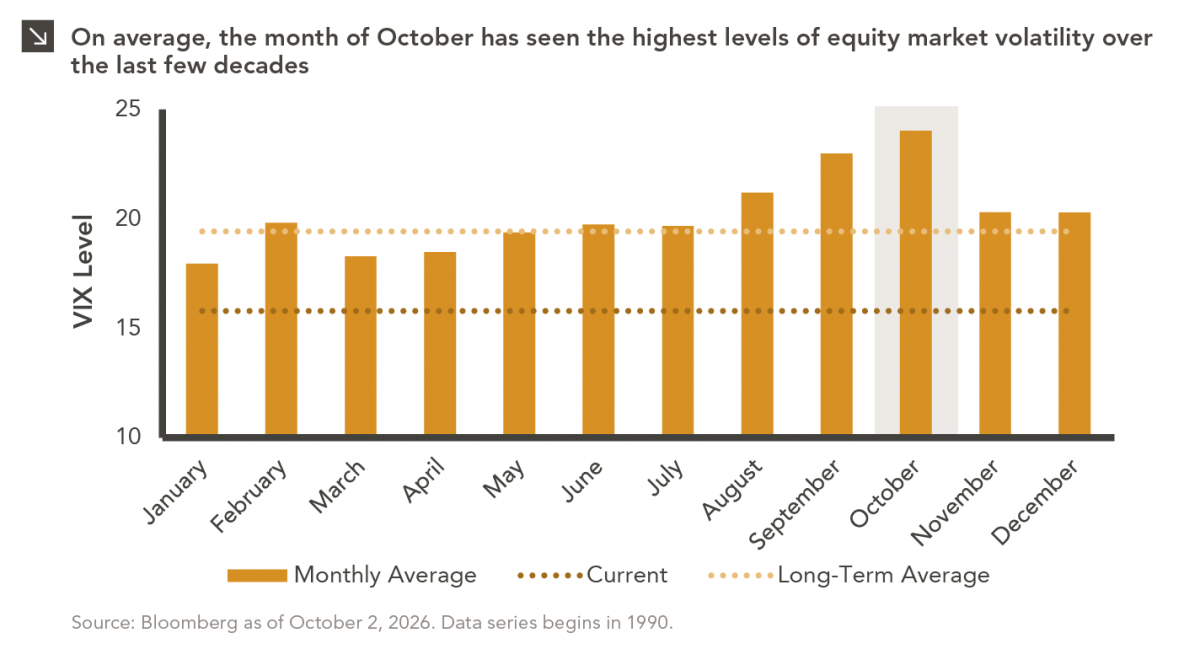
For investors, the spookiest thing about October might not be the ghosts and monsters that are bound to show up…
09.28.2026
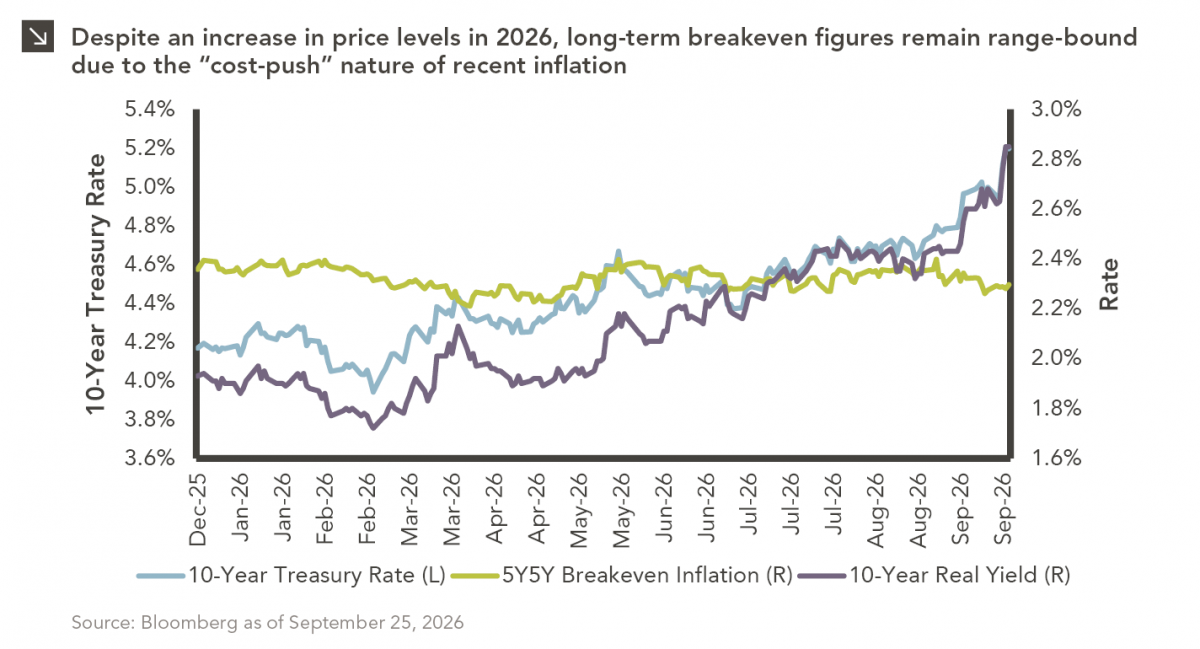
The phrase “expectations of higher inflation” has become a staple in financial news to explain the increase in nominal U.S….
Research alerts keep you updated on our latest research publications. Simply enter your contact information, choose the research alerts you would like to receive and click Subscribe. Alerts will be sent as research is published.
We respect your privacy. We will never share or sell your information.
If you have questions or need further information, please contact us directly and we will respond to your inquiry within 24 hours.
Contact Us >