09.08.2026
EMD’s Second Chance?
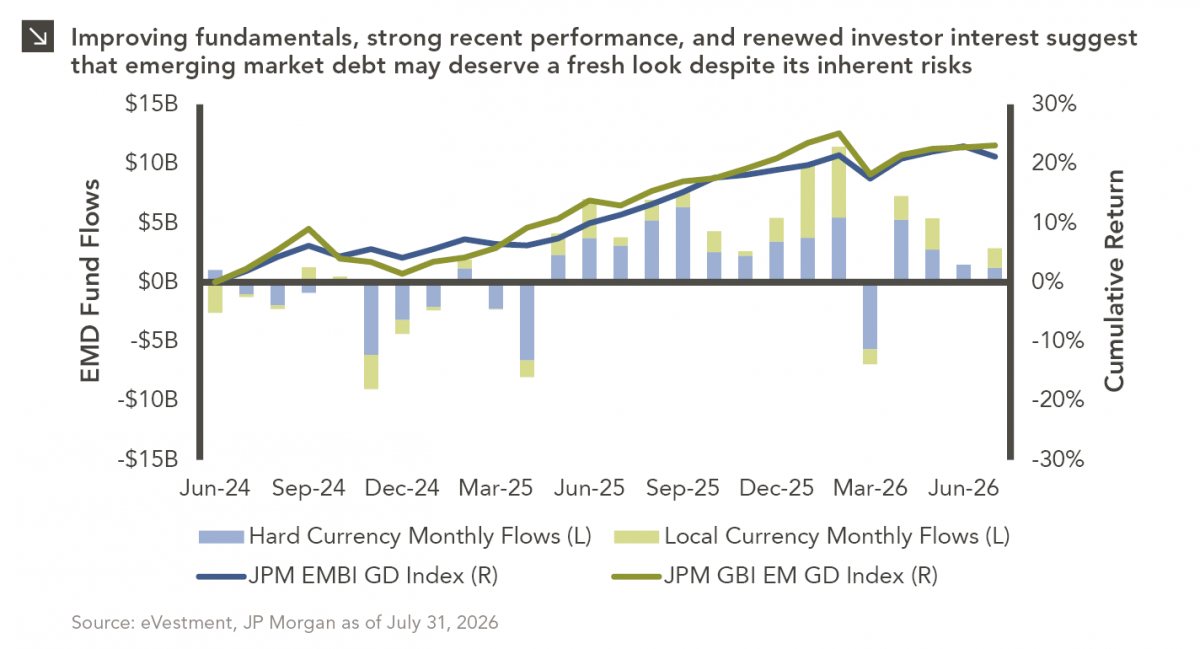
Over the last several years, emerging market debt (EMD) has faced several headwinds, with rising yields across other fixed income…


If there is one corner of the financial market that has benefited from the pandemic, it is special purpose acquisition companies (SPACs). This atypical pathway to the public markets was once a niche strategy for small investment firms. Now, the strategy has become one of the hottest financial topics of 2020 after a massive uptick in the volume of these vehicles.
A record 82 special purpose acquisition corporations went public this year to raise a record $39 billion, far exceeding the $9.5 billion in gross proceeds for SPACs in 2019 or the $8.5 billion in 2018.
SPACs are vehicles that raise money in an IPO, and then place the funds in a trust while the sponsor searches for a business or multiple businesses to acquire. The companies then complete a merger and the target becomes a listed stock.
A private company going public via SPAC has a few advantages over a traditional IPO. Private companies can go public on a faster timeline and there is more certainty around a company’s valuation. Furthermore, the listing of a SPAC requires a much lower level of diligence than a similarly sized IPO since there are no financial statements to analyze. For a sponsor, raising a SPAC is similar to raising a closed-end fund, allowing for a shorter and more comfortable timeline during the fundraise. In addition, the reputation of SPACs has improved over the past decades as governance practices have been refined and made more shareholder-friendly.
The volatility and price declines earlier in 2020 made IPOs and direct listings impractical options for many private companies, which is where SPACs have stepped in. There has been a lot of talk particularly in the venture community not being satisfied with the IPO process. That has led to conversations about going the direct listing route, and now the SPAC route. There have been several companies that have gone the IPO route and set a price underwriters deemed reasonable, only to see the stock surge on the first day of trading, which ultimately results in money being left on the table. And with IPOs being inherently riskier, there was less incentive to take on more risk by going public during an election year and pandemic.
It is clear SPACs are here to stay, but it is uncertain whether they will continue at the same rapid pace as this year. While the population of companies that might combine with a SPAC is growing, it still represents a small subset of private companies, limiting the potential disruption of the traditional IPO process. While the momentum driving innovation around public listings is encouraging, SPACs will not provide a solution for every private business. That said, there is a two-year time period for a SPAC to acquire a business, guaranteeing they will remain around for at least the foreseeable future.
The opinions expressed herein are those of Marquette Associates, Inc. (“Marquette”), and are subject to change without notice. This material is not financial advice or an offer to purchase or sell any product. Marquette reserves the right to modify its current investment strategies and techniques based on changing market dynamics or client needs.
09.08.2026
Over the last several years, emerging market debt (EMD) has faced several headwinds, with rising yields across other fixed income…
08.31.2026
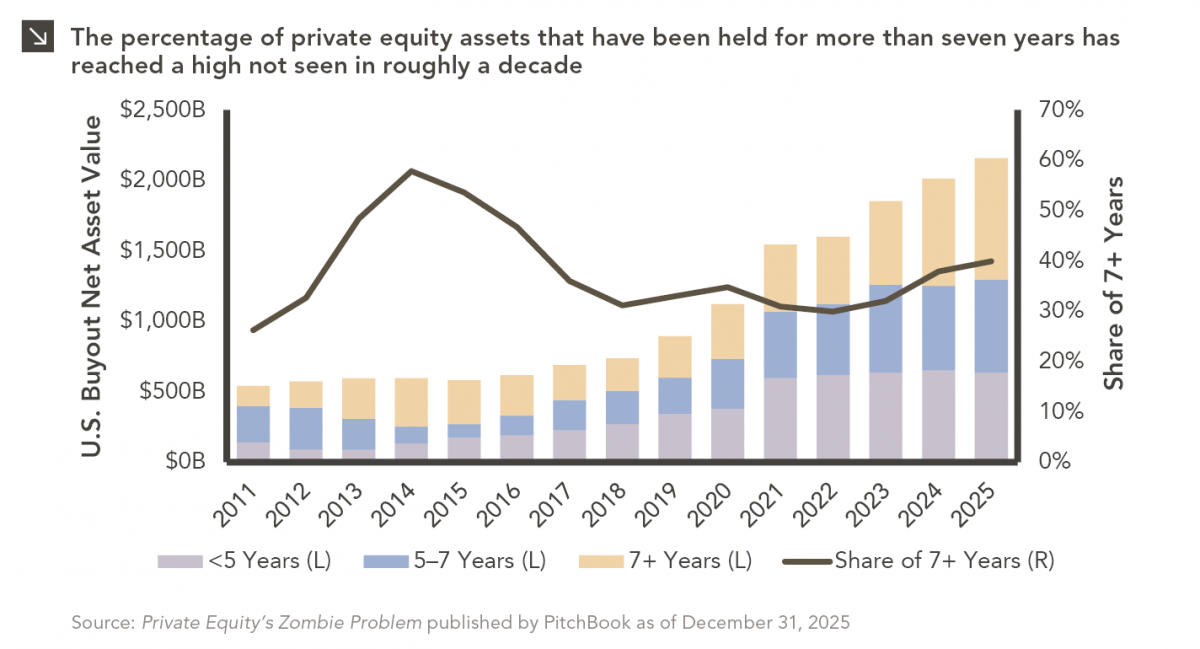
Private equity has always had a few portfolio companies that refused to leave the party. Today, however, the industry appears…
08.24.2026
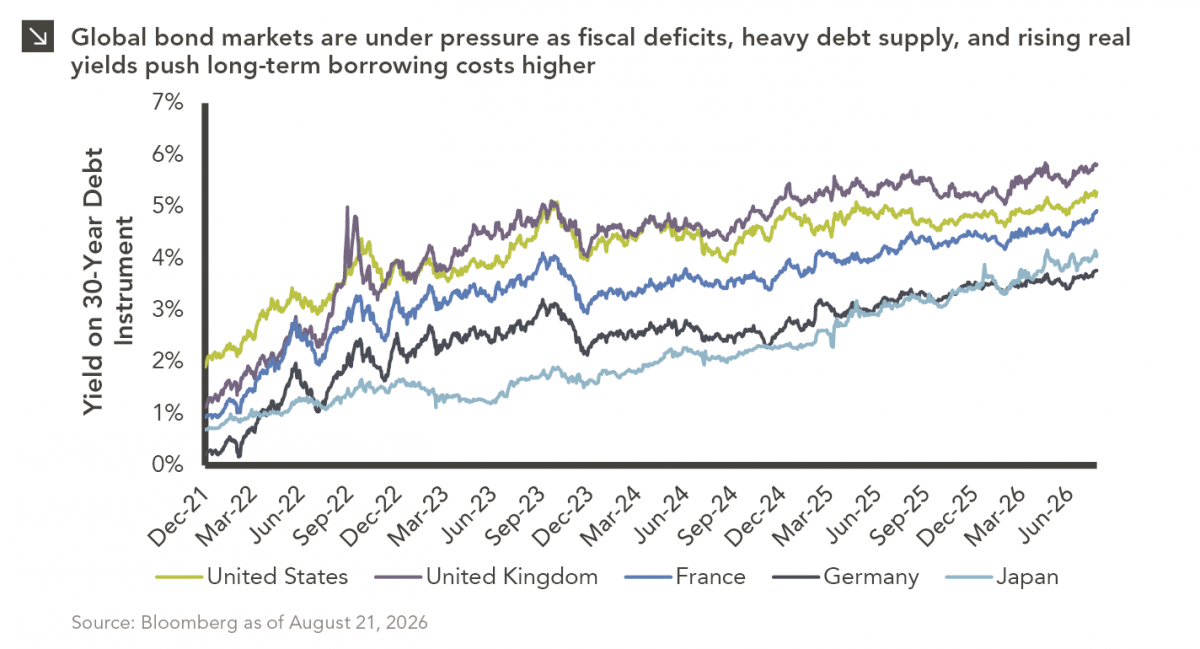
The global bond market is facing renewed pressure as investors demand higher yields to hold long-dated government debt, pushing borrowing…

08.17.2026
As a college football player struggling to put on mass, the “supersizing” deal at McDonald’s was hard to beat. For…
08.10.2026
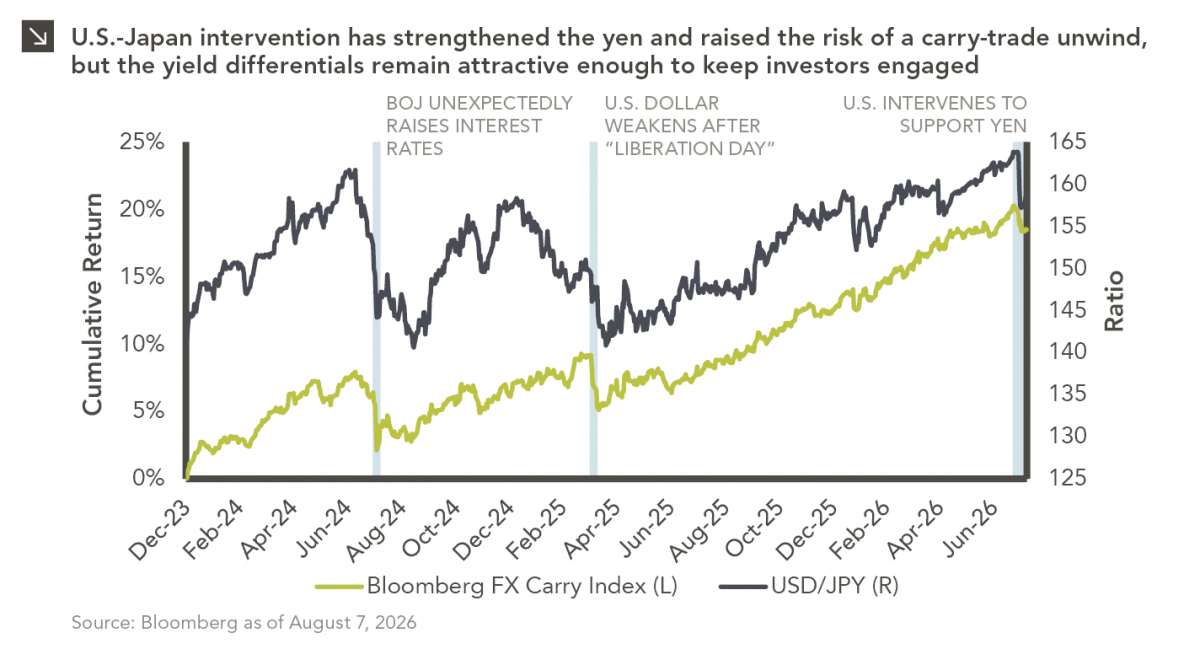
After reaching nearly ¥164 per dollar, its weakest level in roughly four decades, the yen had become a source of…
08.03.2026
In the cinematic masterpiece Rocky IV, Rocky gets dazed by his opponent, Captain Ivan Drago, and complains that he sees…
Research alerts keep you updated on our latest research publications. Simply enter your contact information, choose the research alerts you would like to receive and click Subscribe. Alerts will be sent as research is published.
We respect your privacy. We will never share or sell your information.
If you have questions or need further information, please contact us directly and we will respond to your inquiry within 24 hours.
Contact Us >